
By using this site, you agree to the Privacy Policy and Terms of Use.
Accept
CookOrBitCookOrBitCookOrBit
  • Home
  • About Us
  • Ingredient Science
    • Flavor & Aroma
    • Protein Chemistry
    • Sugar & Starch
    • Fats & Emulsions
  • Cooking Techniques
    • Searing & Grilling
    • Baking & Roasting
    • Boiling & Steaming
    • Low & Slow
  • Kitchen Experiments
    • DIY Ferments
    • Flavor Tests
    • Gadget Testing
    • Molecular Gastronomy
  • Food Myths
    • Searing Myth
    • 5-Second Rule
    • MSG Myths
    • Microwave Myths
  • Tools
  • More
    • Extra Picks
    • Quick & Easy
      • Breakfast Ideas
      • Desserts
      • Snacks
      • Soups
    • Global Flavors
      • Asian Street Eats
      • Latin Comforts
      • Mexican Flavors
      • Modern Mediterranean
CookOrBitCookOrBit
  • Home
  • About Us
  • Ingredient Science
  • Cooking Techniques
  • Kitchen Experiments
  • Food Myths
  • Tools
  • More
Search
  • Home
  • About Us
  • Ingredient Science
    • Flavor & Aroma
    • Protein Chemistry
    • Sugar & Starch
    • Fats & Emulsions
  • Cooking Techniques
    • Searing & Grilling
    • Baking & Roasting
    • Boiling & Steaming
    • Low & Slow
  • Kitchen Experiments
    • DIY Ferments
    • Flavor Tests
    • Gadget Testing
    • Molecular Gastronomy
  • Food Myths
    • Searing Myth
    • 5-Second Rule
    • MSG Myths
    • Microwave Myths
  • Tools
  • More
    • Extra Picks
    • Quick & Easy
    • Global Flavors
Follow US
  • Advertising Policy: 10 Practical Rules for Safe, Compliant Ads
  • Contact Us
  • Cookie Policy: Clear Guide for Site Owners
  • Copyright Notice Guide: 7 Essential Rules for Website Owners
  • Disclaimer
  • Privacy Policy
  • Terms of Service
By Fimaw.com
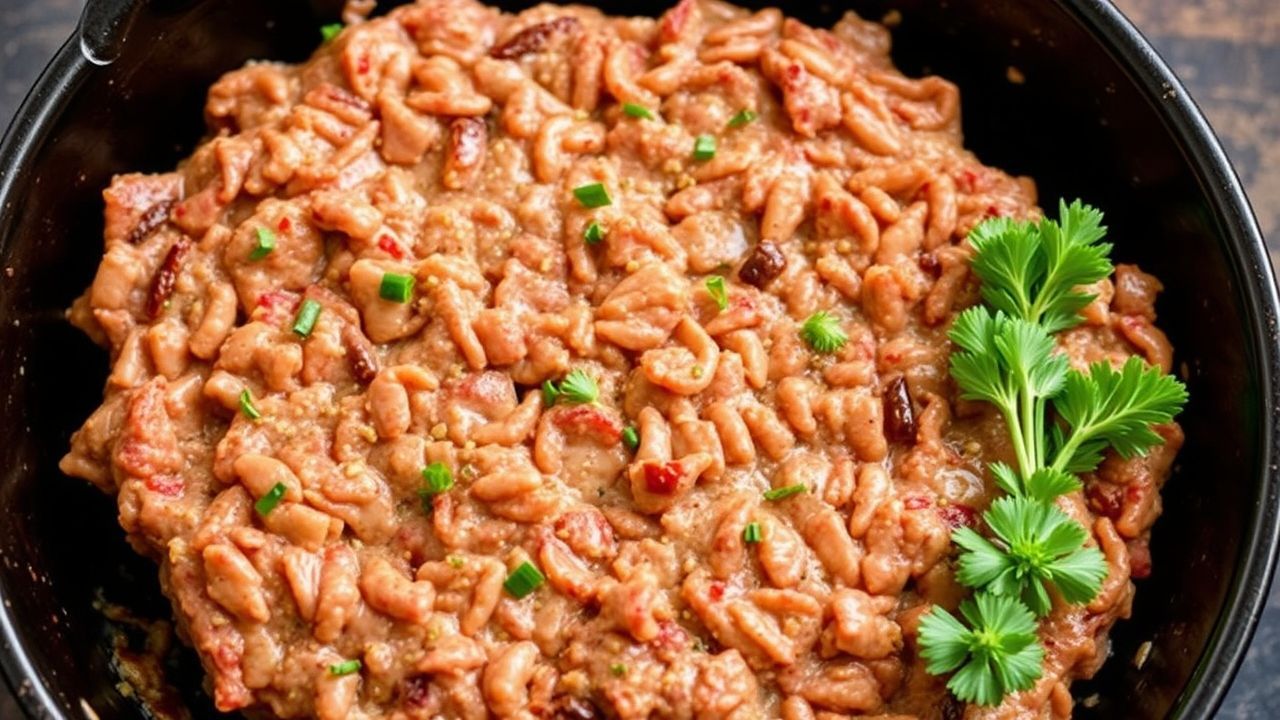
سيتان مطبوخ أكثر من اللازم: قاسٍ، جاف، مطاطي، مفتت مع حواف محروقة
CookOrBit > Blog > Ingredient Science > Protein Chemistry > 7 Clear Signs and Fixes When You Overcook Seitan
Protein Chemistry

7 Clear Signs and Fixes When You Overcook Seitan

William J. Kroll
By William J. Kroll
Published: August 30, 2025
Share
SHARE

Seitan sits at the center of many plant-based kitchens because it delivers a convincing, protein-rich bite. Cook it correctly and you get a tender, savory “meat” with strong flavor absorption. Overcook it and the texture tightens, moisture leaves, and the result feels rubbery and bland.

Contents
  • What is seitan and why its structure matters
  • What happens when you overcook seitan
    • Texture changes: the mechanics
    • Flavor and surface reactions
  • Common cooking methods and their overcook risk
  • How to prevent overcooking seitan
  • Quick fixes: rescuing overcooked seitan
  • Technique checklist: practical rules to follow
  • FAQ
    • Can overcooked seitan be used in sandwiches?
    • Is steaming better than simmering to avoid overcooking?
    • How long should I simmer homemade seitan?
    • Does marinating prevent overcooking?
    • What are the best uses for overly firm seitan?
  • Key takeaway: Overcooking tightens gluten networks and expels moisture.
  • Prevention: Use gentle heat and short simmer times for best texture.
  • Rescue: Simmer briefly in a flavorful liquid or shred into mixed dishes.
  • Try: Alternate methods like steaming to retain juiciness.

What is seitan and why its structure matters

Seitan is pure wheat gluten processed into sheets, loaves, or chunks to mimic meat textures. Its primary component comes from gluten proteins that form an elastic network when hydrated and kneaded.

Understanding gluten explains why seitan behaves like meat under heat. For background on gluten and its properties see gluten and for an overview of seitan preparations see seitan.

- Advertisement -

What happens when you overcook seitan

Heat causes gluten strands to contract. When cooking runs too long or uses too-high temperatures, that contraction squeezes out water and compresses the network into a dense, chewy mass.

Beyond texture, prolonged heat diminishes flavor absorption. Overcooked seitan absorbs less sauce and can taste muted or slightly charred if exposed to intense dry heat.

Texture changes: the mechanics

As proteins tighten they expel trapped water and air pockets that provided juiciness. That process leaves a firm, often rubbery mouthfeel that many people find unpleasant.

- Advertisement -

Unlike animal muscle, seitan lacks intramuscular fat. That means it depends entirely on retained moisture and applied fats for tenderness. Once moisture leaves, texture rarely returns fully.

Flavor and surface reactions

High-heat searing can produce desirable browning via the Maillard reaction, but extended exposure creates dryness and bitter notes. Balance matters: brown for flavor, then finish with lower heat or moist methods.

Simmering too vigorously also leaches soluble flavor compounds into the cooking liquid and can make pieces taste washed-out. Gentle simmering preserves both texture and taste.

- Advertisement -

Common cooking methods and their overcook risk

Different techniques produce different risk levels for overcooking. Steaming, simmering, baking, and pan-frying all change the gluten network in distinct ways.

Below is a simple comparison to guide timing and method choice. Use it to match your recipe goal to the safest technique.

Method Typical Time Overcook Risk
Steaming 20–45 minutes Low (gentle moisture retention)
Simmering 15–30 minutes Moderate (watch boil strength)
Baking 25–40 minutes Moderate–High (drying risk)
Pan-frying / Searing 3–7 minutes per side High (quick browning then remove)

How to prevent overcooking seitan

Control temperature and time. Use a gentle simmer rather than a rolling boil. For seared pieces, brown quickly then lower the heat or add a braising liquid to finish cooking.

Use visual and tactile cues. When seitan firms but still yields slightly to pressure, it usually signals readiness. Overly tight or corky resistance means it passed the ideal window.

You can also choose recipes built for tenderness: steaming or braising keeps moisture locked in. For practical recipes, see internal guides like Seitan stew recipes or step-by-step technique pages such as How to cook seitan.

💡 Expert Insight
Expert Insight: Slice or shape seitan uniformly before cooking. Thin, even pieces heat consistently and reduce the chance of overcooking. For loafs, pierce lightly to let flavors penetrate.

Quick fixes: rescuing overcooked seitan

You cannot fully restore the original loft, but you can improve mouthfeel and flavor quickly. The goal is rehydration and flavor layering to mask dryness.

Simmer slices briefly in a well-seasoned broth, tomato sauce, or a seasoned stock with oil. The liquid will rehydrate the exterior and the fat will add perceived moistness.

Alternatively, shred or dice overcooked pieces and use them in mixed preparations. Curries, tacos, sandwiches, and casseroles hide texture flaws and deliver flavor through sauces and binders.

⚠️ Pro-Caution
Pro-Caution: Avoid prolonged boiling to rehydrate. Long boils will further compress gluten and wash out flavor. Use short, gentle simmer cycles and taste frequently.

Technique checklist: practical rules to follow

Keep these simple rules in your workflow. They reduce the chance of overcooking and save time.

  • Measure time, not guess: set a timer for simmer or steam intervals.
  • Control heat: maintain a bare simmer; bubbles should be soft, not violent.
  • Test early: check texture a few minutes before expected finish time.
  • Use fats: add a bit of oil to sauces or braises to improve mouthfeel.

When you follow these, most common overcooking mistakes disappear. Make small adjustments between batches and you will refine the timing quickly.

FAQ

Can overcooked seitan be used in sandwiches?

Yes. Thinly slice or shred it and dress with a moist sauce or spread to mask dryness. Binders like mayonnaise, tahini, or oil-based dressings improve bite and mouthfeel.

Is steaming better than simmering to avoid overcooking?

Steaming generally preserves moisture better because the seitan doesn’t sit in water that can leach flavors. Use steaming for delicate textures and simmering for infused flavor, but keep both gentle.

How long should I simmer homemade seitan?

As a rule: simmer 15–30 minutes depending on thickness. Dense loaves need longer than thin cutlets. Monitor texture and avoid hard rolling boils that compress the gluten.

Does marinating prevent overcooking?

Marinating adds flavor but does not change how gluten reacts to heat. Use marinades to boost taste and finish with low heat to preserve tenderness.

What are the best uses for overly firm seitan?

Chop it into stews, mince for tacos, blend into patties with binders, or crisp-fry small pieces for salads. These approaches disperse the firm bits and rely on sauces to deliver moisture.

See also: Overcooked seitan

7 Essential Crispy Skin Secrets for Pan-Seared Salmon Mastery
7 Expert Steps for Silky Mushroom Soup
Bamboo Steamers: 7 Proven Techniques for Perfect Steam Cooking
Savor the Warmth: 7 Proven Steps to Master Roasted Tomato Soup
7 Umami Secrets: Chemistry Behind Tomatoes & Mushrooms
TAGGED:andCooking techniquesGluten sciencehappensPlant based proteinPrevent overcookingseitanSeitan cookingSeitan texturetheVegan meat substitutewhatwhen
Share This Article
Facebook Pinterest Whatsapp Whatsapp LinkedIn Telegram Threads
What do you think?
Love0
Sad0
Happy0
Sleepy0
Angry0
Dead0
Wink0
Previous Article توضيح علمي لنكهة الزبادي الحامضة الناتجة عن تخمر البكتيريا 7 Scientific Secrets of Yogurt Tang
Next Article زبدة تذوب وتتحول إلى لون ذهبي بفضل الكيمياء وتفاعل مايارد 7 Expert Secrets to Master Brown Butter’s Golden Flavor
Creamy Garlic Chicken with melted Parmesan and fresh herbs on a rustic white plate
Garlic Chicken: 7 Ultimate Brilliant Recipes to Make the Best-Ever Creamy Garlic Chicken with Parmesan & Fresh Herbs
Extra Picks
Colorful bowls of Leftover Couscous transformed into salads, fritters, and stuffed peppers.
12 Amazing Practical Leftover Couscous Ideas: Brilliant Ways to Reuse and Remix
Uncategorized
Colorful jars of spice blends beside steaming couscous with herbs and lemon
7 Ultimate spice blends That Transform Your Couscous — Amazing Best Flavor Boosts
Uncategorized
Bowls of gluten-free couscous alternatives: quinoa, millet, cauliflower, and rice
10 Amazing couscous alternatives: Best Gluten-Free Swaps for Incredible Flavor
Uncategorized

Tags

and art baked baking science baking techniques Baking tips batch cooking beef behind browning techniques butternut squash caramelization cast iron skillet chemistry chicken comfort food Cooking science cooking technique Cooking techniques Cooking tips crafting creamy creamy soup crispy culinary science fish flavor flavor chemistry food food safety Food science for garlic golden Ground turkey hearty heat high-heat cooking high protein meals how instant read thermometer Lean protein magic Maillard reaction make ahead meals make ahead soup mastering meal prep Meal prep recipes meat thermometer microwave microwave cooking moisture control one pot meals Pan searing perfect perfectly Plant based protein Probe thermometer protein denaturation Quick dinners roasted roasted squash roasted tomato soup Roasted vegetables Roasting techniques savor savory science Searing technique Searing techniques secrets slow cooking squash steak steak cooking sweet temperature control the top turkey turkey soup turkey stew ultimate umami cooking umami flavor unlock unlocking unveiling vegetable velvety weeknight dinner Weeknight dinners weeknight meals what when why with your zesty
April 2026
M T W T F S S
 12345
6789101112
13141516171819
20212223242526
27282930  
« Mar    

You Might Also Like

Hearty Roasted Squash Stew: A Cozy Fall Flavor Journey
Extra Picks

7-Ingredient Roasted Squash Stew: Cozy Autumn Comfort

William J. Kroll
William J. Kroll
February 14, 2026
Crafting the Ultimate Hot Gel: Secrets to Instant Warmth
Molecular Gastronomy

7 Expert Steps to Craft the Ultimate Hot Gel for Instant Warmth

William J. Kroll
William J. Kroll
January 12, 2026
- The Ultimate Guide to Perfectly Clarifying Stock for Consomm
Molecular Gastronomy

7 Pro Techniques to Perfectly Clarify Stock for Consommé

William J. Kroll
William J. Kroll
November 1, 2025
The Alchemy Behind the Perfect Savory Galette Crust
MSG Myths

11 Expert Secrets Behind the Perfect Savory Galette Crust

William J. Kroll
William J. Kroll
February 12, 2026
- Unlocking Flavor: Why Your Vegetarian Meal Feels Incomplete
MSG Myths

Unlocking Flavor: 10 Expert Ways to Make Vegetarian Meals Feel Complete

William J. Kroll
William J. Kroll
November 7, 2025
Crisp & Flavorful: The Ultimate Roasted Cauliflower Salad Guide
Extra Picks

9 Expert Steps to a Crisp & Flavorful Roasted Cauliflower Salad

William J. Kroll
William J. Kroll
January 19, 2026
Follow US
By Fimaw.com © All Rights Reserved.
  • Advertising Policy: 10 Practical Rules for Safe, Compliant Ads
  • Contact Us
  • Cookie Policy: Clear Guide for Site Owners
  • Copyright Notice Guide: 7 Essential Rules for Website Owners
  • Disclaimer
  • Privacy Policy
  • Terms of Service
Welcome Back!

Sign in to your account

Username or Email Address
Password

Lost your password?