

There is a simple satisfaction to a bowl of warm, smooth carrot soup that soothes and satisfies. This recipe turns ordinary carrots into a silky, richly flavored starter or light main with reliable technique and clear timing.
- Velvety Texture Secrets for the Perfect Creamy Carrot Soup
- Ingredients & Timing
- Instructions
- Tips for Success
- Creative Garnishes and Serving Suggestions
- Nutrition & Storage
- Practical Variations
- Tools and Technique Notes
- Related Resources
- FAQ
- What makes velvety carrot soup different from standard carrot soup?
- Can I make this soup dairy-free without losing creaminess?
- How do I intensify carrot flavor without adding sugar?
- How should I reheat leftovers for best texture?
- Can this soup be served chilled?
- Closing Remarks
- Quick prep: Ready in under 45 minutes.
- Flexibility: Easy dairy-free swaps preserve creaminess.
- Texture focus: Blending and straining deliver a silky finish.
- Meal-ready: Keeps well for easy lunches or entertaining.
Velvety Texture Secrets for the Perfect Creamy Carrot Soup
Texture defines the difference between a pleasant soup and a memorable one. Achieve a velvety mouthfeel by focusing on even cooking, low-speed blending, and gentle enrichment with fat.
Start by cooking carrots until uniformly soft, then blend in batches to avoid overheating. For an extra-smooth finish, pass the puréed soup through a fine-mesh sieve to remove any fibrous bits.
Ingredients & Timing
Prep: 15 minutes. Cook: 30 minutes. Total: 45 minutes. These time targets keep carrots tender without losing vibrant flavor.
Below is a concise ingredient list that balances sweetness, aromatics, and richness.
Yield
Serves: 4 hearty bowls. Portion control helps when planning for sides or accompaniments.
If you need larger batches, the recipe scales well; increase liquid proportionally and blend in larger-capacity equipment.
Difficulty Level
Level: Easy. The techniques are accessible to cooks of all levels and rely on timing and simple tools.
Use an immersion blender for speed or a countertop blender for the smoothest texture; both produce excellent results when used correctly.
Ingredients
- 1 lb fresh carrots, peeled and chopped
- 1 medium yellow onion, diced
- 2 garlic cloves, minced
- 1 tbsp fresh ginger, grated — adds warm brightness (Ginger)
- 3 cups vegetable broth, low sodium preferred
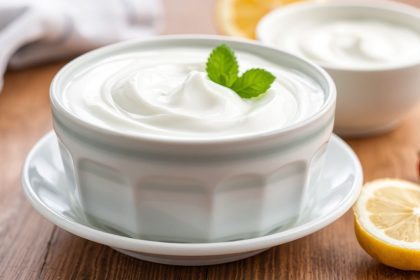
- 1 cup heavy cream (or full-fat coconut milk for dairy-free; see section below) (Cream)
- 2 tbsp unsalted butter
- 1 tsp ground cumin
- 1/2 tsp ground coriander
- Salt and freshly ground black pepper, to taste
- Fresh thyme sprigs, for garnish
- Toasted pumpkin seeds, optional garnish
- Extra virgin olive oil, for finishing drizzle
Instructions
Follow these steps precisely to produce consistent texture and flavor. Each step emphasizes control: heat, timing, and gentle blending.
Read through the sequence before starting so you can adjust seasoning and texture at the end.
- Sauté Aromatics: In a large heavy-bottom pot, melt the butter over medium heat. Add the diced onion and cook until translucent, about 5 minutes, stirring to avoid browning.
- Add Garlic and Spices: Add the minced garlic, grated ginger, cumin, and coriander. Cook 1–2 minutes until fragrant, stirring constantly to prevent scorching.
- Incorporate Carrots: Add the chopped carrots and stir to coat with the aromatics. Cook 3–4 minutes to begin softening and releasing sweetness.
- Simmer in Broth: Pour in the vegetable broth, bring to a simmer, and cover. Cook 20 minutes or until carrots are fork-tender and uniformly soft.
- Puree Smoothly: Remove from heat. Purée using an immersion blender directly in the pot until silky. Alternatively, blend in batches in a countertop blender, venting the lid slightly to avoid pressure build-up.
- Enrich with Cream: Stir in the heavy cream or chosen dairy-free substitute, warming gently without boiling. Taste and adjust salt and pepper.
- Finish for Ultra Smooth: For the silkiest texture, push the soup through a fine-mesh sieve or chinois using the back of a ladle.
- Serve and Garnish: Ladle into warmed bowls. Garnish with fresh thyme, a drizzle of olive oil, and toasted pumpkin seeds for contrast.
Tips for Success
Ingredient quality matters: choose sweet, firm carrots for the best natural flavor and smoother purée. Younger carrots often yield a silkier mouthfeel.
Control heat during sautéing to avoid bitter notes from browned garlic. Gradual spice additions allow you to tune warmth without masking carrot flavor.
Rest for a few minutes after blending to let flavors settle; reheating later with a splash of broth preserves silkiness if the soup tightens on cooling.
Creative Garnishes and Serving Suggestions
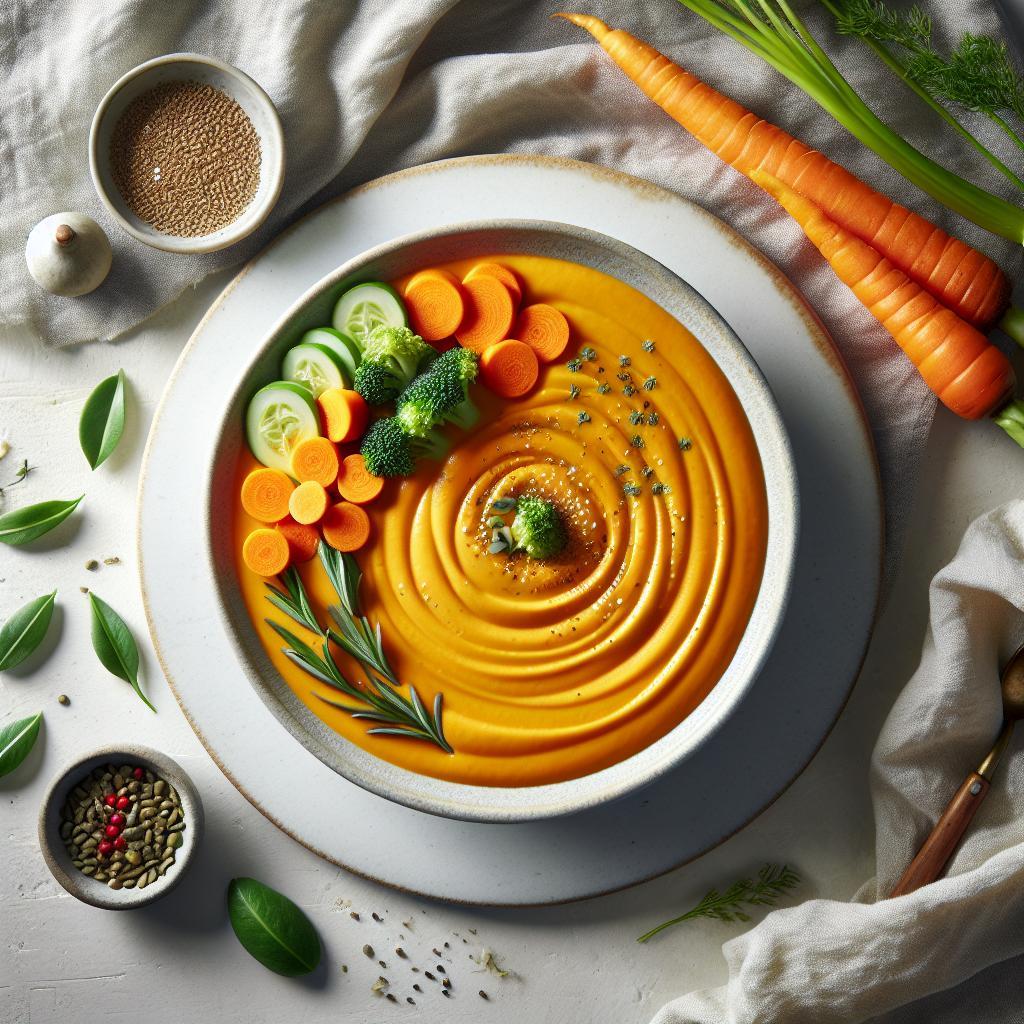
Contrast color and texture to elevate presentation. Bright herb oil or a swirl of cream creates visual interest and an immediate flavor lift.
Combine crunchy elements and fresh herbs: toasted pumpkin seeds, microgreens, or a sprinkle of smoked paprika add layers of texture and aroma.
- Herb oil drizzle: Blend parsley or basil with olive oil and finish the bowl with a few drops.
- Crunchy toppings: Toasted pumpkin or sunflower seeds provide texture and nutty balance.
- Swirls: Use cream or coconut milk for artistic patterns and extra richness.
- Accompaniments: Serve with crusty bread or a garlic focaccia to make the meal more substantial.
Nutrition & Storage
This recipe offers roughly 180 kcal per serving with balanced macronutrients for a starter-size portion. Adjust cream and oil to modify caloric density.
Store chilled soup in airtight containers for up to 3 days in the refrigerator. Freeze in portioned containers for up to one month; thaw and reheat gently with a splash of broth.
Practical Variations
Use roasted carrots for a deeper, caramelized sweetness. Toss halved carrots with oil and roast at 425°F (220°C) for 25–30 minutes before adding to the soup base.
For added nutrition and body, blend in cooked red lentils or a portion of roasted sweet potato. Both increase protein and fiber with minimal impact on flavor.
Tools and Technique Notes
An immersion blender speeds finishing and reduces dish load, while a high-speed countertop blender yields the silkiest purée. If using a countertop blender, work in small batches and vent lids carefully.
Passing the soup through a fine-mesh sieve removes remaining fibers and creates a restaurant-quality texture. Use a rubber spatula to press the purée through efficiently.
Related Resources
Explore additional recipes and guides on our site to build seasonal menus: see Seasonal Vegetable Soups for companion bowls. Also review our storage and reheating recommendations at Soup Storage Tips.
For background on the core ingredients and methods, consult the following references: carrot, soup, and blender pages for quick technical context.
FAQ
What makes velvety carrot soup different from standard carrot soup?
Velvety carrot soup emphasizes ultra-smooth texture and balanced fat to carry flavor. Proper blending and, if desired, sieving remove fibrous elements and create a silky mouthfeel that feels richer than a simple broth-based potage.
Can I make this soup dairy-free without losing creaminess?
Yes. Use full-fat coconut milk or blended soaked cashews to mimic the mouth-coating properties of cream. Start with smaller amounts and adjust for desired viscosity and flavor.
How do I intensify carrot flavor without adding sugar?
Roasting carrots concentrates natural sugars through caramelization. Also sautéeing aromatics gently and using low-sodium broth concentrates savory notes rather than masking sweetness with added sugar.
How should I reheat leftovers for best texture?
Reheat gently over low heat, stirring often and adding a splash of broth or cream if the soup has thickened. Avoid hard boiling to prevent separation of fats and loss of silkiness.
Can this soup be served chilled?
Yes. Chilled carrot soup suits warm-weather menus and highlights aromatic notes differently. Chill completely, then adjust seasoning before serving and add a bright garnish such as lemon zest or microgreens.
Closing Remarks
This velvety carrot soup balances technical control with flexible ingredients to deliver consistent, comforting results. The recipe offers clear substitution paths and presentation ideas to match casual meals or refined starters.
Experiment with roasting, dairy-free enrichments, and varied garnishes to create versions that suit your pantry and guests. With the timing and tips above, you can produce a reliably creamy, flavorful bowl every time.

See also: Carrot soup