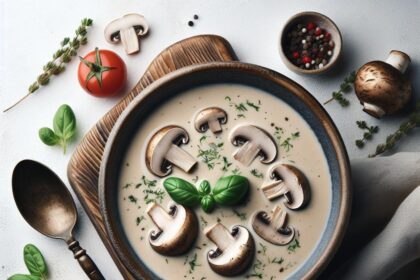

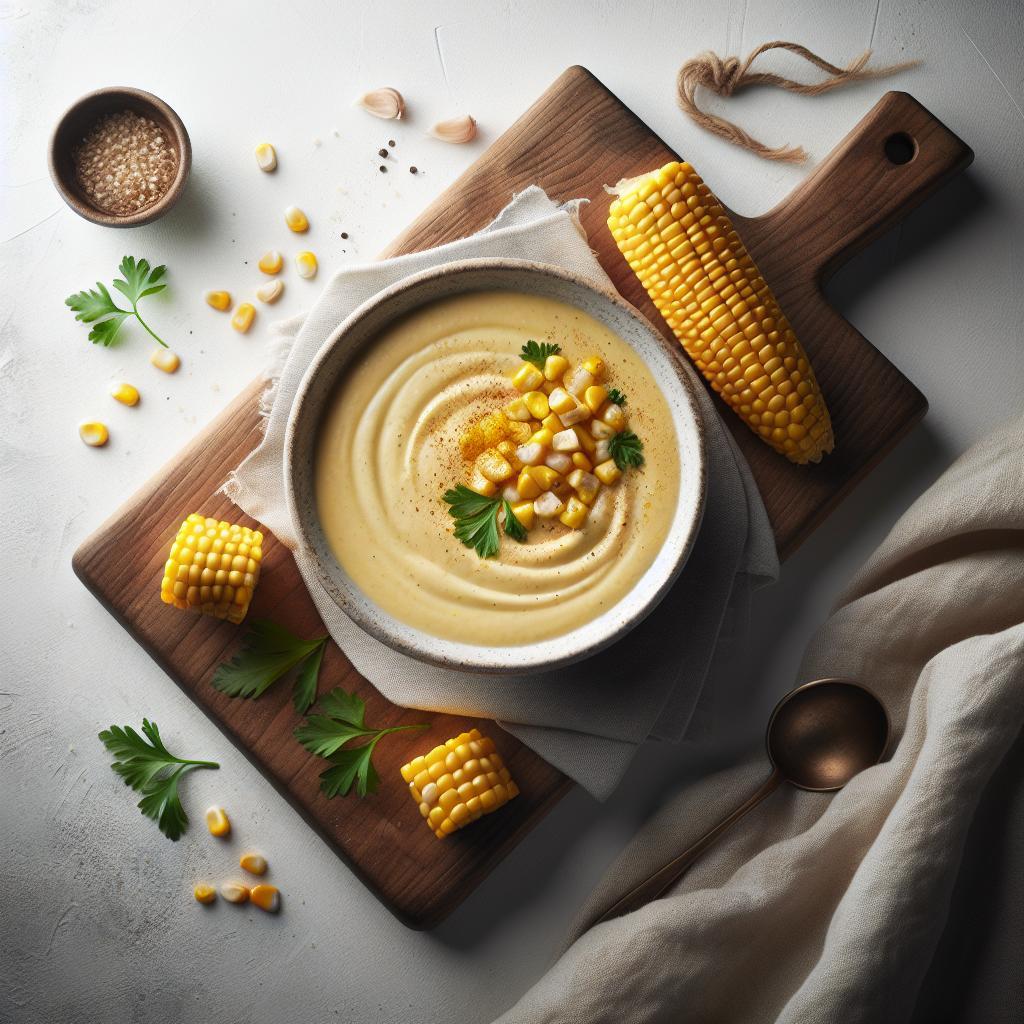

There is a warm, velvety comfort in a spoonful of corn chowder that few dishes match. This recipe focuses on coaxing natural corn sweetness into a silky, well-rounded chowder built on a simple roux and thoughtful technique.
- Prep and Cook Time
- Yield
- Difficulty Level
- Ingredients
- Step by Step to a Silky Smooth Chowder with Rich, Comforting Depth
- Sauté Aromatics
- Make a Roux Base
- Add Broth and Potatoes
- Blend for Velvetiness
- Incorporate Corn
- Stir in Cream
- Season to Perfection
- Expert Tips for Serving and Pairing Your Corn Chowder Masterpiece
- Chef’s Notes: Velvety Creamy Corn Chowder Perfection
- Nutritional Information per Serving
- FAQ
- What makes corn chowder velvety and creamy?
- Can I use frozen or canned corn?
- How do I make this chowder dairy-free?
- Is corn chowder filling enough as a main course?
- How should I store and reheat leftovers?
- Insights and Conclusions
- Instant comfort: A rich, smooth chowder ready in under an hour.
- Versatile base: Works with fresh, frozen, or canned corn and adapts to dairy-free diets.
- Make-ahead friendly: Flavors deepen overnight; reheat gently to preserve texture.
Prep and Cook Time
Plan about 55 minutes from start to finish for this chowder, including prep and simmering. The timing lets potatoes soften fully and the roux develop a nutty backbone for the cream.
Short active prep keeps this recipe user-friendly for home cooks. Meanwhile, the gentle simmer and brief blending deliver the velvety texture without long hands-on time.
- Preparation: 15 minutes
- Cooking: 40 minutes
Yield
This recipe yields about six generous bowls, ideal for a family dinner or small gathering. Leftovers reheat well and remain satisfying when handled gently.
Portion control is straightforward since the chowder stores evenly in airtight containers. Freeze in single portions for quick future meals.
Serves: 6 generous bowls
Difficulty Level
Skill level rates as easy to medium: it requires basic knife work and attention to heat. No advanced techniques are necessary, but timing and gentle heat matter.
The recipe rewards small technique points like browning the roux and avoiding a boil after adding cream. Those details create a restaurant-style finish at home.
Ingredients
Gather fresh, high-quality ingredients for the best flavor. Fresh corn and good-quality cream or whole milk make the biggest difference in taste and mouthfeel.
Below is a concise ingredient list that balances body, sweetness, and savory depth. Quantities scale easily for larger or smaller batches.
- 6 cups fresh corn kernels (about 6–7 ears), or 5–6 cups frozen, thawed
- 4 medium Yukon Gold potatoes, peeled and diced into ½-inch cubes (Yukon Gold potato)
- 1 large yellow onion, finely chopped
- 2 cloves garlic, minced
- 4 cups low-sodium vegetable or chicken broth
- 2 cups whole milk or heavy cream, warmed (see dairy alternatives)
- 3 tbsp unsalted butter
- 3 tbsp all-purpose flour, sifted
- 1 tsp smoked paprika for subtle warmth
- Salt and freshly ground black pepper to taste
- 2 sprigs fresh thyme or 1 tsp dried thyme
- 2 stalks celery, finely diced
- Optional garnish: chopped fresh chives, crispy shallots, squeeze of lemon
Step by Step to a Silky Smooth Chowder with Rich, Comforting Depth
Follow a clear sequence to build both texture and flavor. The method centers on a classic thickening roux, gentle simmering, and partial blending for velvet without losing all texture.
To reference culinary context, corn chowder belongs to the broader category of chowders and benefits from classic chowder technique (chowder). Keep bowls warm while you finish the chowder.
Sauté Aromatics
Heat a heavy-bottomed pot over medium heat and melt the butter until foaming. Add onion and celery and cook, stirring, until soft and translucent—about seven minutes—then add garlic and thyme for one minute.
This gentle sauté extracts sweetness and builds a fragrant base. Avoid browning the vegetables too much; the goal is soft aromatics that fold smoothly into the chowder.
Make a Roux Base
Sprinkle the flour over the softened vegetables and stir constantly to form a pale paste. Cook the roux for three to four minutes to remove the raw flour taste and develop a subtle nutty note.
A properly cooked roux thickens the chowder uniformly and stabilizes the cream. For reading on roux technique consult a general guide (roux).
Add Broth and Potatoes
Gradually whisk in the broth to avoid lumps, then add the diced potatoes and bring the pot to a gentle simmer. Cook uncovered for 15–20 minutes until the potatoes yield easily to a fork.
Simmering time ensures the potatoes break down enough to thicken the soup when blended. Use low-sodium broth to control overall salt levels.
Blend for Velvetiness
Use an immersion blender to pulse about half the chowder, focusing on the potatoes and aromatics until creamy but still textured. Alternatively, blend in small batches in a stand blender and return to the pot.
Blending half the pot keeps pleasant corn kernels while creating body from pureed potato. This hybrid method gives the chowder its signature velvety mouthfeel.
Incorporate Corn
Add the corn kernels and smoked paprika, then simmer for about ten minutes to marry flavors and warm the corn through. Fresh kernels release juice that lifts the chowder’s natural sweetness.
If using frozen corn, add it slightly earlier to ensure even heat. Taste as the corn cooks and adjust seasoning incrementally.
Stir in Cream
Reduce heat to low and whisk in the warmed milk or cream slowly to avoid shocking the dairy. Heat gently—do not boil—to maintain a smooth, non-grainy texture.
Warming the milk first reduces the temperature differential and keeps the emulsion stable. For dairy-free options, use full-fat coconut milk or cashew cream.
Season to Perfection
Taste and finish with salt and pepper, and remove the thyme sprigs before serving. Add a squeeze of lemon if you want a bright counterpoint to the cream.
Adjust texture with extra broth or cream if the chowder sits too thick in refrigeration. Reheat slowly and stir often to revive the original consistency.
Expert Tips for Serving and Pairing Your Corn Chowder Masterpiece
Garnishes add contrast and interest; think crisp shallots, fresh chives, or a small drizzle of chili oil. Textural contrast makes a bowl more memorable and satisfying.
Pair the chowder with crusty bread for dipping and a crisp salad to cut richness. For bread ideas, see our internal recipe pages for complementary bakes.
- Garnishes: finely chopped chives, crispy shallots, toasted corn kernels.
- Perfect pairings: crusty sourdough, garlic-herb bread, or a bright, vinegary salad.
- Make-ahead tip: flavors deepen overnight; reheat slowly and add a splash of milk if needed.
- Vegetarian option: use vegetable broth and olive oil in place of butter.
For specific bread pairings, try our internal Garlic-Herb Bread or the Creamy Potato Leek Soup for a complementary course. These internal links provide tested companion recipes to round out a meal.
Chef’s Notes: Velvety Creamy Corn Chowder Perfection
Freshness matters: choose corn with bright kernels and firm texture; fresher ears produce sweeter, cleaner flavor. Good potatoes, like Yukon Gold, contribute smooth texture and subtle sweetness.
The roux is not optional for this recipe; it builds body and provides a stable base for the dairy. Controlled heat during finishing prevents separation and preserves silkiness.
- Freshness: pick prime ears at their peak for best sweetness and texture.
- Roux: cook long enough to remove raw flour taste but not so long that it darkens excessively.
- Heat control: avoid boiling after adding dairy to prevent curdling and grainy texture.
- Umami boost: a splash of soy sauce or teaspoon of nutritional yeast adds depth without masking corn.
Use that same reserved liquid to thin the chowder if it tightens up after chilling. Gentle adjustments restore original consistency without diluting flavor.
Nutritional Information per Serving
Per-serving nutrition depends on ingredient choices and portion size. Using whole milk and butter raises fat and calories compared to dairy-free options.
The table below provides a baseline estimate for a standard preparation; adjust numbers when you substitute plant-based milks or reduce butter.
| Calories | Protein | Carbs | Fat |
|---|---|---|---|
| 320 kcal | 8 g | 40 g | 14 g |
FAQ
What makes corn chowder velvety and creamy?
The texture comes from a combination of pureed potatoes and a cooked roux, which adds body and smoothness. Blending part of the chowder yields a silky base while leaving some whole kernels for bite.
Can I use frozen or canned corn?
Yes. Frozen corn preserves much of the fresh flavor and is an excellent year-round option. Drain canned corn well to avoid diluting the chowder’s body.
How do I make this chowder dairy-free?
Use full-fat coconut milk or cashew cream and swap butter for a neutral oil. These choices maintain richness and mouthfeel while keeping the recipe plant-based.
Is corn chowder filling enough as a main course?
Absolutely. The potatoes and cream provide satisfying calories and texture, making the chowder a solid main when paired with bread or a salad. Add protein like crispy bacon or smoked tofu if desired.
How should I store and reheat leftovers?
Refrigerate in an airtight container for up to three days, or freeze small portions for longer storage. Reheat slowly over low heat, stirring and adding a splash of milk or broth to restore creaminess.
Insights and Conclusions
Corn chowder succeeds when technique aligns with ingredient quality: a measured roux, tender potatoes, and properly warmed dairy. Each step contributes to a cohesive bowl with depth and comfort.
Refer to general resources on corn and chowder to expand your technique and ingredient knowledge. For botanical information on corn, see the article on maize, and explore classic chowder context via the linked chowder entry. For starch behavior, consult the potato article.
Serve this chowder with crusty bread and a bright salad for balance. For bread pairings, try the internal Garlic-Herb Bread or our Creamy Potato Leek Soup recipe for a contrasting course.

See also: Corn Chowder