
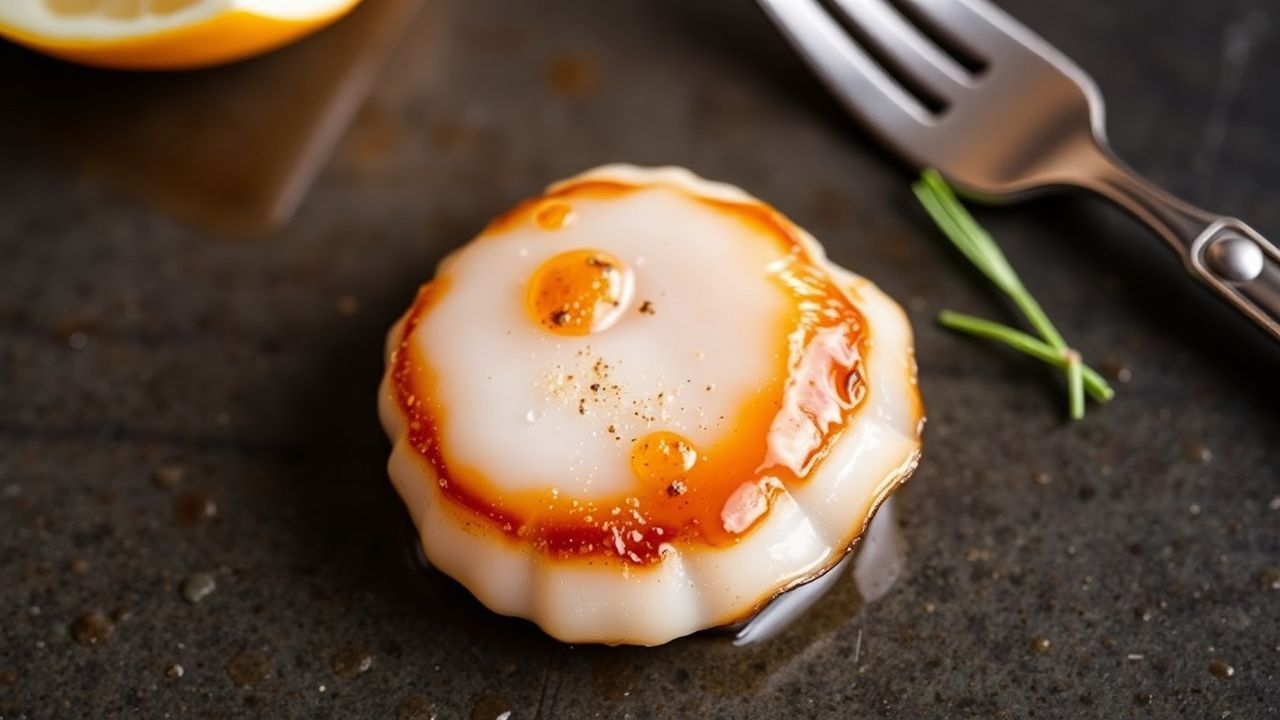

There is something mesmerizing about a perfectly seared scallop: a thin, golden crust that gives way to a tender, juicy interior. Achieving that result requires controlled heat, dry surfaces, correct fats and a clear sequence of actions. This piece explains the science and the practice so you can hit the mark every time.
- Prep and Cook Time
- Yield
- Difficulty Level
- Ingredients
- Instructions
- Chef’s Notes: Tips for Success
- Serving Suggestions
- Nutritional Information
- FAQ
- Q: Why sear scallops instead of cooking them gently?
- Q: How do I avoid rubbery scallops?
- Q: Do scallop types affect searing?
- Q: Can I use the same technique for other seafood?
- Q: What is the single most important step for success?
- In Retrospect
- Maillard browning creates the crust and concentrated flavor.
- Dry surface and high, steady heat prevent steaming and promote caramelization.
- Fat and pan choice determine how fast and evenly heat transfers to the scallop.
- Timing is the gatekeeper: seconds matter for texture.
Prep and Cook Time
Preparation: 10 minutes. Pat scallops dry thoroughly and remove the side muscle to ensure uniform contact with the pan. Doing this reduces surface moisture, which prevents steaming and lets the Maillard reaction work.
Cooking: 6 minutes. Sear on medium-high heat about 2 minutes per side, then finish with butter basting for 1.5–2 minutes. Resting is minimal; serve immediately for the best texture.
Yield
This recipe yields approximately 16 large sea scallops, serving four people at four scallops each. Adjust portions by scaling ingredients proportionally while preserving pan space to avoid overcrowding.
When increasing batch size, cook in small batches to maintain surface temperature and consistent crust development. Crowding lowers pan temperature and promotes steaming rather than searing.
Difficulty Level
Rated medium: the technique relies on precise heat control and fast, attentive handling. The margin for error is narrow; overcooking turns scallops rubbery while undercooking leaves them raw inside.
Practice and simple tools—an accurate stove setting, heavy skillet and tongs—deliver repeatable results. Understanding the why behind each step speeds skill acquisition.
Ingredients
16 large sea scallops, patted dry with the side muscle removed. Use dry-packed scallops where possible to avoid added water. See the scallop profile on Wikipedia for species and market terms.
2 tbsp grapeseed oil, 2 tbsp unsalted butter, 1 tsp kosher salt, 1/4 tsp black pepper, 1 garlic clove (smashed), 1 sprig thyme, 1 lemon (zested and juiced). Choose a neutral oil with a high smoke point to keep pan temperature stable and allow fast surface browning.
Instructions
Follow a strict sequence. Clean and dry scallops first, season second, then heat the pan until the oil shimmers. That order ensures each scallop hits the hot surface ready to caramelize.
Maintain spacing. Lay scallops into the pan so each has full contact with the surface and at least a finger-width gap between neighbors. Avoid moving them until the crust forms.
- Prepare the scallops: Use paper towels to pat each scallop completely dry. Inspect for residual moisture; remove the side muscle if present to get even contact with the pan.
- Season: Lightly salt and pepper both sides immediately before cooking. Salt drawn on too early can pull moisture to the surface.
- Heat the pan: Use a heavy-bottomed stainless steel or cast-iron skillet over medium-high heat. Add grapeseed oil and heat until it shimmers but does not smoke. The pan should register hot and stable.
- Sear: Place scallops in the pan with space between them. Do not move them for about 2 minutes. When the crust is deep golden, flip once and proceed to butter basting.
- Flip and baste: Add butter, smashed garlic and thyme. Tilt the pan and spoon the melted butter over each scallop for 1.5–2 minutes until firm but springy to the touch. Remove immediately and finish with lemon juice and zest.
- Serve: Plate quickly so scallops retain heat and texture. Garnish as desired and avoid long hold times on warm plates.
After the warning above, let the pan recover its heat before starting the next batch. This recovery step restores surface temperature and ensures consistent browning across batches.
Searing sequence (why order matters)
Dry scallops contact a hot surface and immediately begin Maillard browning, which produces new flavor compounds and color. The chemical process behind that browning is the Maillard reaction, and it requires high surface temperature and low moisture.
Butter basting adds flavor and promotes even cooking by surrounding the scallop with hot fat. Use clarified butter if you need a slightly higher smoke tolerance without losing the nutty butter flavor.
Chef’s Notes: Tips for Success
Master texture contrast: A crisp crust plus a tender interior depends on steady heat and a dry surface. If the crust browns too quickly, lower the heat slightly; if it never browns, raise it.
Choosing the right pan: Cast iron and stainless steel store heat and distribute it evenly, which sustains the surface temperature needed for reliable sears. Thin pans lose heat quickly and create uneven results.
Understand heat transfer. The pan conducts energy into the scallop; a heavy pan minimizes temperature drop when food hits the surface. Read about heat transfer fundamentals on Heat transfer (Wikipedia).
Choose oils with high smoke points like grapeseed or avocado. Avoid extra-virgin olive oil for high-temperature searing because it oxidizes and burns at lower temperatures, adding off-flavors.
Serving Suggestions
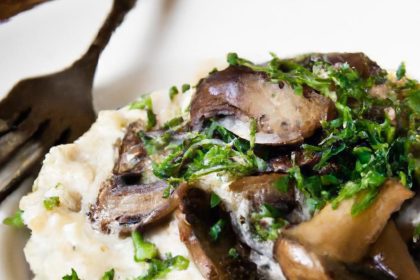
Serve seared scallops over a pea purée, citrus risotto, or a light beurre blanc to complement their natural sweetness. Acidic elements like lemon or a wine reduction brighten the palate and balance richness.
Garnish with microgreens or thinly sliced radish for texture contrast and color. For complementary courses or technique cross-training, see our seafood searing guide and check recommended tools at kitchen tools.
Nutritional Information
Per serving (4 scallops): Calories ~150, Protein ~24g, Carbs ~2g, Fat ~5g. Scallops deliver a high protein-to-calorie ratio and provide key micronutrients like selenium and B12.
Adjust serving fats and accompaniments to match dietary goals. For lower fat, omit or reduce butter and finish with a lemon vinaigrette instead.
| Nutrient | Per Serving (4 scallops) |
|---|---|
| Calories | 150 |
| Protein | 24g |
| Carbohydrates | 2g |
| Fat | 5g |
FAQ
Q: Why sear scallops instead of cooking them gently?
Searing creates concentrated surface flavors through the Maillard reaction and yields a contrasting texture between crust and interior. Gentle cooking lacks that crust and often yields a uniform, softer texture.
Q: How do I avoid rubbery scallops?
Work quickly and monitor firmness. Cook until scallops feel firm but still springy—this typically means 2 minutes per side for large scallops, plus a short baste. Overcooking shortens proteins excessively and yields a rubbery bite.
Q: Do scallop types affect searing?
Yes. Dry-packed scallops sear better because they contain less added water. Wet-packed scallops often have retained brine or phosphate solutions that make searing difficult. Inspect packaging and ask your fishmonger when in doubt.
Q: Can I use the same technique for other seafood?
Absolutely. The principles—dry surface, high heat, short cook time—apply to shrimp, tuna steaks and firm white fish. Adjust time and thickness to match each species’ thermal properties.
Q: What is the single most important step for success?
Patting scallops completely dry right before they hit the pan. Moisture prevents proper contact and causes steaming, which defeats crust formation and flavor development.
In Retrospect
Searing scallops combines predictable physical chemistry with simple, repeatable technique. Controlling moisture, maintaining pan temperature and timing each step produces the hallmark golden crust and a tender interior.
Practice a few batches, observe the crust development and adjust heat in small increments. With a disciplined sequence and the tips provided, you will reliably produce perfectly seared scallops.
See also: Seared Scallops