By using this site, you agree to the Privacy Policy and Terms of Use.
Accept
CookOrBitCookOrBitCookOrBit
  • Home
  • About Us
  • Ingredient Science
    • Flavor & Aroma
    • Protein Chemistry
    • Sugar & Starch
    • Fats & Emulsions
  • Cooking Techniques
    • Searing & Grilling
    • Baking & Roasting
    • Boiling & Steaming
    • Low & Slow
  • Kitchen Experiments
    • DIY Ferments
    • Flavor Tests
    • Gadget Testing
    • Molecular Gastronomy
  • Food Myths
    • Searing Myth
    • 5-Second Rule
    • MSG Myths
    • Microwave Myths
  • Extra Picks
CookOrBitCookOrBit
  • Home
  • About Us
  • Ingredient Science
  • Cooking Techniques
  • Kitchen Experiments
  • Food Myths
  • Extra Picks
Search
  • Home
  • About Us
  • Ingredient Science
    • Flavor & Aroma
    • Protein Chemistry
    • Sugar & Starch
    • Fats & Emulsions
  • Cooking Techniques
    • Searing & Grilling
    • Baking & Roasting
    • Boiling & Steaming
    • Low & Slow
  • Kitchen Experiments
    • DIY Ferments
    • Flavor Tests
    • Gadget Testing
    • Molecular Gastronomy
  • Food Myths
    • Searing Myth
    • 5-Second Rule
    • MSG Myths
    • Microwave Myths
  • Extra Picks
Follow US
  • Advertising Policy: 10 Practical Rules for Safe, Compliant Ads
  • Contact Us
  • Cookie Policy: Clear Guide for Site Owners
  • Copyright Notice Guide: 7 Essential Rules for Website Owners
  • Disclaimer
  • Privacy Policy
  • Terms of Service
By Fimaw.com
لوح بروتين مقطع يكشف التركيبة العلمية والقيمة الغذائية
CookOrBit > Ingredient Science > Protein Chemistry > 7 Science-Backed Insights: Unlocking the Protein Bar
Protein Chemistry

7 Science-Backed Insights: Unlocking the Protein Bar

William J. Kroll
By William J. Kroll
Published: August 31, 2025
Share
SHARE

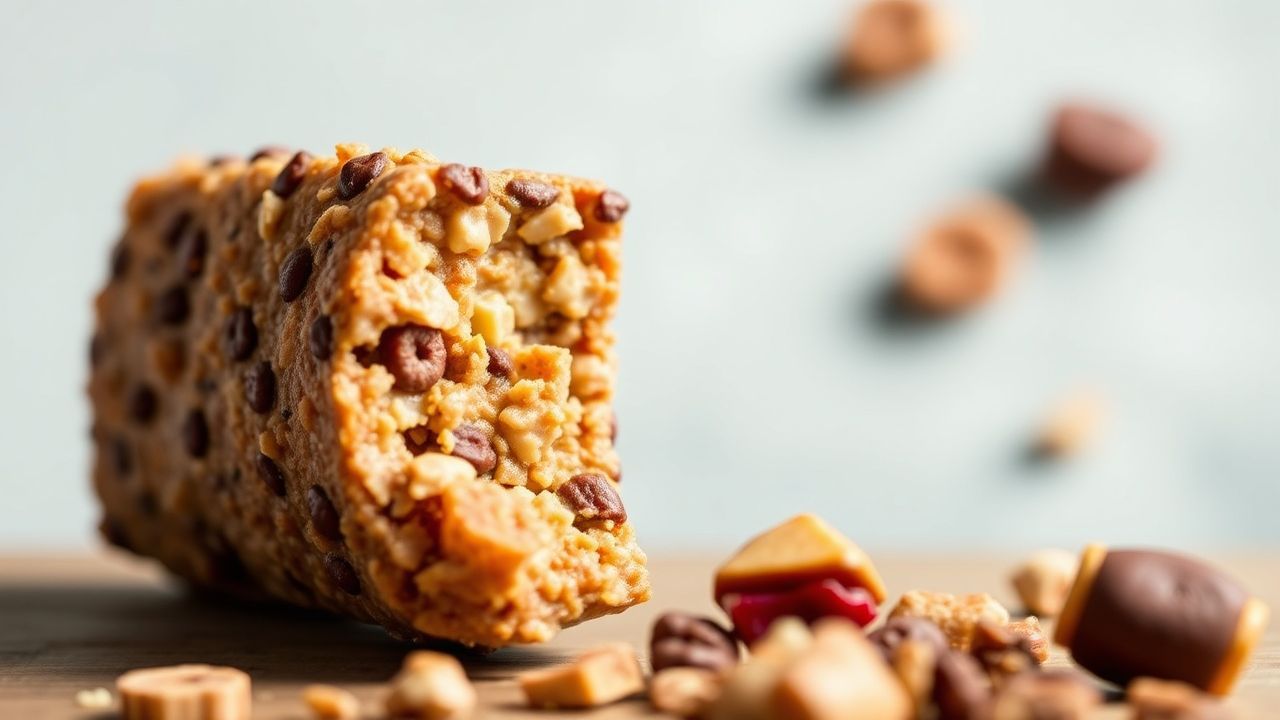
The protein bar evolved from a niche athletic aid into a mainstream snack because manufacturers apply targeted food science to deliver protein, texture, and shelf life in a small package. Nutrition professionals study these bars to understand how ingredients, processing, and labeling affect recovery, satiety, and metabolic response.

Contents
  • Ingredient chemistry: what’s inside and why it works
    • Common protein sources and functional effects
  • Nutritional design: balancing macros for purpose
    • Label reading: what to prioritize
  • Texture and processing: why bars feel the way they do
    • Binders, stabilizers, and shelf life
  • Health considerations and practical selection
  • Innovations shaping the next generation of bars
  • The way forward for consumers and formulators
  • FAQ
    • How much protein should a typical protein bar contain?
    • Are plant-based bars as effective as whey-based bars?
    • Can protein bars help with weight loss?
    • What should I watch for on the ingredient list?
    • How should I store protein bars for best quality?
  • Protein density matters: 10–30 g per bar changes recovery and satiety.
  • Source matters: whey, plant, and collagen behave differently in texture and digestion.
  • Formulation balances: protein, fiber, fats, and low sugars support steady energy.

Ingredient chemistry: what’s inside and why it works

Manufacturers select protein types to achieve functional goals: solubility, mouthfeel, and amino acid profile. Each protein source has predictable chemical behavior that informs texture and nutrition.

For example, protein quality influences muscle repair because it determines essential amino acid availability. Likewise, individual amino acids drive recovery and signaling pathways after resistance exercise.

- Advertisement -

Common protein sources and functional effects

Whey protein yields a soft, cohesive crumb and rapid plasma amino acid rise, so many post-workout bars use it for fast recovery. Manufacturers use whey protein isolates or concentrates depending on cost and desired solubility.

Plant proteins such as pea or soy provide sustainability and allergen-friendly options. They often require texturizers or enzyme treatment to match the chew and mouthfeel of animal-based proteins.

Nutritional design: balancing macros for purpose

Designing a bar starts with the target consumer: post-workout, meal replacement, or appetite control. Scientists model macronutrient ratios and caloric density to meet those goals while maintaining palatability.

- Advertisement -

Protein slows gastric emptying and supports satiety, but carbohydrates and fats alter glycemic response and endurance. The glycemic index concept helps formulators choose carbs that avoid rapid blood-sugar spikes.

Label reading: what to prioritize

Evaluate bars by checking protein grams per serving, sugar grams, and fiber content. Aim for bars with at least 10 g protein, under 5–8 g added sugar, and 3+ g fiber for appetite control.

Also check ingredient order and presence of whole-food items. Bars listing intact nuts, oats, or dairy early in the list typically rely less on isolated additives.

- Advertisement -

Texture and processing: why bars feel the way they do

Texture signals ingredient composition to consumers: chewiness, crumbliness, and melt-all communicate formulation choices. Texture also affects perceived sweetness and satiety.

Binders such as syrups, gums, and fiber create cohesion, while fat type determines snap and mouth-coating. Processing parameters like extrusion, shearing, and heat set the final structure and shelf life.

Binders, stabilizers, and shelf life

Common binders include maltitol syrups, glucose syrup, gelatin, and plant fibers. Each binder modifies water activity and texture, and formulators choose them to meet texture targets while limiting microbial risk.

To extend shelf life without refrigeration, manufacturers control water activity, use oxygen barriers in packaging, and include antioxidants when necessary. These steps preserve flavor and safety during transport and storage.

💡 Expert Insight
Expert Insight: When selecting a bar for post-workout recovery, prioritize fast-digesting proteins (whey isolate) combined with 20–30 g of carbohydrates to restore glycogen efficiently after intense sessions.

Formulators also balance cost and sensory appeal; therefore, some bars use polyols or high-intensity sweeteners to reduce sugar while maintaining sweetness. Those ingredients influence gut tolerance for sensitive consumers.

Health considerations and practical selection

Not every bar is appropriate for every goal. For weight management, choose lower-calorie, high-protein, high-fiber options. For muscle-building, target higher protein per serving and avoid absorbing fats that delay amino acid uptake excessively.

Also, watch for allergen declarations, presence of artificial sweeteners, and claims like “meal replacement” that require higher calories and broader micronutrient coverage. Use internal resources for deeper study, such as our protein basics and protein bar guide for practical picks.

⚠️ Pro-Caution
Pro-Caution: Bars with sugar alcohols or excessive polyols can cause gastrointestinal upset in sensitive individuals. Test tolerance with a single serving before regular use.

After the caution, consider rotating bar types based on training cycles and meal timing. For daily snacking, prioritize whole-food-based bars with recognizable ingredients and moderate calories.

Innovations shaping the next generation of bars

Emerging products use hybrid proteins, precision fermentation, and added bioactives like probiotics or adaptogens to broaden functional claims. These innovations aim to combine sustainability with clinical benefits.

Personalized nutrition platforms now recommend bar compositions based on individual protein needs, activity level, and metabolic markers. As a result, the market moves toward more tailored formulations and transparency.

The way forward for consumers and formulators

Consumers benefit when formulators publish transparent amino acid profiles, sourcing information, and processing details. Transparent labeling lets practitioners and buyers make evidence-based choices.

For formulators, the challenge is to deliver nutrient density, sensory appeal, and shelf stability without excess additives. That balance will determine which bars earn professional endorsement and long-term consumer trust.

FAQ

How much protein should a typical protein bar contain?

Most quality bars contain 10–30 g of protein per serving. Choose 10–20 g for a snack or appetite control, and 20–30 g for post-workout recovery when combined with carbs.

Are plant-based bars as effective as whey-based bars?

Plant-based bars can be effective if they combine complementary proteins to supply essential amino acids. Formulation techniques like fermentation and blending improve amino acid profiles and digestibility.

Can protein bars help with weight loss?

Yes. High-protein, high-fiber bars can reduce hunger and caloric intake when used as controlled snacks. However, total daily calories still determine weight outcomes.

What should I watch for on the ingredient list?

Prioritize clear protein sources, modest added sugars, and presence of fiber. Avoid long lists of unrecognizable additives if you prefer whole-food-based options.

How should I store protein bars for best quality?

Store unopened bars in a cool, dry place away from direct sunlight. Once opened, follow package guidance; many are shelf-stable but taste best within the recommended timeframe.

See also: protein bar

7 Science-Backed Steps to the Ultimate Perfect Grilled Cheese
Unlocking Sweet Science: 9 Expert Secrets to Perfect Caramelization
10 Proven Secrets: Mastering the Flake for Perfect Puff Pastry
Uncover 9 Facts: What Microwaves Really Do to Food
Golden Delight: 7 Expert Steps to Perfectly Baked Cod Fillets
TAGGED:andfood formulationingredient labelingplant proteinproteinprotein barssatietysports nutritiontheunlockingwhey protein
Share This Article
Facebook Pinterest Whatsapp Whatsapp LinkedIn Telegram Threads
What do you think?
Love0
Sad0
Happy0
Sleepy0
Angry0
Dead0
Wink0
Previous Article كاسترد كثيف يوضح تخثر بروتينات البيض أثناء الطهي والعلم وراءه Custard Secrets: 7 Science-Proven Steps to Perfect Coagulation
Next Article مكونات وتقنيات توضح كيفية كشف سر الأومامي وتعميق النكهة Unlocking Umami: 12 Powerful Techniques to Boost Flavor Depth

Tags

and art baked baking science baking techniques Baking tips batch cooking beef behind butternut squash caramelization cast iron skillet chemistry chicken comfort food Cooking science cooking technique Cooking techniques Cooking tips crafting creamy creamy soup crispy culinary science fish flavor flavor chemistry food food safety Food science for garlic golden Ground turkey hearty heat high-heat cooking high protein meals how instant read thermometer lactic acid bacteria Lean protein magic Maillard reaction make ahead meals make ahead soup mastering meal prep Meal prep recipes meat thermometer microwave microwave cooking moisture control one pot meals Pan searing perfect perfectly Plant based protein Probe thermometer Quick dinners roasted roasted squash roasted tomato soup Roasted vegetables Roasting techniques Roux technique savor savory science Searing technique Searing techniques secrets slow cooking squash steak steak cooking sweet temperature control the top turkey turkey soup turkey stew ultimate umami cooking umami flavor unlock unlocking unveiling vegetable velvety weeknight dinner Weeknight dinners weeknight meals what when why with your zesty
September 2026
M T W T F S S
 123456
78910111213
14151617181920
21222324252627
282930  
« Mar    

You Might Also Like

Savory Turkey Meatball Subs: A Delicious Twist on a Classic
Extra Picks

7 Savory Turkey Meatball Subs: Bold Flavor, Lean Protein

William J. Kroll
William J. Kroll
January 22, 2026
- Unlocking Umami: How to Make Veggies Taste Meatier
MSG Myths

7 Proven Ways to Make Vegetables Taste Meatier: Unlock Umami Richness

William J. Kroll
William J. Kroll
September 29, 2025
Unlocking Flavor: The Science Behind Perfect Roast Chicken
MSG Myths

7 Science-Backed Steps to Unlock Flavor in Roast Chicken

William J. Kroll
William J. Kroll
February 14, 2026
Savor the Flavor: Chicken Marinara with Melted Mozzarella
Extra Picks

Ultimate 7-Step Chicken Marinara with Melted Mozzarella

William J. Kroll
William J. Kroll
January 1, 2026
Savor the Flavor: Beef Keema with Peas Recipe Guide
Extra Picks

Savor the Flavor: 7 Pro Tips for Beef Keema with Peas Recipe Guide

William J. Kroll
William J. Kroll
January 25, 2026
Creamy Mushroom Sauce Meets Savory Turkey Sausage Pasta
Extra Picks

40-Minute Irresistible Creamy Mushroom Pasta with Turkey Sausage

William J. Kroll
William J. Kroll
January 27, 2026
Follow US
By Fimaw.com © All Rights Reserved.
  • Advertising Policy: 10 Practical Rules for Safe, Compliant Ads
  • Contact Us
  • Cookie Policy: Clear Guide for Site Owners
  • Copyright Notice Guide: 7 Essential Rules for Website Owners
  • Disclaimer
  • Privacy Policy
  • Terms of Service
Welcome Back!

Sign in to your account

Username or Email Address
Password

Lost your password?

نستخدم ملفات تعريف الارتباط (cookies) لتحسين تجربتك وعرض إعلانات مناسبة. بمتابعتك تصفّح الموقع فإنك توافق على استخدامنا لها.