

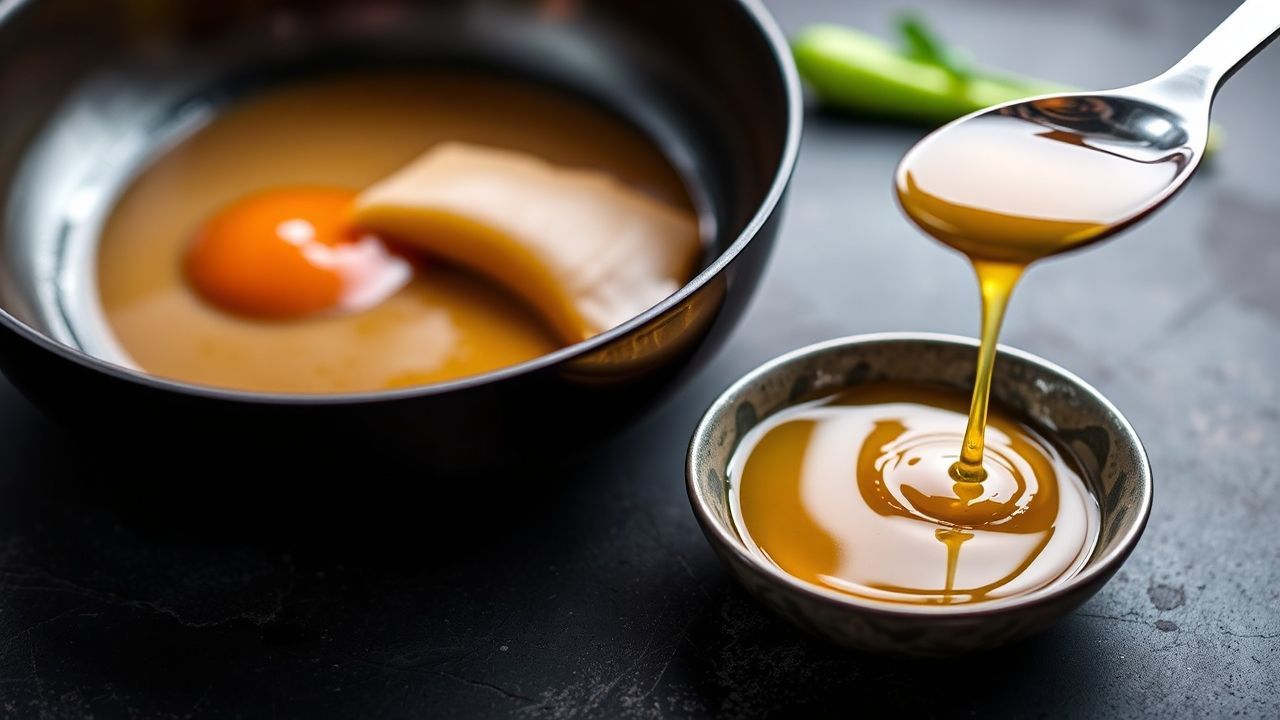

Fats do more than lubricate pans. They carry volatile aroma compounds, shape mouthfeel, and change a dish’s flavor profile in precise ways. Discovering the power of flavorful fats can instantly transform your cooking.
- Flavorful fats: Why fats matter for flavor and texture
- Types of flavorful fats
- Why Flavorful fats Matters: Butter and browned butter (clarified and Maillard notes)
- Ghee
- Olive oil and extra-virgin varieties
- Nut and seed oils (walnut, hazelnut, sesame)
- Animal fats (duck fat, lard, schmaltz)
- Infused and flavored oils
- How fats change flavor and texture at a chemical level
- Practical techniques for experimenting
- Health and storage considerations
- Pairing framework and quick suggestions
- Wrapping Up
- FAQ
- Fat conveys flavor—pick fats for aroma and function to shape dishes deliberately.
- Browning and infusion multiply desirable taste compounds without extra salt.
- Test and record so you can reproduce results across recipes and service.
- Store and label to preserve quality and avoid rancidity.
Flavorful fats: Why fats matter for flavor and texture
When it comes to understanding the impact of flavorful fats, it’s crucial to recognize their role. Fats dissolve and transport lipophilic aroma compounds that water cannot, which explains why a butter sauce tastes fuller than a stock-based reduction with identical seasoning. This physical property changes how long aromas linger and how flavors layer in a single bite.
In the context of cooking with flavorful fats, fats also coat the tongue and slow flavor release, which affects perceived sweetness and aroma persistence. A small amount of the right fat can reshape a whole bite without adding salt or more ingredients.
Types of flavorful fats
Regarding flavorful fats, each category has a signature aroma, a characteristic thermal profile, and typical culinary roles. Match the fat’s flavor, stability, and smoke point to your task for best results.
When it comes to Flavorful fats, Below are common culinary fats with practical notes for use, storage, and pairing. Use these as starting rules rather than absolute constraints and test before scaling.
Why Flavorful fats Matters: Butter and browned butter (clarified and Maillard notes)
When it comes to flavorful fats, Butter supplies dairy sugars and proteins that brown and produce toffee-like aromatics during the Maillard reaction. Clarifying removes water and raises the smoke point, while controlled browning concentrates nutty, savory notes.
In the context of Flavorful fats, Use clarified butter when you need higher-heat tolerance and hold finished browned butter as a finishing fat for roasted vegetables, pasta, and baked goods. Practice small batches to learn visual and olfactory cues.
Ghee
Around Flavorful fats, Ghee is clarified butter cooked longer to develop nutty notes; the removal of milk solids increases stability and storage life. It tolerates higher heat and keeps well in a dry, airtight jar. Treat ghee as a concentrated flavor amplifier.
Use ghee for searing when you want butter-like aromatics at higher temperatures or as a finishing spoon for legumes and roasted roots.
Olive oil and extra-virgin varieties
Extra-virgin olive oil contributes fruity, grassy, and peppery notes from polyphenols and volatile esters. Reserve EVOO for dressings, cold applications, or low-heat finishing to retain those aromatics.
For searing, choose refined or light olive oil with a higher smoke point. Keep high-quality EVOO in a dark bottle away from heat to slow oxidation and preserve aroma.
Nut and seed oils (walnut, hazelnut, sesame)
Cold-pressed walnut and hazelnut oils give toasted, slightly bitter notes that pair with salads and roasted roots. These oils oxidize quickly; refrigerate them and use within weeks of opening.
Toasted sesame oil brings concentrated toasty aromatics and a low smoke point. Add it at the end of cooking as you would a spice—use teaspoons, not tablespoons, when finishing individual servings.
Animal fats (duck fat, lard, schmaltz)
Rendered animal fats supply savory, umami-rich notes and reliable browning properties. Duck fat yields crisp exteriors and rounded roasted aromatics on potatoes and poultry at moderate oven temperatures.
Use animal fats to add depth to legumes, root vegetables, and rustic breads. They tolerate higher temperatures than many unrefined plant oils and give a distinct savory backbone.
Infused and flavored oils
Infusions—such as garlic confit in neutral oil or rosemary in olive oil—carry herb and spice aromatics without added bulk. Cold infusions preserve delicate notes; warm infusions extract faster but need careful temperature control.
Infused fats work best as finishing agents and marinades; adjust concentration and contact time to control intensity. Strain and label jars to avoid off-flavors and safety problems.
How fats change flavor and texture at a chemical level
Fats solubilize lipophilic aroma compounds, enabling them to persist in the mouth and retronasal passages longer than water-soluble compounds. That persistence rebalances perceived flavors and can reduce the need for added salt.
Thermal reactions produce new notes: the Maillard reaction creates browned, nutty flavors, while controlled lipid oxidation can yield pleasant warmed aromas when kept in check. Excess heat accelerates breakdown and produces acrid off-flavors.
Practical techniques for experimenting
Always run small-scale tests before changing a full recipe. A teaspoon finishing test on a neutral carrier such as a plain roasted potato or blanched rice isolates the aromatic contribution of a fat.
Record type, amount, timing, and temperature during each test so you can reproduce successful combinations. Reproducibility converts trial-and-error into consistent technique across service.
Browning and clarifying
Clarify butter to remove water and milk solids, which raises smoke point and concentrates fat-soluble flavors. To brown, use moderate heat and watch color and smell; stop as soon as aromatics shift from sweet to nutty.
Practice small batches to learn visual and olfactory cues rather than relying on time alone. This method preserves desirable Maillard notes while minimizing bitter byproducts.
Infusing oils and fats
Cold infusions at room temperature retain delicate herbal notes; leave sealed for 24–48 hours and then strain. Warm infusions extract faster, but control heat to avoid burnt flavors from spices or garlic.
Avoid leaving fresh herbs or garlic in oil at room temperature for extended periods unless you acidify or refrigerate the infusion. Follow safe preservation practices when making flavored oils at home.
Small sensory tests guide scalable use. Once a fat proves effective on a neutral carrier, apply it selectively across the full recipe for consistent results.
Label jars with date and contents and taste before use; rancid oil smells stale, bitter, or paint-like and should be discarded. Store fragile nut oils in the refrigerator and keep light and heat exposure to a minimum.
Health and storage considerations
Not all flavorful fats offer the same nutritional profile. Olive and avocado oils provide monounsaturated fats that research links to cardiovascular benefits when consumed in balanced amounts.
Ghee and many animal fats contain higher saturated fat; use them judiciously and match portions to dietary needs. Store fats in dark, airtight containers to slow oxidation and rancidity.
Pairing framework and quick suggestions
Match intensity and flavor family: nutty oils with roasted vegetables and salads, butter with pasta and grains, and animal fats with legumes and hearty greens. Use a one-bite neutral test to check compatibility.
Keep a short list of go-to pairings for speed and consistency in service. That list helps you maintain flavor balance under pressure and reduces waste.
Sample pairings
Walnut oil with bitter greens and citrus; browned butter with lemon pasta and roasted squash. Toasted sesame oil over stir-fries and finishing broths gives immediate aromatic lift.
Duck fat for oven-roasted potatoes; clarified butter or ghee for high-heat searing when you want buttery notes without fast burning. Adjust quantities and taste as you work.
Wrapping Up
Flavorful fats rank among the most efficient tools to alter a dish’s character. A measured application elevates aroma, refines texture, and balances flavor without adding unnecessary complexity.
Develop a test routine, record results, and choose preservation methods to maintain quality. That disciplined approach yields consistent, flavorful results in both home and professional kitchens.
FAQ
What are the easiest fats to start experimenting with?
Begin with butter or ghee and a high-quality extra-virgin olive oil. They present clear contrasts—dairy-browned notes versus fruity-herbaceous aromatics—that make differences easy to detect.
How much finishing fat should I use?
Start with a teaspoon per serving for strong oils like toasted sesame or walnut, and a tablespoon for neutral or heartier dishes. Taste as you go; aim to enhance, not mask.
Can I cook with flavored oils at high heat?
Most nut and flavored oils have low smoke points and lose aromatics under high heat. Use ghee or refined oils for searing and reserve flavored oils for finishing to preserve their character.
Are infused fats safe to make at home?
Yes, if you follow preservation guidelines: refrigerate infusions made with fresh herbs or garlic and use them quickly. Alternatively, use dried aromatics or heat-infuse and then chill to reduce microbial risk.
How do I pair fats with ingredients?
Match intensity and flavor family and use a neutral one-bite test. When in doubt, start small and adjust by tasting; this method reduces waste and preserves intended balance.
Further reading: For technical context, consult pages on Maillard reaction, lipid oxidation, and butter.
Related internal resources: flavorful fats and test routine for step-by-step sensory trials.
See also: Flavorful fats