By using this site, you agree to the Privacy Policy and Terms of Use.
Accept
CookOrBitCookOrBitCookOrBit
  • Home
  • About Us
  • Ingredient Science
    • Flavor & Aroma
    • Protein Chemistry
    • Sugar & Starch
    • Fats & Emulsions
  • Cooking Techniques
    • Searing & Grilling
    • Baking & Roasting
    • Boiling & Steaming
    • Low & Slow
  • Kitchen Experiments
    • DIY Ferments
    • Flavor Tests
    • Gadget Testing
    • Molecular Gastronomy
  • Food Myths
    • Searing Myth
    • 5-Second Rule
    • MSG Myths
    • Microwave Myths
  • Tools
  • More
    • Extra Picks
    • Quick & Easy
      • Breakfast Ideas
      • Desserts
      • Snacks
      • Soups
    • Global Flavors
      • Asian Street Eats
      • Latin Comforts
      • Mexican Flavors
      • Modern Mediterranean
CookOrBitCookOrBit
  • Home
  • About Us
  • Ingredient Science
  • Cooking Techniques
  • Kitchen Experiments
  • Food Myths
  • Tools
  • More
Search
  • Home
  • About Us
  • Ingredient Science
    • Flavor & Aroma
    • Protein Chemistry
    • Sugar & Starch
    • Fats & Emulsions
  • Cooking Techniques
    • Searing & Grilling
    • Baking & Roasting
    • Boiling & Steaming
    • Low & Slow
  • Kitchen Experiments
    • DIY Ferments
    • Flavor Tests
    • Gadget Testing
    • Molecular Gastronomy
  • Food Myths
    • Searing Myth
    • 5-Second Rule
    • MSG Myths
    • Microwave Myths
  • Tools
  • More
    • Extra Picks
    • Quick & Easy
    • Global Flavors
Follow US
  • Advertising Policy: 10 Practical Rules for Safe, Compliant Ads
  • Contact Us
  • Cookie Policy: Clear Guide for Site Owners
  • Copyright Notice Guide: 7 Essential Rules for Website Owners
  • Disclaimer
  • Privacy Policy
  • Terms of Service
By Fimaw.com
- Crisp Science: Unlocking the Chemistry of Perfect Tempura
CookOrBit > Blog > Ingredient Science > Fats & Emulsions > Crisp Science: 7 Precision Steps to Perfect Tempura
Fats & Emulsions

Crisp Science: 7 Precision Steps to Perfect Tempura

William J. Kroll
By William J. Kroll
Published: September 30, 2025
Share
SHARE

Crisp Science: Unlocking the Chemistry of Perfect Tempura

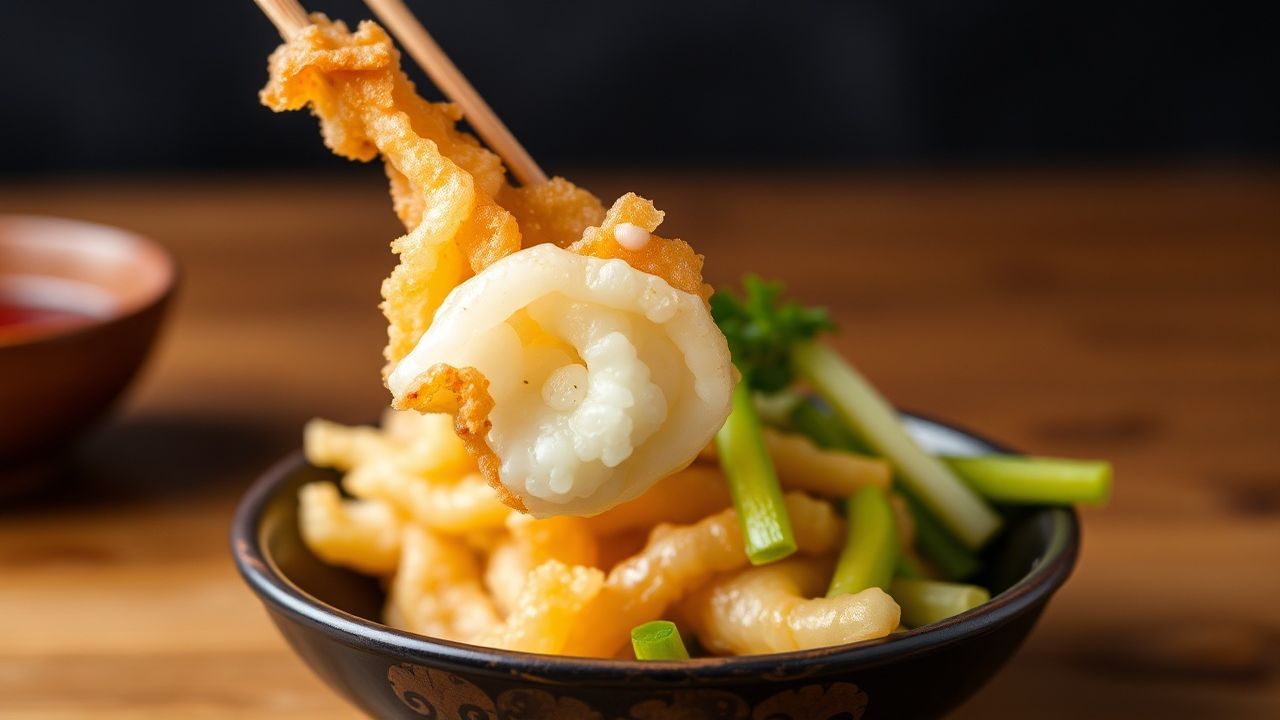
Imagine biting into a piece of tempura: a delicate, crackling shell gives way to a tender interior. The texture comes from controlled chemistry—cold batter, starch behavior, and precise frying create that airy crisp.

Contents
  • Origins and the scientific frame
  • Prep and Cook Time
  • Yield and Difficulty
  • Ingredients
  • Why flour choice matters
  • Instructions
  • Tips for Success
  • Heat and Safety
  • Serving Suggestions
  • Nutritional Snapshot
  • Further Reading
  • FAQ
    • How does batter temperature affect crispness?
    • Can I replace wheat flour entirely?
    • What is the ideal oil temperature range?
    • Why does my tempura become soggy after a few minutes?
    • How can I reduce oil absorption?
  • Key textures come from limiting gluten and promoting starch gelatinization.
  • Temperature control prevents oil uptake and burns.
  • Cold, bubbly batter yields the lightest, most brittle crust.
  • Drain and rest on a rack to preserve crunch.

Origins and the scientific frame

Tempura traces to 16th-century Japanese cookery and Iberian frying influence; the technique evolved into its current delicate form. For historical context, see tempura history.

Scientifically, tempura relies on rapid water evaporation, starch gelatinization, and minimal gluten formation. These mechanisms act together during rapid deep-frying to produce a fragile, brittle crust.

- Advertisement -

Prep and Cook Time

Preparation and timing matter because the batter’s temperature and the oil’s heat determine texture. Work in small, controlled batches so oil temperature recovers quickly between fries.

The following times reflect a standard home setup and moderate pieces. Commercial kitchens can often halve the cook time with larger oil baths and consistent throughput.

  • Preparation: 15 minutes
  • Cooking: 10 minutes
  • Total Time: 25 minutes

Yield and Difficulty

This recipe yields a reliable small-plate portion for four diners as an appetizer or side. The technique rates medium: the ingredients stay simple, but the process requires temperature discipline.

- Advertisement -

Practice improves timing and batter feel. Use a thermometer and a wire rack to reproduce results consistently.

Ingredients

Choose ingredients that favor low gluten and quick gelatinization. Typical swaps—cake flour, rice flour, or cornstarch—change protein and starch behavior.

For starch behavior reference, consult cornstarch properties and compare with wheat-based flours to understand gelatinization speed.

- Advertisement -
  • 3/4 cup cake flour, sifted (low-protein option)
  • 1/4 cup cornstarch (adds crispness)
  • 1 large egg, lightly beaten
  • 1 cup ice-cold sparkling water (keeps batter cold and bubbly)
  • Vegetables and seafood of choice: sweet potato, shrimp, mushrooms
  • Vegetable oil with a high smoke point (canola, sunflower, or rice bran)
  • Salt for finishing

Why flour choice matters

Flour protein governs gluten formation. Lower protein flours reduce network formation and keep coatings tender rather than elastic. For background, read about gluten.

Starch additions—cornstarch or rice flour—gelatinize quickly, forming a brittle matrix that resists oil absorption. Combine flour and starch for an optimal balance of structure and lightness.

Instructions

Follow a disciplined sequence: dry ingredients, cold liquid, limited mixing, and fast frying. Each step preserves the microstructure that yields crispness.

Work methodically and keep batter chilled until the moment you dunk the items into oil. Use a thermometer to maintain a steady frying temperature.

  1. Prepare the pieces: Pat produce and seafood dry. Excess surface moisture converts to steam and can break the crust.
  2. Combine dry ingredients: Sift cake flour and cornstarch into a chilled bowl.
  3. Add egg and cold water: Add beaten egg, then pour in ice-cold sparkling water. Stir briefly; a few lumps are fine. Avoid overmixing to prevent gluten development.
  4. Heat oil: Bring oil to a steady 350°F (175°C). Use a wide pot for stable temperatures; hot oil must recover between batches to prevent greasiness.
  5. Coat and fry: Dredge items lightly into batter, let excess drip, then lower carefully into oil in small batches. Fry 2–3 minutes until pale gold.
  6. Drain and rest: Transfer to a wire rack to drain; resting briefly allows steam to exit, locking in crispness.

For related techniques and troubleshooting, see our internal guides on Ultimate Guide to Frying and specific deep-fry techniques.

Tips for Success

Small adjustments produce large improvements. Keep the batter cold, limit mixing, and maintain oil temperature between 170–180°C for optimal puffing and minimal oil uptake.

Use a wire rack instead of paper towels to avoid trapped steam and softened crust. Always fry in small batches to keep the oil temperature consistent.

  • Use sparkling water: Bubbles create micro-voids that make the crust lighter.
  • Mix briefly: Lumps in batter reduce surface area for gluten to form.
  • Control oil temperature: Rapid evaporation creates a crisp shell without overcooking inside.

[LET’S LEAVE A SEPARATION PARAGRAPH HERE BEFORE THE EXPERT TIP]

Season immediately after frying with flaky salt to accent the fragile crust. Serve the pieces while they still crackle; crispness drops as they cool fully.

[NOTE: The next block is the mandatory expert tip; it is not adjacent to the WARNING block.]

💡 Expert Insight
Expert Insight: Chill the mixing bowl and even the flour on ice before combining with liquid. Colder batter increases steam generation on contact with hot oil, producing a more open, brittle structure. Use a wide, shallow pot for even heat distribution and faster oil recovery between batches.

Apply the tip across two or three practice runs to feel how batter viscosity and temperature change outcomes. Small shifts in water temperature or oil heat show up immediately in the crust.

Heat and Safety

Frying involves hazards: hot oil can cause severe burns and fires. Use a reliable thermometer and never leave hot oil unattended.

Keep a lid nearby to smother a grease fire, and use a deep, heavy pot to reduce splashing. If oil smokes, discard and start fresh to avoid off-flavors and health risks.

⚠️ Pro-Caution
Pro-Caution: Never add water to a grease fire. Remove the pan from heat if safe, cover the surface with a metal lid to extinguish flames, and call emergency services for uncontrolled fires. Use caution when lowering wet items into hot oil to prevent violent splatter.

After frying, cool oil completely before straining and storing. Discard oil that smells off or shows excessive foaming during reuse.

Serving Suggestions

Serve tempura with a classic tentsuyu dip made from dashi, soy sauce, and mirin for balanced umami and acidity. For background on dashi, refer to dashi.

Garnish with grated daikon and a lemon wedge for freshness. Pair tempura with steamed rice or a light salad to balance the fried textures.

Nutritional Snapshot

Portion control matters. A standard serving of tempura ranges 200–300 kcal depending on oil retention and fillings.

Use lean fillings and drain well to reduce per-serving fat. Frequent practice yields crisper results with less oil uptake.

Nutrient Per Serving
Calories 220 kcal
Protein 8 g
Carbohydrates 18 g
Fat 12 g

Further Reading

For scientific background on frying and heat transfer, consult technical overviews of deep frying. These sources explain oil behavior and heat flow in batter-covered foods.

Practice, measurement, and curiosity produce consistent results. Combine methodical technique with the pointers above to convert theory into repeatable, restaurant-quality tempura.

FAQ

How does batter temperature affect crispness?

Cold batter delays gluten formation and increases steam generation on contact with hot oil. The rapid phase change creates pockets that keep the crust airy and brittle.

Can I replace wheat flour entirely?

Yes. Rice flour or a rice flour blend produces a very light crust. However, blends with some wheat or cornstarch balance texture and adhesion for larger items.

What is the ideal oil temperature range?

Maintain 170–180°C (340–355°F) for most tempura tasks. This range vaporizes water quickly without overbrowning the thin coating.

Why does my tempura become soggy after a few minutes?

Soggy tempura usually stems from trapped steam when pieces rest on paper towels or from oil temperature collapse. Use a wire rack and fry in small batches.

How can I reduce oil absorption?

Keep batter thin, keep oil hot, and avoid overcrowding. Starch-rich batters also resist oil uptake once properly gelatinized.

Mastering tempura requires precision, disciplined mixing, and consistent heat. Apply these steps and measurements to produce crisp, airy tempura with predictable results.

See also: Tempura

Cracking the Code: 7 Practical Food Safety Steps for Skeptics
Unlocking Flavor: 7 Pro Techniques for Confit Cooking
7 Proven Flavor Pairing Principles That Unlock Taste
5 Simple Steps to Perfectly Baked Fish Fillets: Healthy & Flaky
Tangy Traditions: 7 Proven Steps to Make Authentic Salvadoran Curtido
TAGGED:andCold battercrispCrispy tempuraLow gluten flourOil temperaturestarch gelatinizationtempuraTempura batterTempura techniquetheunlocking
Share This Article
Facebook Pinterest Whatsapp Whatsapp LinkedIn Telegram Threads
What do you think?
Love1
Sad0
Happy1
Sleepy0
Angry0
Dead0
Wink0
Previous Article - Perfectly Crisp: Secrets to Avoid a Soggy Pie Crust Bottom Perfectly Crisp: 9 Expert Secrets to Avoid a Soggy Pie Crust Bottom
Next Article - The Mystique of Smoke Rings: How Vortices Take Shape 7 Expert Secrets: The Mystique of Smoke Rings and How Vortices Take Shape
Creamy Garlic Chicken with melted Parmesan and fresh herbs on a rustic white plate
Garlic Chicken: 7 Ultimate Brilliant Recipes to Make the Best-Ever Creamy Garlic Chicken with Parmesan & Fresh Herbs
Extra Picks
Colorful bowls of Leftover Couscous transformed into salads, fritters, and stuffed peppers.
12 Amazing Practical Leftover Couscous Ideas: Brilliant Ways to Reuse and Remix
Uncategorized
Colorful jars of spice blends beside steaming couscous with herbs and lemon
7 Ultimate spice blends That Transform Your Couscous — Amazing Best Flavor Boosts
Uncategorized
Bowls of gluten-free couscous alternatives: quinoa, millet, cauliflower, and rice
10 Amazing couscous alternatives: Best Gluten-Free Swaps for Incredible Flavor
Uncategorized

Tags

and art baked baking science baking techniques Baking tips batch cooking beef behind butternut squash caramelization cast iron skillet chemistry chicken comfort food Cooking science cooking technique Cooking techniques Cooking tips crafting creamy creamy soup crispy culinary science fish flavor flavor chemistry food food safety Food science for garlic golden Ground turkey hearty heat high-heat cooking high protein meals how instant read thermometer lactic acid bacteria Lean protein magic Maillard reaction make ahead meals make ahead soup mastering meal prep Meal prep recipes meat thermometer microwave microwave cooking moisture control one pot meals Pan searing perfect perfectly Plant based protein Probe thermometer protein denaturation Quick dinners roasted roasted squash roasted tomato soup Roasted vegetables Roasting techniques savor savory science Searing technique Searing techniques secrets slow cooking squash steak steak cooking sweet temperature control the top turkey turkey soup turkey stew ultimate umami cooking umami flavor unlock unlocking unveiling vegetable velvety weeknight dinner Weeknight dinners weeknight meals what when why with your zesty
March 2026
M T W T F S S
 1
2345678
9101112131415
16171819202122
23242526272829
3031  
« Feb    

You Might Also Like

Hearty Roasted Vegetable Chili: A Flavor-Packed Comfort Bowl
Extra Picks

7 Bold Steps to Hearty Roasted Vegetable Chili: A Flavor-Packed Comfort Bowl

William J. Kroll
William J. Kroll
February 13, 2026
Chia Seed Pudding: A Nutritious Delight in Every Bite
Extra Picks

Chia Seed Pudding: 7 Proven Ways to Make It Creamy & Nutritious

William J. Kroll
William J. Kroll
December 21, 2025
Mastering the Magic: The Science Behind Reverse Searing Steak
Searing & Grilling

Mastering Reverse Searing: 7 Expert Steps for Perfect Steak

William J. Kroll
William J. Kroll
December 19, 2025
Unlocking Safety: What Is the FDA Food Code?
5-Second Rule

Unlocking Safety: 7 Essential Facts About the FDA Food Code

William J. Kroll
William J. Kroll
January 12, 2026
Soulful Sips: The Art of Roasted Tomato Soup Unveiled
Extra Picks

Soulful Sips: 7 Pro Secrets to Roasted Tomato Soup Mastery

William J. Kroll
William J. Kroll
February 13, 2026
Layers of Flavor: The Ultimate Roasted Vegetable Lasagna Guide
Extra Picks

7 Layers of Flavor: The Ultimate Roasted Vegetable Lasagna Guide

William J. Kroll
William J. Kroll
February 10, 2026
Follow US
By Fimaw.com © All Rights Reserved.
  • Advertising Policy: 10 Practical Rules for Safe, Compliant Ads
  • Contact Us
  • Cookie Policy: Clear Guide for Site Owners
  • Copyright Notice Guide: 7 Essential Rules for Website Owners
  • Disclaimer
  • Privacy Policy
  • Terms of Service
Welcome Back!

Sign in to your account

Username or Email Address
Password

Lost your password?