

Umami sits at the center of savory cooking. It gives dishes lasting depth and a satisfying mouthfeel that keeps people coming back for another bite.
- Umami increases perceived richness and rounds flavors without adding fat.
- Simple techniques—roasting, fermentation, reduction—concentrate natural glutamates.
- Small additions like aged cheese or miso layer complexity without overpowering a dish.
- Balance with acid, bitter, and sweet notes to avoid monotony.
What is Umami?
Umami describes a savory taste that complements sweet, salty, sour, and bitter. It arises from amino acids and nucleotides, most notably glutamate and inosinate, which stimulate specific taste receptors.
Researchers first named umami in the early 20th century. For a concise scientific overview, consult the umami entry. For the chemistry behind the taste, see glutamic acid.
Key Umami Ingredients
Culinary professionals use a short list of ingredients to supply and amplify umami. These ingredients deliver glutamates, nucleotides, or Maillard-derived compounds.
Common pantry umami sources include aged cheeses, fermented pastes, cured meats, dried mushrooms, tomatoes, and concentrated stocks. Many of these rely on controlled microbial or enzymatic processes such as fermentation to increase free glutamate.
- Parmesan rind – melts into stocks for immediate savory depth.
- Miso/soy sauce – fermented umami boosters with salty complexity.
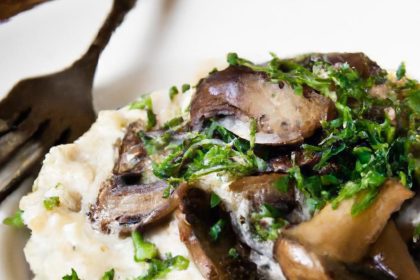
- Dried shiitake – powdered or rehydrated adds intense mushroom umami.
- Anchovies/bonito – small amounts add great synergy with vegetables and sauces.
Try layering a small spoon of miso into a vegetable stew and finish with a handful of grated aged cheese. Those tiny additions multiply perceived savoriness without masking the main ingredients.
Techniques to Unlock Umami
Technique matters more than mystery ingredients. The right method concentrates or liberates savory compounds so they register clearly on the palate.
Roasting & the Maillard Reaction
Roasting vegetables, meats, or bones produces Maillard reaction products that enhance savory aroma and taste. The browned surface contains complex molecules that taste richer than the raw starting points.
Deliberately dry-roast tomatoes or mushrooms to develop caramelized sugars and savory notes. For technical background, review the Maillard reaction.
Fermentation & Aged Ingredients
Fermentation breaks proteins into free amino acids and increases nucleotides that amplify umami. Fermented condiments pack intense, layered flavor in small quantities.
Use aged miso, fish sauce, or cured cheese sparingly, and add them stepwise while tasting. For technique guidance, explore a dedicated fermentation guide on the site: fermentation techniques.
Reductions, Stocks, and Concentration
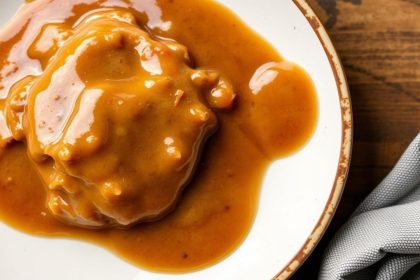
Simmering extracts soluble glutamates from bones, vegetables, and proteins into a concentrated stock. Reduced sauces deliver a potent savory backbone with a complex mouthfeel.
Make a concentrated umami stock by roasting bones and vegetables first, then simmering gently for several hours. If you prefer quick wins, keep a jar of reduced stock or demi-glace in the fridge for finishing a plate.
Practical Recipes and Measurements
Precise guidelines help you add umami without guessing. Below is a compact reference to common boosters and starter quantities for a 4-serving dish.
| Ingredient | Use | Starter Amount |
|---|---|---|
| Parmesan rind | Simmer in stock | 1 rind per 2 L simmer |
| Miso (red or brown) | Finish sauces | 1–2 tsp, taste and adjust |
| Dried shiitake powder | Season rubs or broths | 1 tsp per serving |
| Soy sauce | Season and deglaze | 1 tbsp per 4 servings |
These amounts act as starting points. Tasting and incremental adjustments remain critical because salt and acid interact with umami intensity.
Balancing Umami with Other Tastes
Umami intensifies other flavors, so balance becomes a simple arithmetic problem: add acid or bright herb to lift richness and prevent flatness. A touch of citrus or vinegar can sharpen a savory sauce.
Use bitter elements and texture contrast to keep the palate engaged—think charred broccoli, toasted seeds, or quick-pickled slivers. If you use commercial enhancers, understand their profile: for example, monosodium glutamate supplies glutamate nearly pure and mixes cleanly with acid and fat.
For practical technique walkthroughs and recipes, consult the internal recipe hub: umami stock recipe and the quick finishers page for plating tips.
Why Understanding Umami Improves Cooking
Professional cooks treat umami as a tool for economy: small quantities achieve large perceptual gains. That efficiency helps when scaling menus or optimizing nutrition without fat overload.
Knowing which ingredients provide glutamate or synergistic nucleotides lets you design dishes that taste fuller with fewer calories. Also, this knowledge reduces reliance on heavy seasoning and produces cleaner, more balanced plates.
FAQ
What foods naturally contain the most umami?
Aged cheeses, fermented condiments, cured fish, dried mushrooms, ripe tomatoes, and concentrated stocks top the list. These foods either contain free glutamate or produce it through aging and heat.
Can I get umami on a vegan diet?
Yes. Nutritional yeast, miso, soy sauce, dried mushrooms, and tomato paste provide robust vegan umami. Layer them to emulate the depth you get from animal-based stocks.
Is using MSG necessary to boost umami?
No. MSG is one efficient tool among many. Many cooks prefer natural sources like aged cheese or fermented pastes for flavor complexity, though MSG remains a valid, low-cost enhancer when used judiciously.
How do I avoid overdoing umami?
Add umami components incrementally and taste between additions. Balance with acid, salt reduction, or a bitter or crunchy element to preserve clarity in the dish.
Can umami reduce the need for added fat?
Yes. Proper umami concentration often gives the sensation of richness that mimics fat. Use concentrated stocks, roasted aromatics, and fermented boosters to lower fat while maintaining mouthfeel.
Put these techniques into practice: roast, reduce, ferment, and then balance. Over time, you will build an intuitive sense for how small additions change the whole dish.
See also: Umami