

Unlock protein secrets in gluten-free flours to control texture, rise, and flavor in breads and muffins. This practical guide explains how proteins from nuts, legumes, and grains behave and how to combine them for reliable results when baking gluten-free.
- Balance proteins and starches to control crumb and chew in gluten-free bakes.
- Use binders wisely to recreate elasticity lost without gluten.
- Adjust hydration because absorption varies widely across gluten-free flours.
- Test blends in small batches before scaling a gluten-free recipe.
Unlocking Protein Secrets in Gluten-Free Flours
Protein defines structure and mouthfeel in wheat-free baking. In gluten-free mixes, proteins do not form a single elastic network; instead, they bind water, interact with fats, and gel under heat to hold crumb together.
Understanding these behaviors lets you select flours that complement each other. For background on the elastic protein in wheat, see gluten.
Key Ingredients and Protein Roles
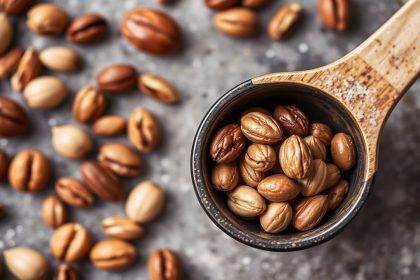
Nut flours bring oil and protein, which add richness and tenderize crumb. Almonds, for example, contribute fat and a denser crumb when used in gluten-free baking.
Legume flours such as pea or chickpea provide concentrated protein and distinct binding properties. For more on legumes and pea composition, see pea.
Starches and Their Function
Starches supply the bulk and lightness missing from protein-rich flours. Tapioca and rice starch improve chew and suspension of batter in gluten-free formulas.
To compare starch properties, review resources on rice and tapioca. See rice and tapioca for technical background.
Recipe: Protein-Enriched Gluten-Free Muffins
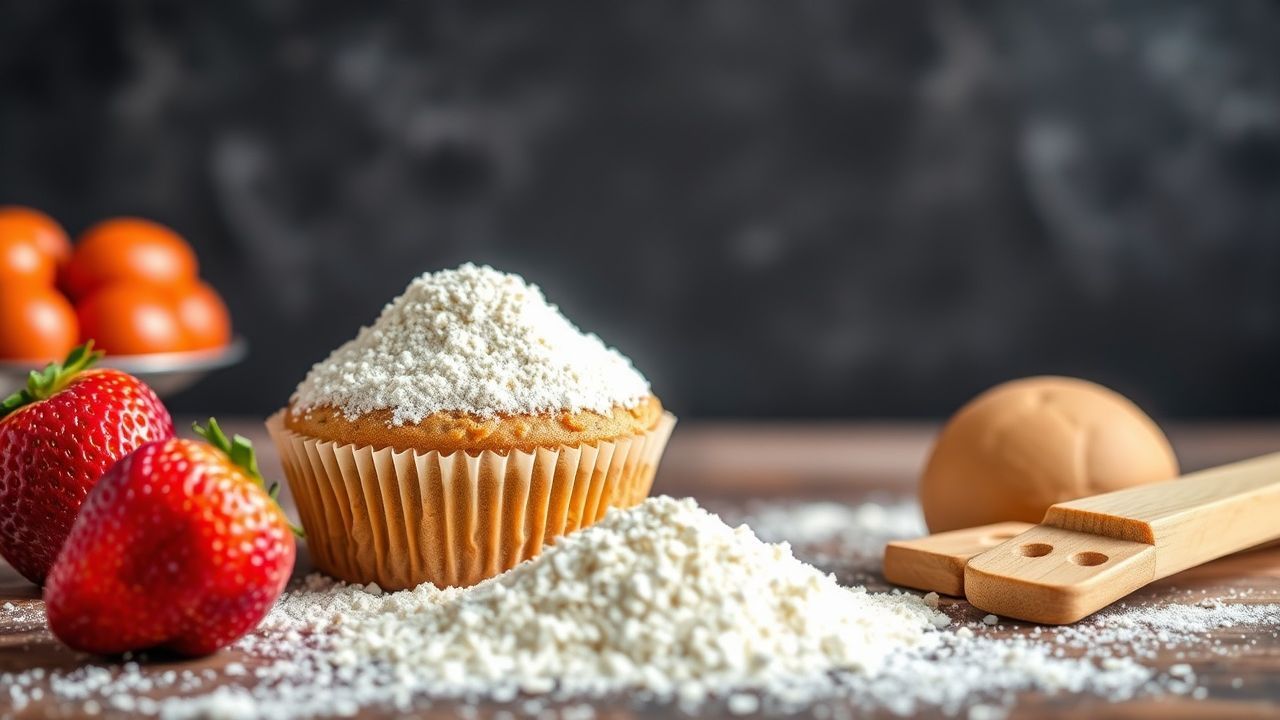
These gluten-free muffins show how to balance protein-rich flours with starches for a moist, stable crumb. Measure hydration precisely and adjust by tablespoon to suit your flour blend.
Use the recipe as a template and swap small proportions of flours to test texture changes. Keep a baking log when experimenting with gluten-free protein levels.
Prep and Timing
Preparation: 15 minutes. Baking: 25–30 minutes. Total: 40–45 minutes. Preheat oven to 350°F (175°C) and prepare tins.
Check muffins at 20 minutes. A clean toothpick or a few moist crumbs indicates doneness. Loaves require slightly longer baking.
Ingredients
- 1 cup brown rice flour (neutral flavor, moderate protein)
- 1/2 cup almond flour (adds protein and healthy fats)
- 1/4 cup tapioca starch (improves chew and binding)
- 1/4 cup pea protein isolate (concentrated protein for structure)
- 2 tsp baking powder (gluten-free)
- 1/2 tsp baking soda
- 1/2 tsp xanthan gum (or psyllium/flax alternatives)
- 1/4 tsp fine sea salt
- 2 large eggs (bind and add protein)
- 1/2 cup plain Greek yogurt (protein-rich for tenderness)
- 1/3 cup pure maple syrup
- 1/4 cup melted coconut oil (moisture)
- 1 tsp vanilla extract
- Optional: 1/2 cup berries or chopped nuts
Instructions
- Combine dry: Whisk brown rice flour, almond flour, tapioca starch, pea protein, baking powder, baking soda, xanthan gum, and salt in a large bowl.
- Mix wet: Beat eggs, then add Greek yogurt, maple syrup, melted coconut oil, and vanilla. Stir until uniform.
- Fold: Pour wet into dry and fold gently. Avoid overmixing to prevent toughness in gluten-free batters.
- Add mix-ins: Fold in berries or nuts if using, keeping batter balanced for even rise.
- Portion and bake: Spoon into prepared tins. Bake muffins 20–25 minutes; loaf 30–35 minutes. Cool 10 minutes in pan, then finish on a rack.
Chef’s Notes and Practical Tips
Protein synergy: Combining nut flours with legume protein often improves crumb stability. One ingredient supplies moisture while another supplies structure in gluten-free bakes.
Adjust liquids: gluten-free flours absorb water at different rates. If batter seems stiff, add 1 tablespoon of liquid at a time until you reach the desired consistency.
Texture tuning: For a chewier crumb, increase tapioca starch by 1–2 tablespoons and reduce rice flour accordingly. For crumblier cookies, raise almond flour proportion slightly.
Swap binders: if you prefer not to use xanthan, use 1 tablespoon ground flax plus 3 tablespoons water or psyllium husk at 1:1 to mimic elasticity in gluten-free bread dough.
Record temperature, humidity, and brand names when testing. These variables change water absorption in gluten-free mixes significantly.
When serving multiple diets, consider separate prep areas and clearly labeled packaging for gluten-free and allergen-safe items.
Safety and Allergen Notes
Label ingredients clearly and list legume sources such as pea or chickpea protein. Consumers with legume sensitivity need clear warnings on gluten-free products using those flours.
For large-scale production, validate suppliers and check certificates of analysis to confirm absence of gluten contamination. Food-safety controls matter when marketing gluten-free items.
Serving Suggestions
Serve muffins warm with a smear of nut butter or cultured butter for added protein and flavor. A light honey drizzle complements nutty notes without overwhelming the crumb.
Freeze baked muffins up to one month and rewarm at low heat to restore texture. Toast leftover slices briefly for improved mouthfeel in gluten-free breads.
Nutrition Snapshot
These muffins deliver roughly 6 g protein per muffin with balanced fats and carbohydrates. Add-ins and portion size will shift macronutrient totals modestly.
Adjust recipe macros by swapping Greek yogurt for plant-based yogurt to reduce dairy, or raise pea protein to increase per-serving protein in gluten-free baking.
Testing and Scaling Gluten-Free Blends
Small-batch testing reduces waste and speeds learning when you adjust protein ratios. Make trial muffins or rolls and keep side-by-side notes on crumb, rise, and chew.
Use controlled swaps: change one variable at a time so that you can attribute results to a single ingredient. For instance, replace 10% of rice flour with almond flour and observe hydration changes in gluten-free dough.
Common Failures and Fixes
Dense crumb: often caused by too much protein or under-leavening. Fix by increasing starch ratio or adding 1/4 tsp more baking powder per cup of flour blend.
Gummy interior: usually from excess liquid or too much fine protein powder. Reduce liquid slightly and test again. Also check bake time and oven calibration for gluten-free items.
FAQ
What role does protein play in gluten-free baking?
Protein helps form structure and retain moisture. In gluten-free baking, proteins bind water and interact with starches rather than forming elastic gluten networks.
Which flours give the most structure?
Legume flours and nut flours provide structure through concentrated protein and fat. Combining these with starchy flours creates a balanced crumb for quick breads and cakes.
How do I replace xanthan gum?
Use 1 tablespoon ground flaxseed plus 3 tablespoons water for each tablespoon of xanthan, or use psyllium husk at roughly equal weight for bread-like elasticity in gluten-free dough.
Can I use only one flour for all recipes?
Single-flour formulas can work but often limit texture variety. Blending allows you to manage density, chew, and rise with much greater control in gluten-free baking.
How should I experiment with protein levels?
Test in 10–20% increments. Replace a portion of the base flour with a protein-rich flour and document hydration and bake differences. Keep batches small to limit waste.
See also: For technical background, consult entries on gluten, almond, and pea.
See also: gluten-free