By using this site, you agree to the Privacy Policy and Terms of Use.
Accept
CookOrBitCookOrBitCookOrBit
  • Home
  • About Us
  • Ingredient Science
    • Flavor & Aroma
    • Protein Chemistry
    • Sugar & Starch
    • Fats & Emulsions
  • Cooking Techniques
    • Searing & Grilling
    • Baking & Roasting
    • Boiling & Steaming
    • Low & Slow
  • Kitchen Experiments
    • DIY Ferments
    • Flavor Tests
    • Gadget Testing
    • Molecular Gastronomy
  • Food Myths
    • Searing Myth
    • 5-Second Rule
    • MSG Myths
    • Microwave Myths
  • Tools
  • More
    • Extra Picks
    • Quick & Easy
      • Breakfast Ideas
      • Desserts
      • Snacks
      • Soups
    • Global Flavors
      • Asian Street Eats
      • Latin Comforts
      • Mexican Flavors
      • Modern Mediterranean
CookOrBitCookOrBit
  • Home
  • About Us
  • Ingredient Science
  • Cooking Techniques
  • Kitchen Experiments
  • Food Myths
  • Tools
  • More
Search
  • Home
  • About Us
  • Ingredient Science
    • Flavor & Aroma
    • Protein Chemistry
    • Sugar & Starch
    • Fats & Emulsions
  • Cooking Techniques
    • Searing & Grilling
    • Baking & Roasting
    • Boiling & Steaming
    • Low & Slow
  • Kitchen Experiments
    • DIY Ferments
    • Flavor Tests
    • Gadget Testing
    • Molecular Gastronomy
  • Food Myths
    • Searing Myth
    • 5-Second Rule
    • MSG Myths
    • Microwave Myths
  • Tools
  • More
    • Extra Picks
    • Quick & Easy
    • Global Flavors
Follow US
  • Advertising Policy: 10 Practical Rules for Safe, Compliant Ads
  • Contact Us
  • Cookie Policy: Clear Guide for Site Owners
  • Copyright Notice Guide: 7 Essential Rules for Website Owners
  • Disclaimer
  • Privacy Policy
  • Terms of Service
By Fimaw.com
- Pepper's Fiery Secret: Unlocking Piperine's Chemistry
CookOrBit > Blog > Ingredient Science > Flavor & Aroma > 7 Revealing Facts About Piperine: The Chemistry Behind Pepper’s Heat
Flavor & Aroma

7 Revealing Facts About Piperine: The Chemistry Behind Pepper’s Heat

William J. Kroll
By William J. Kroll
Published: September 30, 2025
Share
SHARE

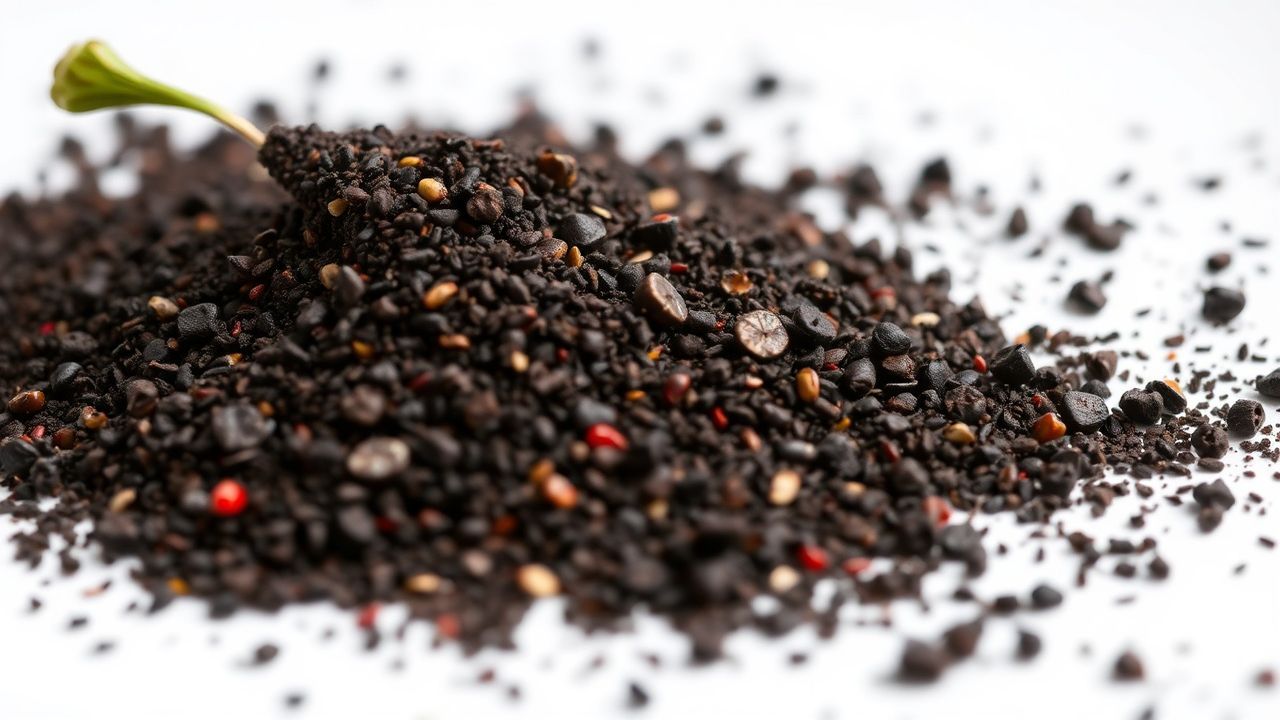
Piperine gives black pepper its familiar bite and shapes how we taste many dishes. Chemically, it stands out as a small alkaloid with outsized sensory and physiological effects. Scientists and chefs study it for flavor, nutrient absorption, and potential pharmaceutical uses.

Contents
  • What Piperine Is: Basic Chemistry and Origins
    • Physical and chemical profile
  • How Piperine Produces the Peppery ‘Heat’
    • Comparison with capsaicin
  • Piperine’s Role in Nutrition and Pharmacology
    • Practical implications
  • Cooking with Piperine: Timing, Technique, and Storage
    • When to add pepper
  • Signature Recipe: Peppercorn Citrus Chicken
    • Method
  • Chef’s Notes and Serving Suggestions
  • Nutrition Snapshot
  • FAQ
    • What exactly is piperine and where does it come from?
    • How does piperine change nutrient absorption?
    • Is piperine the same as capsaicin?
    • How do I keep pepper fresh and potent?
    • Are there medical risks from dietary piperine?
  • Piperine is the primary pungent molecule in black pepper and a member of the alkaloid family.
  • Piperine activates sensory channels that produce a perceived heat without raising temperature.
  • It boosts absorption of certain nutrients and modifies drug metabolism by inhibiting enzymes and transporters.
  • Cooking techniques—fresh grinding and light toasting—preserve and concentrate piperine’s aroma and potency.

What Piperine Is: Basic Chemistry and Origins

Piperine is an organic alkaloid with the molecular formula C17H19NO3. It occurs mainly in the outer layer of Piper nigrum fruit, the source of black pepper.

The molecule forms part of a broader class of plant secondary metabolites called alkaloids. For a formal reference on alkaloids, see alkaloid chemistry. The history of piperine research dates back to early 19th-century chemists such as Hans Christian Ørsted, who first isolated the compound in 1819.

- Advertisement -

Physical and chemical profile

Piperine appears as a crystalline solid with a moderately low melting point and a specific aromatic profile. Its structure contains a piperidine ring connected to a substituted benzodioxole, which enables its interaction with biological targets.

The molecule dissolves in organic solvents and retains volatile aromatic oils that deliver pepper’s signature scent. For more on the botanical source, consult peppercorn.

How Piperine Produces the Peppery ‘Heat’

Piperine does not burn tissue; instead, it activates chemosensory receptors on sensory neurons. The principal receptor involved is TRPV1, a heat- and pain-sensitive ion channel.

- Advertisement -

When piperine binds TRPV1, the channel opens briefly, allowing cations to flow and sending a signal the brain interprets as heat. Learn more about this receptor at TRPV1 on Wikipedia.

Comparison with capsaicin

Piperine and capsaicin both stimulate TRPV1, but their binding affinities and sensory profiles differ. Capsaicin, from chili peppers, generates a longer-lasting burn; piperine creates a sharp, aromatic bite that fades more quickly.

This difference explains why black pepper can feel potent yet remains more versatile across cuisines and preparations.

- Advertisement -

Piperine’s Role in Nutrition and Pharmacology

Piperine acts on more than taste. It alters absorption and metabolism of certain nutrients and xenobiotics, which scientists call bioavailability enhancement.

Mechanistically, piperine inhibits specific metabolic enzymes and membrane transporters in the gut and liver, including members of the cytochrome P450 family and efflux proteins such as P-glycoprotein. By doing so, it slows the breakdown or export of co-administered compounds and increases their plasma exposure.

Practical implications

Combining piperine with some vitamins or herbal compounds can elevate their effectiveness at lower doses. For example, piperine has been widely studied for its effect on curcumin absorption.

However, enzyme inhibition also raises concern: piperine can alter the pharmacokinetics of prescription drugs. Always consult a healthcare professional when combining concentrated piperine extracts with medications.

💡 Expert Insight
Expert Insight: Use freshly ground pepper to maximize piperine’s aromatic oils. Grind whole peppercorns moments before cooking and lightly toast them to boost volatile compounds without burning.

Cooking with Piperine: Timing, Technique, and Storage

Preserving piperine’s sensory power depends on handling. Whole peppercorns retain volatile oils far longer than pre-ground pepper.

Toast whole peppercorns in a dry pan for 15–30 seconds until they become fragrant; this warms the oils and deepens flavor. Then crack or grind immediately for best results.

When to add pepper

Add freshly ground pepper close to service for maximum aroma. Extended high-heat exposure can dissipate volatile notes, though a brief sear that presses pepper into meat creates a flavorful crust.

For sauces, add a final grind at the end to lift the aroma. For marinades, coarse cracked pepper works well because prolonged contact extracts complex flavors without flattening piperine’s bite.

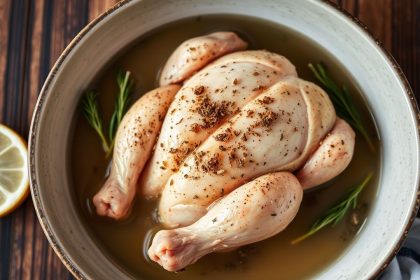
Signature Recipe: Peppercorn Citrus Chicken

This preparation showcases piperine’s bright, warming qualities against citrus. Use boneless, evenly-thick chicken to guarantee uniform cooking and a clean pan-sear.

Ingredients: 4 boneless skinless chicken breasts; 2 tbsp freshly cracked black peppercorns; 1 tsp sea salt; 2 tbsp olive oil; 3 garlic cloves minced; 1 tbsp fresh thyme; 1/2 cup fresh orange juice; 1 tbsp lemon zest; 1/4 cup chicken broth; 1 tbsp butter; chopped parsley to garnish.

Method

Season chicken with salt and press cracked pepper into the surface so the grains form a crust. Heat oil in a heavy skillet over medium-high heat and brown chicken 5–6 minutes per side until golden.

Remove chicken; reduce heat to medium. Sauté garlic and thyme for about a minute. Deglaze with orange juice and broth, scraping up fond. Simmer 3–4 minutes, add lemon zest, then swirl in butter to finish the sauce.

Return chicken to the pan, baste with sauce, and simmer 2–3 minutes to meld flavors. Plate with a spoonful of sauce and parsley garnish. Serve with jasmine rice or roasted root vegetables.

Chef’s Notes and Serving Suggestions

For a deeper piperine profile, toast whole peppercorns until fragrant before cracking. Use coarse cracks for texture and a pronounced bite.

Swap proteins easily: thick turkey cutlets or firm tofu adapt well. Reduce cooking time slightly for leaner meats and increase for denser proteins.

⚠️ Pro-Caution
Pro-Caution: Concentrated piperine extracts can interact with prescription medications by inhibiting drug-metabolizing enzymes. Patients on narrow-therapeutic-index drugs or immunosuppressants should seek medical advice before using high-dose piperine supplements.

Nutrition Snapshot

This chicken preparation yields a protein-forward plate with moderate fat and minimal carbohydrates. A typical serving delivers approximately 320 kcal, 38 g protein, 14 g fat, and 6 g carbs, depending on portioning and sides.

Black pepper contributes negligible calories but enhances perceived flavor, which can reduce the need for added fats or sodium in many recipes.

FAQ

What exactly is piperine and where does it come from?

Piperine is the pungent alkaloid found mainly in the pericarp of Piper nigrum, commonly called black pepper. It represents the primary compound responsible for the spice’s heat and aroma.

How does piperine change nutrient absorption?

Piperine inhibits select metabolic enzymes and efflux transporters in the gut and liver, which can raise blood levels of co-ingested nutrients or drugs. This mechanism supports enhanced bioavailability under controlled conditions.

Is piperine the same as capsaicin?

No. Both molecules stimulate the TRPV1 receptor and create a perception of heat, but they differ structurally and in sensory profile. Capsaicin produces a longer-lasting burn typical of chiles; piperine produces a quicker, aromatic bite.

How do I keep pepper fresh and potent?

Store whole peppercorns in a cool, dry, airtight container away from heat and light. Grind immediately before use. Light toasting releases oils, but avoid burning to preserve nuanced aromatics.

Are there medical risks from dietary piperine?

At culinary doses, piperine is safe for most people. Concentrated supplements can affect medication levels and liver enzyme activity. Consult a clinician before taking high-dose piperine if you use prescription drugs.

For further reading on the molecular and historical context, explore these authoritative references on Wikipedia: Piperine, Peppercorn, and TRPV1.

See also: Piperine

Crispy Science: 7 Tested Starch Techniques for Perfect Frying
Master the 5-Second Rule: 7 Expert Home Testing Steps
Unlock Flavor: 7 Expert Scoring Tips for Perfect Roasted Chestnuts
Unlocking Flavor: 7 Science-Proven Secrets of Buttermilk Brines
Timeless Taste: 7 Proven Steps to Craft the Perfect Classic Veggie Lasagna
TAGGED:Alkaloid chemistryandBioavailability enhancementblack pepperchemistryfierynutrient absorptionpiperineSpice flavor sciencetheTRPV1 receptorunlocking
Share This Article
Facebook Pinterest Whatsapp Whatsapp LinkedIn Telegram Threads
What do you think?
Love0
Sad0
Happy0
Sleepy0
Angry0
Dead0
Wink0
Previous Article - Microwave Boiling Showdown: How Liquids React Differently Microwave Boiling Revealed: 7 Expert Ways Liquids Behave
Next Article - Resting Steak: What Happens When You Skip the Wait? 7 Powerful Reasons Resting Steak Boosts Juiciness (Don’t Rush Resting Steak)
Creamy Garlic Chicken with melted Parmesan and fresh herbs on a rustic white plate
Garlic Chicken: 7 Ultimate Brilliant Recipes to Make the Best-Ever Creamy Garlic Chicken with Parmesan & Fresh Herbs
Extra Picks
Colorful bowls of Leftover Couscous transformed into salads, fritters, and stuffed peppers.
12 Amazing Practical Leftover Couscous Ideas: Brilliant Ways to Reuse and Remix
Uncategorized
Colorful jars of spice blends beside steaming couscous with herbs and lemon
7 Ultimate spice blends That Transform Your Couscous — Amazing Best Flavor Boosts
Uncategorized
Bowls of gluten-free couscous alternatives: quinoa, millet, cauliflower, and rice
10 Amazing couscous alternatives: Best Gluten-Free Swaps for Incredible Flavor
Uncategorized

Tags

and art baked baking science baking techniques Baking tips batch cooking beef behind browning techniques butternut squash caramelization cast iron skillet chemistry chicken comfort food Cooking science cooking technique Cooking techniques Cooking tips crafting creamy creamy soup crispy culinary science fish flavor flavor chemistry food food safety Food science for garlic golden Ground turkey hearty heat high-heat cooking high protein meals how instant read thermometer Lean protein magic Maillard reaction make ahead meals make ahead soup mastering meal prep Meal prep recipes meat thermometer microwave microwave cooking moisture control one pot meals Pan searing perfect perfectly Plant based protein Probe thermometer protein denaturation Quick dinners roasted roasted squash roasted tomato soup Roasted vegetables Roasting techniques savor savory science Searing technique Searing techniques secrets slow cooking squash steak steak cooking sweet temperature control the top turkey turkey soup turkey stew ultimate umami cooking umami flavor unlock unlocking unveiling vegetable velvety weeknight dinner Weeknight dinners weeknight meals what when why with your zesty
April 2026
M T W T F S S
 12345
6789101112
13141516171819
20212223242526
27282930  
« Mar    

You Might Also Like

Crunchy Roasted Cauliflower Salad: A Flavor-Packed Delight
Extra Picks

7-Step Crunchy Roasted Cauliflower Salad: Flavor-Packed Delight

William J. Kroll
William J. Kroll
February 15, 2026
Savory Garlic Chicken Keto Recipe: Flavor Meets Low-Carb
Extra Picks

7-Step Savory Garlic Chicken Keto Recipe: Bold Low-Carb Flavor

William J. Kroll
William J. Kroll
December 19, 2025
- Chilling or Warming? Yogurt-Making at Varied Temps Explored
Gadget Testing

7 Proven Yogurt Temperature Ranges for Reliable Results

William J. Kroll
William J. Kroll
October 2, 2025
- Unlocking Flavor: The Art and Magic of Confit Cooking
Extra Picks

Unlocking Flavor: 7 Pro Techniques for Confit Cooking

William J. Kroll
William J. Kroll
October 2, 2025
The Science Behind the Perfect Microwave Sausage Sizzle
Microwave Myths

7 Proven Techniques for the Perfect Microwave Sausage Sizzle

William J. Kroll
William J. Kroll
November 19, 2025
- Unlocking the Heat: Understanding Convection in Grills
Searing & Grilling

7 Pro Secrets for Convection Grilling Mastery

William J. Kroll
William J. Kroll
November 16, 2025
Follow US
By Fimaw.com © All Rights Reserved.
  • Advertising Policy: 10 Practical Rules for Safe, Compliant Ads
  • Contact Us
  • Cookie Policy: Clear Guide for Site Owners
  • Copyright Notice Guide: 7 Essential Rules for Website Owners
  • Disclaimer
  • Privacy Policy
  • Terms of Service
Welcome Back!

Sign in to your account

Username or Email Address
Password

Lost your password?