
By using this site, you agree to the Privacy Policy and Terms of Use.
Accept
CookOrBitCookOrBitCookOrBit
  • Home
  • About Us
  • Ingredient Science
    • Flavor & Aroma
    • Protein Chemistry
    • Sugar & Starch
    • Fats & Emulsions
  • Cooking Techniques
    • Searing & Grilling
    • Baking & Roasting
    • Boiling & Steaming
    • Low & Slow
  • Kitchen Experiments
    • DIY Ferments
    • Flavor Tests
    • Gadget Testing
    • Molecular Gastronomy
  • Food Myths
    • Searing Myth
    • 5-Second Rule
    • MSG Myths
    • Microwave Myths
  • Tools
  • More
    • Extra Picks
    • Quick & Easy
      • Breakfast Ideas
      • Desserts
      • Snacks
      • Soups
    • Global Flavors
      • Asian Street Eats
      • Latin Comforts
      • Mexican Flavors
      • Modern Mediterranean
CookOrBitCookOrBit
  • Home
  • About Us
  • Ingredient Science
  • Cooking Techniques
  • Kitchen Experiments
  • Food Myths
  • Tools
  • More
Search
  • Home
  • About Us
  • Ingredient Science
    • Flavor & Aroma
    • Protein Chemistry
    • Sugar & Starch
    • Fats & Emulsions
  • Cooking Techniques
    • Searing & Grilling
    • Baking & Roasting
    • Boiling & Steaming
    • Low & Slow
  • Kitchen Experiments
    • DIY Ferments
    • Flavor Tests
    • Gadget Testing
    • Molecular Gastronomy
  • Food Myths
    • Searing Myth
    • 5-Second Rule
    • MSG Myths
    • Microwave Myths
  • Tools
  • More
    • Extra Picks
    • Quick & Easy
    • Global Flavors
Follow US
  • Advertising Policy: 10 Practical Rules for Safe, Compliant Ads
  • Contact Us
  • Cookie Policy: Clear Guide for Site Owners
  • Copyright Notice Guide: 7 Essential Rules for Website Owners
  • Disclaimer
  • Privacy Policy
  • Terms of Service
By Fimaw.com
- Unlocking the Magic of Double Boilers: The Bain-Marie Explai
CookOrBit > Blog > Cooking Techniques > Boiling & Steaming > Mastering the Bain-Marie: 7 Double-Boiler Techniques for Perfect Melting
Boiling & Steaming

Mastering the Bain-Marie: 7 Double-Boiler Techniques for Perfect Melting

William J. Kroll
By William J. Kroll
Published: October 3, 2025
Share
SHARE

The double boiler, commonly known as the bain-marie, delivers reliable, gentle heat for delicate cooking tasks. Chefs use it to melt chocolate, cook custards, and finish emulsified sauces without risking scorch or separation.

Contents
  • Overview: What a Bain-Marie Does and Why It Matters
  • How It Works: Physics and Practical Control
  • Equipment & Setup: Tools, Alternatives, and Best Practices
  • Classic Ganache Recipe: Ingredients and Step-by-Step
    • Ingredients for Classic Double Boiler Chocolate Ganache
    • Instructions
  • Temperature Control Techniques for Reliable Results
  • Chef’s Notes: Troubleshooting, Variations, and Storage
  • Serving Suggestions and Presentation
  • Common Uses Beyond Chocolate
  • Nutrition Snapshot
  • FAQ
    • What is the difference between a bain-marie and a regular double boiler?
    • Can I use any bowl for a bain-marie?
    • How do I prevent chocolate from seizing?
    • Is a bain-marie safe for eggs and custards?
    • Can I scale bain-marie techniques for large batches?
  • Gentle heat preserves texture: indirect steam prevents burning and seizing.
  • Consistent results: precise simmering keeps chocolates and custards smooth.
  • Low-tech, high-value: create a bain-marie with common kitchen equipment.
  • Safety first: control water level and avoid direct contact with flames.

Overview: What a Bain-Marie Does and Why It Matters

The bain-marie uses a lower vessel of simmering water to heat an upper bowl indirectly. This method stabilizes temperature and reduces thermal shock when compared with direct heat.

Chefs rely on this technique for sensitive preparations such as chocolate and custard, where small temperature swings cause grainy texture or broken emulsions. The approach improves consistency across batches and scales well from home to professional kitchens.

- Advertisement -

How It Works: Physics and Practical Control

The bain-marie transfers heat by steam and radiant energy, not by direct conduction. As a result, the upper bowl never sees the rapid temperature spikes that a pan over flame would produce.

Maintain a gentle simmer to keep the water temperature below boiling point and avoid steam splashes. For precision, monitor temperature with an accurate probe thermometer and adjust heat in small increments.

Equipment & Setup: Tools, Alternatives, and Best Practices

Use a wide, heatproof mixing bowl that nests over a saucepan without touching the water. A snug fit improves stability and concentrates the gentle heating effect where you need it.

- Advertisement -

If you lack a purpose-built double boiler, place a metal or glass bowl over a saucepan of simmering water; ensure the bowl is dry underneath. For professional settings, use a dedicated bain-marie pot to maintain even water distribution and ease of handling.

💡 Expert Insight
Expert Insight: Use a flat-bottomed, thin stainless-steel bowl for fast, even heat transfer when melting chocolate. The metal conducts heat evenly while the water barrier avoids overheating.

Classic Ganache Recipe: Ingredients and Step-by-Step

This simple ganache balances flavor, texture, and temperature for versatile use as a glaze, filling, or frosting. The proportions here work well for a glossy glaze or a whipped mousse once chilled and aerated.

Prep time: 5 minutes. Melt time: 10–20 minutes depending on batch size and heat control.

- Advertisement -

Ingredients for Classic Double Boiler Chocolate Ganache

  • 8 oz high-quality dark chocolate, chopped
  • 1 cup heavy cream
  • 1 tbsp unsalted butter, room temperature
  • Pinch of fine sea salt (optional)

Instructions

  1. Fill the bottom pot with about 2 inches of water and bring to a gentle simmer over medium-low heat.
  2. Place chopped chocolate in the upper bowl and set it over the simmering water. Make sure the bowl does not touch the water.
  3. Pour the warm cream into the chocolate and stir gently with a silicone spatula until smooth; expect roughly 10 minutes for full incorporation.
  4. Stir in the butter and salt, then remove from heat promptly to avoid overheating.
  5. Use the ganache warm as a glaze or cool and whip for fillings and frostings.

Temperature Control Techniques for Reliable Results

Control the water level, adjust flame in small steps, and stir frequently for an even melt. These small controls reduce the risk of chocolate seizing or eggs curdling in custards.

For reliable targets, keep chocolate melts below about 110°F (43°C). For egg-based custards, maintain a steady, low temperature and test curd set by gently coating a spoon.

Chef’s Notes: Troubleshooting, Variations, and Storage

If chocolate begins to seize, remove the bowl from heat and add a teaspoon of warm cream or neutral oil while stirring to re-emulsify. Recovering a broken emulsion requires patience and small additions of liquid.

For dairy-free alternatives, substitute coconut cream or a nut cream; the bain-marie preserves their smooth texture. Store leftover ganache in an airtight container and warm gently using the same method to re-melt without scorching.

⚠️ Pro-Caution
Pro-Caution: Never let the upper bowl touch simmering water; trapped water can splash into the mixture and cause grainy texture. Also, avoid steam burns by using oven mitts when handling hot bowls.

Serving Suggestions and Presentation

Use warm ganache to glaze cakes for a shiny, even finish, or cool and whip it to make a lighter filling. It pairs well with fresh berries, citrus accents, and toasted nuts for contrast in texture and brightness.

For elegant plating, spoon a warm ganache swoosh across the plate and top with a sprinkle of flaky salt. Small touches such as citrus zest or toasted seeds enhance both aroma and mouthfeel.
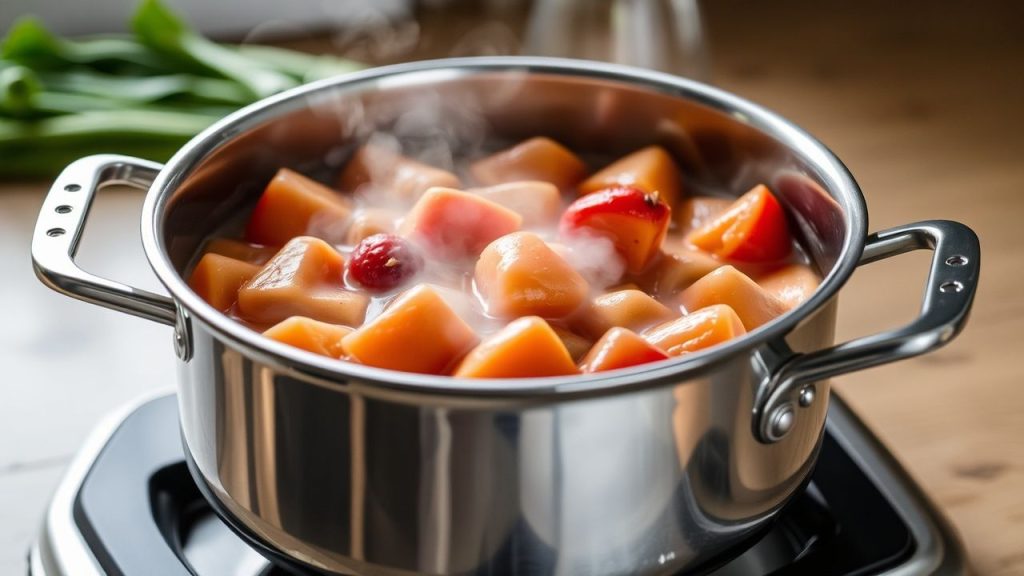
Double boiler melting chocolate

Common Uses Beyond Chocolate

The bain-marie also supports emulsified sauces like hollandaise, terrines, and gentle reheating of delicate foods. Its moist heat reduces the risk of overcooking and preserves delicate textures.

Professional kitchens use bain-marie units to keep soups and custards at holding temperatures safely. At home, a simple setup gives you the same control for many sensitive culinary tasks.

Explore related equipment and calibration techniques on our kitchen equipment page. For focused strategies on heat management, see our Temperature Control Guide for stovetop and oven methods.
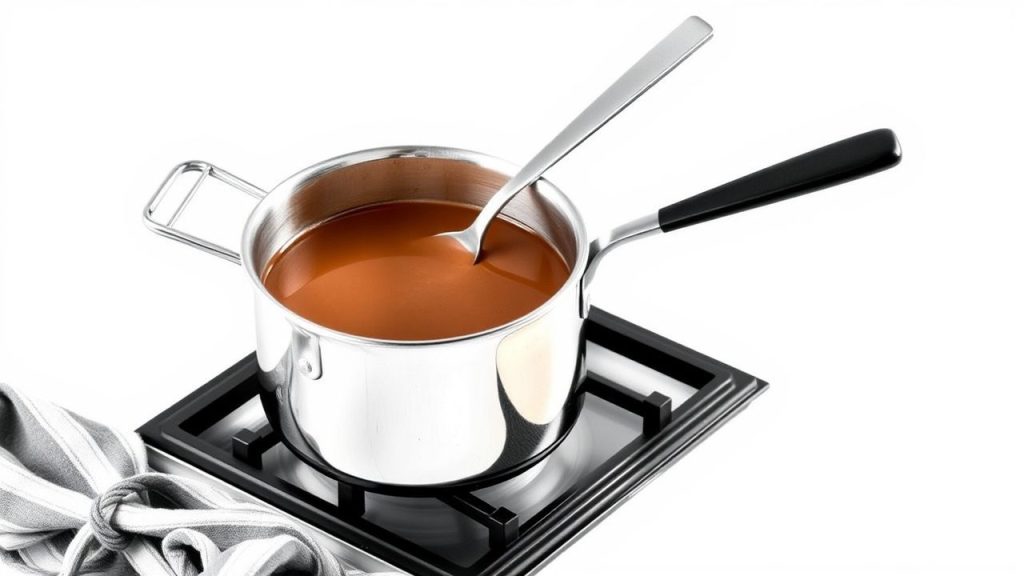
Bain-marie setup

Nutrition Snapshot

Per serving, a typical ganache portion contains approximately 250 kcal with modest protein and higher fat content due to chocolate and cream. Use portion control and flavor accents like fruit to balance richness.

For specific dietary adjustments, swap heavy cream for plant-based creams and choose chocolates with varied cacao percentages to change sugar and fat profiles.

FAQ

What is the difference between a bain-marie and a regular double boiler?

A bain-marie is the general technique of indirect moist heating; a double boiler is a common implementation. Both use water to moderate temperature but the terms sometimes overlap in culinary use.

Can I use any bowl for a bain-marie?

Use heatproof glass or stainless steel bowls that fit securely over the pot. Avoid plastic or thin materials that can deform or release unwanted compounds when heated.

How do I prevent chocolate from seizing?

Keep temperatures low, add warm cream gradually, and stir gently. If seizing occurs, remove from heat and add small amounts of liquid to re-establish a smooth emulsion.

Is a bain-marie safe for eggs and custards?

Yes. The bain-marie provides a stable, low-temperature environment ideal for gently cooking egg-based custards without curdling. Monitor temperature and stir gently to ensure even cooking.

Can I scale bain-marie techniques for large batches?

Scale by using larger, wider vessels and controlling water volume to maintain even heating. Commercial kitchens often use bain-marie units or circulating warm water baths for consistent results at scale.

See also: Bain-Marie

7 Scientific Secrets: How Dehydration Intensifies Flavor
Unlocking Flavor: 7 Science-Backed Secrets for Slow Cooking Tough Meat
7 Culinary Secrets: How Fat Preserves and Tenderizes Food
7 Soul-Warming Chicken Stew Secrets
Ultimate 7-Step Hearty Turkey Stew: Wholesome Comfort Meal
TAGGED:andbain mariechocolate ganachecustard cookingdouble boilerforkitchen safetymagicmelting chocolatetemperature controltheunlocking
Share This Article
Facebook Pinterest Whatsapp Whatsapp LinkedIn Telegram Threads
What do you think?
Love0
Sad0
Happy0
Sleepy0
Angry0
Dead0
Wink0
Previous Article - Mastering Thick Meat: Secrets to Even Roasting Perfection Mastering Thick Meat: 7 Pro Techniques for Even Roasting Perfection
Next Article - Unlocking the Perfect Brisket Bark: Tips for Flavor Bliss 7 Pro Steps to Unlock the Perfect Brisket Bark
Creamy Garlic Chicken with melted Parmesan and fresh herbs on a rustic white plate
Garlic Chicken: 7 Ultimate Brilliant Recipes to Make the Best-Ever Creamy Garlic Chicken with Parmesan & Fresh Herbs
Extra Picks
Colorful bowls of Leftover Couscous transformed into salads, fritters, and stuffed peppers.
12 Amazing Practical Leftover Couscous Ideas: Brilliant Ways to Reuse and Remix
Uncategorized
Colorful jars of spice blends beside steaming couscous with herbs and lemon
7 Ultimate spice blends That Transform Your Couscous — Amazing Best Flavor Boosts
Uncategorized
Bowls of gluten-free couscous alternatives: quinoa, millet, cauliflower, and rice
10 Amazing couscous alternatives: Best Gluten-Free Swaps for Incredible Flavor
Uncategorized

Tags

and art baked baking science baking techniques Baking tips batch cooking beef behind browning techniques butternut squash caramelization cast iron skillet chemistry chicken comfort food Cooking science cooking technique Cooking techniques Cooking tips crafting creamy creamy soup crispy culinary science fish flavor flavor chemistry food food safety Food science for garlic golden Ground turkey hearty heat high-heat cooking high protein meals how instant read thermometer Lean protein magic Maillard reaction make ahead meals make ahead soup mastering meal prep Meal prep recipes meat thermometer microwave microwave cooking moisture control one pot meals Pan searing perfect perfectly Plant based protein Probe thermometer protein denaturation Quick dinners roasted roasted squash roasted tomato soup Roasted vegetables Roasting techniques savor savory science Searing technique Searing techniques secrets slow cooking squash steak steak cooking sweet temperature control the top turkey turkey soup turkey stew ultimate umami cooking umami flavor unlock unlocking unveiling vegetable velvety weeknight dinner Weeknight dinners weeknight meals what when why with your zesty
April 2026
M T W T F S S
 12345
6789101112
13141516171819
20212223242526
27282930  
« Mar    

You Might Also Like

Why Is My Pie Crust Tough? Unraveling Kitchen Mysteries
Sugar & Starch

Why Is My Pie Crust Tough? 9 Pro Fixes for Flaky Results

William J. Kroll
William J. Kroll
February 16, 2026
Savor the Flavors: A Guide to Roasted Vegetable Pasta
Extra Picks

7 Expert Tips to Master Roasted Pasta with Vegetables

William J. Kroll
William J. Kroll
January 28, 2026
Warm Up with Zesty Roasted Carrot and Ginger Soup Delight
Extra Picks

7 Pro Tips for Zesty Roasted Carrot Soup with Ginger

William J. Kroll
William J. Kroll
February 2, 2026
Unlocking Flavor: The Science Behind Spatchcocked Chicken
Searing & Grilling

7 Proven Spatchcock Chicken Techniques

William J. Kroll
William J. Kroll
January 12, 2026
Unlocking Meat Secrets: Protein Structures of Various Cuts
Protein Chemistry

Meat Protein Mastery: 7 Essential Protein Structures of Cuts

William J. Kroll
William J. Kroll
November 19, 2025
Picnic Chemistry: Safely Blending Fun with Food Science
5-Second Rule

7 Essential Picnic Chemistry Tips to Safely Blend Fun with Food Science

William J. Kroll
William J. Kroll
January 12, 2026
Follow US
By Fimaw.com © All Rights Reserved.
  • Advertising Policy: 10 Practical Rules for Safe, Compliant Ads
  • Contact Us
  • Cookie Policy: Clear Guide for Site Owners
  • Copyright Notice Guide: 7 Essential Rules for Website Owners
  • Disclaimer
  • Privacy Policy
  • Terms of Service
Welcome Back!

Sign in to your account

Username or Email Address
Password

Lost your password?