

Mastering the 5-Second Rule reframes fast decisions around dropped food into a practical, test-driven routine you can apply at home. This guide lays out simple tools, repeatable steps, and reliable interpretation methods so you act quickly and safely.
- What the 5-Second Rule Means for Home Testing
- Tools and Supplies for Reliable Home Testing
- Step-by-Step Procedure to Apply the 5-Second Rule
- Interpreting Results and Recommended Actions
- Expert Tips for Consistent, Low-Anxiety Testing
- Chef’s Notes: Practical Habits to Keep Your Kitchen Safe
- Serving Suggestions
- FAQ
- Quick action wins: short, consistent steps reduce contamination risk.
- Use the right tool: swabs and ATP tests answer different questions.
- Record and repeat: patterns show which surfaces need more cleaning.
- Trust evidence: combine test data with safe-handling habits.
What the 5-Second Rule Means for Home Testing
The phrase “5-Second Rule” becomes useful when you apply it as a protocol: decide, act, test, and record within a short, fixed window. That rhythm reduces variable handling and helps you follow kit timing precisely.
Food safety guidance focuses on factors such as surface type and moisture rather than an exact time threshold. For background on principles that govern contamination and safety, see food safety and basic microbiology.
Tools and Supplies for Reliable Home Testing
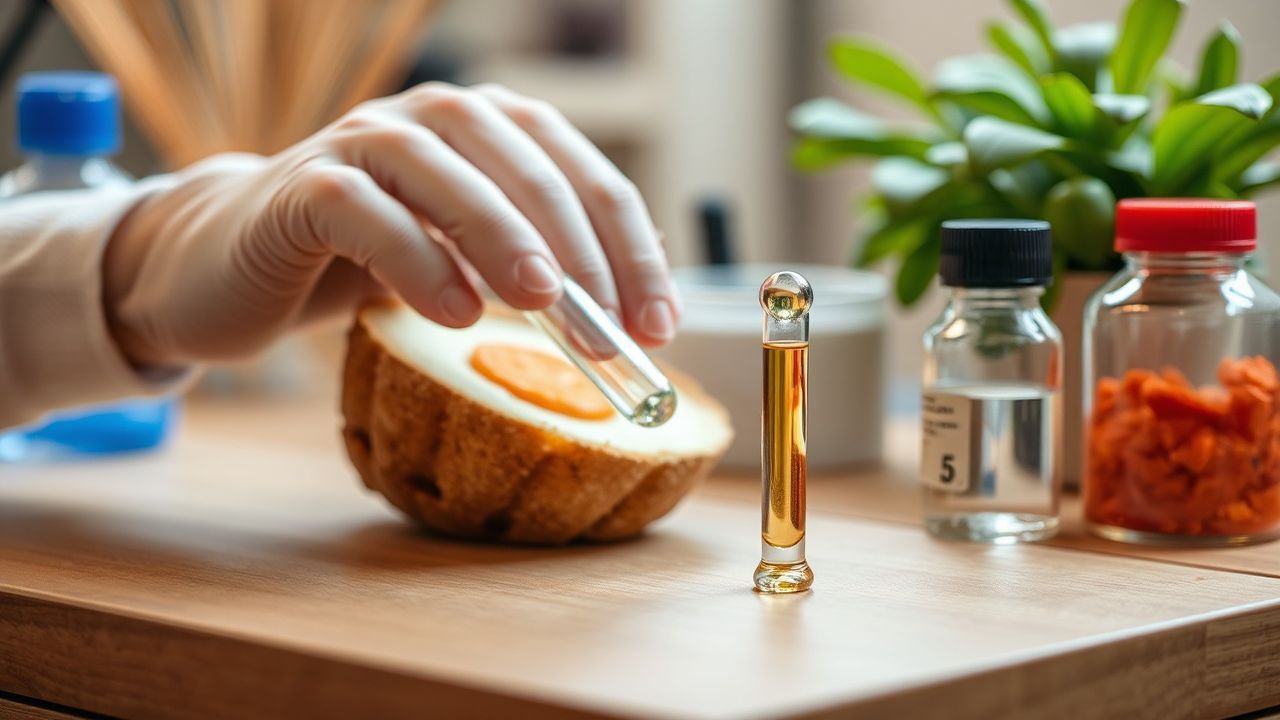
Choose test tools that match the question you want answered. Use swabs for presence/absence checks and ATP meters for total organic load; both have practical roles in quick, routine checks.
Keep a small kit stocked: single-use swabs, indicator strips, wipes, gloves, a simple timer, and a notebook or app. For an overview of what ATP measures, consult the ATP (adenosine triphosphate) entry.
ATP versus Surface Swabs
ATP meters read overall organic residue and usually return a numeric value you can trend over time. They give fast feedback but do not identify specific organisms.
Swabs with culture strips or color indicators detect microbial presence more directly. A swab can confirm contamination where an ATP meter only signals higher organic load.
Step-by-Step Procedure to Apply the 5-Second Rule
Prepare your workspace and tools before you drop or handle a test item. Lay out wipes, gloves, the test device, and your timer so you avoid fumbling during the critical window.
Follow this sequence every time to reduce variability and improve the value of your records.
- Pre-check: Sanitize your hands and the test area. Open packaging so everything is ready.
- Drop and time: If you test a dropped item, start the timer the instant it contacts the surface and retrieve it at the planned interval.
- Collect sample: Swab the food or surface immediately and apply it to the test strip or device per instructions.
- Record reading: Note the result, the surface type, moisture level, and time. Keep entries consistent for comparison.
- Act appropriately: If readings exceed your safety threshold, dispose of the item and sanitize the area.
Keep tests regular but targeted: test high-touch spots and high-risk foods more often. Add an internal reference by comparing readings against a control surface you clean thoroughly.
After several test cycles, review patterns and update your cleaning frequency. Use the data to prioritize resources where they have the most impact.
Interpreting Results and Recommended Actions
Interpretation requires context: absolute values matter less than trends and relative differences between surfaces. Treat spikes as signals to investigate rather than conclusive evidence of risk.
Understand the biology behind readings. For summaries on microorganisms commonly involved in contamination, see the bacteria overview and how diagnostic methods work in diagnostic testing.
When a result exceeds your preset threshold, follow a standard response: discard the affected food, sanitize the surface, and re-test after cleaning. Clear, repeatable actions prevent overreaction and ensure safety.
For lower-level readings, use judgment. Soft, moist foods carry higher risk and warrant discard at lower thresholds than dry foods. Keep records and apply consistent rules across your household.
Expert Tips for Consistent, Low-Anxiety Testing
Train household members to follow the same short protocol. A shared routine reduces confusion and prevents cross-contamination when several people prepare food.
Use labeled bins, bright reminder notes near disposal points, and a simple checklist on the fridge. These small cues maintain consistency and improve compliance.
Rotate test targets and keep a standard schedule: weekly for high-risk zones, monthly for low-use surfaces. That frequency gives enough data without over-testing.
Link your findings to cleaning priorities and budgets: invest more time where readings stay high and scale back where numbers remain low.
Chef’s Notes: Practical Habits to Keep Your Kitchen Safe
Adopt habits that reduce contamination chances: handle food with clean tools, dry surfaces thoroughly, and separate raw items from ready-to-eat snacks. These steps limit opportunities for microbes to transfer.
Document test cases with a quick photo and a one-line note. Visual records make it easier to spot repeat issues and communicate the matter to family members.
If you want more operational cleaning steps, see our internal resource Quick Kitchen Cleanup Tips for targeted routines that pair well with routine testing. For background on how to prepare a testing starter pack, check Home Testing Basics.
Serving Suggestions
Think of this practice as prepping the kitchen to serve food with confidence, not as a substitute for hygiene. Test-driven habits allow you to enjoy snacks while minimizing avoidable risks.
After testing, assemble pre-cleaned snack plates and label them as tested. That small habit reduces second-guessing and supports fast, safe hosting when guests arrive.

Practice regularly and refine thresholds based on reliable results. Use results to reduce needless waste while keeping safety the priority.
FAQ
What exactly is the 5-Second Rule when used for home testing?
It is a time-boxed action plan: prepare, act, sample, and record within a short, consistent window to reduce handling variability. The goal is procedural consistency, not a microbiological guarantee.
Which tests work best for quick home checks?
Use ATP meters for fast organic-load checks and swab-based strips for presence/absence of microbes. Choose based on whether you need trend data or direct microbial detection.
How do I decide when to discard dropped food?
Make rules by food type and readings: discard soft, moist items at lower thresholds than dry items. When in doubt, prioritize safety for vulnerable household members.
How often should I test kitchen surfaces?
Test high-touch, high-risk surfaces weekly and low-use areas monthly. Adjust frequency according to the trends you log; rising readings mean increase testing or cleaning.
Do home tests replace professional laboratory analysis?
No. Home tools help you monitor and prioritize cleaning. Use clinical labs for definitive pathogen identification or when health issues arise.
See also: Home Testing