
By using this site, you agree to the Privacy Policy and Terms of Use.
Accept
CookOrBitCookOrBitCookOrBit
  • Home
  • About Us
  • Ingredient Science
    • Flavor & Aroma
    • Protein Chemistry
    • Sugar & Starch
    • Fats & Emulsions
  • Cooking Techniques
    • Searing & Grilling
    • Baking & Roasting
    • Boiling & Steaming
    • Low & Slow
  • Kitchen Experiments
    • DIY Ferments
    • Flavor Tests
    • Gadget Testing
    • Molecular Gastronomy
  • Food Myths
    • Searing Myth
    • 5-Second Rule
    • MSG Myths
    • Microwave Myths
  • Tools
  • More
    • Extra Picks
    • Quick & Easy
      • Breakfast Ideas
      • Desserts
      • Snacks
      • Soups
    • Global Flavors
      • Asian Street Eats
      • Latin Comforts
      • Mexican Flavors
      • Modern Mediterranean
CookOrBitCookOrBit
  • Home
  • About Us
  • Ingredient Science
  • Cooking Techniques
  • Kitchen Experiments
  • Food Myths
  • Tools
  • More
Search
  • Home
  • About Us
  • Ingredient Science
    • Flavor & Aroma
    • Protein Chemistry
    • Sugar & Starch
    • Fats & Emulsions
  • Cooking Techniques
    • Searing & Grilling
    • Baking & Roasting
    • Boiling & Steaming
    • Low & Slow
  • Kitchen Experiments
    • DIY Ferments
    • Flavor Tests
    • Gadget Testing
    • Molecular Gastronomy
  • Food Myths
    • Searing Myth
    • 5-Second Rule
    • MSG Myths
    • Microwave Myths
  • Tools
  • More
    • Extra Picks
    • Quick & Easy
    • Global Flavors
Follow US
  • Advertising Policy: 10 Practical Rules for Safe, Compliant Ads
  • Contact Us
  • Cookie Policy: Clear Guide for Site Owners
  • Copyright Notice Guide: 7 Essential Rules for Website Owners
  • Disclaimer
  • Privacy Policy
  • Terms of Service
By Fimaw.com
- Mastering the 5-Second Rule: Home Testing Made Easy
CookOrBit > Blog > Food Myths > 5-Second Rule > Master the 5-Second Rule: 7 Expert Home Testing Steps
5-Second Rule

Master the 5-Second Rule: 7 Expert Home Testing Steps

William J. Kroll
By William J. Kroll
Published: September 30, 2025
Share
SHARE

Mastering the 5-Second Rule reframes fast decisions around dropped food into a practical, test-driven routine you can apply at home. This guide lays out simple tools, repeatable steps, and reliable interpretation methods so you act quickly and safely.

Contents
  • What the 5-Second Rule Means for Home Testing
  • Tools and Supplies for Reliable Home Testing
    • ATP versus Surface Swabs
  • Step-by-Step Procedure to Apply the 5-Second Rule
  • Interpreting Results and Recommended Actions
  • Expert Tips for Consistent, Low-Anxiety Testing
  • Chef’s Notes: Practical Habits to Keep Your Kitchen Safe
  • Serving Suggestions
  • FAQ
    • What exactly is the 5-Second Rule when used for home testing?
    • Which tests work best for quick home checks?
    • How do I decide when to discard dropped food?
    • How often should I test kitchen surfaces?
    • Do home tests replace professional laboratory analysis?
  • Quick action wins: short, consistent steps reduce contamination risk.
  • Use the right tool: swabs and ATP tests answer different questions.
  • Record and repeat: patterns show which surfaces need more cleaning.
  • Trust evidence: combine test data with safe-handling habits.

What the 5-Second Rule Means for Home Testing

The phrase “5-Second Rule” becomes useful when you apply it as a protocol: decide, act, test, and record within a short, fixed window. That rhythm reduces variable handling and helps you follow kit timing precisely.

Food safety guidance focuses on factors such as surface type and moisture rather than an exact time threshold. For background on principles that govern contamination and safety, see food safety and basic microbiology.

- Advertisement -

Tools and Supplies for Reliable Home Testing

Choose test tools that match the question you want answered. Use swabs for presence/absence checks and ATP meters for total organic load; both have practical roles in quick, routine checks.

Keep a small kit stocked: single-use swabs, indicator strips, wipes, gloves, a simple timer, and a notebook or app. For an overview of what ATP measures, consult the ATP (adenosine triphosphate) entry.

ATP versus Surface Swabs

ATP meters read overall organic residue and usually return a numeric value you can trend over time. They give fast feedback but do not identify specific organisms.

- Advertisement -

Swabs with culture strips or color indicators detect microbial presence more directly. A swab can confirm contamination where an ATP meter only signals higher organic load.

Step-by-Step Procedure to Apply the 5-Second Rule

Prepare your workspace and tools before you drop or handle a test item. Lay out wipes, gloves, the test device, and your timer so you avoid fumbling during the critical window.

Follow this sequence every time to reduce variability and improve the value of your records.

- Advertisement -
  1. Pre-check: Sanitize your hands and the test area. Open packaging so everything is ready.
  2. Drop and time: If you test a dropped item, start the timer the instant it contacts the surface and retrieve it at the planned interval.
  3. Collect sample: Swab the food or surface immediately and apply it to the test strip or device per instructions.
  4. Record reading: Note the result, the surface type, moisture level, and time. Keep entries consistent for comparison.
  5. Act appropriately: If readings exceed your safety threshold, dispose of the item and sanitize the area.

Keep tests regular but targeted: test high-touch spots and high-risk foods more often. Add an internal reference by comparing readings against a control surface you clean thoroughly.

💡 Expert Insight
Expert Insight: Maintain a simple log with date, device reading, surface type, and a one-line action. Over weeks, the log reveals which habits reduce contamination most effectively.

After several test cycles, review patterns and update your cleaning frequency. Use the data to prioritize resources where they have the most impact.

⚠️ Pro-Caution
Pro-Caution: Home tests do not replace professional laboratory analysis when serious contamination or infection is suspected. If you detect pathogens or have health concerns, seek clinical testing and advice immediately.

Interpreting Results and Recommended Actions

Interpretation requires context: absolute values matter less than trends and relative differences between surfaces. Treat spikes as signals to investigate rather than conclusive evidence of risk.

Understand the biology behind readings. For summaries on microorganisms commonly involved in contamination, see the bacteria overview and how diagnostic methods work in diagnostic testing.

When a result exceeds your preset threshold, follow a standard response: discard the affected food, sanitize the surface, and re-test after cleaning. Clear, repeatable actions prevent overreaction and ensure safety.

For lower-level readings, use judgment. Soft, moist foods carry higher risk and warrant discard at lower thresholds than dry foods. Keep records and apply consistent rules across your household.

Expert Tips for Consistent, Low-Anxiety Testing

Train household members to follow the same short protocol. A shared routine reduces confusion and prevents cross-contamination when several people prepare food.

Use labeled bins, bright reminder notes near disposal points, and a simple checklist on the fridge. These small cues maintain consistency and improve compliance.

Rotate test targets and keep a standard schedule: weekly for high-risk zones, monthly for low-use surfaces. That frequency gives enough data without over-testing.

Link your findings to cleaning priorities and budgets: invest more time where readings stay high and scale back where numbers remain low.

Chef’s Notes: Practical Habits to Keep Your Kitchen Safe

Adopt habits that reduce contamination chances: handle food with clean tools, dry surfaces thoroughly, and separate raw items from ready-to-eat snacks. These steps limit opportunities for microbes to transfer.

Document test cases with a quick photo and a one-line note. Visual records make it easier to spot repeat issues and communicate the matter to family members.

If you want more operational cleaning steps, see our internal resource Quick Kitchen Cleanup Tips for targeted routines that pair well with routine testing. For background on how to prepare a testing starter pack, check Home Testing Basics.

Serving Suggestions

Think of this practice as prepping the kitchen to serve food with confidence, not as a substitute for hygiene. Test-driven habits allow you to enjoy snacks while minimizing avoidable risks.

After testing, assemble pre-cleaned snack plates and label them as tested. That small habit reduces second-guessing and supports fast, safe hosting when guests arrive.

Mastering the 5-Second Rule: Home Testing Made Easy
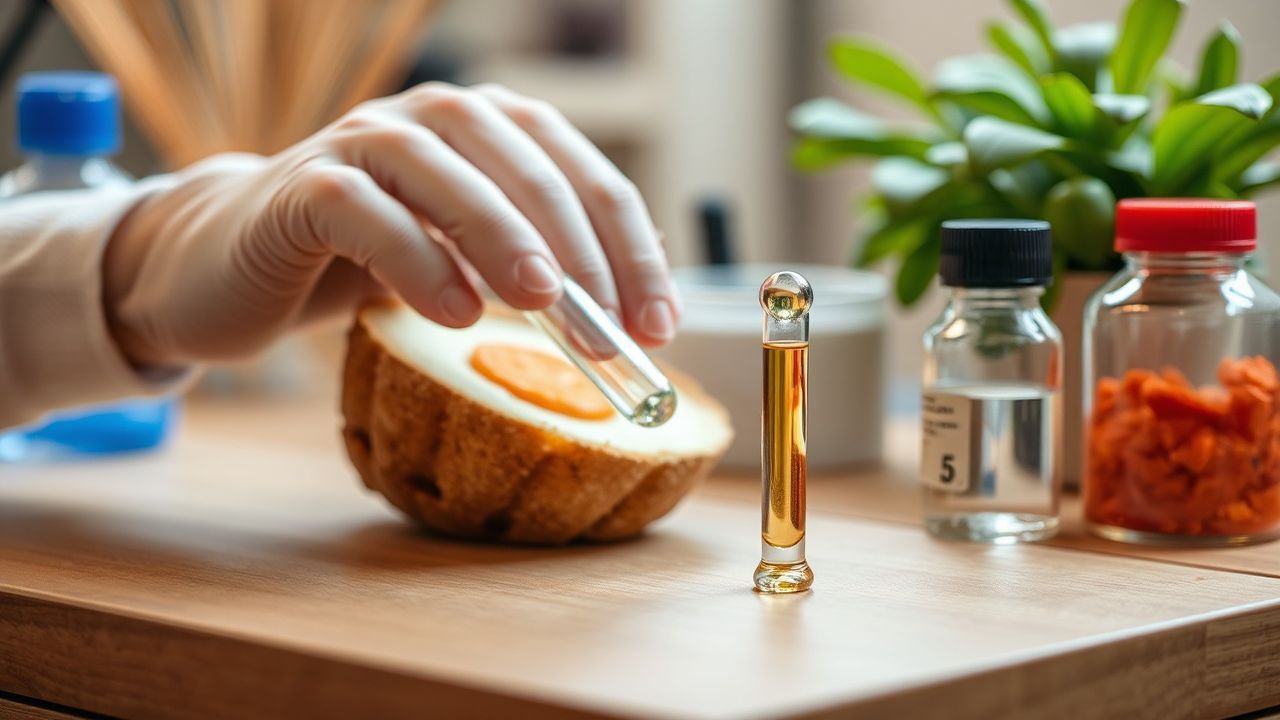
Reliable home test tools make the 5-Second Rule a measurable routine.

Practice regularly and refine thresholds based on reliable results. Use results to reduce needless waste while keeping safety the priority.

FAQ

What exactly is the 5-Second Rule when used for home testing?

It is a time-boxed action plan: prepare, act, sample, and record within a short, consistent window to reduce handling variability. The goal is procedural consistency, not a microbiological guarantee.

Which tests work best for quick home checks?

Use ATP meters for fast organic-load checks and swab-based strips for presence/absence of microbes. Choose based on whether you need trend data or direct microbial detection.

How do I decide when to discard dropped food?

Make rules by food type and readings: discard soft, moist items at lower thresholds than dry items. When in doubt, prioritize safety for vulnerable household members.

How often should I test kitchen surfaces?

Test high-touch, high-risk surfaces weekly and low-use areas monthly. Adjust frequency according to the trends you log; rising readings mean increase testing or cleaning.

Do home tests replace professional laboratory analysis?

No. Home tools help you monitor and prioritize cleaning. Use clinical labs for definitive pathogen identification or when health issues arise.

See also: Home Testing

Flaming Flavor: 9 Expert Culinary Torch Techniques to Master
7 Science-Backed Steps to the Ultimate Perfect Grilled Cheese
Golden Delight: 7 Expert Steps to Perfectly Baked Cod Fillets
7 Science-Backed Food Chemistry Tips for a Safe, Tasty Picnic
7 Chef-Proven Beef Stew Techniques for Hearty Comfort
TAGGED:5-second ruleandATP testingcontamination riskfood safetyhomehome food testingmasteringrapid testingsurface swabstheyour
Share This Article
Facebook Pinterest Whatsapp Whatsapp LinkedIn Telegram Threads
What do you think?
Love0
Sad0
Happy0
Sleepy0
Angry0
Dead0
Wink0
Previous Article - Searing Secrets: The Science Behind Cast Iron Skillets Searing Secrets: 7 Science-Backed Cast Iron Techniques
Next Article - Glutamic Acid Unveiled: The Building Block of Brain & Flavor Glutamic Acid Unveiled: 7 Science-Backed Ways It Shapes Flavor & Brain
Creamy Garlic Chicken with melted Parmesan and fresh herbs on a rustic white plate
Garlic Chicken: 7 Ultimate Brilliant Recipes to Make the Best-Ever Creamy Garlic Chicken with Parmesan & Fresh Herbs
Extra Picks
Colorful bowls of Leftover Couscous transformed into salads, fritters, and stuffed peppers.
12 Amazing Practical Leftover Couscous Ideas: Brilliant Ways to Reuse and Remix
Uncategorized
Colorful jars of spice blends beside steaming couscous with herbs and lemon
7 Ultimate spice blends That Transform Your Couscous — Amazing Best Flavor Boosts
Uncategorized
Bowls of gluten-free couscous alternatives: quinoa, millet, cauliflower, and rice
10 Amazing couscous alternatives: Best Gluten-Free Swaps for Incredible Flavor
Uncategorized

Tags

and art baked baking science baking techniques Baking tips batch cooking beef behind browning techniques butternut squash caramelization cast iron skillet chemistry chicken comfort food Cooking science cooking technique Cooking techniques Cooking tips crafting creamy creamy soup crispy culinary science fish flavor flavor chemistry food food safety Food science for garlic golden Ground turkey hearty heat high-heat cooking high protein meals how instant read thermometer Lean protein magic Maillard reaction make ahead meals make ahead soup mastering meal prep Meal prep recipes meat thermometer microwave microwave cooking moisture control one pot meals Pan searing perfect perfectly Plant based protein Probe thermometer protein denaturation Quick dinners roasted roasted squash roasted tomato soup Roasted vegetables Roasting techniques savor savory science Searing technique Searing techniques secrets slow cooking squash steak steak cooking sweet temperature control the top turkey turkey soup turkey stew ultimate umami cooking umami flavor unlock unlocking unveiling vegetable velvety weeknight dinner Weeknight dinners weeknight meals what when why with your zesty
April 2026
M T W T F S S
 12345
6789101112
13141516171819
20212223242526
27282930  
« Mar    

You Might Also Like

Velvety Carrot Soup: A Creamy Twist on Classic Comfort
Extra Picks

7 Pro Tips for Velvety Carrot Soup: Creamy Comfort Made Simple

William J. Kroll
William J. Kroll
February 15, 2026
Golden Bites: Crafting Perfectly Easy Hush Puppies at Home
Extra Picks

Golden Bites: 7 Easy Steps to Perfect Hush Puppies

William J. Kroll
William J. Kroll
December 23, 2025
Savoring Turkey and Squash Soup: A Cozy Culinary Duo
Extra Picks

9 Cozy Secrets to Mastering Turkey Soup and Squash

William J. Kroll
William J. Kroll
January 23, 2026
- Unlocking Flavor: The Chemistry Behind the Perfect Mushroom
Searing Myth

Unlocking Flavor: 7 Science-Backed Steps to the Perfect Mushroom Sear

William J. Kroll
William J. Kroll
October 5, 2025
Savor the Flavor: Creamy White Chicken Chili Recipe Delight
Extra Picks

7 Flavor-Packed Tips for Creamy White Chili That Boost Flavor

William J. Kroll
William J. Kroll
December 29, 2025
- Unlocking Umami: The Science of Glutamate in Tomato & Parmes
MSG Myths

Unlocking Umami: 7 Science-Proven Ways Glutamate in Tomato & Parmesan Elevates Flavor

William J. Kroll
William J. Kroll
October 29, 2025
Follow US
By Fimaw.com © All Rights Reserved.
  • Advertising Policy: 10 Practical Rules for Safe, Compliant Ads
  • Contact Us
  • Cookie Policy: Clear Guide for Site Owners
  • Copyright Notice Guide: 7 Essential Rules for Website Owners
  • Disclaimer
  • Privacy Policy
  • Terms of Service
Welcome Back!

Sign in to your account

Username or Email Address
Password

Lost your password?