

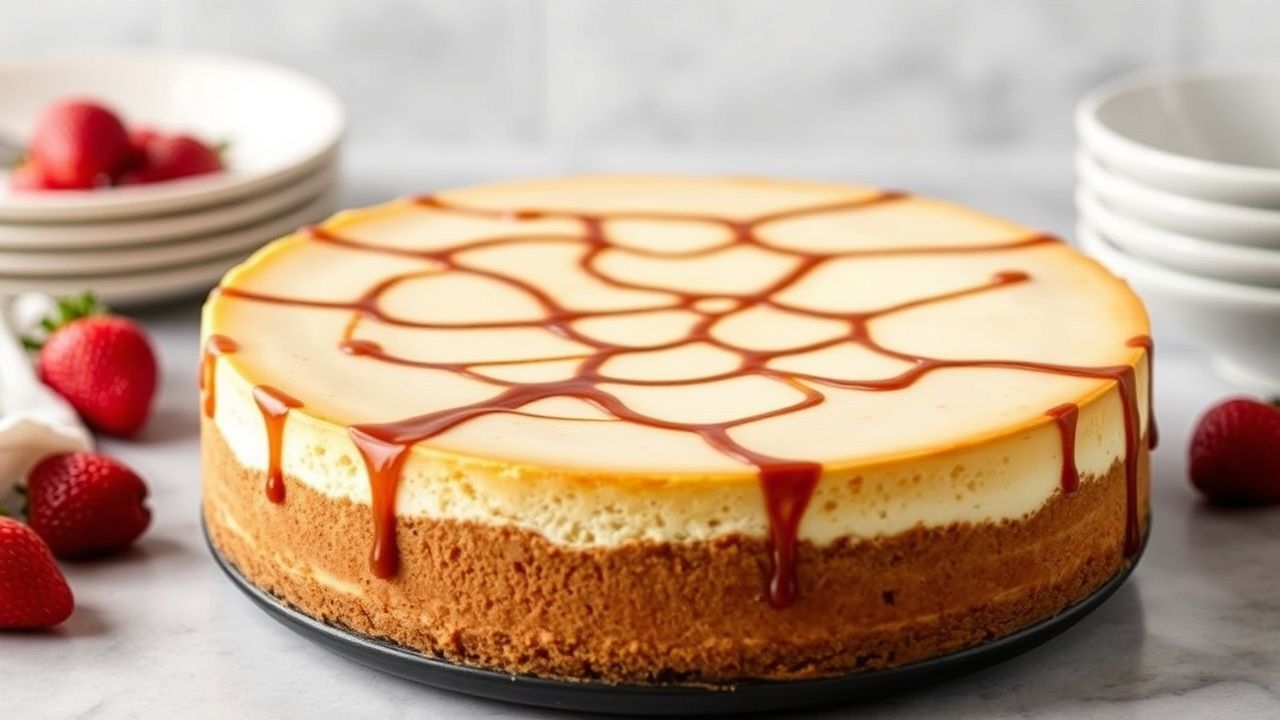

Crack-Free Cheesecake Secrets begin with precise technique, controlled heat, and proper ingredient handling. A flawless cheesecake results from predictable steps, not luck.
- Slow, low heat and a water bath keep the surface intact.
- Room-temperature ingredients yield a lump-free, dense batter.
- Minimal air in the batter prevents bursting and fissures.
- Gradual cooling finishes structure without stress.
Why cheesecakes crack — the core mechanics
Cracks form when differential contraction occurs between the set outer ring and a still-soft center. The center expands or collapses relative to the edges and the tension creates fissures on the surface.
Key drivers include trapped air, excessive oven heat, and sudden temperature change. Understanding these mechanisms lets you plan countermeasures at each stage of mixing, baking, and cooling.
Essential equipment and setup
Use a quality 9-inch springform pan and seal its base when you bake in a water bath. Wrap the exterior with heavy-duty foil to prevent water intrusion and maintain even heat transfer.
Place a reliable oven thermometer in the center of the oven to verify temperature. If your oven runs hot, reduce set temperature by 10–15°F and extend the bake time for a gentler finish.
Ingredients that matter
Choose full-fat cream cheese and bring it to room temperature for smooth blending. Low-fat or cold blocks introduce lumps and inconsistent texture that make the batter fragile.
Use sour cream or heavy cream to add moisture and stability; these dairy fats reduce shrinkage while maintaining silkiness. For reference on dairy products, see cream cheese and sour cream.
Prep and timing
Preparation: 20 minutes. Baking: 1 hour 10 minutes. Cooling: 4+ hours refrigerated. These windows are practical targets for home ovens and predictable results.
Room-temperature eggs and dairy integrate faster and reduce mixing time. Shorter mix time means less air incorporated into the batter, which lowers crack risk.
Detailed instructions
1. Prepare the pan: Butter the springform ring, and line the base with parchment for clean release. Wrap the base in foil when you plan a water bath to prevent leaks.
2. Beat the cream cheese: Use a paddle on a stand mixer or a hand mixer on medium-low. Mix until completely smooth; stop and scrape the bowl often to eliminate pockets of unblended cheese.
3. Add sugar and eggs: Add sugar slowly on low speed, then incorporate eggs one at a time. Mix only until combined after each egg to avoid aeration.
4. Fold the wet ingredients: Add sour cream and vanilla on low speed or fold with a spatula. Finish with sifted flour or cornstarch for stability while keeping a tender crumb.
5. Water bath and bake: Place the springform pan inside a larger roasting pan and pour boiling water to reach halfway up the side. Bake at 325°F (163°C) until edges are set and center still jiggles slightly.
6. Gradual cooling: Turn the oven off and crack the door open for 60 minutes with the cake inside. Then move it to a rack until it reaches room temperature before chilling uncovered in the fridge for at least 4 hours.
Common staging errors to avoid
Do not rush the cooling process; sudden temperature drops cause the surface to contract and crack. Avoid high oven temperatures and do not overbake to a firm center.
Avoid vigorous mixing at any stage. Aeration introduces bubbles that expand and collapse during baking, creating structural weak points on the surface.
Practical tips for a silky texture
Ingredient temperature matters: Cold cream cheese takes longer to smooth and requires more mixing, which traps air. Allow at least two hours on the counter or use a gentle microwave burst set to defrost if short on time.
Low-speed mixing: Always mix on low and stop as soon as ingredients combine. Use a rubber spatula to finish blending manually, preserving density without lumps.
When adding eggs, ensure each one is fully incorporated before adding the next. This prevents streaks and reduces the need for extra mixing later.
Water bath technique explained
A water bath (bain-marie) surrounds the cheesecake with moist, uniform heat that slows the outer set. This method reduces thermal gradients that cause the center to pull away from the edges.
Use boiling water for immediate thermal mass, and avoid splashing water into the pan. For technical background on the method, consult bain-marie.
After cooling in the oven, leave the cake uncovered in the fridge the first few hours to allow moisture redistribution. Cover later only once the surface is fully set to avoid sweating.
Fixes and finishing touches
If a thin crack appears, conceal it with a thin spread of sour cream mixed with a touch of sugar, then briefly torch or broil to set. For deeper cracks, use a homemade fruit coulis or ganache to mask imperfections and add flavor contrast.
Careful decoration turns a cosmetic flaw into an intentional finish. Fresh berries, citrus zest, or a textured nut sprinkle add visual interest while hiding minor surface defects.
Serving and storage
Chill the cheesecake thoroughly for at least 4 hours, ideally overnight. Cutting cold slices with a hot, dry knife produces clean edges and a professional presentation.
Store leftovers tightly covered in the fridge for up to five days. For longer storage, wrap tightly and freeze slices up to two months; thaw in the refrigerator before serving.
Nutrition snapshot
| Nutrient | Per Serving |
|---|---|
| Calories | 420 |
| Protein | 7g |
| Carbohydrates | 32g |
| Fat | 30g |
For advanced technique notes and troubleshooting, read our Perfect Baking Techniques guide. For crust options and blind-baking tips, see the Cheesecake Crust Guide.
FAQ
Why does my cheesecake crack on the surface?
Cracks result from trapped air, uneven heat, or rapid cooling. If the center continues to move while the edge is set, the resulting stress produces fissures.
Prevent this by minimizing mixing speed, baking at lower temperature, and allowing a gradual cool-down inside the turned-off oven.
Can I bake without a water bath?
You can, but expect a higher risk of cracking in many home ovens. A stable, moist environment reduces edge-setting and thermal shock.
If you skip a water bath, lower oven temperature and extend bake time to mimic the gentler effect of a bain-marie. Read the technique notes on baking for context.
How long should I beat cream cheese?
Beat until smooth with no visible lumps, typically 2–4 minutes on low-medium speed. Overbeating increases air and jeopardizes surface integrity.
Scrape the bowl frequently and finish by hand-folding to ensure an even texture without aeration. For ingredient details refer to cheesecake ingredient practices.
Can I fix cracks after baking?
Yes. Light cracks respond well to a thin sour cream layer or fruit coulis. Broil briefly to set a sour cream top and blend the repair into the surface.
Use decorations strategically: fruit compote, ganache, or whipped cream hide flaws and add complementary flavor and texture.
Which ingredient swaps reduce cracking?
Sour cream, heavy cream, or a small amount of cornstarch stabilize the batter without toughening it. These additions increase moisture and reduce shrinkage during cooling.
Adjust amounts sparingly; too much starch or liquid changes mouthfeel. Test minor changes in small batches before applying them to a full recipe.
Final note: Reproducible results come from discipline: consistent temperatures, careful mixing, and measured cooling. Use the checks above and refine one variable at a time to find the exact settings your kitchen requires.
See also: cheesecake