
Glutamic acid acts as a foundational amino acid that links flavor chemistry and brain signaling. It appears across foods and neural circuits, shaping taste and cognitive function in measurable ways.
- Glutamic Acid: chemistry and biological identity
- Glutamate in the brain: neurotransmission and function
- Glutamic acid in cooking: umami, sources, and flavor engineering
- Savory Umami Mushroom Risotto (Recipe)
- Tips for success
- Serving suggestions
- Nutrition & practical notes
- Frequently asked questions (FAQ)
- What is the difference between glutamic acid and glutamate?
- Is monosodium glutamate the same as naturally occurring glutamate?
- Can glutamate affect brain health positively?
- Which foods are highest in natural glutamates?
- Should I worry about MSG sensitivity?
- Key takeaways and practical next steps
- Key takeaway: glutamic acid underpins umami taste and the neurotransmitter glutamate.
- Food fact: mushrooms, aged cheeses, and fermented sauces supply abundant natural glutamates.
- Brain fact: glutamate supports fast excitatory transmission critical for learning and memory.
- Practical: a mushroom risotto leverages natural glutamates for both flavor and nutrition.
Glutamic Acid: chemistry and biological identity
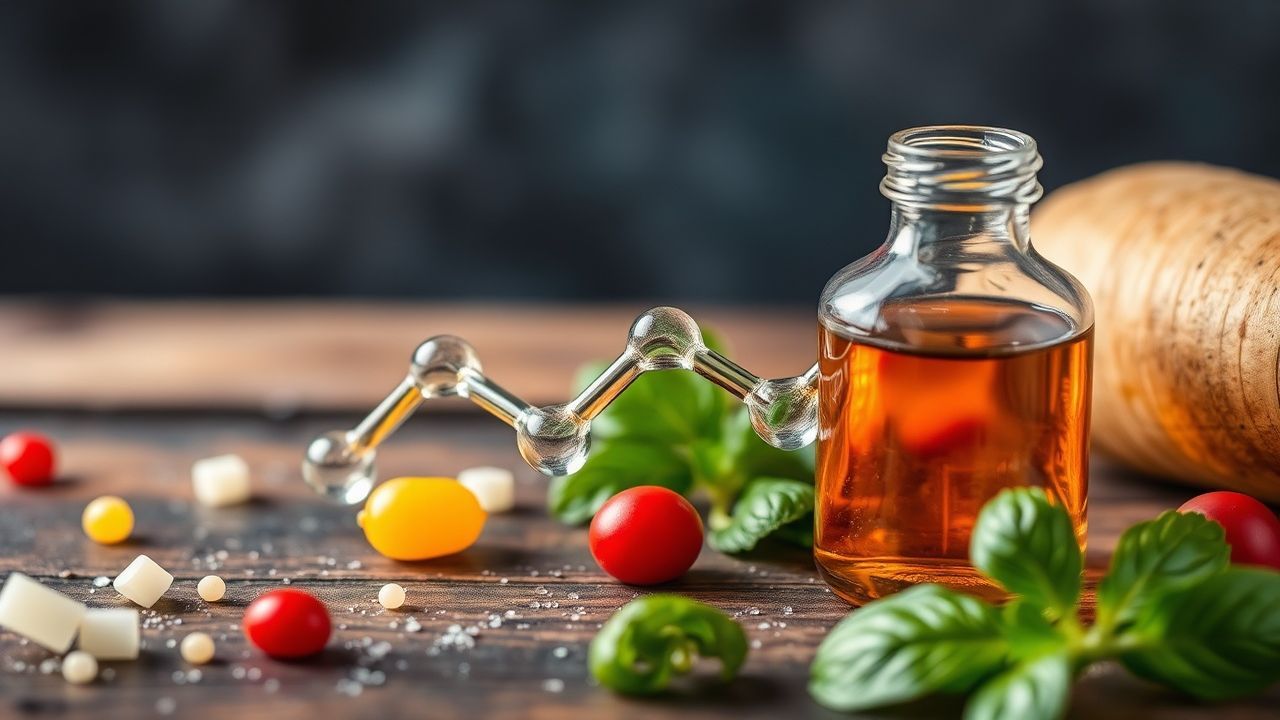
Glutamic acid is an amino acid with an acidic side chain that contributes to protein structure and metabolic reactions. It exists as L-glutamate in physiology and plays both structural and signaling roles.
As an amino acid, it fits into the broader class of proteinogenic building blocks and participates in nitrogen metabolism. For technical context see glutamic acid and amino acid resources.
Glutamate in the brain: neurotransmission and function
When the body converts glutamic acid to glutamate, neurons use it as the primary fast excitatory neurotransmitter. This molecule drives synaptic transmission across many brain regions that underlie attention and memory.
Neurons regulate extracellular glutamate tightly to avoid overexcitation and excitotoxic risk. Read the neuroscience background on neurotransmitter control and synaptic signaling for mechanisms and safety factors.
Glutamic acid in cooking: umami, sources, and flavor engineering
Culinary umami arises when glutamates interact with dedicated taste receptors on the tongue. Chefs and food scientists use glutamate-rich ingredients to deepen savory notes without adding sugar or fat.
Common culinary sources include mushrooms, aged cheese, fermented sauces, tomatoes, and seaweed. For a concise overview of the sensory concept consult umami and the industrial history around monosodium glutamate.
Savory Umami Mushroom Risotto (Recipe)
This risotto demonstrates how ingredient selection amplifies glutamate-driven umami while delivering balanced macronutrients. It combines mushrooms and aged cheese to produce layered savory flavor with a creamy mouthfeel.
The recipe suits cooks who time risotto carefully and monitor texture. Below you will find precise prep times, ingredients, and stepwise technique to reproduce consistent results.
Prep and Cook Time
Preparation: 15 minutes. Cooking: 35 minutes. Total about 50 minutes. These timings assume a medium heat and a steady stirring rhythm.
Plan reheating if serving later; add a splash of warm broth to restore creaminess. Mise en place speeds the process and reduces the risk of overcooking the rice.
Yield, Difficulty & Ingredients
Yield: Serves 4 hearty portions. Difficulty: Medium—requires attention to timing and patience when stirring. The technique rewards careful cooks with a restaurant-quality texture.
- 1 ½ cups Arborio rice, rinsed and drained
- 4 cups low-sodium vegetable broth, kept warm
- 1 cup shiitake mushrooms, sliced
- 1 cup cremini mushrooms, sliced
- ½ cup finely chopped onions
- 3 cloves garlic, minced
- 3 tbsp extra virgin olive oil
- ½ cup dry white wine (optional)
- ¼ cup grated Parmesan cheese
- 2 tbsp unsalted butter
- 1 tbsp soy sauce (adds natural glutamates)
- Salt and freshly ground black pepper, to taste
- 2 tsp fresh thyme, finely chopped
- Fresh parsley, chopped for garnish
Instructions
Heat olive oil in a large sauté pan over medium heat. Add onions and garlic and cook until fragrant and translucent, about 3 minutes, stirring frequently to prevent browning.
Add shiitake and cremini mushrooms and sauté until golden and tender, roughly 7 minutes. Stir often so mushrooms release their natural glutamate-rich juices and concentrate umami.
- Stir in Arborio rice and toast for 2 minutes to coat each grain and begin starch release.
- Pour in white wine and stir until mostly evaporated to build depth of flavor.
- Add warm vegetable broth one ladle at a time, stirring so the rice absorbs liquid gradually. Continue about 20–25 minutes until rice is al dente.
- When rice reaches texture, fold in soy sauce, butter, Parmesan, and thyme. Taste and adjust salt and pepper.
- Remove from heat and rest covered for 2 minutes before serving. Garnish with parsley and extra Parmesan if desired.
Tips for success
Use warm broth to keep the pot temperature steady and to coax consistent starch release for a creamy texture. Stir gently but often to avoid crushing grains.
Choose high-umami mushrooms like shiitake or rehydrate dried porcini for an intensified savory profile. Add soy sauce late to preserve its aromatic complexity without over-salting.
For a plant-based plate, replace butter and Parmesan with nutritional yeast and a neutral oil to echo the umami and richness. Reheat leftovers slowly with broth to preserve the risotto’s integrity.
Serving suggestions
Serve the risotto in shallow bowls to show its creamy structure and to allow steam to lift aroma toward the diner. A light green salad with lemon vinaigrette balances the dish’s richness.
Pair with a dry white such as Pinot Grigio or a crisp Vermentino to clean the palate between bites. Explore similar profiles at umami-rich recipes and try variations on mushrooms at mushroom recipes.
Nutrition & practical notes
This risotto provides a balanced meal with complex carbohydrates and moderate protein. A typical serving yields about 370 kcal with 11 g protein and 9 g fat, making it suitable as a main for four.
Adjust portion size and add a side of lean protein if desired for higher protein targets. Fermented or aged ingredients supply concentrated glutamates; use them judiciously for flavor impact without excess sodium.
| Nutrient | Amount Per Serving |
|---|---|
| Calories | 370 kcal |
| Protein | 11 g |
| Carbohydrates | 55 g |
| Fat | 9 g |
Frequently asked questions (FAQ)
What is the difference between glutamic acid and glutamate?
Glutamic acid refers to the protonated molecular form; glutamate denotes the deprotonated anion that predominates at physiological pH. The body primarily handles the molecule as glutamate for signaling and metabolic use.
Is monosodium glutamate the same as naturally occurring glutamate?
Monosodium glutamate is the sodium salt of glutamic acid and serves as a concentrated seasoning. Natural glutamates appear in foods like mushrooms, tomatoes, and cheeses and interact with taste receptors in the same way.
Can glutamate affect brain health positively?
Glutamate is essential for normal synaptic transmission and cognitive processes such as learning and memory. The brain also uses regulatory systems to prevent excessive extracellular glutamate and maintain neural health.
Which foods are highest in natural glutamates?
Mushrooms, aged cheeses, cured meats, fermented sauces, and seaweed contain elevated levels of free glutamates. Combining these ingredients strategically elevates umami without relying on added salt or fat.
Should I worry about MSG sensitivity?
Most people tolerate MSG without issues. A small subset report transient symptoms after large doses, and those individuals should moderate intake of concentrated glutamate sources. For clinical concerns consult a qualified healthcare professional.
Key takeaways and practical next steps
Glutamic acid connects flavor science and neuroscience through its role as a taste driver and a neurotransmitter precursor. You can apply this knowledge by selecting ingredient combinations that intensify umami while controlling sodium and texture.
Try the risotto as a practical experiment: choose high-umami mushrooms and a small amount of aged cheese to experience how glutamates enhance both flavor and satiety. For further reading consult foundational references on glutamic acid and umami.
See also: Glutamic Acid