
By using this site, you agree to the Privacy Policy and Terms of Use.
Accept

CookOrBit

  • Home
  • About Us
  • Ingredient Science
    • Flavor & Aroma
    • Protein Chemistry
    • Sugar & Starch
    • Fats & Emulsions
  • Cooking Techniques
    • Searing & Grilling
    • Baking & Roasting
    • Boiling & Steaming
    • Low & Slow
  • Kitchen Experiments
    • DIY Ferments
    • Flavor Tests
    • Gadget Testing
    • Molecular Gastronomy
  • Food Myths
    • Searing Myth
    • 5-Second Rule
    • MSG Myths
    • Microwave Myths
  • Extra Picks

CookOrBit

  • Home
  • About Us
  • Ingredient Science
  • Cooking Techniques
  • Kitchen Experiments
  • Food Myths
  • Extra Picks
Search
  • Home
  • About Us
  • Ingredient Science
    • Flavor & Aroma
    • Protein Chemistry
    • Sugar & Starch
    • Fats & Emulsions
  • Cooking Techniques
    • Searing & Grilling
    • Baking & Roasting
    • Boiling & Steaming
    • Low & Slow
  • Kitchen Experiments
    • DIY Ferments
    • Flavor Tests
    • Gadget Testing
    • Molecular Gastronomy
  • Food Myths
    • Searing Myth
    • 5-Second Rule
    • MSG Myths
    • Microwave Myths
  • Extra Picks
Follow US
  • Advertising Policy
  • Contact Us
  • Cookie Policy
  • Copyright Notice
  • Disclaimer
  • Privacy Policy
  • Terms of Service
By Fimaw.com
Unitasker vs Multitasker: Mastering Focus or Juggling Skills?
CookOrBit > Blog > Kitchen Experiments > Gadget Testing > Unitasker vs Multitasker: Mastering Focus or Juggling Skills?
Gadget Testing

Unitasker vs Multitasker: Mastering Focus or Juggling Skills?

William J. Kroll By William J. Kroll Published November 16, 2025
Share
SHARE

In today’s fast-paced world, the way we approach tasks can define our productivity and peace of mind. Are you the kind of person who hones in on one mission at a time like a laser-focused archer, or do you thrive by juggling multiple balls in the air, expertly keeping them all from falling? The debate between unitaskers and multitaskers isn’t just about how we work – it’s a reflection of how we think, focus, and adapt. In this article, we’ll explore the art and science behind mastering focus versus juggling skills, revealing which approach might unlock your true potential in a world that demands both precision and flexibility.

Contents
Prep and Cook TimeYieldDifficulty LevelIngredientsInstructionsChef’s Notes: Tips for SuccessServing SuggestionsQ&AIn Retrospect

Unitasker vs Multitasker: Mastering Focus or Juggling Skills? unfolds a fascinating exploration into the cognitive processes that shape our productivity in both kitchen and career. Imagine preparing a delicate soufflé versus managing several pots on the stove simultaneously-each approach demands a distinct blend of attention and efficiency. Rooted in cognitive science, this recipe post deciphers the productivity outcomes when focusing on one task at a time versus handling many, while expertly guiding you through tailored strategies to enhance your mental clarity and workflow. Whether you lean into the art of unitasking or the dynamic rhythm of multitasking, here’s a detailed, practical recipe to master your mental mise en place and gracefully execute your goals.

Prep and Cook Time

  • Prep Time: 10 minutes
  • Cook Time: 30 minutes
  • Total Time: 40 minutes

Yield

Serves 4 insightful productivity enthusiasts

Difficulty Level

Medium – Requires mindful attention and adaptable strategies

Ingredients

  • 1 cup focused attention – clear, distraction-free mindset
  • 2 tablespoons cognitive flexibility – ability to shift smoothly between tasks
  • 3 teaspoons mindfulness techniques – deep breathing, meditation, or grounding exercises
  • 1/2 cup prioritization skills – setting relevant goals and task order
  • 3/4 cup efficient time-blocking – structured scheduling to optimize task durations
  • 1/4 cup self-awareness – recognition of personal strengths and limits
  • 2-3 drops adaptive pacing – balancing speed and accuracy
  • Pinch of environmental control – minimizing interruptions and distractions

Instructions

  1. Begin by cultivating your focused attention. Create a distraction-free environment: silence notifications and dedicate a clean space similar to preparing a mise en place for a precise dish.
  2. Incorporate mindfulness techniques. Take a short pause to normalize your breathing or meditate briefly. Like letting dough rest before baking, this primes your brain for optimal focus.
  3. Assess your tasks and prioritize. Using your prioritization skills, list out your goals clearly. Treat this like organizing ingredients in recipe order to avoid confusion during execution.
  4. Apply cognitive flexibility. When multitasking, gently shift between different task elements without losing quality, akin to stirring multiple pots with equal attention.
  5. Use efficient time-blocking. Allocate fixed time intervals to each activity, whether singular or multiple, ensuring balanced attention-much like timing different cooking stages perfectly.
  6. Practice self-awareness continuously. Monitor your energy flow and task engagement, adjusting pace as needed just as a chef tastes and adjusts seasoning.
  7. Maintain environmental control. Reduce interruptions by setting boundaries, analogous to closing a kitchen window to keep out disruptive odors or noises.
  8. Evaluate productivity regularly. Post-task reflection is key. Adapt your approach serially like tasting each cooking stage; adjust unitasking or multitasking strategies to fit evolving demands.

Chef’s Notes: Tips for Success

  • Unitaskers: Embrace deep work sessions; try the Pomodoro technique to maintain unwavering focus. Use noise-cancelling headphones or ambient sound apps to minimize distractions.
  • Multitaskers: Combine compatible tasks-pair a passive activity (e.g., listening to a podcast) with a more active one, but avoid simultaneous mentally intensive tasks to reduce cognitive overload.
  • Personalize your productivity plate: Experiment with hybrid approaches-sometimes unitasking yields better flavor and texture, other times multitasking delivers brisk, satisfying results.
  • Keep a productivity journal: Regularly record what method best suits specific task types or times of day, fine-tuning your strategy like perfecting seasoning balance.

Serving Suggestions

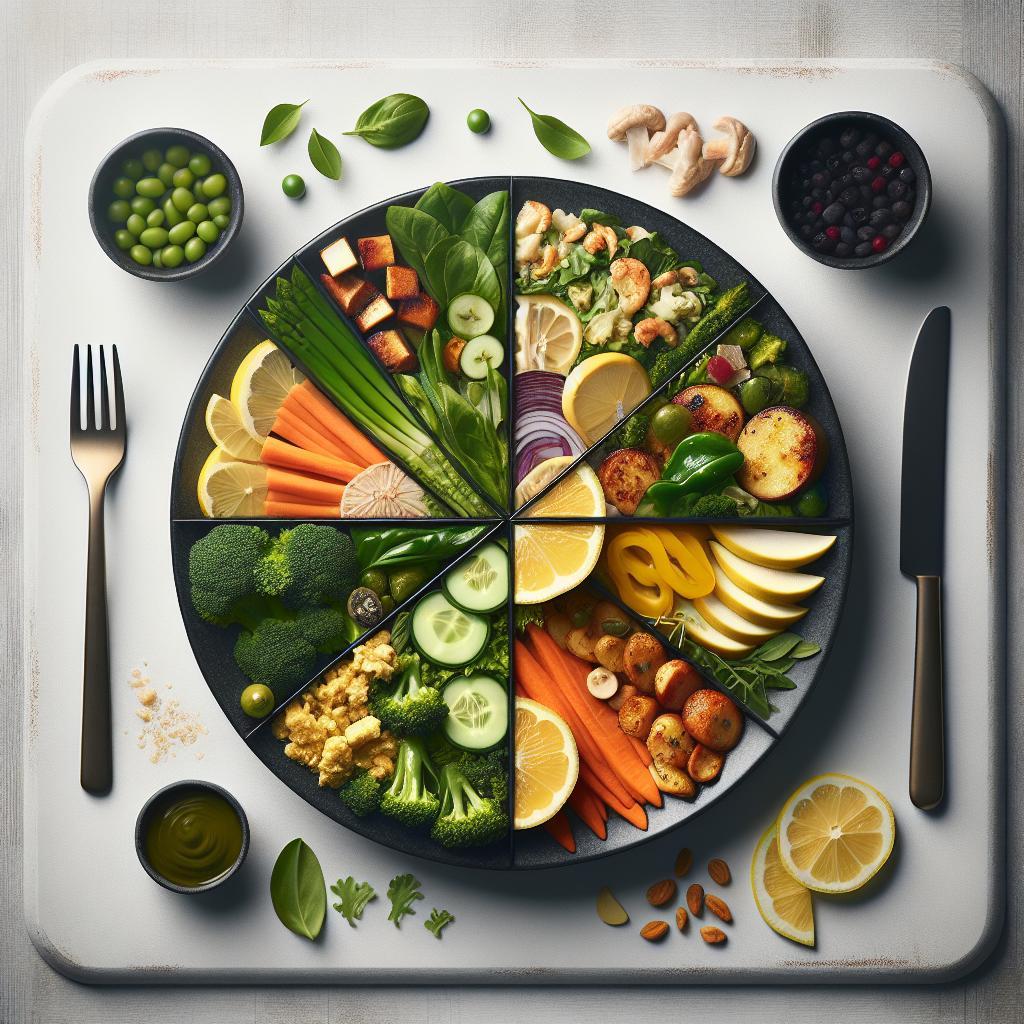
Present your productivity with clarity and confidence. For unitasking, garnish with scheduled breaks-fresh and refreshing like a lemon zest atop a rich dish. For multitasking, adorn with task clusters grouped by similarity, akin to a colorful segmented charcuterie board showcasing varied but harmonious components. Drink plenty of water and pair your efforts with moments of rest to sustain mental vitality.

Unitasker vs Multitasker: Mastering Focus or Juggling Skills in a productive workspace

Aspect Unitasking Multitasking
Average Focus Length 20-30 minutes 5-10 minutes per task
Error Rate Low Moderate to High
Cognitive Load Moderate High
Best For Complex, detail-oriented tasks Routine or lighter tasks

For further insights on optimizing your productivity, read our Deep Work vs Shallow Work: Strategies for Focused Success article. To understand the science behind cognitive multitasking better, explore research from American Psychological Association.

Q&A

Q&A: Unitasker vs Multitasker – Mastering Focus or Juggling Skills?

Q1: What exactly is a unitasker?
A1: A unitasker is someone who channels all their energy into one task at a time, like a laser beam cutting through distractions. They believe that giving undivided focus to a single activity leads to higher quality and deeper understanding.

Q2: And what defines a multitasker?
A2: A multitasker is a master juggler, skillfully handling multiple tasks simultaneously or switching rapidly between them. They thrive on variety, often believing that being busy with many things at once boosts productivity and keeps the mind agile.

Q3: Is multitasking really effective or just an illusion?
A3: While multitasking might feel productive, science shows it often reduces efficiency and increases errors. Our brains aren’t built to truly focus on multiple demanding tasks at once; instead, we rapidly switch focus, which can drain cognitive resources and lead to burnout.

Q4: How do unitaskers benefit from their approach?
A4: Unitaskers often enjoy deeper concentration, improved creativity, and higher-quality outcomes. By dedicating full attention to one thing, they minimize mistakes and savor a sense of accomplishment, turning work into a mindful practice rather than a frantic race.

Q5: Can multitasking ever be advantageous?
A5: Absolutely! Multitasking shines in low-stakes or routine activities where tasks require minimal mental effort, like folding laundry while listening to a podcast. It can also be helpful in dynamic environments demanding quick role-switching or juggling urgent matters.

Q6: How can someone decide which style suits them best?
A6: Reflect on the nature of your tasks and your personal work rhythm. Complex, creative, or detail-oriented projects lean toward unitasking, while simpler or complementary tasks might lend themselves to multitasking. Experimentation combined with self-awareness will guide you to your sweet spot.

Q7: Can someone master both skills effectively?
A7: Yes! Flexibility is key. Mastering when to focus deeply and when to juggle tasks strategically can make you a versatile powerhouse. It’s about reading the room-knowing when to slow down and when to speed up without losing your mental equilibrium.

Q8: What practical tips can help improve unitasking skills?
A8: Try time-blocking your day, eliminating distractions (goodbye, phone notifications!), and practicing mindfulness to cultivate presence. Embrace breaks to recharge your focus and prioritize one task as your headline act instead of a fleeting cameo.

Q9: How can multitaskers avoid common pitfalls?
A9: Prioritize and group compatible tasks, avoid complex switching where possible, and recognize your own limits. Using checklists and setting mini-goals can help maintain clarity amidst busyness, preventing overwhelm and mistakes.

Q10: What’s the ultimate takeaway from the unitasker vs multitasker debate?
A10: There’s no one-size-fits-all answer. Mastering focus or juggling skills depends on your goals, environment, and brain’s wiring. The secret lies in knowing yourself, choosing your mental tactics wisely, and mastering the art of balance between depth and breadth.

In Retrospect

In the end, whether you identify as a dedicated unitasker or a versatile multitasker, the key lies in understanding your own rhythm and goals. Mastering focus might mean honing a single skill with laser precision, while embracing multitasking could unlock your ability to juggle diverse demands with agility. Both approaches offer unique strengths-it’s not about choosing a side, but about blending the art of concentration with the science of adaptability. As you navigate your daily challenges, remember: true productivity isn’t about doing more at once or doing one thing alone; it’s about doing what works best for you. So, tune into your natural flow, experiment boldly, and let your own style be the compass on your journey to mastery.
Unitasker vs Multitasker: Mastering Focus or Juggling Skills?

You Might Also Like

Unlocking Flavor: Mastering Vegetable Searing for Perfect Caramelization

Unveiling Hydrolysis: The Science Behind Water’s Powerful Split

Unlocking Safety: What Is the FDA Food Code?

Whipping Siphon Science: Experimenting with Charge Levels

Spreading the Flavor: How a Paella Pan’s Wide Surface Works

TAGGED:andfocusmasteringtheunitaskeryour
Share This Article
Facebook Twitter Pinterest Whatsapp Whatsapp LinkedIn Telegram Threads
What do you think?
Love0
Sad0
Happy0
Sleepy0
Angry0
Dead0
Wink0
Previous Article Crispy Science: Testing Starches for Perfect Frying Results Crispy Science: Testing Starches for Perfect Frying Results
Next Article Unlocking Chill: The Science Behind Perfect Cryo-Shucking Oysters Unlocking Chill: The Science Behind Perfect Cryo-Shucking Oysters
Crafting Zesty Fermented Mustard Using Whey Magic
DIY Ferments
Unlocking Flavor: The Art and Science of Sous Vide Cooking
Low & Slow
Unlock the Juiciest Shredded Chicken: Perfect Whole Bird Cooking Tips
Boiling & Steaming
The Science Behind Crafting the Perfect Croissant Crust
Baking & Roasting

Most Viewed Posts

  • The Art and Science Behind Perfect Culinary Espumas (686)
  • Crisp Science: Unlocking the Chemistry of Perfect Tempura (373)
  • Unlocking Vanillin: The Chemistry Behind Vanilla’s Magic (264)
  • Master the Art of the Perfectly Boiled Potato Every Time (236)
  • Fats That Transform: Experimenting with Flavorful Fats (235)

Tags

and are art behind cheese chemistry chicken crafting dough exploring flavor food for grill happens heat how magic mastering meat microwave msg perfect perfectly protein science searing secrets steak sweet testing the top ultimate umami unlock unlocking unraveling unveiling water what when why with your
December 2025
M T W T F S S
1234567
891011121314
15161718192021
22232425262728
293031  
« Nov    

You Might Also Like

Unlocking Flavor: The Science Behind Spatchcocked Chicken
Searing & Grilling

Unlocking Flavor: The Science Behind Spatchcocked Chicken

William J. Kroll William J. Kroll December 6, 2025
The Science Behind Crafting the Perfect Creamy Aioli
Fats & Emulsions

The Science Behind Crafting the Perfect Creamy Aioli

William J. Kroll William J. Kroll December 6, 2025
Whisking Woes: What Happens When Sugar Hits Egg Whites Early?
Sugar & Starch

Whisking Woes: What Happens When Sugar Hits Egg Whites Early?

William J. Kroll William J. Kroll December 6, 2025
Mastering Meringue: Secrets to a Perfectly Stable Whip
Protein Chemistry

Mastering Meringue: Secrets to a Perfectly Stable Whip

William J. Kroll William J. Kroll December 6, 2025
Unlocking Rosemary’s Essence: The Science Behind Its Flavors
Flavor & Aroma

Unlocking Rosemary’s Essence: The Science Behind Its Flavors

William J. Kroll William J. Kroll December 6, 2025
Unlocking Microwave Power: Mastering Levels for Perfect Cooking
Microwave Myths

Unlocking Microwave Power: Mastering Levels for Perfect Cooking

William J. Kroll William J. Kroll December 6, 2025
Follow US
By Fimaw.com © All Rights Reserved.
  • Advertising Policy
  • Contact Us
  • Cookie Policy
  • Copyright Notice
  • Disclaimer
  • Privacy Policy
  • Terms of Service
Welcome Back!

Sign in to your account

Lost your password?