
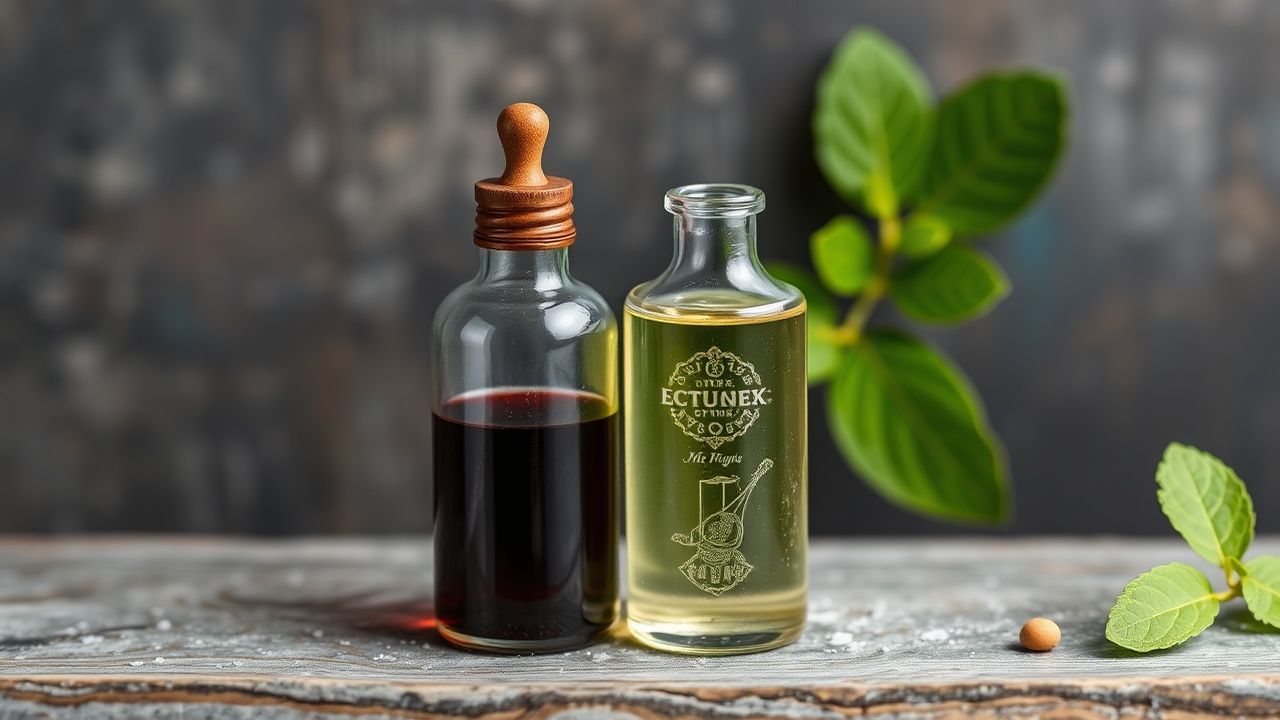

Flavor drives how we remember food. Extracts concentrate volatile compounds into a small, shelf-stable package that delivers potent aroma and taste with minimal volume.
- Understanding Extracts: How extraction shapes flavor
- Extraction methods: solvents, time, and technique
- Homemade vanilla extract: practical recipe and workflow
- Practical tips for consistent results
- Serving suggestions and culinary use cases
- Shelf life and storage expectations
- Quick reference: extract types and best solvents
- FAQ
- Concentrated impact: A few drops of extract can replace bulk ingredients and sharpen a recipe.
- Versatile solvents: Alcohol, glycerin, and oil extract different compound sets and affect shelf life.
- Simple DIY: You can craft tailored extracts at home with basic tools and patience.
- Storage matters: Cool, dark storage preserves potency for months to years depending on solvent.
Understanding Extracts: How extraction shapes flavor
Extracts isolate flavor-bearing molecules from plant material or spices. The process concentrates aroma and taste so recipes gain intensity without extra bulk.
Extraction is a defined chemical process; it relies on solvent affinity for specific compounds and physical agitation to speed transfer. For technical context, see extraction (chemistry) for the core principles behind solvent selection and partitioning.
Key flavor sources and what they offer
Different sources yield distinct compound classes: vanilla beans provide vanillin and related phenolics, citrus peels supply terpenes and esters, and spices carry essential oils. For reference on vanilla compounds, consult vanilla chemistry.
Understanding the source helps predict a finished extract’s character. That knowledge guides solvent choice, maceration time, and final use in recipes.
Extraction methods: solvents, time, and technique
Solvent choice determines which molecules dissolve. Ethanol preferentially extracts alcohol-soluble aromatics and preserves the extract long-term.
Glycerin (glycerol) favors sweeter, water-soluble compounds and suits alcohol-free extracts. Read about glycerol for why it performs differently from ethanol.
Alcohol (ethanol) maceration
Ethanol pulls a broad spectrum of aromatic compounds including high molecular weight phenolics and volatile esters. For technical background see ethanol.
Macerate at room temperature with periodic shaking; potency usually develops over weeks. Stronger, darker extracts often result from longer infusions and higher proof alcohols.
Glycerin and oil alternatives
Glycerin yields a sweeter, milder extract with shorter shelf life than alcohol but remains a reliable option for children or alcohol-free uses. Expect a softer aromatic profile.
Oil-based extracts capture lipophilic terpenes well but are less shelf-stable and can alter texture in cold applications. Use oils when immediate use or topical applications warrant them.
Homemade vanilla extract: practical recipe and workflow
Making vanilla extract at home requires only two core materials: vanilla beans and a solvent. Choose quality beans and a neutral solvent to capture authentic flavor.
Before starting, prepare clean glass jars with airtight lids and label them with start dates. Proper sanitation reduces off-flavors during long maceration.
Ingredients
Basic batch: 1 cup (240 ml) ethanol-based vodka (40-50% ABV) and 3–5 vanilla beans, split to expose seeds.
For alcohol-free variations, substitute glycerin or use a 1:1 glycerin-water mix; expect a sweeter, milder result. See our homemade extracts guide for conversion tips.
Instructions
Place split beans in the jar and cover fully with solvent. Close the jar and shake; store it in a cool, dark cupboard.
Shake daily for the first week, then weekly afterward. Strain after at least 4–6 weeks for usable extract; longer yields deeper flavor. Bottle into smaller dark glass bottles and label with bottling date.
Practical tips for consistent results
Use fresh, intact ingredients and clean glassware to reduce contamination risk. Freshness and cut surface area influence extraction speed and profile.
Control temperature and light exposure. Store infusions away from heat and direct sunlight to slow degradation of volatile compounds.
Balance intensity when substituting extracts into recipes. Start with half the liquid called for and adjust up in sensory tests to avoid overpowering baked goods.
Serving suggestions and culinary use cases
Extracts excel at boosting aroma in low-moisture applications like cookies, frostings, and dry rubs. Their concentrated nature lets you add flavor without changing texture.
Use vanilla in custards and custard-based sauces, lemon extract in vinaigrettes or sugar syrups, and herb extracts sparingly to avoid vegetal bitterness. For pairing ideas, see our comprehensive guide to flavor science.
Shelf life and storage expectations
Alcohol-based extracts often retain potency for up to two years when stored correctly. Dark glass and cool storage slow oxidative and photolytic breakdown.
Glycerin extracts generally last 6–12 months; oil extracts typically hold 3–6 months depending on the oil’s stability. Label each batch with a best-by date based on solvent type.
Quick reference: extract types and best solvents
Below is a compact table to guide solvent selection and expected intensity. Use it when planning batches or substitutions.
| Extract Type | Best Solvent | Flavor Intensity | Typical Shelf Life |
|---|---|---|---|
| Vanilla | Alcohol | High | Up to 2 years |
| Herbal (peppermint, basil) | Glycerin | Medium | 6–12 months |
| Citrus peel | Oil | Light | 3–6 months |
FAQ
What are extracts and how do they differ from infusions?
Extracts concentrate flavor compounds into a solvent, often yielding a high-strength product. Infusions can be a form of extract but sometimes refer to shorter, milder preparations designed for quick use.
How long should I age homemade extract before using it?
For alcohol-based vanilla, four to six weeks yields noticeable flavor; eight weeks or more deepens complexity. Glycerin and oil extracts may show usable flavor sooner but often benefit from similar aging to smooth harsh notes.
Can I use homemade extracts in commercial food products?
Using homemade extracts commercially requires compliance with local food safety and labeling laws. Always use food-grade solvents and follow regulatory guidance when selling or distributing edible products.
Are artificial extracts less useful than natural extracts?
Artificial extracts mimic primary flavor molecules and often cost less. Natural extracts deliver a broader array of minor compounds, which many cooks prefer for layered complexity.
How should I convert extract amounts when replacing fresh ingredients?
Start small: 1 teaspoon of extract typically replaces 1 tablespoon or more of fresh flavoring, depending on potency. Adjust incrementally and taste as you go to maintain balance.
Mastering extracts gives cooks precise control over aroma and taste. Use solvent choice, infusion time, and storage practices to craft reliable, flavorful extracts you can depend on.
See also: extracts