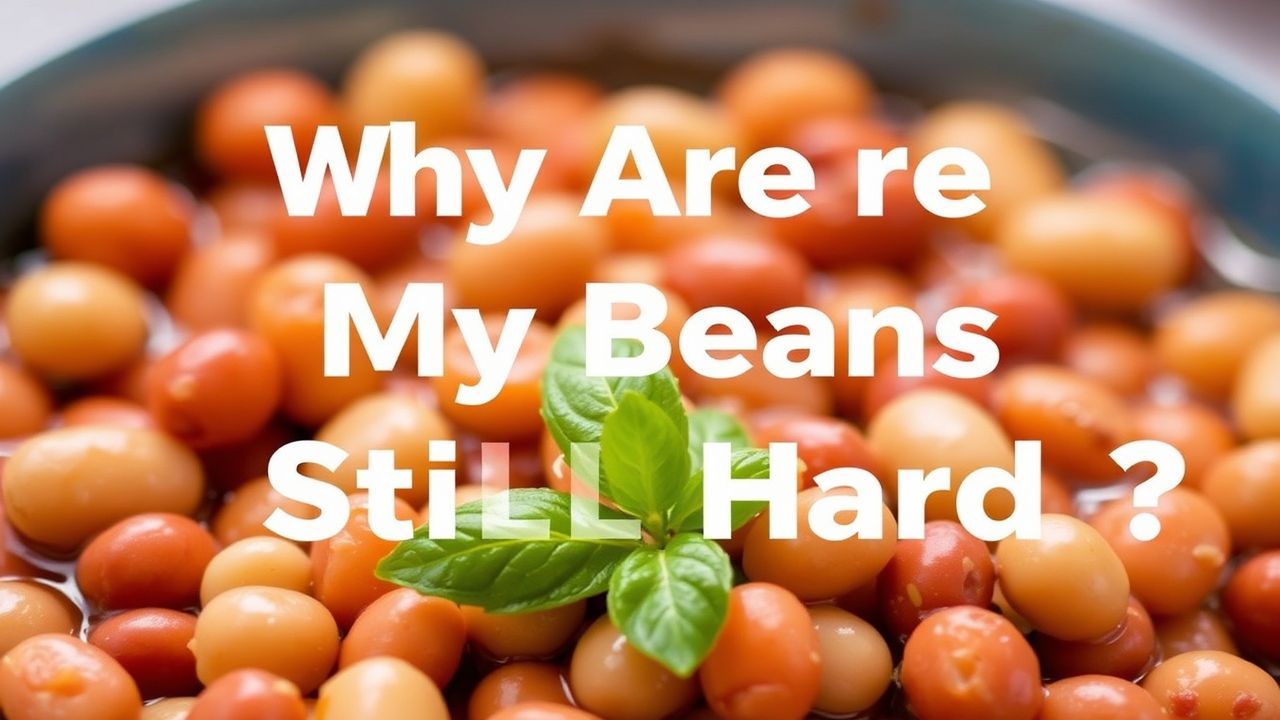

Soft beans are the goal when you cook dried legumes, yet a stubborn pot of hard beans undermines every recipe. This guide gives five targeted fixes that address age, water chemistry, soaking, heat control, and rescue techniques so you reliably get soft beans.
- Check bean age — fresher dried beans hydrate faster.
- Control water chemistry — switch to filtered water if your tap is mineral-rich.
- Soak and heat correctly — proper soaking and steady simmering prevent split skins and uneven texture.
- Use rescue methods — tiny baking soda doses or pressure cooking can finish stubborn batches.
Why beans stay hard and how to get soft beans
Beans are seeds with protective coats and dense cell walls that require water and heat to break down. The interaction of pectin, hemicellulose, and minerals determines how quickly you get soft beans.
Age, water minerals, and early acid additions commonly slow softening. Understanding those factors helps you choose the right fix and avoids wasting time and fuel.
Bean variety and age
Different legumes soften at different rates; small beans like navy or black beans typically cook faster than chickpeas and kidney beans. Choose the correct technique for the variety to reach reliably soft beans without overcooking.
Storage matters. Beans stored dry for more than a year often lose internal moisture and resist hydration. Buy from sellers who rotate stock and store beans in airtight containers away from heat and light to preserve cooking performance.
Water chemistry and its effect on soft beans
Hard water contains calcium and magnesium ions that bind to pectin in cell walls and slow softening. If your tap water tastes mineral-rich, use filtered water or bottled sources to improve outcomes for soft beans.
When adjusting pH, sodium bicarbonate speeds softening by raising alkalinity, but it alters flavor and texture when overused. Apply it sparingly and test frequently. For background on hard water and sodium bicarbonate consult these references: hard water and sodium bicarbonate.
Prepping beans: sorting, rinsing, and soaking for soft beans
Begin with a visual sort to remove stones and damaged beans, then rinse under cold water to clear dust. Clean beans hydrate more evenly and give consistent soft beans across the pot.
Soaking ahead reduces cook time and promotes even hydration. Use either an overnight soak or a quick-soak when you are short on time to improve the odds of achieving soft beans.
Soaking techniques
Traditional soak: cover beans with at least 2 inches of water and soak 8–12 hours. This method gives predictable results and lowers the energy required to reach soft beans on the stovetop.
Quick soak: bring beans to a boil for two minutes, remove from heat, cover, and let rest one hour. Drain, rinse, and cook in fresh water. Quick soaking performs well when you forget an overnight soak and still want soft beans.
Drain and rinse
Always discard the soak water and rinse before cooking. Soak water contains soluble oligosaccharides that can create excessive foam and affect final texture and flavor if carried into the cooking liquid.
Use fresh water for cooking so you can control salt, acidity, and seasoning. Using fresh water also avoids concentrating any minerals from a prolonged soak, which helps produce soft beans consistently.
Cooking methods that produce tender soft beans
Choose a cooking method that suits the bean type and your timing. Stovetop simmering gives fine texture control, while pressure cooking yields predictable soft beans quickly.
Manage heat, salt timing, and acids to avoid a gummy exterior with an undercooked center. Follow a routine and tweak only one variable at a time to isolate causes when beans stay hard.
Stovetop simmering
Bring beans to a brief boil, then reduce to a low, steady simmer with the pot partially uncovered. High rolling boils will rupture skins and produce uneven texture instead of uniformly soft beans.
Start testing for tenderness after 45 minutes for small beans and after about an hour for larger types. Test by gently pressing a bean between thumb and forefinger rather than cutting, which can mislead you about interior doneness.
Pressure cooking and its advantages for soft beans
Pressure cookers and multi-cookers speed cooking and force water into bean structure more effectively, producing soft beans with less attention. Use manufacturer times and a standard pressure setting for safety and reliable texture.
Allow pressure release per device instructions and avoid long natural releases that can lead to overcooked, splitting skins. For technical background, see pressure cooking.
For many cooks, a pressure cooker reduces failure rates and delivers soft beans across a range of bean ages and sizes. However, stovetop simmering remains superior when you want very specific mouthfeel or intact skins.
Troubleshooting: rescue methods for stubborn beans
If beans remain firm after the expected cook time, proceed methodically: extend simmering time, then consider a tiny baking soda addition, and if needed, finish in a pressure cooker. These steps escalate from least to most intervention.
Keep heat low during extended simmering and check every 10–15 minutes to avoid splitting. Often extra time solves the problem, especially for larger beans or older stock.
When extending simmering fails
When two hours of simmering produces no change, the beans are likely too old or damaged. Replace the batch when repeated long simmers fail to yield soft beans; continued cooking wastes fuel and time.
Test a few beans frequently near the end of a long simmer. If one or two beans soften but the rest do not, the batch is inconsistent and swapping in fresher beans will give reliable results.
Using baking soda correctly
Sodium bicarbonate raises pH and breaks down hemicellulose and pectin faster, which speeds softening. Dissolve a very small pinch in a little warm water before stirring into the pot, then simmer and test often.
Use caution: excess baking soda will make beans mushy and can impart a soapy or metallic taste. Measure carefully—about 1/16 teaspoon per liter of cooking liquid is typically adequate for a small rescue dose. See more on sodium bicarbonate.
After a baking soda rescue, rinse or dilute the cooking liquid if you detect off-flavors, then season again at the end of cooking to restore balance.
Serving, flavoring, and practical tips to keep soft beans reliable
Finish tender beans with salt, acid, and fat to balance flavor. Add salt late if you suspect mineral issues; otherwise, moderate early salting can season effectively without preventing softening for most modern beans.
A splash of vinegar or lemon brightens beans at the end, and a drizzle of olive oil adds silkiness. Reserve acidic ingredients until beans reach near-tender to avoid tightening pectic substances and re-hardening the interior.
Use soft beans as a base for salads, soups, stews, or purees. Plan texture: mash a portion for creaminess while leaving other beans whole for bite and contrast.
At a Glance
- Age matters: fresher dried beans give faster, more consistent soft beans.
- Water matters: hard water can slow or prevent softening; filter when in doubt.
- Technique matters: soak, control heat, and rescue carefully to avoid flavor or texture problems.
FAQ
Why are my beans still hard after an hour?
Hard beans after an hour typically mean incomplete hydration from age, insufficient soak, or mineral-rich water. Switch to filtered water, extend simmering, or use a pressure cooker to force tenderness.
Does soaking always make beans soft?
Soaking shortens cook time and evens hydration, but it cannot fully reverse problems from very old beans. If you skip soaking, use a pressure cooker and expect longer stovetop times to reach soft beans.
Can I fix hard beans with baking soda?
Yes. A tiny amount of sodium bicarbonate can speed softening by raising pH. Dissolve a pinch in water before adding, then simmer and test. Use caution to avoid off-flavors or mushy texture.
Will adding salt early keep beans hard?
Modern tests show moderate early salting rarely prevents softening and often enhances flavor. However, when troubleshooting hardness, delay salt until beans approach tenderness to isolate variables.
Which method gives the most consistent soft beans?
Pressure cooking delivers the most repeatable results across bean types and ages because it improves water penetration and reduces cook time. Stovetop simmering offers finer texture control but needs more attention.
For botanical context on legumes and bean types, consult these references: legume and bean.
See also: soft beans