
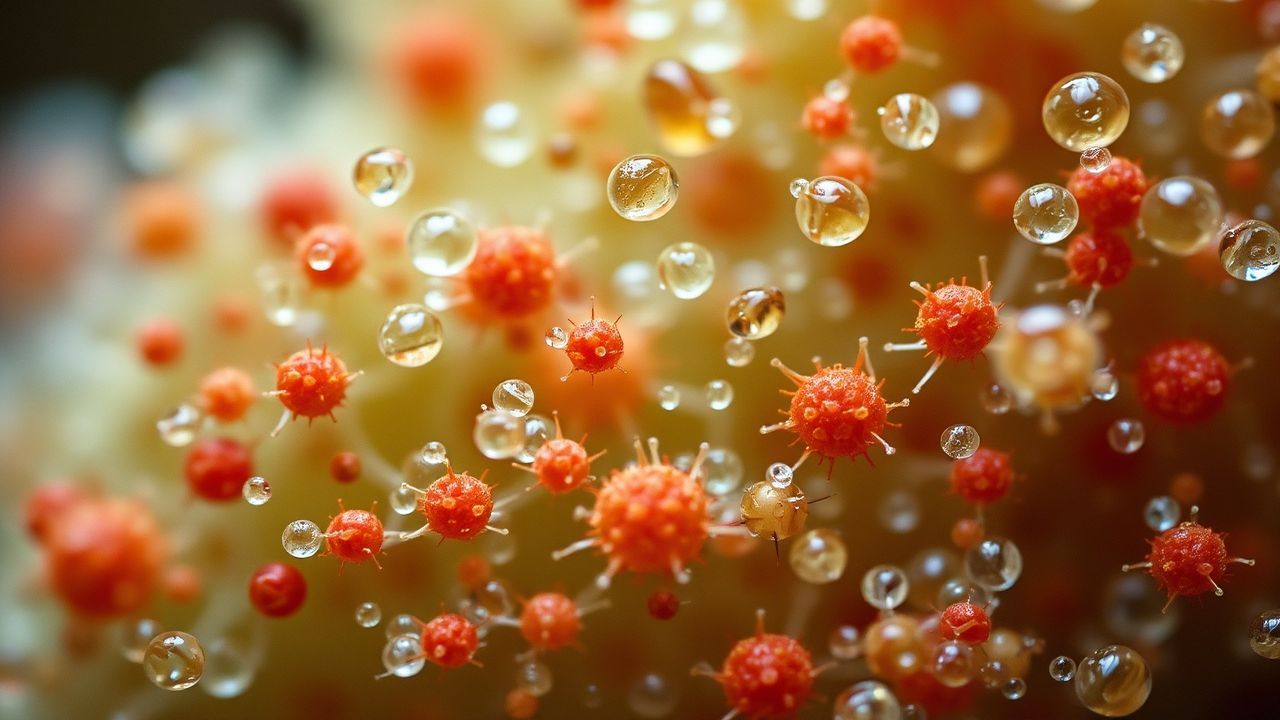

Beneath the surface of daily life, microscopic organisms steer major processes from digestion to soil renewal. These organisms include bacteria, fungi, viruses, and protists, and they influence ecosystems, human health, and food production in measurable ways.
- Microorganisms drive fermentation and nutrient cycling.
- Fermented foods supply live cultures that support gut ecology.
- Understanding microbes improves food safety and flavor control.
Microorganisms: The Essentials
Microorganisms are living entities too small to see without magnification. They include diverse groups such as bacteria and fungi that perform vital biochemical reactions.
Scientists study these lifeforms with microscopy and sequencing to map functions and interactions. For background on the groupings, see microorganism and bacteria.
Fermentation and Culinary Transformation
Fermentation relies on microbial metabolism to convert sugars into acids, gases, or alcohol. This controlled microbial action preserves food and creates complex flavors.
Traditional kimchi showcases lactic acid bacteria at work, producing acidity that stabilizes vegetables and generates umami notes. Learn more about the biochemical process at fermentation.
Fermented Kimchi Bowl — Concept and Benefits
This Fermented Kimchi Bowl pairs probiotic-rich kimchi with jasmine rice and fresh garnishes to deliver texture and digestive-supporting microbes. The recipe highlights how microbes transform simple produce into a nutrient-dense condiment.
Fermented vegetables supply live cultures that can assist gut microbial diversity in many individuals. For deeper reading on beneficial microbes and diet, refer to probiotic.
Prep and Cook Time
Preparation: 30 minutes. Fermentation: 5 to 7 days at room temperature for initial development.
Timing affects acidity and texture. Shorter fermentation yields milder tang; longer fermentation creates stronger flavors and softer texture.
Yield and Difficulty
This recipe produces four generous servings and suits cooks comfortable with basic fermenting techniques. It rates as medium difficulty because it requires attention to salt ratios and submersion.
If you prefer a vegan variant, substitute soy sauce or tamari for fish sauce without altering fermentation dynamics. For related recipes and guides, check the internal resource on benefits of fermented foods.
Ingredients
Use fresh produce and clean equipment to reduce contamination risk. Key components include Napa cabbage, sea salt (non-iodized), gochugaru, garlic, ginger, scallions, and carrots.
Here is a concise list to prepare: 1 medium Napa cabbage, 3 tbsp non-iodized sea salt, water, ginger, garlic, scallion, carrot, gochugaru, fish sauce or soy sauce, and optional sugar. See the internal primer on fermentation safety for equipment recommendations.
Instructions
Step-by-step Process
1. Salt the cabbage: Toss chopped Napa cabbage with sea salt and massage until leaves soften, about 4–6 minutes. Add filtered water to cover and weigh down the cabbage to extract moisture for 2–3 hours.
2. Make the paste: Combine grated ginger, minced garlic, scallions, julienned carrot, gochugaru, fish sauce or soy, and a little sugar if desired. Mix until you form a thick, evenly flavored paste.
3. Rinse and combine: Rinse cabbage briefly to remove excess salt and drain well. Fold the paste into cabbage using gloves, ensuring even coating.
4. Pack and ferment: Pack the mixture tightly into a clean jar, leaving about one inch of headspace, and ensure the vegetables stay submerged under brine. Cover loosely to allow gases to escape and ferment at 65–72°F for 5–7 days, tasting daily for preferred acidity.
5. Refrigerate and serve: When the kimchi reaches desired tang, seal the jar and refrigerate to slow fermentation. Serve chilled over jasmine rice and garnish with sesame seeds and herbs.
Chef’s Notes
Variations: Add daikon or Korean pear for texture and a hint of sweetness. These ingredients alter sugar levels and can change fermentation speed slightly.
Salt choice: Always use non-iodized sea salt since iodized salt can interfere with salt-sensitive starter cultures. For controlled fermentations, weigh ingredients for repeatable results.
After the tip, maintain cleanliness when handling jars and utensils to minimize contamination. Regularly check brine coverage and release built-up gases to prevent pressure buildup.
Fermentation Safety and Storage
Fermentation produces acidity that preserves food, but proper technique prevents spoilage. Keep produce submerged and discard batches with off odors, slimy textures, or mold growth on the surface.
Store fermented kimchi in the refrigerator after desired fermentation to slow microbial activity. Reference safe handling and symptoms of spoilage on official guidance sites or consult food safety specialists when in doubt.
Serving Suggestions
Serve the kimchi bowl over steamed jasmine rice with grilled tofu or thinly sliced grilled meat. Garnish with toasted sesame seeds, cilantro or mint, and a drizzle of sesame oil for aromatic lift.
Pair this bowl with a crisp cucumber salad or a simple miso soup for a balanced meal. Adjust portion size and spice level to match guests’ tolerances and dietary preferences.
| Nutrient | Per Serving |
|---|---|
| Calories | 85 kcal |
| Protein | 2g |
| Carbohydrates | 12g |
| Fat | 1g |
| Fiber | 3g |
For more on fermented foods and microbial benefits, see our internal guide to benefits of fermented foods. To study kimchi traditions and regional variations, consult the encyclopedia entry on kimchi.
Scientific Impact and Future Directions
Researchers harness microbes for sustainable solutions such as waste remediation, biofuels, and novel therapeutics. Microbial biotechnology applies known metabolic pathways to solve environmental and medical challenges.
Translational research often moves from lab cultures to applied systems, using genomic tools and controlled fermentations to scale beneficial processes. For a technical overview, review literature on microbial applications and patterning in ecosystems.

FAQ
What are microorganisms and which groups matter most in food?
Microorganisms include bacteria, fungi, yeasts, and certain protists and viruses. In food, lactic acid bacteria and yeasts commonly drive fermentation and flavor development.
Producers select strains for predictable acidification and taste; this control reduces spoilage risk and supports consistent product quality.
How long should I ferment kimchi for safe consumption?
Initial room-temperature fermentation for 5–7 days typically yields safe, tangy kimchi. Refrigerate afterward to slow fermentation and preserve flavor stability.
Adjust timing based on ambient temperature and personal taste; cooler rooms slow fermentation and warmer rooms speed it up.
Can I make kimchi without fish sauce?
Yes. Replace fish sauce with tamari or soy sauce to keep savory depth while maintaining fermentative conditions. Salt concentration remains the key variable for safety.
Plant-based alternatives deliver umami and do not prevent lactic acid bacteria from establishing if salt and cleanliness are controlled.
How can I tell if a ferment has gone bad?
Discard a batch if you detect fuzzy mold, slimy texture, or strong ammonia-like odors. These signs indicate unsafe spoilage rather than normal fermentation.
Minor surface yeasts sometimes develop; remove them and assess aroma and texture before deciding. When in doubt, err on the side of safety.
Where can I learn more about microbial roles in food and health?
Start with reputable summaries on microbial biology and fermentation science. The entries on microorganism and fermentation provide reliable overviews and references for deeper study.
Additionally, consult food safety authorities and peer-reviewed journals for specific guidance on fermentation techniques and clinical outcomes related to probiotics.
See also: Microorganisms