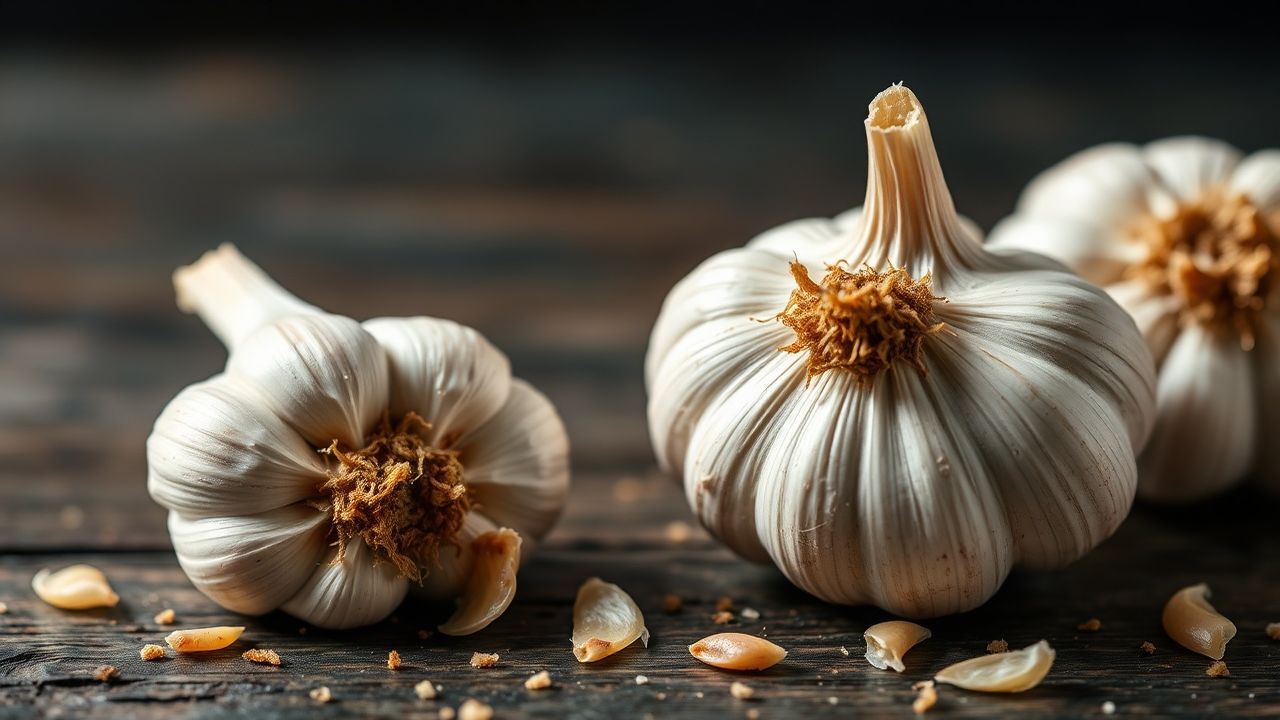

Beneath a simple garlic clove lies a volatile molecule that defines its aroma and many of its effects. Allicin forms only when garlic tissue breaks and a cascade of chemistry begins.
- What allicin is and why it matters
- How garlic makes allicin
- Practical prep: maximize allicin in the kitchen
- How heat and time change allicin
- Recipe: Garlic–Tomato Sauté (allicin-aware)
- Tips for success
- Biological and nutritional context
- Common misconceptions
- Real-world applications
- To wrap practical learning into habit
- FAQ
- Allicin forms instantly when garlic is crushed and left to rest.
- Heat destroys some allicin but not all beneficial sulfur compounds.
- Simple prep—crush, wait, then cook briefly—maximizes potency.
- Practical cooking preserves flavor and many healthful properties.
What allicin is and why it matters
Allicin is a sulfur-containing compound produced when garlic cells rupture. The molecule gives freshly crushed garlic its characteristic sharp, spicy aroma.
That aroma links directly to biological activity: allicin is reactive and interacts with microbes and free radicals. For technical context, see allicin on Wikipedia.
How garlic makes allicin
The precursor molecule inside intact garlic is called alliin. When the cell structure breaks, the enzyme alliinase converts alliin into allicin in seconds.
Enzymes drive this conversion, so timing matters. For background on the class of proteins that catalyze these reactions, consult enzyme basics.
Practical prep: maximize allicin in the kitchen
To unlock allicin efficiently, crush or finely chop garlic and let it sit for 5–10 minutes before applying heat. This pause allows the enzyme to complete conversion and raises immediate allicin levels.
Use moderate heat and add crushed garlic late in cooking when possible. Brief exposure reduces thermal breakdown and preserves more of the pungent profile.
How heat and time change allicin
Allicin is chemically unstable; heat shifts it into other sulfur compounds. Those breakdown products still have flavor and bioactivity, but they differ from fresh allicin.
Rapid, high heat accelerates breakdown. A short sauté at medium heat preserves more active compounds than prolonged roasting or deep frying.
Recipe: Garlic–Tomato Sauté (allicin-aware)
Prep: 10 minutes | Cook: 15 minutes | Total: 25 minutes. Serves 4. Easy.
Ingredients: 8 large garlic cloves (peeled, crushed or finely chopped), 2 tbsp extra virgin olive oil, 1 medium onion diced, 1 cup cherry tomatoes halved, 1/2 tsp sea salt, 1/4 tsp black pepper, 1 tbsp fresh lemon juice, 2 tsp chopped fresh parsley, optional pinch red chili flakes.
Step-by-step
1. Prepare garlic: Crush or finely chop the cloves to trigger the alliin → allicin conversion. Let the crushed garlic rest 5–10 minutes before cooking.
2. Sauté onion: Heat olive oil over medium heat and cook diced onion until translucent, about 5 minutes. Stir to prevent browning.
3. Add garlic and tomatoes: Stir in the rested garlic. Sauté 1–2 minutes until fragrant but not browned. Add tomatoes, salt, pepper, and optional chili, then cook 5–7 minutes until tomatoes soften.
4. Finish: Remove from heat, stir in lemon juice and parsley. Serve immediately with grilled fish, roasted chicken, or warm pasta.
For more on culinary applications and the health angle, see our internal guides on raw garlic benefits and garlic cooking basics.
Tips for success
Let garlic rest: Allow 5–10 minutes after crushing for maximal allicin formation. This step is simple and impactful.
Control heat: Add garlic toward the end of the cook cycle and avoid intense direct heat that browns and degrades sulfur compounds.
Storage: Store prepared mixtures in an airtight container in the refrigerator and consume within 48 hours to keep flavor and potency.
Biological and nutritional context
Besides allicin, garlic contains a matrix of sulfur compounds, vitamins, and minerals that interact biologically. Breakdown products still contribute to antimicrobial and antioxidant activity.
For a broader taxonomic and culinary perspective, review the garlic entry on Wikipedia: Allium sativum. That page summarizes botanical traits, cultivation, and historical use.
Common misconceptions
Claim: Roasted garlic has no benefits. Reality: Roasting reduces allicin but forms other sulfur compounds that still provide flavor and some bioactivity.
Claim: Supplements always match fresh garlic. Reality: Formulation and release mechanism determine whether a supplement delivers allicin; not all do.
Real-world applications
Chefs leverage the timing trick—crush then wait—to build bold raw garlic notes in dressings and finishing sauces. Nutrition professionals use the same step when recommending dietary strategies to preserve active compounds.
In clinical or research settings, standardized preparations are necessary to measure allicin’s effects. The molecule’s instability complicates dosing but not its culinary value.
To wrap practical learning into habit
Adopt two kitchen habits: crush and rest, add garlic late in the cook. These steps require seconds and yield a noticeable uptick in aroma and potential activity.
Keep a small jar of crushed raw garlic for finishing dishes when you want maximum pungency. Use sparingly to control bite and digestive comfort.
FAQ
What is allicin and where does it come from?
Allicin is a volatile sulfur compound produced when garlic cells break and the enzyme alliinase converts alliin into allicin. This reaction occurs within seconds after crushing or chopping.
How can I preserve allicin while cooking?
Crush garlic and let it rest 5–10 minutes before applying heat. Cook on moderate heat and add garlic late to limit thermal degradation.
Does cooked garlic have the same benefits as raw?
Cooked garlic contains different sulfur compounds formed from allicin breakdown. These compounds still add flavor and may retain some health-promoting properties, though they differ from fresh allicin.
Are garlic supplements a good source of allicin?
Some supplements are formulated to release allicin or its precursors, but not all do. Look for products with validated release profiles or consult a healthcare professional.
How much garlic should I use daily?
Moderate culinary amounts—one to three cloves per day—are common in dietary patterns that include garlic. Individual tolerance varies; consult a clinician if you have medical concerns.
Unlocking allicin is a straightforward blend of simple technique and chemical timing. A brief rest after crushing and mindful cooking preserve the pungent punch that makes garlic both a flavor powerhouse and a subject of scientific interest.
See also: Allicin