By using this site, you agree to the Privacy Policy and Terms of Use.
Accept
CookOrBitCookOrBitCookOrBit
  • Home
  • About Us
  • Ingredient Science
    • Flavor & Aroma
    • Protein Chemistry
    • Sugar & Starch
    • Fats & Emulsions
  • Cooking Techniques
    • Searing & Grilling
    • Baking & Roasting
    • Boiling & Steaming
    • Low & Slow
  • Kitchen Experiments
    • DIY Ferments
    • Flavor Tests
    • Gadget Testing
    • Molecular Gastronomy
  • Food Myths
    • Searing Myth
    • 5-Second Rule
    • MSG Myths
    • Microwave Myths
  • Tools
  • More
    • Extra Picks
    • Quick & Easy
      • Breakfast Ideas
      • Desserts
      • Snacks
      • Soups
    • Global Flavors
      • Asian Street Eats
      • Latin Comforts
      • Mexican Flavors
      • Modern Mediterranean
CookOrBitCookOrBit
  • Home
  • About Us
  • Ingredient Science
  • Cooking Techniques
  • Kitchen Experiments
  • Food Myths
  • Tools
  • More
Search
  • Home
  • About Us
  • Ingredient Science
    • Flavor & Aroma
    • Protein Chemistry
    • Sugar & Starch
    • Fats & Emulsions
  • Cooking Techniques
    • Searing & Grilling
    • Baking & Roasting
    • Boiling & Steaming
    • Low & Slow
  • Kitchen Experiments
    • DIY Ferments
    • Flavor Tests
    • Gadget Testing
    • Molecular Gastronomy
  • Food Myths
    • Searing Myth
    • 5-Second Rule
    • MSG Myths
    • Microwave Myths
  • Tools
  • More
    • Extra Picks
    • Quick & Easy
    • Global Flavors
Follow US
  • Advertising Policy: 10 Practical Rules for Safe, Compliant Ads
  • Contact Us
  • Cookie Policy: Clear Guide for Site Owners
  • Copyright Notice Guide: 7 Essential Rules for Website Owners
  • Disclaimer
  • Privacy Policy
  • Terms of Service
By Fimaw.com
- Unlocking Allicin: The Science Behind Garlic's Pungent Punch
CookOrBit > Blog > Ingredient Science > Flavor & Aroma > Allicin Unlocked: 7 Science-Backed Facts About Garlic’s Pungent Punch
Flavor & Aroma

Allicin Unlocked: 7 Science-Backed Facts About Garlic’s Pungent Punch

William J. Kroll
By William J. Kroll
Published: October 3, 2025
Share
SHARE

Beneath a simple garlic clove lies a volatile molecule that defines its aroma and many of its effects. Allicin forms only when garlic tissue breaks and a cascade of chemistry begins.

Contents
  • What allicin is and why it matters
  • How garlic makes allicin
  • Practical prep: maximize allicin in the kitchen
  • How heat and time change allicin
  • Recipe: Garlic–Tomato Sauté (allicin-aware)
    • Step-by-step
  • Tips for success
  • Biological and nutritional context
  • Common misconceptions
  • Real-world applications
  • To wrap practical learning into habit
  • FAQ
    • What is allicin and where does it come from?
    • How can I preserve allicin while cooking?
    • Does cooked garlic have the same benefits as raw?
    • Are garlic supplements a good source of allicin?
    • How much garlic should I use daily?
  • Allicin forms instantly when garlic is crushed and left to rest.
  • Heat destroys some allicin but not all beneficial sulfur compounds.
  • Simple prep—crush, wait, then cook briefly—maximizes potency.
  • Practical cooking preserves flavor and many healthful properties.

What allicin is and why it matters

Allicin is a sulfur-containing compound produced when garlic cells rupture. The molecule gives freshly crushed garlic its characteristic sharp, spicy aroma.

That aroma links directly to biological activity: allicin is reactive and interacts with microbes and free radicals. For technical context, see allicin on Wikipedia.

- Advertisement -

How garlic makes allicin

The precursor molecule inside intact garlic is called alliin. When the cell structure breaks, the enzyme alliinase converts alliin into allicin in seconds.

Enzymes drive this conversion, so timing matters. For background on the class of proteins that catalyze these reactions, consult enzyme basics.

Practical prep: maximize allicin in the kitchen

To unlock allicin efficiently, crush or finely chop garlic and let it sit for 5–10 minutes before applying heat. This pause allows the enzyme to complete conversion and raises immediate allicin levels.

- Advertisement -

Use moderate heat and add crushed garlic late in cooking when possible. Brief exposure reduces thermal breakdown and preserves more of the pungent profile.

💡 Expert Insight
Expert Insight: Crushing then resting garlic for 5–10 minutes is a simple, evidence-aligned step chefs and nutrition scientists recommend to increase allicin yield. Add garlic raw at the finish for highest pungency.

How heat and time change allicin

Allicin is chemically unstable; heat shifts it into other sulfur compounds. Those breakdown products still have flavor and bioactivity, but they differ from fresh allicin.

Rapid, high heat accelerates breakdown. A short sauté at medium heat preserves more active compounds than prolonged roasting or deep frying.

- Advertisement -

Recipe: Garlic–Tomato Sauté (allicin-aware)

Prep: 10 minutes | Cook: 15 minutes | Total: 25 minutes. Serves 4. Easy.

Ingredients: 8 large garlic cloves (peeled, crushed or finely chopped), 2 tbsp extra virgin olive oil, 1 medium onion diced, 1 cup cherry tomatoes halved, 1/2 tsp sea salt, 1/4 tsp black pepper, 1 tbsp fresh lemon juice, 2 tsp chopped fresh parsley, optional pinch red chili flakes.

Step-by-step

1. Prepare garlic: Crush or finely chop the cloves to trigger the alliin → allicin conversion. Let the crushed garlic rest 5–10 minutes before cooking.

2. Sauté onion: Heat olive oil over medium heat and cook diced onion until translucent, about 5 minutes. Stir to prevent browning.

3. Add garlic and tomatoes: Stir in the rested garlic. Sauté 1–2 minutes until fragrant but not browned. Add tomatoes, salt, pepper, and optional chili, then cook 5–7 minutes until tomatoes soften.

4. Finish: Remove from heat, stir in lemon juice and parsley. Serve immediately with grilled fish, roasted chicken, or warm pasta.

For more on culinary applications and the health angle, see our internal guides on raw garlic benefits and garlic cooking basics.

Tips for success

Let garlic rest: Allow 5–10 minutes after crushing for maximal allicin formation. This step is simple and impactful.

Control heat: Add garlic toward the end of the cook cycle and avoid intense direct heat that browns and degrades sulfur compounds.

Storage: Store prepared mixtures in an airtight container in the refrigerator and consume within 48 hours to keep flavor and potency.

⚠️ Pro-Caution
Pro-Caution: Excessive consumption of raw garlic can irritate the mouth, stomach, or digestive tract in some people. If you take anticoagulant medication, consult a clinician before trying concentrated garlic supplements.

Biological and nutritional context

Besides allicin, garlic contains a matrix of sulfur compounds, vitamins, and minerals that interact biologically. Breakdown products still contribute to antimicrobial and antioxidant activity.

For a broader taxonomic and culinary perspective, review the garlic entry on Wikipedia: Allium sativum. That page summarizes botanical traits, cultivation, and historical use.

Common misconceptions

Claim: Roasted garlic has no benefits. Reality: Roasting reduces allicin but forms other sulfur compounds that still provide flavor and some bioactivity.

Claim: Supplements always match fresh garlic. Reality: Formulation and release mechanism determine whether a supplement delivers allicin; not all do.

Real-world applications

Chefs leverage the timing trick—crush then wait—to build bold raw garlic notes in dressings and finishing sauces. Nutrition professionals use the same step when recommending dietary strategies to preserve active compounds.

In clinical or research settings, standardized preparations are necessary to measure allicin’s effects. The molecule’s instability complicates dosing but not its culinary value.

To wrap practical learning into habit

Adopt two kitchen habits: crush and rest, add garlic late in the cook. These steps require seconds and yield a noticeable uptick in aroma and potential activity.

Keep a small jar of crushed raw garlic for finishing dishes when you want maximum pungency. Use sparingly to control bite and digestive comfort.

FAQ

What is allicin and where does it come from?

Allicin is a volatile sulfur compound produced when garlic cells break and the enzyme alliinase converts alliin into allicin. This reaction occurs within seconds after crushing or chopping.

How can I preserve allicin while cooking?

Crush garlic and let it rest 5–10 minutes before applying heat. Cook on moderate heat and add garlic late to limit thermal degradation.

Does cooked garlic have the same benefits as raw?

Cooked garlic contains different sulfur compounds formed from allicin breakdown. These compounds still add flavor and may retain some health-promoting properties, though they differ from fresh allicin.

Are garlic supplements a good source of allicin?

Some supplements are formulated to release allicin or its precursors, but not all do. Look for products with validated release profiles or consult a healthcare professional.

How much garlic should I use daily?

Moderate culinary amounts—one to three cloves per day—are common in dietary patterns that include garlic. Individual tolerance varies; consult a clinician if you have medical concerns.

Unlocking allicin is a straightforward blend of simple technique and chemical timing. A brief rest after crushing and mindful cooking preserve the pungent punch that makes garlic both a flavor powerhouse and a subject of scientific interest.
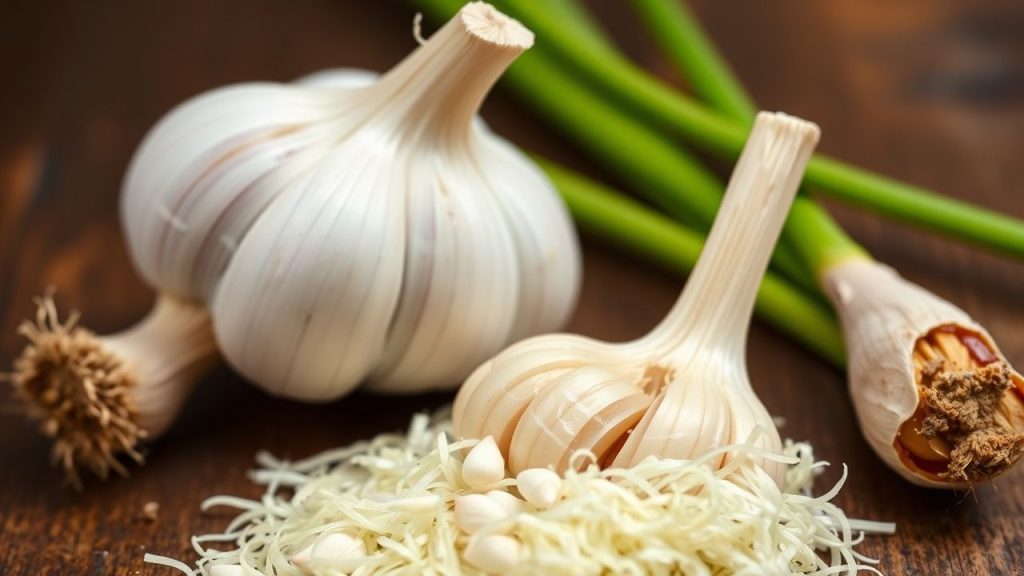
freshly crushed garlic sautéed with tomatoes

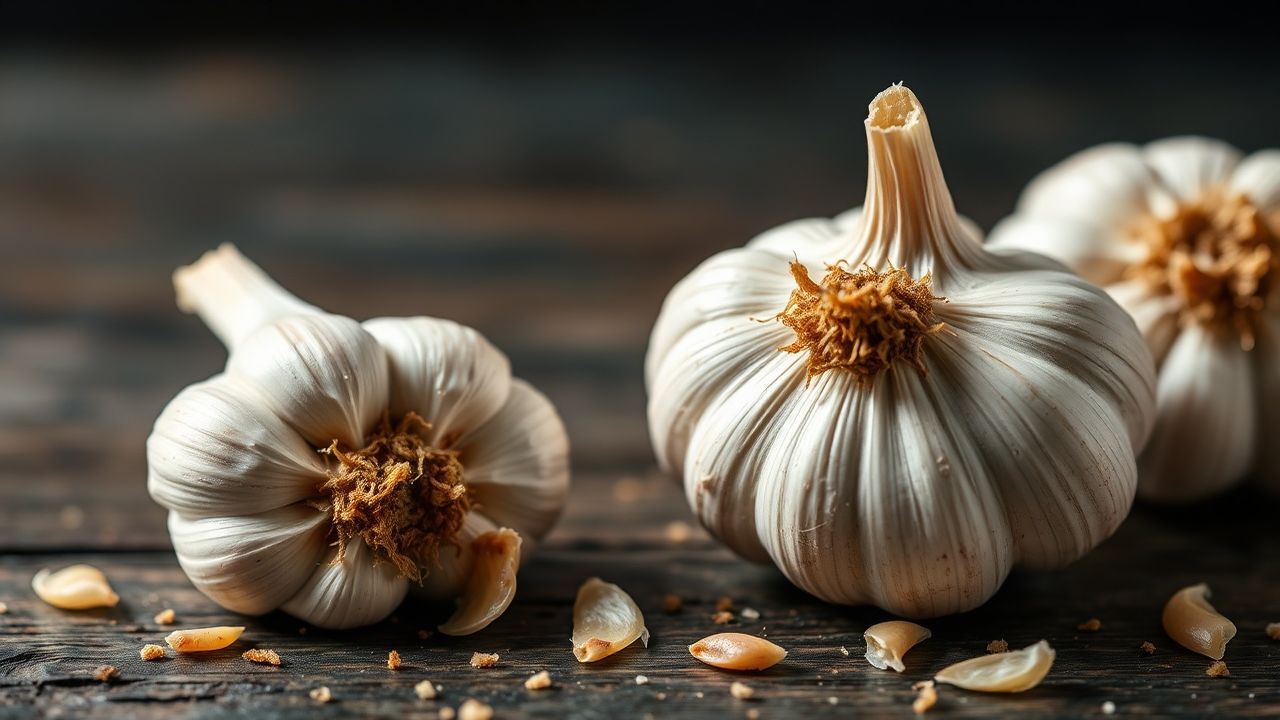
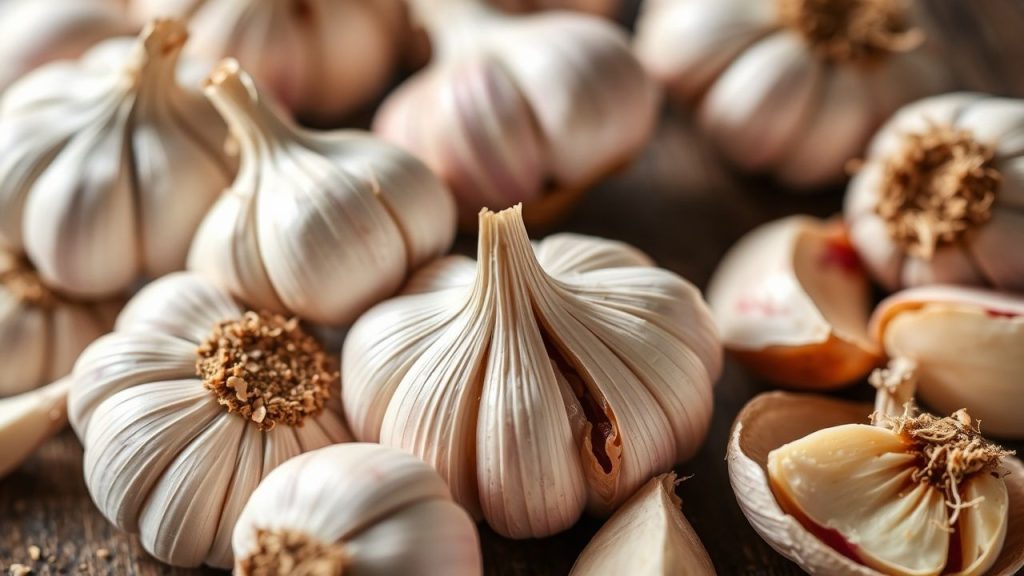
garlic cloves on counter

See also: Allicin

Savor the Flavor: 10 Expert Tips to Perfect Teriyaki Beef Bowls
Smash Burger Science: 7 Proven Steps for Maximum Flavor
7 Secrets for Smoky Roasted Vegetable Chili
Tailgate Triumph: 11 Science-Backed Tailgate Safety Tips
Harvest Harmony: 7 Pro Tips for Roasted Squash Salad Bliss
TAGGED:allicin benefitsandCooking tipscrush and restenzyme conversiongarlicgarlic cookingkitchen sciencemaximize allicinsciencetheunlocking
Share This Article
Facebook Pinterest Whatsapp Whatsapp LinkedIn Telegram Threads
What do you think?
Love0
Sad0
Happy0
Sleepy0
Angry0
Dead0
Wink0
Previous Article - Unlocking Flavor: The Art and Magic of Confit Cooking Unlocking Flavor: 7 Pro Techniques for Confit Cooking
Next Article - Acid-Set Cheese Unveiled: The Magic Behind Ricotta Ricotta Revealed: 7 Expert Secrets to Perfect Acid-Set Cheese
Creamy Garlic Chicken with melted Parmesan and fresh herbs on a rustic white plate
Garlic Chicken: 7 Ultimate Brilliant Recipes to Make the Best-Ever Creamy Garlic Chicken with Parmesan & Fresh Herbs
Extra Picks
Colorful bowls of Leftover Couscous transformed into salads, fritters, and stuffed peppers.
12 Amazing Practical Leftover Couscous Ideas: Brilliant Ways to Reuse and Remix
Uncategorized
Colorful jars of spice blends beside steaming couscous with herbs and lemon
7 Ultimate spice blends That Transform Your Couscous — Amazing Best Flavor Boosts
Uncategorized
Bowls of gluten-free couscous alternatives: quinoa, millet, cauliflower, and rice
10 Amazing couscous alternatives: Best Gluten-Free Swaps for Incredible Flavor
Uncategorized

Tags

and art baked baking science baking techniques Baking tips batch cooking beef behind browning techniques butternut squash caramelization cast iron skillet chemistry chicken comfort food Cooking science cooking technique Cooking techniques Cooking tips crafting creamy creamy soup crispy culinary science fish flavor flavor chemistry food food safety Food science for garlic golden Ground turkey hearty heat high-heat cooking high protein meals how instant read thermometer Lean protein magic Maillard reaction make ahead meals make ahead soup mastering meal prep Meal prep recipes meat thermometer microwave microwave cooking moisture control one pot meals Pan searing perfect perfectly Plant based protein Probe thermometer protein denaturation Quick dinners roasted roasted squash roasted tomato soup Roasted vegetables Roasting techniques savor savory science Searing technique Searing techniques secrets slow cooking squash steak steak cooking sweet temperature control the top turkey turkey soup turkey stew ultimate umami cooking umami flavor unlock unlocking unveiling vegetable velvety weeknight dinner Weeknight dinners weeknight meals what when why with your zesty
April 2026
M T W T F S S
 12345
6789101112
13141516171819
20212223242526
27282930  
« Mar    

You Might Also Like

Turkey Meatloaf Muffins: Protein-Packed Bites of Comfort
Extra Picks

8 Savory Turkey Meatloaf Muffins: Protein-Packed Comfort for Meal Prep

William J. Kroll
William J. Kroll
January 14, 2026
- Unlocking Flavor: The Science Behind Perfect Carbonnade Flam
Low & Slow

Unlock Flavor: 7 Proven Steps to Perfect Carbonnade Flamande

William J. Kroll
William J. Kroll
October 5, 2025
Hearty Roasted Vegetable Stew: A Cozy, Flavorful Delight
Extra Picks

Hearty Roasted Vegetable Stew: 7 Expert Tips for Deep Flavor

William J. Kroll
William J. Kroll
January 23, 2026
- Inside the Pasta Maker: How Rollers and Cutters Craft Perfec
Gadget Testing

Inside the Pasta Maker: 7 Expert Techniques Rollers and Cutters Use to Craft Perfection

William J. Kroll
William J. Kroll
September 30, 2025
Velvety Creamy Corn Chowder: A Comfort in Every Spoon
Extra Picks

7-Step Velvety Creamy Corn Chowder: Comfort in Every Spoon

William J. Kroll
William J. Kroll
January 19, 2026
Savor the Flavor: Roasted Tomato Basil Soup Recipe Delight
Extra Picks

Irresistible 7-Step Roasted Tomato Soup: Basil-Infused Recipe

William J. Kroll
William J. Kroll
January 24, 2026
Follow US
By Fimaw.com © All Rights Reserved.
  • Advertising Policy: 10 Practical Rules for Safe, Compliant Ads
  • Contact Us
  • Cookie Policy: Clear Guide for Site Owners
  • Copyright Notice Guide: 7 Essential Rules for Website Owners
  • Disclaimer
  • Privacy Policy
  • Terms of Service
Welcome Back!

Sign in to your account

Username or Email Address
Password

Lost your password?