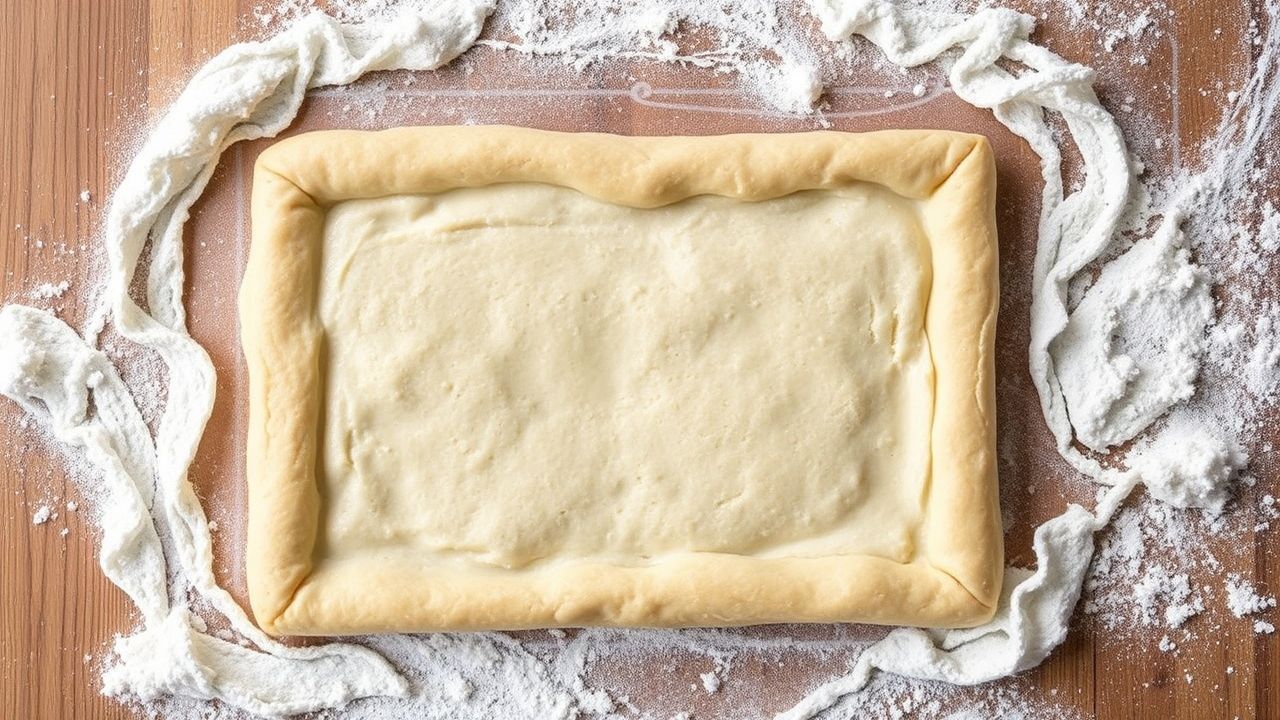

Beneath the humble surface of dough lies clear, measurable structure. Mastering the windowpane test gives bakers a hands-on way to evaluate gluten strength and dough readiness.
- Prep and Cook Time
- Yield
- Difficulty Level
- Ingredients for Mastering the Windowpane Test
- Step-by-Step Instructions to Perform the Windowpane Test with Precision
- Interpreting Results and Adjusting Dough for Perfect Texture
- Expert Tips to Master Gluten Strength for Artisan Baking Success
- Serving Suggestions
- Resources and Further Reading
- FAQ
- What exactly is the gluten windowpane test?
- When should I perform the test during my bake?
- Why does my dough tear during the test?
- Can I use this test for all dough types?
- How many times should I test a single batch?
- Wrapping Up
- Check gluten development by stretching a small dough piece into a translucent membrane.
- Troubleshoot hydration when dough tears easily or feels stiff during the test.
- Use tactile cues together with proofing time to time your next shaping step.
- Practice builds intuition—repeat the test across recipes to learn flour behavior.
Prep and Cook Time
Planning time helps you schedule kneading, rests, and bulk fermentation. Typical hands-on prep takes about ten minutes, while bulk fermentation often takes one to two hours depending on temperature and yeast activity.
Allow extra time when you test and re-test dough with the windowpane method. Testing does not add much clock time, but it improves outcome reliability and prevents under- or overworked dough.
Yield
This guidance uses a roughly 700 g dough batch, suitable for one artisan loaf. You can scale the ratios proportionally for multiple loaves or different pan sizes.
Adjust hydration and mixing time when you change batch size; larger batches retain heat and may need slightly longer kneading or cooler proofing. Keep notes so you repeat successful results.
Difficulty Level
Medium. The technique itself is simple, but interpreting tactile feedback requires practice. Expect to refine feel, timing, and hydration across several bakes.
Beginners should practice on standard bread formulas first, then try enriched or whole-grain doughs once they understand gluten behavior. Use the windowpane test as a repeatable checkpoint.
Ingredients for Mastering the Windowpane Test
Use a straightforward dough formula to focus on technique: bread flour, water, salt, and a modest amount of yeast. A well-balanced recipe highlights gluten development without masking faults from ingredient overload.
Standard example: 500 g bread flour, 320 g water, 10 g salt, 7 g yeast. Adjust hydration by 2-4% based on your flour and local humidity; document changes in a baking log.
Step-by-Step Instructions to Perform the Windowpane Test with Precision
Follow these steps in sequence to assess gluten strength. Use relaxed, rhythmic handling to avoid tearing the network you want to evaluate.
- Mix the dough: Combine flour and yeast, then add water gradually until all flour hydrates. Mix just until a shaggy mass forms to avoid premature overworking.
- Initial kneading: Turn dough onto a floured surface and knead 8–10 minutes using a push-fold-turn motion. Look for elasticity and a smoother surface as signs of initial gluten alignment.
- Pause and rest: Cover and rest 10 minutes to let strands relax and hydrate. This autolyse-like pause improves extensibility before you add salt or continue kneading.
- Add salt and finish kneading: Sprinkle salt and knead another 5 minutes to strengthen the gluten network. Salt tightens gluten bonds and enhances flavor, so incorporate it evenly.
- First windowpane check: Pinch off a golf-ball sized piece, then gently stretch it between thumbs and forefingers into a thin membrane. Hold it to the light: a translucent pane without immediate tearing indicates developing gluten.
- Bulk fermentation: Place dough in an oiled bowl, cover, and allow to rise until roughly doubled. Fermentation relaxes gluten and develops flavor; timing varies with temperature and yeast.
- Final gluten test: Repeat the windowpane after bulk fermentation to judge maturity before shaping. If the pane is uniformly thin and translucent, move to shaping; if not, extend folds, rest, or light kneading.
Practical tips during each step
When stretching, rotate the dough piece between fingers to test multiple directions. Uniform stretch without immediate tearing shows balanced gluten alignment.
If the dough resists and snaps back, give it short rests to relax. Conversely, if the dough slacks and won’t hold tension, incorporate stronger folds or reduce hydration slightly next time.
Interpreting Results and Adjusting Dough for Perfect Texture
Elasticity, translucency, and failure pattern tell you what to change. Quick tears suggest underdeveloped gluten or low hydration; slack panes suggest over-relaxed gluten or overproofing.
Adjust kneading time in small increments and use brief rests to let gluten realign. Also, modulate hydration by a few percent: add water if dough feels dry; reduce water if it is overly slack for your flour type.
If the membrane forms but shows holes at the edges, practice gentler stretching and longer rests. This pattern often signals adequate development but insufficient extensibility.
Expert Tips to Master Gluten Strength for Artisan Baking Success
High-protein flours generally form stronger gluten networks, but handling and hydration remain decisive factors. Use consistent measurement and keep a baking log to identify patterns.
Temperature influences gluten and yeast activity; warm doughs develop gluten faster and ferment quicker, while cooler doughs slow both processes. Adjust kneading and proof times accordingly.
Practice the test across formulas: lean hearth breads, enriched doughs, and whole-grain mixes behave differently. The windowpane is most reliable with wheat-based doughs where gluten forms a continuous network.
Use visual and tactile records: note how the dough looks, feels, and passes the test at each stage. Over time you’ll anticipate proofs and shaping windows more reliably.
Subtle adjustments
Increase strength with additional fold cycles rather than extended intense kneading. Gentle folds align gluten without overheating the dough.
For high-hydration doughs, accept a looser feel but test more frequently. These doughs can produce large open crumb when handled correctly, even if the pane appears slack early on.
Serving Suggestions
Once your dough passes the final windowpane and bakes into a crusty loaf, slice and serve simply to highlight crumb structure. Fresh butter, olive oil, or a soft cheese complement an open, chewy interior.
Toast slices to evaluate crumb openness and oven spring in subsequent loaves. Sharing notes and photos with other bakers speeds learning and refines your technique.
Resources and Further Reading
For foundational background, consult key references on gluten, dough behavior, and fermentation. These scientific overviews clarify what you feel in the bowl and why it matters during baking.
Read more on gluten, the physical properties of dough, classic bread structure, and how fermentation modifies gluten and crumb. Combine these concepts with hands-on practice to gain consistent results.
Explore internal guides such as Artisan Bread Kneading Techniques and Bread Hydration Guide for recipe-specific adjustments and advanced folding methods.
FAQ
What exactly is the gluten windowpane test?
The windowpane test involves stretching a small dough piece until it becomes thin enough to let light pass through. A translucent, unbroken membrane indicates that gluten strands have formed a continuous, elastic network.
When should I perform the test during my bake?
Test after initial kneading and again after bulk fermentation. Early checks indicate whether to continue kneading; later checks confirm readiness for shaping and final proof.
Why does my dough tear during the test?
Tearing usually means underdeveloped gluten or insufficient hydration. Add short rests or knead gently longer. Small hydration adjustments can make a large difference, especially with whole-grain flours.
Can I use this test for all dough types?
The test works best for wheat-based doughs that form gluten. Low-gluten or gluten-free doughs, and high-rye blends, will not produce a clear windowpane and require alternative readiness checks.
How many times should I test a single batch?
Perform a minimum of two checks: once after initial kneading and again after bulk fermentation. If you make adjustments, test again to confirm their effect before shaping.
Wrapping Up
The windowpane test turns an intuitive skill into a repeatable checkpoint. It helps bakers control crumb, oven spring, and final texture through measured assessment of gluten strength.
Practice this test over multiple recipes and keep simple notes on hydration, kneading time, and test outcomes. With steady practice you will build reliable instincts and bake consistently better loaves.
See also: windowpane test