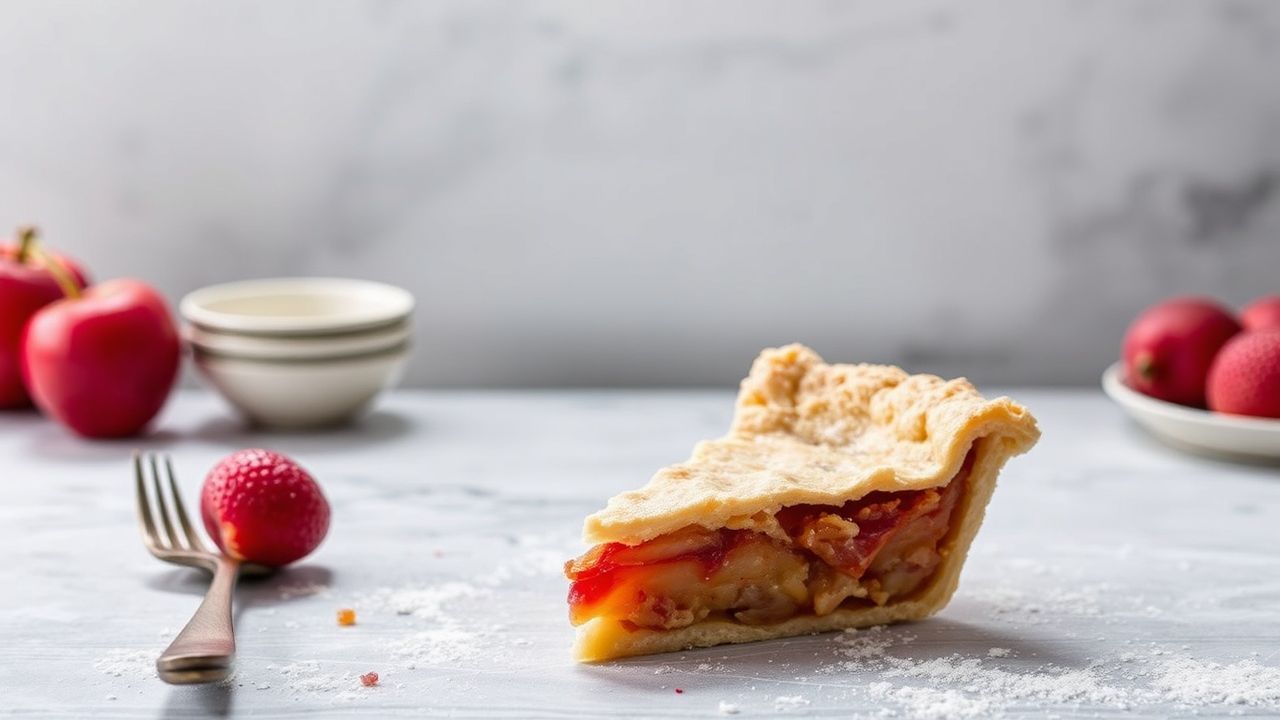

There is nothing more satisfying than a perfectly crisp pie crust bottom that supports a juicy filling without sogginess. As a pastry chef with decades of kitchen experience, I will show precise, actionable steps you can use to achieve that ideal texture every time.
- Cold fats and short handling lock in flakiness and prevent a wet base.
- Blind baking sets the structure before filling and stops moisture transfer.
- Moisture barriers such as egg wash or dry crumbs absorb excess filling juices.
- Oven heat strategy and pan choice directly control bottom crispness.
Prep and Cook Time
Preparation: 30 minutes | Chilling: 1 hour | Baking: 20–25 minutes. Plan ahead so fats stay cold and the dough relaxes before rolling.
For best results, schedule chilling and bench rests. This reduces gluten tension and prevents shrinkage during baking.
Yield
One 9-inch double-crust pie serves eight. Use a heavy 9-inch metal pie plate for optimal bottom heat and predictable results.
If you prefer a shallower or deeper dish, adjust baking time and consider a pizza stone under the rack to boost bottom heat.
Difficulty Level
Medium: This technique demands cold ingredients and precise timing, but it delivers professional results. Even home bakers can master it with practice.
Follow each step closely. Minor technique shifts like fat size and oven position make the difference between soggy and crisp.
Ingredients
The ingredient list keeps the formula tight so it behaves predictably in the oven. Use measured weights when possible for consistency.
- 1 1/4 cups all-purpose flour, sifted — balance of structure and tenderness.
- 1/2 cup cold unsalted butter, cubed — creates flaky layers when chilled and handled minimally.
- 1/4 cup cold vegetable shortening — improves tenderness and keeps the base crisp under wet fillings.
- 1/4 teaspoon fine sea salt — enhances flavor.
- 3–4 tablespoons ice-cold water — add sparingly until dough holds together.
- 1 egg white, lightly beaten (optional) — seals and adds a crisp glaze.
- Pie weights or dried beans — necessary for blind baking.
Instructions
Work quickly and keep ingredients cold. Handle the dough just until it comes together to preserve discrete fat pockets that create flakiness.
Use a food scale and a chilled bowl when possible. Precise temperatures and technique trump tricks when the goal is a crisp bottom.
Mixing and chilling
Combine flour and salt in a large bowl. Cut in cold butter and shortening until the mixture resembles coarse crumbs with some pea-sized pieces; these produce flaky layers.
Add 3 tablespoons of ice water and mix just until the dough holds. Form into a flat disc, wrap tightly, and chill at least 1 hour to firm the fats and relax gluten.
Rolling, lining, and blind baking
Roll the dough on a lightly floured surface to a 12-inch circle about 1/8 inch thick. Transfer to a 9-inch pie plate, trim, and crimp the rim to your preference.
Line the crust with parchment and fill with pie weights. Bake at 375°F (190°C) for 15 minutes to set the base, then remove weights and bake 5–10 minutes more until dry and pale golden. This step prevents the filling from steaming into the dough.
Finishing before filling
Brush the blind-baked surface with beaten egg white or a thin layer of melted butter. This forms a light moisture barrier that improves crispness under wet fillings.
For double-crust pies, vent the top crust to allow steam to escape. Also, place the pie on the lowest rack for stronger bottom heat during the final bake.
Tips for Success
Control moisture at every stage. Cold fats, chilled dough, blind baking, and a sealed surface all reduce liquid migration into the base.
Choose tools that help you get heat where you need it. A metal pie plate and a preheated stone or baking steel boost bottom crispness significantly.
Use a thin scatter of ground nuts, fine cookie crumbs, or semolina on the bottom of the blind-baked shell before adding filling. These dry particles absorb stray juices and create a gritty buffer layer.
Rotate the pie mid-bake if your oven heats unevenly. Also, avoid placing the pie directly against a back wall where heat can be too intense and cause uneven browning.
If you prefer a naturally drier crust, replace up to 1/4 cup of the all-purpose flour with cake flour for a more tender, fragile crumb. Conversely, adding a tablespoon of semolina can bridle moisture and add bite.
Serving Suggestions
Serve pies at a warm but not piping-hot temperature so the base remains crisp while the filling sets slightly. This contrast improves texture and slicing quality.
Garnish with a light dusting of powdered sugar, a drizzle of caramel, or a scoop of cold vanilla ice cream for contrast. Toasted nuts or fresh berries add crunch and brightness.
Practical Science Behind a Crisp Bottom
The bottom crust crisps when dry heat evaporates surface moisture while starches and proteins gelatinize and set. Preventing excess moisture transfer ensures the base reaches that dry, crisp state.
Cold fats delay melting so steam forms as separate pockets during baking, creating layers that stay crisp. For technical reading on related food-starch behavior, consult the entries on gluten and flour.
Related Resources
For more on pastries and pies, review the general concepts in the pastry and baking articles. These resources reinforce why temperature control and handling matter.
See my step-by-step blind-baking guide and a tool list on local pages for templates and printable charts: Blind baking guide and Recommended baking tools. These internal pages provide timing charts and equipment picks that help reproduce the same result reliably.
FAQ
Why does my pie crust bottom turn soggy despite blind baking?
Blind baking reduces moisture but does not eliminate it. A soggy base often results from overly wet filling, incomplete blind baking, or failing to seal the crust surface before adding filling.
To fix this, extend the blind bake until the base feels dry to the touch and add a light seal of beaten egg white. Also reduce liquid in the filling by macerating fruit first and draining excess juices.
Can I prevent sogginess without blind baking?
For certain pies, you can use dry layers like ground nuts, breadcrumbs, or semolina to absorb juices. However, for custard or very juicy fruit pies, blind baking remains the most reliable method.
Also consider par-cooking wet fillings to shrink their water content before assembling the pie for the final bake.
Does the pie dish material really matter?
Yes. Metal conducts heat faster and promotes browning and crisping at the bottom. Ceramic and glass retain heat differently and can slow bottom browning.
If you only have glass or ceramic, place the pie on a preheated baking steel or pizza stone to increase direct bottom heat and encourage a crisper base.
How hot should the oven be for the best bottom crust?
Start with higher heat, typically 400–425°F (200–220°C) for the first 12–15 minutes, then lower to finish baking. This gives the base a burst of heat to set the structure quickly and reduce steam absorption.
Place the pie on the lowest rack to maximize exposure to the oven’s bottom element. For small adjustments, a single degree change can affect browning, so test and note results.
Are there alternative crusts that resist sogginess naturally?
Nut-based crusts, cornmeal, or semolina crusts absorb less water and provide better barriers under wet fillings. These alternatives also add texture and flavor variation.
Experiment with ratios: a nut crust often uses ground nuts plus a small binder (butter or oil) and will brown faster, so watch baking times closely.
Mastering these steps will yield a reliably crisp pie crust bottom. Apply these techniques consistently, and you will see measurable improvements in texture and flavor balance.
See also: Pie crust