

Diabetes dinners: 7 Satisfying Diabetes-Friendly Dinners
Diabetes dinners can be flavorful, practical, and blood-glucose friendly when you combine whole grains, vegetables, healthy fats, and lean protein. This Mediterranean quinoa salad recipe demonstrates a repeatable template you can use across seven weeknight variations.
- Diabetes dinners: 7 Satisfying Diabetes-Friendly Dinners
- Why this recipe works for blood sugar control
- Prep and Cook Time
- Yield
- Difficulty Level
- Ingredients
- Instructions
- Chef’s Notes: Tips for Success
- Pro-Caution
- Serving Suggestions
- Nutritional Information (Per Serving)
- Practical Meal-Prep Workflow
- To Wrap It Up
- FAQ
- Balanced plate: fiber-rich quinoa and vegetables slow glucose rise.
- Simple swaps: avocado or grilled fish boost healthy fats and protein.
- Meal-prep friendly: batch-cook components to control portions and timing.
Why this recipe works for blood sugar control
This Mediterranean-style quinoa salad blends complex carbs, fiber, monounsaturated fat, and protein to moderate post-meal glucose. Pairing ingredients this way slows digestion and flattens glucose peaks, which is the central goal of practical diabetes dinners.
Quinoa supplies resistant starch and fiber while olive oil provides monounsaturated fat that supports overall metabolic health. For context on the ingredients, see quinoa and olive oil.
Prep and Cook Time
Preparation: 15 minutes. Cooking: 20 minutes. Total: 35 minutes. These times make the recipe practical for most weeknights and feasible for batch sessions.
Quinoa cooks quickly and firms when chilled, so you can batch-cook grains and assemble dinners in under 10 minutes on serving days. This efficiency helps maintain consistent diabetes dinners during a busy week.
Yield
Serves 4 generous portions. Use measuring tools to standardize each portion and control carbohydrate load per meal. Portion consistency is a core tactic for safe diabetes dinners.
Package leftovers into single-serve containers to support predictable intake and prevent unplanned overeating. Proper portion control reduces variability in post-meal glucose responses.
Difficulty Level
Easy. The method requires basic stovetop and knife skills, suitable for cooks of all levels who need reliable diabetes dinners. No specialty equipment needed.
Skills used here—simmering grains, chopping vegetables, and whisking a dressing—translate to many low-glycemic recipes you can rotate across seven diabetes dinners each week.
Ingredients
Use fresh produce and rinse quinoa to remove saponins. Small swaps—low-sodium broth, avocado for feta—adjust the dish for personal taste and medical needs.
- 1 cup quinoa, rinsed thoroughly
- 2 cups water or low-sodium vegetable broth
- 1 cup cucumber, diced small
- 1 cup cherry tomatoes, halved
- 1/2 cup Kalamata olives, pitted and sliced
- 1/4 cup red onion, finely chopped
- 1/2 cup crumbled feta cheese (optional)
- 1/4 cup fresh parsley, chopped
- 2 tablespoons extra virgin olive oil
- 2 tablespoons fresh lemon juice
- 1 teaspoon dried oregano
- Salt and freshly ground black pepper, to taste
Substitute feta with diced avocado to increase heart-healthy fats and lower sodium. Swap quinoa for other whole grains or legumes depending on dietary preference and portion targets for diabetes dinners.
Instructions
Follow these steps for consistent texture and balanced flavor. Timing and temperature matter for fluffy quinoa and crisp vegetables, which keep the salad satisfying.
- Cook the quinoa: Bring water or low-sodium broth to a boil, add rinsed quinoa, lower heat, cover, and simmer 15 minutes. Let sit covered 5 minutes, then fluff with a fork.
- Prepare the vegetables: While quinoa cooks, chop cucumber, cherry tomatoes, olives, red onion, and parsley. Combine fresh ingredients in a large bowl.
- Make the dressing: Whisk olive oil, lemon juice, oregano, salt, and pepper until emulsified. Taste and adjust acidity or salt minimally to protect sodium targets for diabetes dinners.
- Combine: Add quinoa to vegetables, pour dressing over, and toss gently to coat. Top with feta or avocado and chill 10 minutes before serving.
- Serve: Plate with a 3–4 oz lean protein portion to increase satiety and blunt glucose response.
Pre-chopped vegetables stored in airtight containers save time. Store dressing separately to preserve crisp texture and to let you control per-serving fat and sodium.
Chef’s Notes: Tips for Success
Toast quinoa in a dry skillet 2–3 minutes before cooking for nuttier flavor and better grain separation. This small step improves texture and encourages repeat cooking at home.
Rotate seasonal vegetables to vary nutrients and maintain interest across a week of diabetes dinners. For glycemic context, review the glycemic index guidance linked below.
Use a food scale to measure portions when you first adopt recipes. Tracking intake for several meals provides objective data to refine portion sizes and ingredient swaps.
Pro-Caution
Adjust cheese and salt if you have kidney disease or significant sodium restrictions. Consult a registered dietitian for personalized guidance before modifying protein or dairy components.
Tailor portion sizes and ingredient choices to medical advice and glucose data. People using insulin or medications should coordinate meal carbohydrate content with their dosing plan.
Serving Suggestions
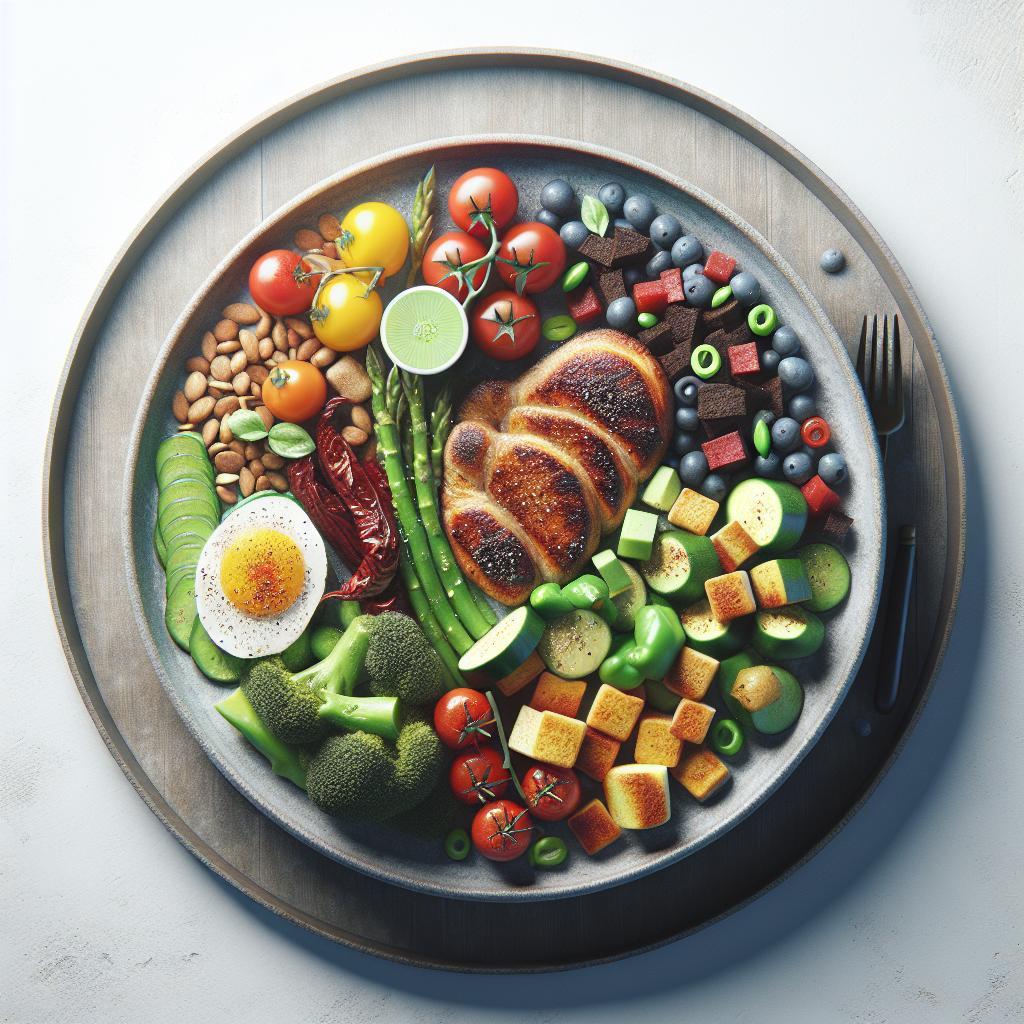
Serve the salad chilled or at room temperature on a bed of baby spinach to increase vegetable volume with minimal carbs. This simple plate upgrade increases fiber and micronutrient density for diabetes dinners.
Pair one serving with 3–4 oz grilled chicken or pan-seared salmon to add lean protein and keep glucose response steady. Alternately, add roasted non-starchy vegetables for extra bulk and flavor.
Nutritional Information (Per Serving)
Approximate values below reflect standard ingredient sizes and common preparations. Adjust numbers to match your brands and portioning for precise diabetes dinners planning.
| Nutrient | Per Serving |
|---|---|
| Calories | 320 |
| Protein | 10g |
| Carbohydrates | 34g |
| Fat | 14g |
These calculations are a baseline; adding avocado or an extra protein portion raises calories and shifts macronutrient ratios. Track changes when you adopt this among other diabetes dinners.
Practical Meal-Prep Workflow
Batch-cook quinoa and store it in the refrigerator for up to four days. Keep chopped vegetables separate to preserve texture and minimize water release into the salad.
Store dressing independently to keep components crisp and to control sodium and fat per portion. Assemble portions the day you will eat them to maximize freshness for diabetes dinners.
To Wrap It Up
Diabetes dinners do not require sacrifice. This Mediterranean quinoa salad balances complex carbs, fiber, and healthy fats to support steady glucose while delivering satisfying flavor.
Apply portion control, pair with lean protein, and rotate ingredients to keep meals interesting. Use the template in this recipe to build seven repeatable diabetes dinners that fit your week.
FAQ
The FAQ below answers practical questions about diabetes dinners and how to adapt this recipe. Each response gives actionable steps you can use right away.
What makes a dinner “diabetes-friendly”?
A diabetes-friendly dinner emphasizes fiber-rich carbohydrates, lean protein, and healthy fats to slow digestion and blunt glucose spikes. Portion size and meal timing also affect post-meal glucose.
Choose whole grains, non-starchy vegetables, and monounsaturated fats to promote steadier energy. For context on metabolic guidance, review Diabetes mellitus.
Can I replace quinoa with another grain?
Yes. Swap quinoa for barley, bulgur, or whole-grain farro to change texture and glycemic load. Adjust cooking times and liquid ratios for each grain.
Legumes like lentils or chickpeas also work and increase fiber and protein per serving. Test substitutions and monitor glucose to find which choices suit your targets among diabetes dinners.
How should I portion this salad for better blood sugar control?
Measure servings to keep carbohydrates within your target range, commonly 30–45 grams per meal for many adults. Use a food scale or measuring cups to standardize portions.
Combine the salad with a 3–4 oz lean protein serving to raise satiety and blunt glucose response. Consistency across meals makes blood-glucose patterns easier to interpret.
Is this suitable for a low-carb approach?
Yes. Reduce the quinoa amount and increase non-starchy vegetables and protein to lower total carbs per serving. Serving the salad over a bed of greens instead of adding grain reduces net carbs further.
Track net carbs and monitor how changes affect blood glucose to personalize the dish. Use targeted adjustments within your broader meal plan for balanced diabetes dinners.
Where can I find more guidance on diet and diabetes?
Consult registered dietitians and national diabetes organizations for evidence-based guidance. Combine professional advice with your own glucose data to create individualized diabetes dinners.
For reference on carbohydrate impact, see glycemic index and Mediterranean diet entries for context on dietary patterns.
See also: Healthy Lunch Ideas for Diabetes and Low-Carb Dinner Recipes.
See also: Diabetes dinners