
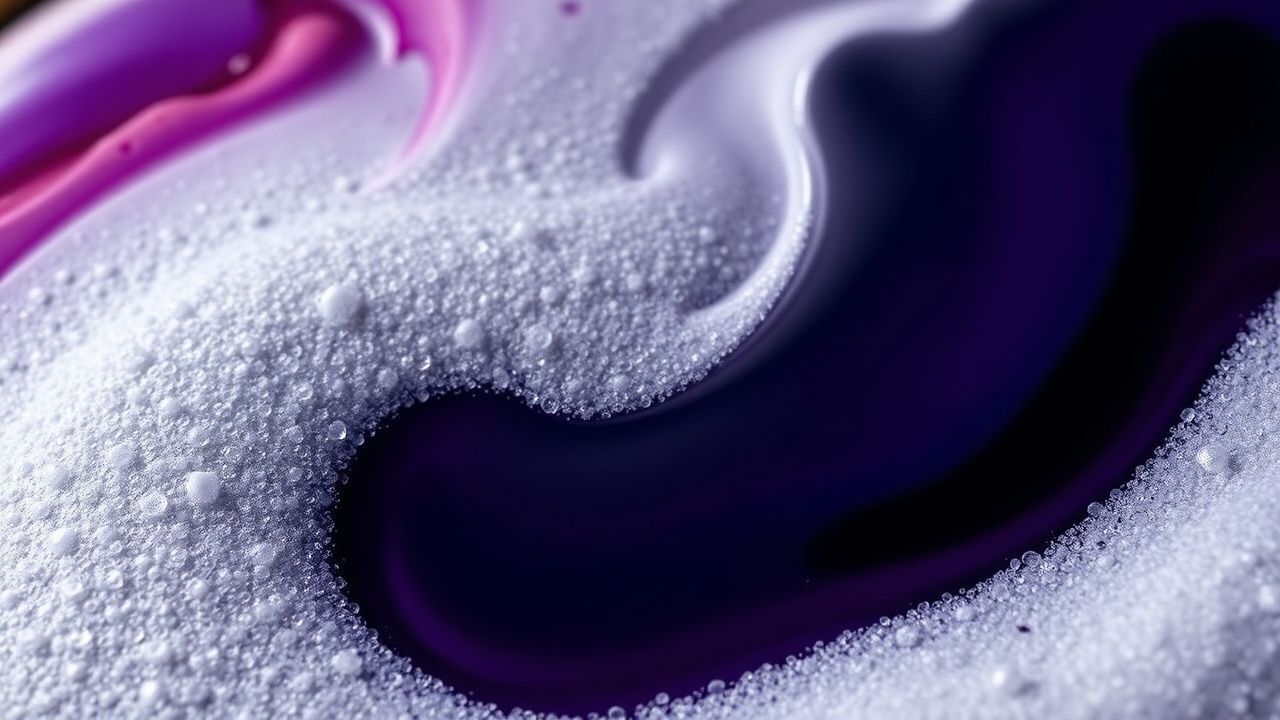

Mastering Espuma: How to Make the Perfect Espuma Every Time starts with respect for texture and precision. Espuma—an airy culinary foam—adds immediate lift to sauces, soups, desserts, and cocktails when you control temperature, stabilizers, and aeration.
- Key takeaway: Temperature and stabilizer selection determine foam stability.
- Key takeaway: Nitrous oxide in a siphon gives the creamiest, most consistent espuma.
- Key takeaway: Small adjustments to liquid ratios fix common problems quickly.
Why Espuma Works
Espuma converts a flavorful liquid into a structured foam by trapping gas in a stabilized network. The stabilizer turns transient bubbles into a lasting matrix that holds texture and flavor on the plate.
The technique sits inside the practice of molecular gastronomy, where chefs use modern tools and food science to control texture and aroma. Understanding that science sharpens your results.
Prep and Cook Time
Preparation: 10 minutes active work. Keep steps tight to avoid warming ingredients. Cold starting prevents collapse.
Cook Time: 5 minutes if you need to infuse or heat a base. For many vegetable or fruit bases, brief heating extracts flavor and helps dissolve stabilizers evenly.
Yield and Difficulty
Yield varies with siphon size; the basic recipe below yields about 4 servings. Measure volumes to match your equipment so you avoid overfilling a cream whipper.
Difficulty: Medium. You need basic tools and attention to detail. The learning curve is short if you follow precise temperatures and dosing.
Ingredients
Here is a reliable base for a classic, creamy espuma. Change the stock or puree for sweet or savory variations while keeping proportions steady.
- 1 cup (240 ml) heavy cream, chilled (cream)
- 1/2 cup (120 ml) vegetable or chicken stock or fruit puree for sweet foams
- 2 teaspoons lecithin powder — a surface-active stabilizer (lecithin)
- Pinch of salt for savory or 1 tablespoon sugar for sweet
- Optional: fresh herbs, citrus zest, vanilla, or concentrated flavor reductions
Keep ingredients cold and concentrated. If a base tastes weak before foaming, it will taste weaker after aeration; adjust seasoning before charging.
Equipment Essentials
The right toolset reduces guesswork. A commercial cream whipper (iSi-style) charged with nitrous oxide yields the creamiest textures for dairy and emulsified bases.
For gas and safety background, consult the nitrous oxide entry: nitrous oxide. Use fresh cartridges and follow manufacturer instructions for your siphon model.
Instructions
Follow these steps precisely for consistent espuma. The process divides into mixing, stabilizing, charging, and resting.
Mixing and Stabilizing
1. Combine cold liquids. In a chilled bowl, whisk heavy cream and stock or puree until even. Keep the bowl in a fridge or on ice to maintain low temperature.
2. Add lecithin. Sprinkle lecithin over the surface and blend with an immersion blender. Start slowly to incorporate the powder, then increase speed for a uniform suspension. The lecithin acts as an emulsifier and stabilizer.
Whipping, Charging, and Resting
3. Whip lightly. Blend until the mixture gains slight viscosity but stays pourable. Over-whipping can produce a stiff, meringue-like texture that defeats the silkiness you want.
4. Season and fill the siphon. Adjust salt or sugar to taste, then transfer the base into the clean, chilled siphon. Do not exceed the fill line on your device.
5. Charge with N2O. Attach a nitrous oxide cartridge and charge per device instructions. Shake the siphon vigorously 10–20 times depending on volume; this evenly distributes gas and prevents channeling.
6. Rest in the fridge. Refrigerate the charged siphon at least 1–2 hours. Cold stabilizes the foam and allows microbubbles to equalize, producing a silkier mouthfeel.
Dispensing
Hold the siphon upside-down and dispense gently. A steady, controlled release forms a smooth, cohesive foam that sits on food without breaking.
If you need to retexture the espuma later, invert the siphon, vent any gas slowly, and re-charge following safety guidelines.
Allow at least one hour between charging and service when you want a slightly denser foam for plating. This rest time helps microbubbles stabilize and prevents immediate collapse on warm dishes.
If you plan to prepare multiple flavors, clean the siphon thoroughly between batches. Residual sugars or oils will alter emulsification and affect the next foam’s stability.
Tips for Success
Temperature control: Cold ingredients and chilled equipment preserve bubble structure. Warm mixtures break down quickly once aerated.
Stabilizer choice: Use lecithin for delicate foams that disperse quickly; gelatin or agar gives firmer gels. Match the stabilizer to the desired texture.
Gas and handling: Fresh N2O cartridges supply consistent pressure. Shake after charging and keep the siphon cold until plating.
Troubleshooting: If the foam is watery, increase lecithin by 0.5 teaspoon or reduce liquid by 5–10 percent. If the foam is too stiff, add a splash of cream or stock and re-blend gently.
Serving Suggestions
Espuma complements strong, simple bases. Try a bright tomato-basil espuma over grilled crostini or a lemon-herb espuma atop scallops for contrast and lift.
For desserts, pair mango or citrus espuma with crunchy textures such as crisp tuile or toasted coconut for contrast. Use micro herbs, edible flowers, or a finishing oil sparingly to preserve the foam’s profile.
For more ideas and complementary sauces, see our internal reference: Comprehensive Guide to Foam-Based Sauces. Also browse practical equipment recommendations at Kitchen Tools and Siphons.
Nutrition
Per serving (classic cream base): roughly 120 calories, 1 g protein, 2 g carbs, 12 g fat. Values change with stock, puree, and added sugar.
Reduce calories by substituting some cream with concentrated vegetable reductions or lower-fat emulsified bases, and retest stabilizer levels for texture retention.
| Nutrition per Serving | Calories | Protein | Carbs | Fat |
|---|---|---|---|---|
| Espuma (classic cream base) | 120 | 1g | 2g | 12g |
Advanced Variations
Use high-concentration flavor reductions for intense, low-volume foams. Reductions allow bold flavor without diluting stabilizer function.
Vegetable and fruit bases often need pectin or a combined stabilizer approach. Combine small amounts of agar or xanthan with lecithin to tune firmness versus dispersal.
FAQ
What exactly is espuma?
Espuma is a culinary foam made by incorporating gas into a flavored liquid and stabilizing the bubbles so the foam holds shape. Chefs use it to add airy texture and concentrated flavor to dishes.
Can I make espuma without a siphon?
Yes. An immersion blender can create a usable espuma for immediate service. Expect a slightly coarser texture and a shorter hold time compared with siphon-made foams.
Which stabilizer should I use?
Choose lecithin for light, quick-dissipating foams. Use gelatin for rich, stable textures that tolerate heat, and agar or xanthan for vegan options. Match the stabilizer to the dish and service timeframe.
Why did my espuma collapse quickly?
Common causes include warm base temperature, insufficient stabilizer, or undercharging the siphon. Cool the mixture, increase stabilizer slightly, and ensure proper N2O use.
Is nitrous oxide safe for culinary use?
When you use food-grade nitrous oxide cartridges designed for cream whippers and follow manufacturer safety instructions, it is the standard gas for culinary foams. Never reuse spent cartridges or substitute unknown gases.
Summary: Mastering espuma requires precise ratios, cold handling, and correct stabilizer choice. Practice small batches, adjust seasoning before charging, and rest charged siphons cold for the best texture. With these controls you can deliver consistent, restaurant-quality foams that enhance both flavor and presentation.
Further reading on food emulsifiers and technique is available through authoritative sources such as emulsifier and the cream overview when you want to refine your approach.
See also: Espuma