
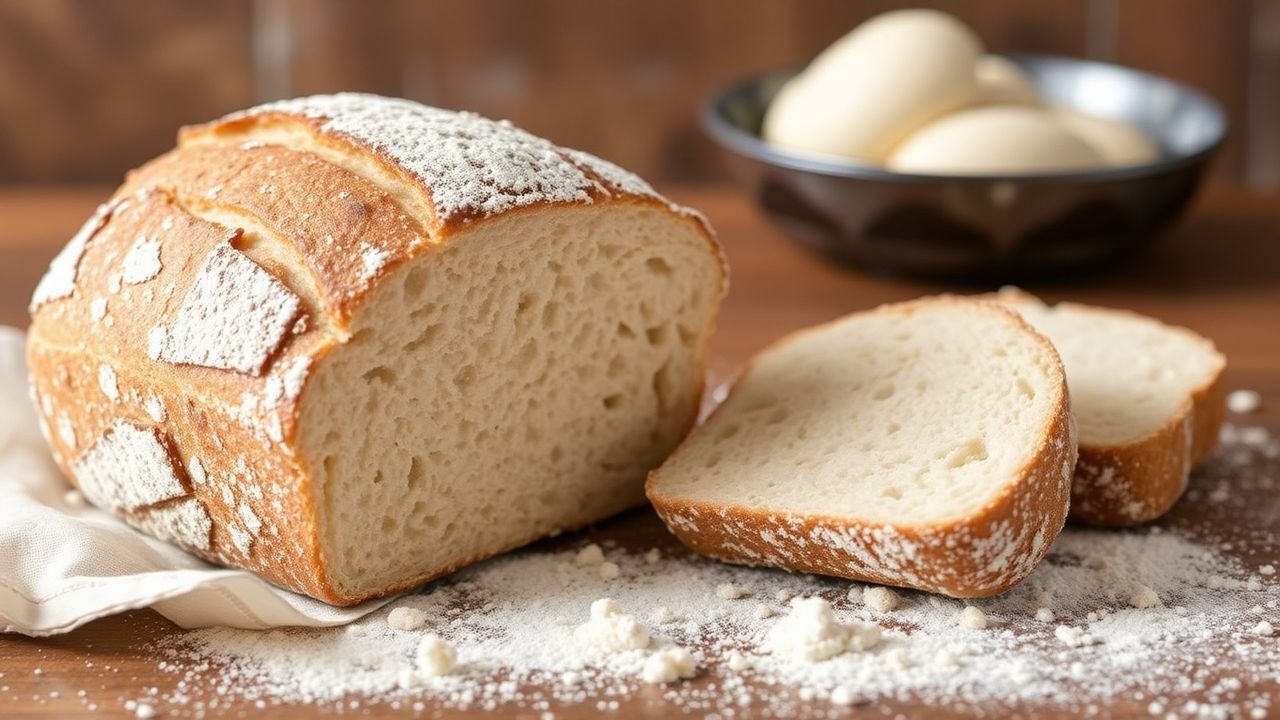

There is a precise moment in every loaf when simple flour and water transform into a structure that traps gas, yields chew, and supports a fine crumb. That structure is gluten, a network of proteins that controls texture, rise, and handling. This guide explains how to develop gluten reliably so your bread performs like a professional bakery loaf.
- What Is Gluten and How It Works
- Key Factors That Develop Gluten
- Practical Techniques: Tests, Tools, and Timing
- Flour Choice and Its Impact
- Troubleshooting Common Problems
- Specific Techniques: Stretch-and-Fold, Autolyse, and No-Knead
- Temperature, Fermentation, and Yeast Control
- Final Shaping and Oven Spring
- FAQ
- Gluten forms when water hydrates glutenin and gliadin, then mechanical action aligns them.
- Hydration and time often matter more than forceful kneading; temperature speeds enzyme and yeast activity.
- Flour choice sets the baseline: higher protein flours yield stronger gluten.
- Tests and techniques—windowpane, stretch-and-fold, and fermentation control—ensure consistent results for optimal gluten development.
What Is Gluten and How It Works
Gluten describes the protein network formed mainly from glutenin and gliadin when wheat flour meets water. These proteins bond and create an elastic, extensible matrix that traps carbon dioxide produced by yeast. Understanding the importance of gluten is key for home bakers.
Understanding gluten chemistry helps you choose the right methods. For core background on the proteins and structure, see gluten on Wikipedia and use that foundation when you test dough performance.
Key Factors That Develop Gluten
Three variables control gluten strength: hydration, mechanical action, and time. You must balance these elements according to the flour, recipe, and desired crumb. The development of gluten is a critical step.
Adjust any variable to tune dough. For example, increase hydration to develop gluten with gentle handling, or increase kneading time for lower-hydration doughs to reach similar strength.
Hydration: Percentage and Feel
Hydration equals water weight divided by flour weight. Typical ranges: 55–65% for sandwich loaves, 65–75% for artisan loaves.
Higher hydration creates a more extensible gluten network but makes handling trickier. Use wet-hand techniques and stretch-and-fold to manage higher-hydration doughs.
Kneading vs. Time: Methods Compared
Traditional kneading aligns proteins quickly through mechanical action. However, long, slow fermentation can achieve similar gluten structure with minimal kneading.
Use the no-knead approach for hands-off dough, or employ short, periodic stretch-and-folds to build strength while preserving gas and flavor.
Practical Techniques: Tests, Tools, and Timing
Use objective checks rather than guesswork. The windowpane test and a tactile assessment of dough elasticity tell you when gluten has developed enough for shaping.
Temperature control also counts. Aim for a final dough temperature around 24–27°C (75–80°F) to balance yeast activity and enzyme action for most yeasted breads.
Windowpane Test and Benchmarks
Pinch a golf-ball-size piece and stretch it thin. If it forms a translucent, stretchable membrane without tearing, gluten is ready for bulk fermentation.
If it tears, rest the dough for 10–20 minutes and test again. Often, a short autolyse (rest after mixing flour and water) dramatically improves windowpane results, indicating better gluten development.
Tools and Additives
Use a bench scraper, dough hook, or your hands depending on batch size. Bakers sometimes add vital wheat gluten to strengthen weak flours, enhancing the gluten structure.
Rely first on technique: hydration, autolyse, and fold cycles deliver the best flavor and structure. Reserve additives when you cannot change flour sources.
| Bread Type | Hydration |
|---|---|
| Sandwich loaves | 55–65% |
| Artisan boules | 65–75% |
| Ciabatta | 75–85%+ |
Flour Choice and Its Impact
Protein content dictates potential gluten strength. Bread flour typically contains 12–14% protein, while all-purpose ranges 10–12%. Whole grain flours include bran that can cut gluten strands, yielding denser crumbs.
Blend flours to balance nutrition and texture. For weak flours, a small addition of high-protein flour or vital wheat gluten brings structure without overworking the dough.
Refer to the flour overview at flour on Wikipedia for technical details about milling and protein levels.
Troubleshooting Common Problems
Density, lack of oven spring, and tearing all point to gluten issues or fermentation errors. Diagnose by re-checking hydration, knead time, and proofing temperature. Addressing gluten development is key here.
For instance, dense crumb often means underdeveloped gluten or short fermentation. Conversely, open crumb with large uneven holes can indicate overproofing or very high hydration without sufficient surface tension.
After resting the dough, re-evaluate elasticity. Often a controlled, cool bulk ferment fixes structural issues and improves flavor through slower enzyme activity.
Specific Techniques: Stretch-and-Fold, Autolyse, and No-Knead
Stretch-and-fold builds alignment without aggressive kneading. Lift a portion of dough, stretch it over itself, and rotate. Repeat every 20–30 minutes during early bulk fermentation to develop gluten structure.
Autolyse—mixing water with flour and resting 20–60 minutes before adding salt and yeast—improves hydration and reduces kneading time. The method enhances extensibility and flavor.
The no-knead method relies on long fermentation to develop gluten passively. It suits high-hydration doughs and yields excellent flavor due to extended enzyme and yeast interaction.
For hands-on guidance, find practical walkthroughs on internal pages like baking techniques and recipe-specific adjustments at bread recipes on this site.
Temperature, Fermentation, and Yeast Control
Yeast performance depends on dough temperature. Warmer dough accelerates fermentation but shortens flavor development. Cooler dough slows activity and improves complexity.
Target dough fermentation temperatures (final dough temp) will vary with your schedule. For baseline reading on yeast species and handling, see baker’s yeast on Wikipedia.
Practical Temperature Ranges
Room-temperature bulk fermentation typically runs 1–4 hours depending on dough strength and yeast amount. Retarding in the fridge overnight yields deeper flavor and easier shaping.
Use a thermometer to calculate water temperature for your mixing target. Control variables and reproduce results reliably across bakes.
Final Shaping and Oven Spring
Proper shaping builds surface tension, which supports oven spring. Tight shaping reduces degassing and helps the loaf rise vertically in the oven. Well-developed gluten is crucial for this.
Score loaves to control expansion. For crust and crumb balance, add steam in the first 10 minutes of baking to delay crust set and maximize oven spring.
FAQ
How do I know when gluten is strong enough?
Perform the windowpane test. If the dough stretches thin and translucent without tearing, it has sufficient gluten. Also check that it holds gas and feels springy when poked.
Can I improve gluten in whole wheat dough?
Yes. Use higher hydration, autolyse, and slightly longer fermentation. Sifted dough or added vital wheat gluten can also improve structure while preserving whole-grain flavor.
Is vigorous kneading always better?
No. Vigorous kneading builds strength fast but can overheat the dough and damage structure. Often, gentle folding and time produce better flavor and an open crumb.
When should I add salt and why does timing matter?
Add salt after autolyse and with yeast if using direct methods. Salt tightens gluten and slows enzyme activity, so adding it too early can reduce extensibility during initial development.
What if my dough never forms a windowpane?
Check flour quality, add short rests (autolyse), and increase hydration slightly. If needed, use small additions of high-protein flour or vital wheat gluten and extend fermentation time. This will help build the necessary gluten network.
For additional technical context about fermentation and enzymatic action, consult fermentation (food) on Wikipedia.
Armed with these techniques—controlled hydration, deliberate resting, and measured mechanical action—you can unlock gluten consistently so your loaves rise, slice, and taste like professional-baked bread. Practice the tests, monitor temperature, and adjust flour blends to match your goals. Happy baking and precise measuring yield reliable results.
See also: gluten