

Proteins fold to function. When that fold breaks, function changes. Protein denaturation describes this loss of native structure and it explains many everyday phenomena from cooked eggs to drug stability.
- What is protein denaturation?
- Core mechanisms that cause unfolding
- Protein structure and folding context
- Denaturation in food and cooking
- Practical lab and medical implications
- Tips for controlling denaturation
- Safety, storage, and pro-cautions
- Serving suggestions and nutrition
- FAQ
- What exactly is protein denaturation?
- Can denatured proteins refold?
- How do I recognize denaturation in food?
- Why do scientists study denaturation?
- How can I limit denaturation when I want to preserve texture?
- In Summary
- Key takeaway: Denaturation alters a protein’s 3D shape and often its activity.
- Food impact: Heat and acid change texture; controlled denaturation improves tenderness.
- Biomedical impact: Misfolded proteins affect disease and drug formulation.
- Practical: Temperature, pH, and timing control outcomes in the kitchen and lab.
What is protein denaturation?
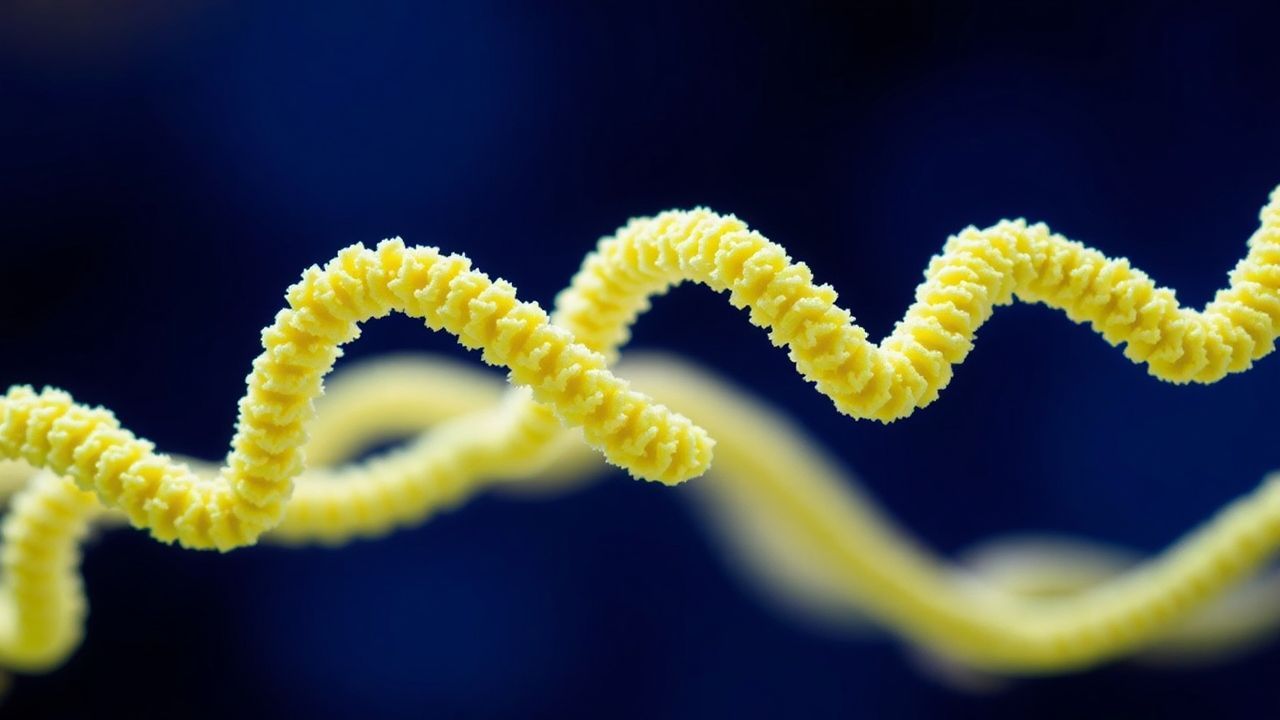
Protein denaturation is the disruption of the weak interactions that maintain a protein’s native three-dimensional shape. These interactions include hydrogen bonds, ionic interactions, hydrophobic packing, and sometimes disulfide bridges.
When those interactions break, the polypeptide chain rearranges and the protein often loses its biological activity. For a concise formal description, see protein denaturation on Wikipedia.
Core mechanisms that cause unfolding
Multiple physical and chemical stresses can denature proteins. The most common are thermal stress, extreme pH, chemical agents, and mechanical forces.
Each mechanism targets different stabilizing forces in the protein, so the visible outcome and reversibility vary by mechanism and by protein type.
Heat-induced denaturation
Heat raises kinetic energy and disrupts weak bonds and hydrophobic interactions that stabilize the folded state. Many structural proteins and enzymes denature above a characteristic melting temperature.
In food, heat-driven denaturation causes visible changes—egg whites coagulate and meat firms as myofibrillar proteins lose their native conformation.
pH and chemical disruption
Changes in pH alter the ionization state of side chains and disrupt ionic bonds and hydrogen bonds. Strong acids or bases can therefore unfold proteins rapidly.
Chemicals such as alcohols, urea, or detergents solvate hydrophobic residues or compete for hydrogen bonds, destabilizing the native fold.
Mechanical and oxidative stress
Shear forces, vigorous shaking, or oxidation can partially unfold proteins and promote aggregation. This is important in biomanufacturing and food processing.
Cells and industrial processes must control these stresses to maintain protein quality and function.
Protein structure and folding context
Understanding denaturation requires a quick look at folding. Primary sequence folds into defined secondary and tertiary structures driven by chemistry and thermodynamics.
For background on how sequence begets structure, consult protein folding. That context explains why some proteins refold while others do not.
Denaturation in food and cooking
Chefs exploit denaturation to create desired textures and flavors. Controlled denaturation transforms tough cuts into tender bites or firms proteins for safe consumption.
However, excessive denaturation yields dry, rubbery, or grainy textures. Good technique balances time, temperature, and chemical environment.
Ingredients and culinary rationale
Use fresh, appropriately cut proteins and choose acid, fat, and heat to obtain the target texture. Acidic marinades gently alter surface proteins for tenderness, while heat denatures throughout the piece.
Salt promotes protein solubilization and water retention in many preparations. Controlling these variables yields consistent outcomes and prevents over-denaturation.
Practical cooking instructions
Simple, repeatable steps produce reliable denaturation outcomes: season, control marination time, monitor temperature, and rest the protein after heat exposure. These actions limit excessive unfolding and moisture loss.
For specific technique guidelines that extend these principles, see our internal guide on Cooking Techniques to Preserve Protein Integrity and a related note on How Protein Structure Affects Flavor.
Practical lab and medical implications
In biotechnology and medicine, denaturation matters for drug stability, vaccine formulation, and diagnostic tests. Pharmaceutical proteins require careful formulation to avoid irreversible denaturation and aggregation.
Understanding molecular chaperones helps here: cells use specialized proteins to maintain folding under stress. See molecular chaperones for the cellular perspective.
Tips for controlling denaturation
Short, controlled exposure to stress preserves structure where needed. Use lower temperatures for longer times or short high-heat sears followed by rest to limit over-denaturation.
Monitor pH in brines and marinades, and add salts thoughtfully to improve water-binding. In manufacturing, add stabilizers like sugars or polyols when appropriate.
Apply gentle agitation and avoid vigorous shearing when you need proteins to remain soluble. When irreversible denaturation is acceptable or desired, favor robust conditions for safety and textural goals.
Safety, storage, and pro-cautions
Denaturation sometimes indicates microbial kill (e.g., pasteurization), but structural change does not always equal sterilization. Always follow validated temperature/time guidelines for safety-critical food or biotech processes.
Store proteins at recommended temperatures and avoid freeze–thaw cycles that promote aggregation and activity loss. Proper handling extends shelf life and preserves function.
Serving suggestions and nutrition
Denatured proteins often become more digestible and may release amino acids differently, affecting mouthfeel and satiety. Plan accompaniments to complement the altered texture.
Combine gently denatured proteins with acidic or fatty components to balance flavor and moisture. For nutritional balance, pair with vegetables and whole grains.
| Nutrition per Serving | Calories | Protein | Carbs | Fat |
|---|---|---|---|---|
| Chicken (marinated & cooked) | 250 kcal | 45g | 1g | 5g |
FAQ
What exactly is protein denaturation?
Denaturation is the loss of a protein’s native tertiary or secondary structure without cleavage of the peptide bonds. The polypeptide chain remains intact, but its functional shape changes.
Can denatured proteins refold?
Refolding depends on the protein and conditions. Some small proteins refold spontaneously when conditions normalize; others aggregate and cannot regain native structure.
How do I recognize denaturation in food?
Look for irreversible visual and textural changes: clarity loss in liquids, opacity in egg whites, or firmness in cooked meat. Texture and moisture shifts often indicate structural change.
Why do scientists study denaturation?
Studying denaturation reveals how structure determines function, informs disease mechanisms involving misfolding, and guides formulation strategies for biologics.
How can I limit denaturation when I want to preserve texture?
Use lower, controlled heat; add stabilizing ingredients like salt or sugars; and rest cooked proteins to let residual heat distribute and folding equilibrate where possible.
In Summary
Protein denaturation sits at the intersection of chemistry, cooking, and medicine. It explains why heat firms an egg, why storage conditions matter for biologics, and how simple controls produce consistent results.
By mastering temperature, pH, and exposure time, you control unfolding to achieve desired safety, texture, and function. For a technical primer on amino building blocks, see amino acids.
See also: Protein denaturation