

Unlocking the Aromatic Symphony Inside Citrus Peel
The oils and volatile molecules inside citrus rinds concentrate flavor and aroma more than any single part of the fruit. Skilled cooks and perfumers use peel to deliver bright top notes that cut through fats and sweeteners.
- Science of Citrus Aromas
- Practical Uses and Extraction Basics
- Prep and Cook Time
- Yield and Difficulty
- Ingredients
- Instructions
- Tips for Success
- Serving Suggestions
- Nutritional Information
- FAQ
- What makes citrus peel so flavorful and aromatic?
- Which compounds give the peel its citrusy zing?
- Are these compounds only in the peel?
- Do peel compounds have health effects beyond flavor?
- How does drying or heating change the flavor?
- Future Outlook
- Peel concentrates volatile oils such as limonene and citral that define citrus aroma.
- Zesting and gentle heat release oils without creating bitterness.
- Extracted oils serve culinary, cleaning, and fragrance purposes.
- Simple preservation extends shelf life and keeps aroma vibrant.
Science of Citrus Aromas
Citrus peel houses a complex mix of terpenes, aldehydes, alcohols, and esters that create the characteristic zing. The dominant volatile is limonene, a hydrocarbon terpene responsible for the bright citrus top note; for reference see limonene on Wikipedia.
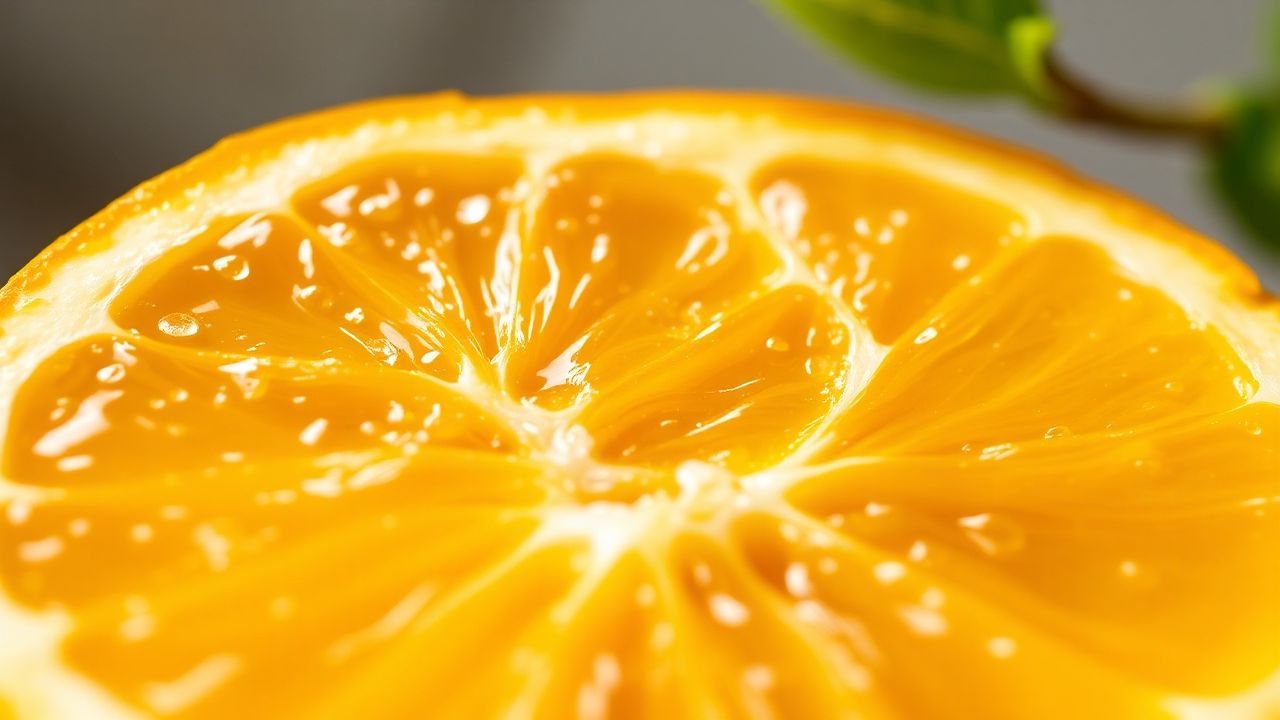
These molecules sit within oil glands in the flavedo, the colored outer layer of the rind. Many compounds in peel fall under the broader class of terpenes, which plants produce for defense and pollinator attraction.
Practical Uses and Extraction Basics
Chefs extract zest and oils using simple mechanical methods or cold-press and steam distillation at scale. Mechanical zesting releases the volatile oils instantly, while controlled heat during infusion releases different aromatic fractions.
Extracts from peel also qualify as essential oils when distilled correctly, and the same chemistry explains why peel appears in cleaners, cosmetics, and aromatherapy. Always store extracts in dark glass to preserve the volatile profile.
Prep and Cook Time
This recipe-style approach demonstrates how to capture peel aroma in a syrup that you can use across desserts and drinks. The process highlights timing and temperature control to minimize bitterness.
Note: Times below reflect small-batch home methods suitable for fresh peel.)
- Preparation: 15 minutes
- Cooking: 10 minutes
- Total Time: 25 minutes
Yield and Difficulty
Serves: 4 generous portions when used as a topping or cocktail mixer. This yield makes roughly 1 cup of infused syrup.
Difficulty: Medium. The technique benefits from attention to zesting technique and gentle heat control.
Ingredients
Use clean, unwaxed fruit to avoid off-flavors and to ensure safe consumption of the oils. Organic fruit is preferable for direct zest use.
Below are the ingredient amounts for a basic citrus-infused syrup. Adjust ratios to taste or scale the batch.
- 2 large organic lemons, zest finely grated (avoid pith for bitterness)
- 1 tablespoon fresh orange peel, finely minced
- 1 teaspoon grapefruit peel zest
- 1 cup granulated sugar
- 2 tablespoons honey
- 1 cup warm water
- 2 sprigs fresh thyme (optional, for herbal brightness)
- 1 teaspoon vanilla extract
- Pinch of sea salt
For more applications of citrus zests in recipes, see our internal guide on citrus flavor profiles. For preservation ideas that keep aroma intact, review citrus preserving techniques.
Instructions
Follow these steps to make a fragrant citrus syrup that showcases peel compounds without bitter notes. Work quickly when zesting to capture the fresh oil burst.
- Prepare the Citrus Zests: Wash and dry all citrus thoroughly. Use a microplane or fine grater and take only the colored flavedo; discard pith.
- Create the Infused Syrup: Combine granulated sugar and warm water in a small saucepan. Stir until the sugar dissolves completely.
- Add Zests and Aromatics: Stir in all zests with thyme and sea salt. Simmer gently over medium-low heat 8–10 minutes, stirring to prevent scorching and to coax oils into the syrup.
- Sweeten and Blend: Remove from heat, discard thyme sprigs, and stir in honey and vanilla. Allow the syrup to cool to room temperature so flavors meld.
- Strain and Store: Strain through a fine mesh sieve to remove zest solids. Transfer to a clean glass bottle and refrigerate. Use within two weeks for best aroma.
Keep the syrup refrigerated and label with the date to track freshness. Small-batch syrups let you test variations without waste.
Tips for Success
Zest when fruit is cool and dry; oils emit more cleanly from cooler surfaces and resist oxidation. Also, avoid the white pith—its bitter compounds overwhelm delicate aromatics.
To intensify aroma, briefly toast peels in a dry skillet for 1–2 minutes before adding to syrup. Toasting shifts the aroma toward caramelized, slightly nutty notes while retaining citrus character.
- Store syrup in dark glass to slow photodegradation of volatile oils.
- Substitute thyme with rosemary or basil for different herbal undertones.
- Make-ahead tip: Prepare up to 5 days in advance to let flavors mature gently.
Serving Suggestions
This syrup pairs with plain desserts like pound cake and yogurt, where the citrus lifts the base without competing with complex flavors. Use it sparingly to keep balance—sometimes a teaspoon is enough.
For drinks, a splash in sparkling water or a gin-based cocktail brightens the profile. Finish with a thin citrus ribbon or candied peel for visual and aromatic impact.
Nutritional Information
The syrup adds sweetness and aroma, with most calories coming from sugar and honey. A moderate serving contributes small amounts of micronutrients from the zest but primarily provides sugars.
Use this syrup as a flavor accent rather than a primary sweetener to control caloric impact in recipes.
| Nutritional Element | Amount per Serving |
|---|---|
| Calories | 80 kcal |
| Protein | 0.2 g |
| Carbohydrates | 21 g (mostly sugars) |
| Fat | 0.1 g |
FAQ
What makes citrus peel so flavorful and aromatic?
Peel concentrates volatile oils in oil glands within the flavedo, which release aromatic molecules when ruptured. These volatiles include limonene, citral, and linalool, producing the fresh, zesty scent we associate with citrus.
Which compounds give the peel its citrusy zing?
The primary contributors are terpenes such as limonene and gamma-terpinene, plus aldehydes like citral that add lemony notes. For a primer on the plant compounds involved, see Citrus biology on Wikipedia.
Are these compounds only in the peel?
Peel contains the most concentrated oils, though the flesh holds sugars, organic acids, and some aroma compounds. Chefs use both parts differently: peel for aroma and the flesh for sweetness and acidity.
Do peel compounds have health effects beyond flavor?
Some constituents, like limonene, show antioxidant and anti-inflammatory properties in laboratory studies. However, culinary use provides relatively small doses compared with pharmacological research; treat such claims cautiously and rely on balanced diets.
How does drying or heating change the flavor?
Drying and gentle heating change the volatile profile, often concentrating sweet and roasted notes while reducing bright top notes. Controlled processing preserves desirable aromatics; over-processing diminishes freshness.
Future Outlook
Understanding peel chemistry improves culinary technique, product formulation, and sustainable use of fruit byproducts. Extracting value from peel reduces waste and provides natural alternatives for flavor and fragrance industries.
Researchers continue to map how processing conditions change volatile profiles, enabling chefs and manufacturers to target specific aroma fingerprints. Practical mastery of zest and peel lets you control bright, fresh notes in dishes and beverages with precision.
See also: citrus peel