

Meat Protein Mastery: 7 Essential Protein Structures of Cuts
Meat protein sits at the core of how any cut behaves under heat, how it accepts seasoning and how tender it becomes on the plate. Readers who learn the key proteins and tissue architecture pick the right method and predict results reliably.
- Meat Protein Mastery: 7 Essential Protein Structures of Cuts
- Introduction: Why Meat Protein Structure Matters
- Meat Protein: Key Proteins and Their Culinary Effects
- Reading a Cut: Visual and Tactile Clues About Meat Protein
- Prep and Cook Time: Tie Timing to Protein Makeup
- Yield and Portioning Considerations
- Difficulty Level and Equipment Needs
- Ingredients that Interact with Meat Protein
- Step-by-Step: Applying Meat Protein Knowledge to Cooking
- Chef’s Notes and Practical Tips
- Common Problems and Troubleshooting
- Serving Suggestions and Finishing
- Nutritional Snapshot Focused on Meat Protein
- Further Reading and Resources
- Q&A
- What is the main role of collagen in cooking?
- How do myosin and actin impact doneness?
- Can I speed up collagen breakdown safely?
- Why slice against the grain?
- Which cuts are best for quick cooking?
- Wrapping Up
- Know the protein: collagen converts to gelatin with low, slow heat; myosin and actin denature at lower temperatures and control firmness.
- Match cut to method: collagen-rich cuts need braising; fine-grained, marbled cuts respond to fast, high heat.
- Simple tests: probe, rest and slice against the grain to preserve juices and improve perceived tenderness.
- Practical payoff: consistent tenderness, better yield and repeatable flavor from each purchase.
Introduction: Why Meat Protein Structure Matters
Protein arrangement—muscle fibers, connective tissue and intramuscular fat—dictates how a cut reacts to heat and moisture. Recognizing that structure lets you choose searing, roasting, grilling or braising with purpose.
Chefs and butchers read grain, marbling and white connective strands to assign a thermal strategy. That practice reduces guesswork and limits wasted time and ingredients.
Meat Protein: Key Proteins and Their Culinary Effects
Collagen forms the scaffolding that links muscle bundles. With prolonged moist heat it hydrolyzes to gelatin, improving sauce body and mouthfeel; read the biochemical basics at collagen.
Myosin and actin drive contraction and texture. Myosin denatures at lower temperatures than actin; both tighten muscle and expel moisture when overcooked. Consult the structural roles at myosin and actin.
Reading a Cut: Visual and Tactile Clues About Meat Protein
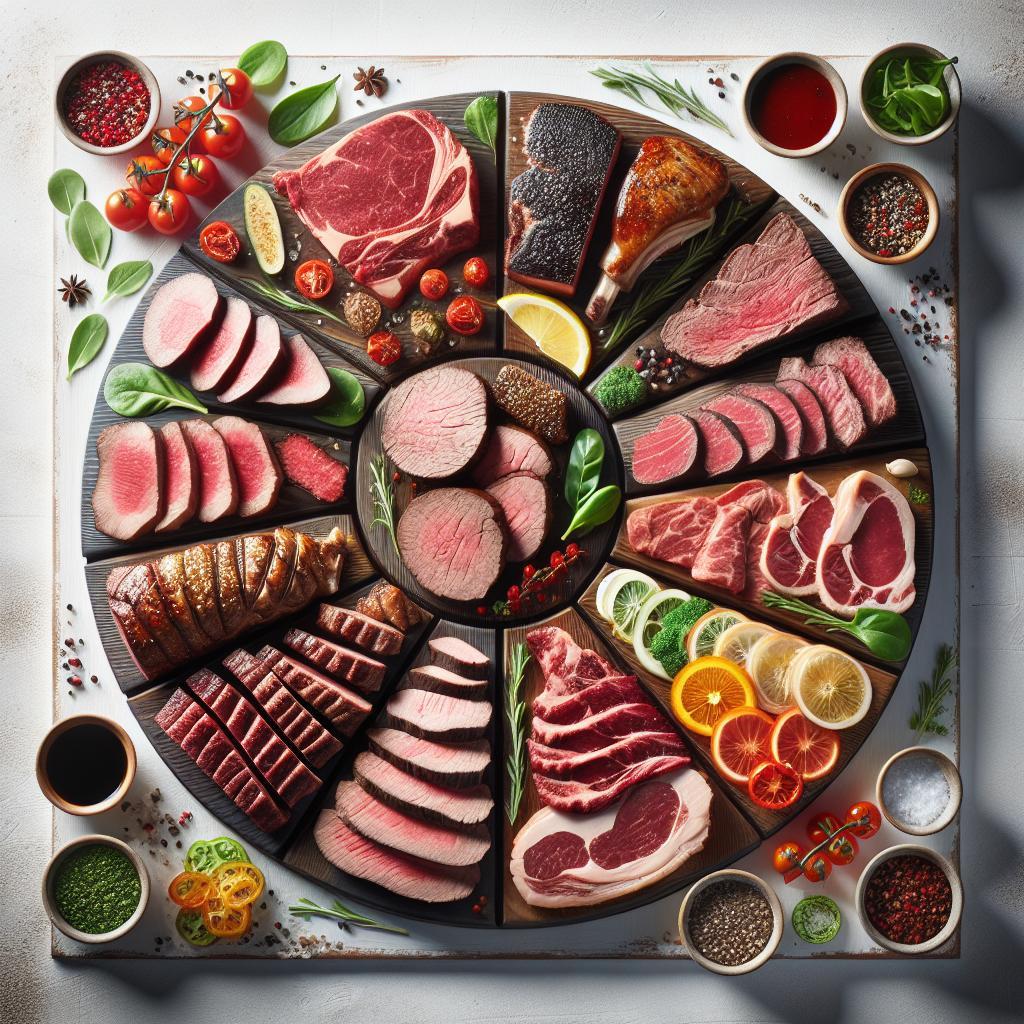
Look at grain direction, visible connective tissue and marbling. Dense white strands signal high collagen content and favor long, moist cooking to convert that collagen to gelatin.
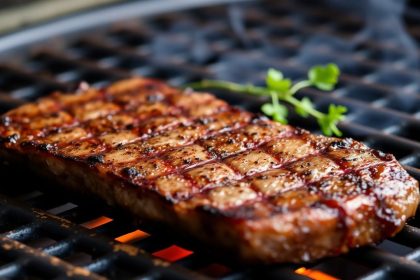
A compact, fine-grained muscle with ample intramuscular fat needs short, intense heat to render fat without over-tightening myosin and actin. Basic anatomy of skeletal muscle supports these observations: skeletal muscle.
Prep and Cook Time: Tie Timing to Protein Makeup
Preparation sets the stage: seasoning, drying the surface and controlled searing improve crust development. Sear to get browning chemistry, then pair time to collagen content, not habit.
Quick steaks typically need 10–30 minutes from prep to plate. Collagen-rich roasts often require 2–4 hours of low, moist heat for full conversion to gelatin. Understand the Maillard reaction for effective searing: Maillard reaction.
Yield and Portioning Considerations
Expect moisture and fat loss during cooking; tougher cuts trimmed and braised yield economical portions with rich flavor. A 3 lb chuck roast typically serves six after shrinkage and trimming.
When you substitute cuts, adjust portion planning. Lean cuts yield less rendered fat but maintain high protein concentration; factor that into nutrition and plate composition.
Difficulty Level and Equipment Needs
Techniques range from basic searing to patient braising. Most methods demand only standard kitchen tools: a heavy pan, a tight-fitting lid or roasting vessel, and a reliable thermometer.
Skill centers on temperature control and timing. Use tactile checks alongside temperature to handle stove and oven variability and to protect against over-denaturation of myosin and actin.
Ingredients that Interact with Meat Protein
Stock, aromatics and acid influence collagen breakdown and flavor extraction during braising. Acids can help tenderize surfaces; avoid high acid levels for extended periods if you want intact muscle texture.
Dried mushrooms and umami-rich components add soluble proteins and glutamates that boost sauce body without changing core muscle proteins. Connective tissue interplay matters; see connective tissue for structural context.
Step-by-Step: Applying Meat Protein Knowledge to Cooking
1. Pat meat dry and season; a dry surface promotes even browning and reduces steaming. Even sears concentrate flavor and seal a better crust.
2. Sear on all sides over medium-high heat until deep color develops, then remove and sweat aromatics. Browning creates complementary flavor compounds to gelatin and rendered fat.
3. Deglaze, add stock and herbs, and return the roast partially submerged for even heat transfer during braising. Maintain a gentle simmer or low oven temperature for collagen conversion.
4. Cook until fork-tender, rest 10–20 minutes, then slice against the grain. Resting redistributes juices and softens the eating texture by allowing partial protein relaxation.
Chef’s Notes and Practical Tips
Protein variations: Choose chuck or brisket for slow braises; both offer high collagen content that becomes silky when converted to gelatin. For quick grilling, pick tenderloin, strip or ribeye.
Substitutions: Bottom round and similar muscles work for longer roasts but give firmer texture. Increase braise time and add moisture where needed to compensate for leaner tissue.
Common Problems and Troubleshooting
If a roast remains tough, the simplest fix is more time at low temperature; collagen needs sustained heat to hydrolyze. Raising temperature usually tightens surface proteins and worsens chew.
If slices dry out, you overexposed myosin and actin to heat. Lower the hold temperature, shorten exposure time, and use quick-rest techniques to retain moisture.
Serving Suggestions and Finishing
Slice braised cuts across the grain to shorten fibers and maximize tenderness. Spoon reduced braising liquid back over slices to reintroduce gelatin and moisture to the plate.
Pair rich meats with soft starches like mashed potato or polenta to balance silky textures and catch savory juices. Acids like a splash of vinegar can brighten a gelatin-rich sauce at service.
Nutritional Snapshot Focused on Meat Protein
Typical braised chuck serving runs near 400–500 kcal with ~40 g protein and variable fat depending on trim. Protein quality stays high across beef cuts; amino-acid profiles remain complete.
Choose cuts for texture and cooking method rather than concerns about protein completeness. Adjust portions and sides for caloric and macronutrient goals.
Further Reading and Resources
Consult butchery primers and muscle anatomy references to sharpen cut selection and yield planning. Anatomy knowledge links directly to predictable cooking outcomes and stocking decisions.
Use professional technique guides to match cuts to thermal profiles. Practical, repeatable workflows raise consistency and reduce ingredient waste over time.
Q&A
What is the main role of collagen in cooking?
Collagen binds muscle bundles and connective tissue. Low, moist heat converts collagen to gelatin, which thickens liquids and softens texture; patience unlocks that transition.
How do myosin and actin impact doneness?
Myosin denatures at lower temperatures than actin and increases firmness as it coagulates. Overcooking concentrates that effect, so monitor temperature and use short rests to reduce moisture loss.
Can I speed up collagen breakdown safely?
Aggressive heat usually tightens outer proteins and leaves inner collagen intact. Use enzymatic marinades, mechanical tenderization or steady low heat to shorten time without sacrificing quality.
Why slice against the grain?
Slicing against the grain shortens muscle fibers, reducing chew and improving tenderness. Identify grain direction visually or by feel before slicing for best results.
Which cuts are best for quick cooking?
Tenderloin, ribeye and strip steaks contain low connective tissue and higher intramuscular fat. They respond well to searing, grilling or pan-roasting where brief, high heat preserves juiciness.
Wrapping Up
Understanding meat protein and tissue architecture turns predictable science into repeatable kitchen results. Match cut characteristics to thermal strategy to reduce waste and increase satisfaction.
Study the muscle, choose the method, and measure rather than guess. That technical approach improves consistency across cooks and kitchens.
See also: meat protein