

The Chemistry Behind a Safe Kitchen for Immune Health
The kitchen is where food chemistry and sanitation meet to protect immune health. A few deliberate chemical choices in cleaning and cooking yield measurable benefits for nutrient retention and microbial control.
- Target pH and temperature to deactivate pathogens without destroying nutrients.
- Choose materials and cleaners that reduce microbial load while minimizing toxic residues.
- Preserve antioxidants through gentle cooking and short contact with water.
- Leverage fermentation for probiotic support and stable food preservation.
Why kitchen chemistry matters
Chemistry governs how food, microbes, and cleaning agents interact. Understanding basic chemical principles lets you design processes that favor nutrient preservation and microbial safety.
For example, food safety relies on controlling temperature and pH to prevent microbial growth and toxin formation. For a technical overview of microbes in food, consult Food microbiology.
Cleaners, disinfectants, and pH
Detergents, acids, and alcohol-based disinfectants work by altering surface tension or disrupting cell membranes. Soaps emulsify fats and oils, which helps lift microbes from surfaces; acids such as vinegar lower surface pH and can inhibit some organisms.
Choose cleaning agents with documented efficacy and follow label contact times. Household vinegar (acetic acid) has utility for light cleaning and odor control, but for high-risk situations use EPA-registered disinfectants; read the technical details on vinegar for its chemistry and limits.
Practical concentrations and materials
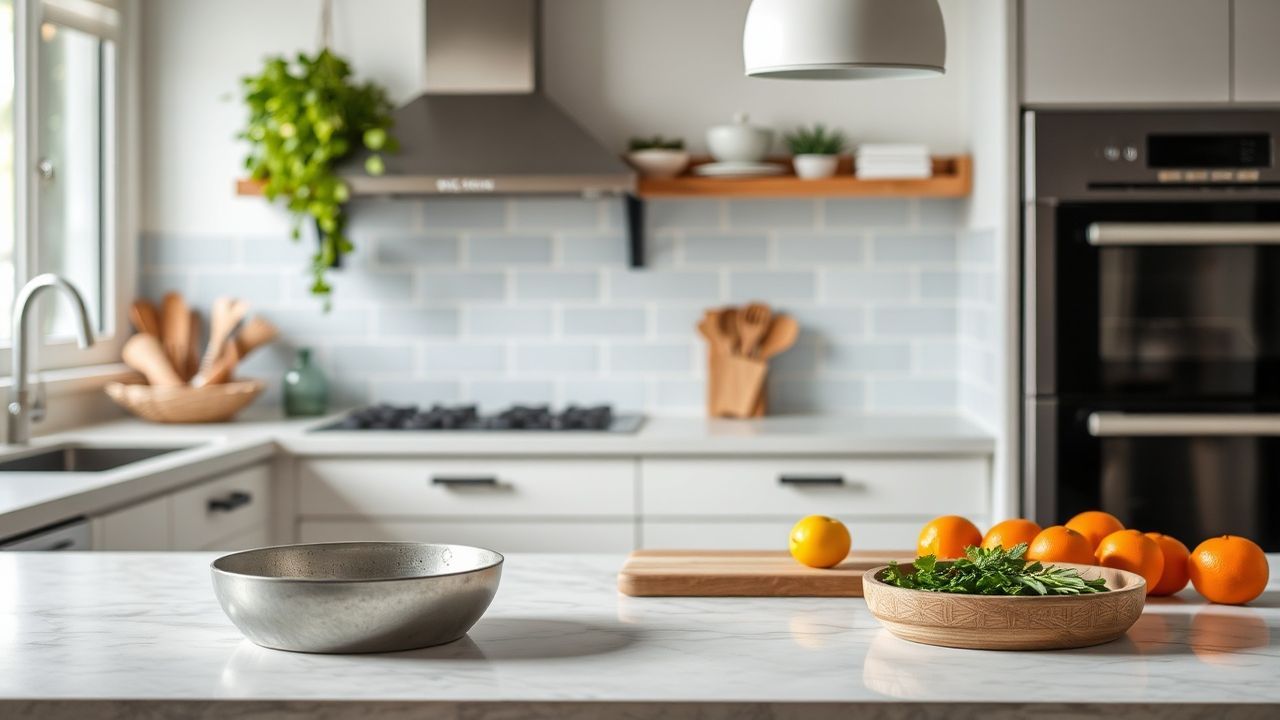
Simple aqueous solutions work when used correctly: warm soapy water for washing, and diluted alcohol for short contact surface disinfection. Metals such as copper and stainless steel have intrinsic antimicrobial properties from ion release or surface chemistry, which helps reduce bioburden on handles and tools.
Avoid reactive cookware finishes that can leach metals under acidic conditions. When you select materials, prioritize inert surfaces for food contact and proven antimicrobial surfaces for high-touch areas.
[h2]Preserving nutrients during cleaning and cooking[/h2]
Cooking methods profoundly affect nutrient retention. Methods that use less water and shorter heat exposure—such as steaming or quick sautéing—preserve vitamin C and polyphenols better than prolonged boiling.
Antioxidants neutralize free radicals by electron transfer; their stability depends on temperature, oxygen exposure, and pH. For a concise primer on antioxidant chemistry, review Antioxidant.
Cross-contamination control and utensil chemistry
Cross-contamination is a vector-based risk where microbes transfer from raw to ready-to-eat foods. Chemically, this spreads infectious agents that can multiply under favorable conditions.
Design your workflow to separate raw and cooked stations, sterilize cutting surfaces with approved cleaners, and implement color-coded utensils. These are simple, chemically sensible barriers to pathogen transfer.
Elixir recipe: Cleanse & Nourish (practical tonic)
The tonic below combines mild antimicrobial and anti-inflammatory ingredients with a focus on safe preparation and nutrient retention. Prepare it in a cleaned area using filtered water and sanitized utensils.
Follow refrigeration and storage guidance to avoid microbial growth after preparation; consume within 24 hours if refrigerated in a sealed container to maintain quality and safety.
Ingredients
- 4 cups filtered water
- 2 tablespoons fresh lemon juice (source of vitamin C)
- 1 tablespoon raw honey (flavor and mild antimicrobial activity)
- 1 teaspoon grated fresh ginger (anti-inflammatory compounds)
- 1 teaspoon apple cider vinegar (acidity for flavor and digestive support)
- 1 cinnamon stick
- 3 whole cloves
- Fresh mint leaves for garnish (optional)
Instructions
- Bring the filtered water to a gentle boil in a sanitized saucepan. Reduce heat to low and add the cinnamon stick and cloves, simmering five minutes to extract volatile compounds.
- Remove from heat and stir in grated ginger, lemon juice, and apple cider vinegar. Allow the infusion to cool slightly before adding honey to prevent enzyme degradation.
- Strain through a fine sieve into heat-safe cups. Serve warm or chill quickly and refrigerate in a sealed container for up to 24 hours.
Chef’s notes and serving suggestions
Substitute Manuka honey if you prefer stronger antibacterial activity, but verify provenance and quality. Keep utensils and containers dry before filling to reduce contamination risk.
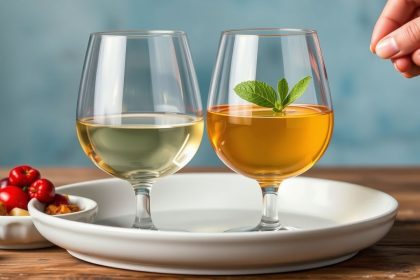
Serve the elixir in clear glass to monitor clarity; pair with fresh berries or a small portion of fermented vegetables to complement gut-targeted immune support. For fermentation principles, see Fermentation.
Practical resources and internal guides
Maintain a cleaning schedule and document products and concentrations that work in your kitchen. Good records reduce errors and help you standardize safe practices.
For step-by-step procedures, consult our internal cleaning protocols and fermentation overview: Natural Kitchen Cleaning Guide and Fermentation Basics. These resources provide checklists tailored to home kitchens.
FAQ
How does kitchen chemistry influence immune health?
Kitchen chemistry controls exposure to pathogens and preserves nutrients that support immune function. Proper temperature control and cleaning lower infection risk while preserving vitamins and antioxidants needed by immune cells.
Which cleaners are safe to use around food?
Use dish soap and warm water for food-contact surfaces, and approved disinfectants for non-food-contact areas. Rinse surfaces that touch food after disinfection, and always follow manufacturer instructions for contact time.
Can cookware materials affect food safety?
Yes. Inert materials like stainless steel and glass minimize leaching, while worn or untreated metals can release ions under acidic conditions. Replace or recoat cookware that shows degradation to limit contamination.
How should I preserve antioxidants when cooking?
Use quick methods that limit heat and water exposure, such as steaming, blanching briefly, or sautéing. Add delicate ingredients like lemon juice after cooking to conserve vitamin C and volatile compounds.
Is fermentation a reliable way to support immunity?
Fermentation produces stable bioactive compounds and live microbes that can benefit gut immunity when produced and stored safely. Follow tested recipes and hygiene practices to avoid spoilage and pathogen growth.
Final note: Implementing chemistry-based practices—controlled pH, correct temperatures, appropriate materials, and documented cleaning—translates to safer food and stronger nutritional support for immune health. Small, consistent adjustments in the kitchen yield measurable improvements in safety and nourishment.
See also: Kitchen Chemistry