

brown butter is a simple stove-side skill that radically expands flavor. With controlled heat and a few clear techniques you convert ordinary butter into an amber-hued, nutty ingredient that lifts both sweet and savory dishes.
- Browning depends on the Maillard reaction and sugar caramelization.
- Milk solids — not the triglyceride fat — generate the toasted aroma and color.
- Temperature control and frequent agitation yield consistent, non-bitter results.
- Use brown butter in pastas, sauces, baked goods, and as a finishing fat.
The chemical forces that color and flavor butter
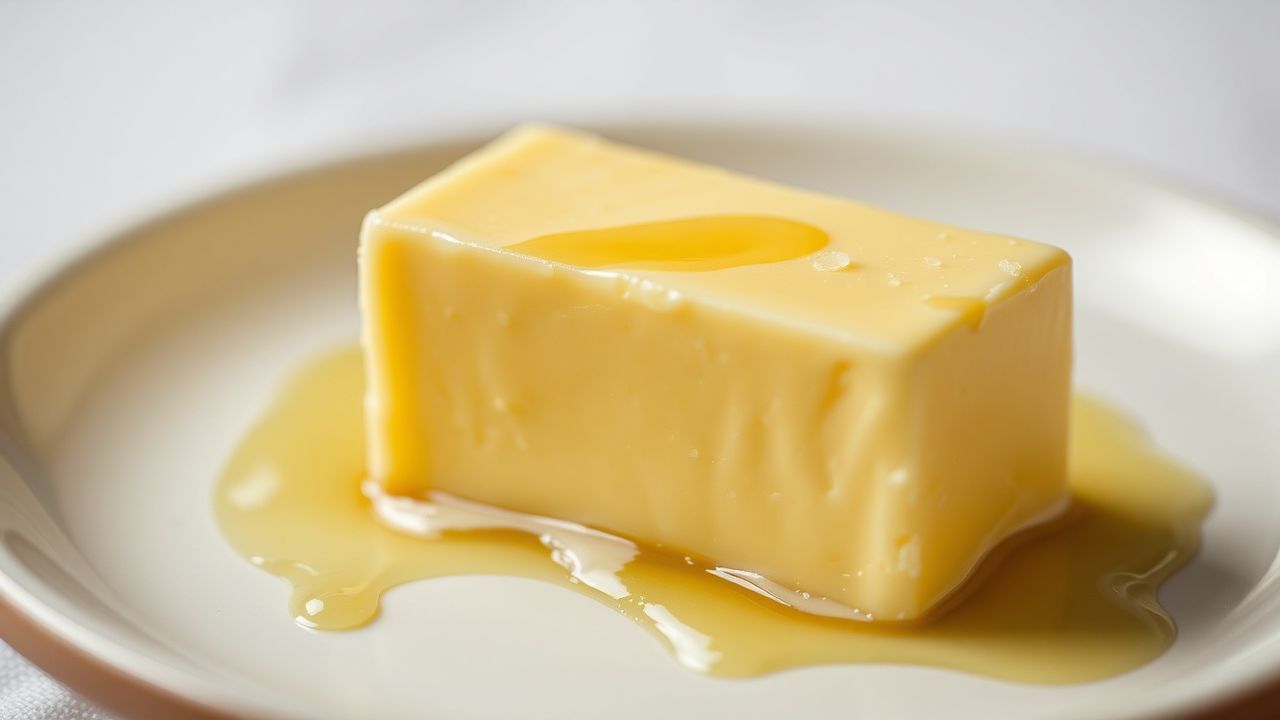
When you heat butter the water evaporates and the dispersed milk solids concentrate. Those solids then undergo molecular changes that make the characteristic nutty aroma and amber color.
Two chemical pathways dominate: the Maillard reaction and caramelization. The Maillard route creates heterocyclic, roasted notes, while caramelization of residual sugars adds sweet, toffee-like tones.
Milk solids versus fat: where the flavor comes from
Butter is an emulsion of fat, water, and dispersed milk solids. The proteins and lactose in that dispersed phase are the reactive elements that brown and develop aroma.
The fat portion acts mainly as a solvent and carrier for volatile aroma compounds formed during browning. When you make brown butter the solids provide the toasted backbone while the fat carries and disperses the aromas through a sauce or batter.
How to brown butter reliably: a practical method
Use a wide pan and moderate heat to encourage even evaporation. Start with evenly cut, room-temperature pieces so the butter melts uniformly and the solids remain suspended.
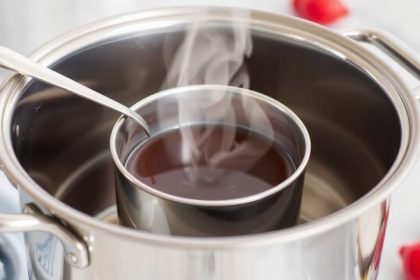
Expect the melt-foam-brown sequence: melt fully, foam as water leaves, then small amber specks form and the aroma turns warm and nutty. When that aroma appears, remove the pan to prevent bitterness.
Step-by-step
Place butter in a cool, dry skillet and set the burner to medium. Stir or swirl frequently to keep milk solids suspended and prevent hot-spot scorching.
After the foaming phase watch for amber flecks on the pan bottom and a pronounced toasted scent. Transfer the fat and solids into a cool bowl to stop carryover cooking.
Timing and temperature specifics
Surface temps for milk solids typically enter the browning window around 120–150 °C depending on water content and pan conductance. Different pans change the timing, so adjust heat rather than chasing an absolute number.
Plan on roughly 3–8 minutes on medium heat for small to moderate batches. Larger volumes need wider pans and slightly more time because moisture takes longer to evaporate evenly.
Temperature management and pan choice
Choose pan material deliberately. Light-colored stainless steel gives precise visual feedback; copper responds quickly and benefits from lower heat; nonstick hides color changes and makes visual judgment harder.
Wide pans spread the butter thinly and accelerate evaporation. For large batches, spread butter across the widest vessel available so the milk solids heat and brown evenly.
Stopping the reaction
Carryover heat can keep browning solids even after you remove the pan. To stop the reaction immediately, transfer the butter to a cool bowl or add a cold ingredient such as cream, stock, or acid.
A small splash of lemon juice or vinegar brightens a brown butter pan sauce and helps bind aroma compounds into an emulsion. Use acid sparingly to avoid flattening the butter’s toasted notes.
Culinary applications and flavor impact
Brown butter adds complex aroma and savory depth to many dishes. Use it to finish roasted vegetables, toss with pasta, or fold into batters to intensify aroma and mouthfeel.
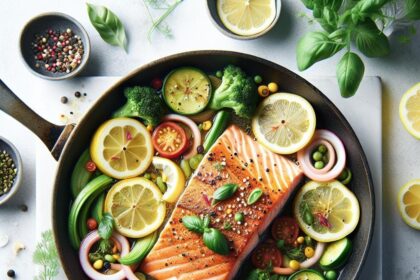
Because many Maillard-derived volatiles dissolve in fat, brown butter carries flavor through emulsified sauces and doughs effectively. Add a spoonful to finish fish, grains, or mashed vegetables for rapid uplift.
Using the browned solids
The tiny browned solids deliver concentrated, toasty flavor and a slight crunchy texture. Fold them into doughs, sprinkle over steamed vegetables, or stir into grains to add depth and aroma.
If you plan to keep the solids, decant them onto a cool plate and store lightly wrapped in the fridge. Avoid eating solids that have gone black; they taste bitter and offer no culinary benefit.
For recipes that need a higher smoke point use clarified butter or ghee, which remove most milk solids and tolerate higher temperatures without burning. See the clarified butter entry for production notes and heat behavior.
Try a brown butter finish on tagliatelle with sage and lemon: brown butter, a squeeze of lemon, and toasted sage leaves create a classic sauce. For baked goods, swap plain melted butter for brown butter to amplify cookie and cake aroma.
Explore internal resources for recipe ideas: brown butter pasta recipe and brown butter cookie guide show practical uses and proportions.
Health and safety considerations
Browning changes volatile flavor molecules but does not meaningfully alter the core fat composition. Properly cooked brown butter is comparable to other cooking fats in dietary lipid profile.
Avoid consuming charred solids because they contain degraded compounds and bitter flavors. Rely on sight and smell — clear amber flecks and a warm nutty aroma — rather than time alone.
FAQ
How do I stop browned butter from continuing to cook?
Transfer the brown butter from the hot pan into a cool bowl immediately and stir to disperse heat. Alternatively, add a cold ingredient such as cream, stock, or an acid to arrest further browning.
Does every butter brown the same way?
No. Higher-fat, European-style butters brown faster and more intensely because they contain less water and a higher proportion of milk solids. Standard commercial butters with higher water content foam longer and need more time to develop amber color.
Can I brown large quantities at once?
Yes, but scale matters. Use the widest pan available so water can evaporate quickly and the solids heat evenly. Increase heat conservatively and rely on visual and olfactory cues rather than a fixed timer.
Are the browned solids useful?
Absolutely. The toasted solids store concentrated flavor and can be folded into batters, sprinkled over dishes, or incorporated into sauces. Preserve them by decanting to a cool surface to prevent overcooking.
Which pans provide the best control?
Light-colored stainless steel pans give the best visual feedback and help you stop at the precise amber stage. Copper heats responsively and requires lower heat settings, while nonstick pans can obscure color changes and make accurate judging harder.
For further reading on the reactions described here consult the Wikipedia entries for the Maillard reaction, caramelization, and butter for reliable scientific context.
Also consider a short technique primer at clarified butter and ghee technique when a higher smoke point is needed.
See also: brown butter