
By using this site, you agree to the Privacy Policy and Terms of Use.
Accept
CookOrBitCookOrBitCookOrBit
  • Home
  • About Us
  • Ingredient Science
    • Flavor & Aroma
    • Protein Chemistry
    • Sugar & Starch
    • Fats & Emulsions
  • Cooking Techniques
    • Searing & Grilling
    • Baking & Roasting
    • Boiling & Steaming
    • Low & Slow
  • Kitchen Experiments
    • DIY Ferments
    • Flavor Tests
    • Gadget Testing
    • Molecular Gastronomy
  • Food Myths
    • Searing Myth
    • 5-Second Rule
    • MSG Myths
    • Microwave Myths
  • Tools
  • More
    • Extra Picks
    • Quick & Easy
      • Breakfast Ideas
      • Desserts
      • Snacks
      • Soups
    • Global Flavors
      • Asian Street Eats
      • Latin Comforts
      • Mexican Flavors
      • Modern Mediterranean
CookOrBitCookOrBit
  • Home
  • About Us
  • Ingredient Science
  • Cooking Techniques
  • Kitchen Experiments
  • Food Myths
  • Tools
  • More
Search
  • Home
  • About Us
  • Ingredient Science
    • Flavor & Aroma
    • Protein Chemistry
    • Sugar & Starch
    • Fats & Emulsions
  • Cooking Techniques
    • Searing & Grilling
    • Baking & Roasting
    • Boiling & Steaming
    • Low & Slow
  • Kitchen Experiments
    • DIY Ferments
    • Flavor Tests
    • Gadget Testing
    • Molecular Gastronomy
  • Food Myths
    • Searing Myth
    • 5-Second Rule
    • MSG Myths
    • Microwave Myths
  • Tools
  • More
    • Extra Picks
    • Quick & Easy
    • Global Flavors
Follow US
  • Advertising Policy
  • Contact Us
  • Cookie Policy
  • Copyright Notice
  • Disclaimer
  • Privacy Policy
  • Terms of Service
By Fimaw.com
Chewy vs. Crispy Cookies: The Science Behind Each Bite
CookOrBit > Blog > Ingredient Science > Sugar & Starch > 10 Proven Tips to Master Chewy vs. Crispy Cookie Texture
Sugar & Starch

10 Proven Tips to Master Chewy vs. Crispy Cookie Texture

William J. Kroll
By William J. Kroll
Published: November 19, 2025
Share
SHARE

Chewy vs. Crispy Cookies: The Science Behind Each Bite

Chewy or crispy? The difference lies in measurable ingredient behavior and heat transfer during baking. Understanding those factors gives you repeatable control over texture.

Contents
  • Chewy vs. Crispy Cookies: The Science Behind Each Bite
  • How Ingredients Shape Texture
  • Key Chemical Players
  • Prep and Cook Time
  • Yield and Difficulty
  • Ingredients
  • Instructions
  • Tips for Success
  • Serving Suggestions
  • Nutrition and Visual Guide
  • Further Reading and Internal Resources
  • FAQ
    • What makes a cookie chewy instead of crispy?
    • How do I get crisp edges and a soft center?
    • Does flour type matter?
    • Can I convert a chewy recipe to a crispy one?
    • Why should I chill dough?
  • At a glance: Sugar type and moisture steer chewiness versus crispiness.
  • Fat state and baking time control spread and edge crisp.
  • Flour protein and mixing determine structure and chew.
  • Small technique tweaks yield predictable texture changes.

How Ingredients Shape Texture

Every ingredient plays a mechanical or chemical role. Sugar, fat, flour, and eggs interact to set structure, hold water, and brown surfaces.

For example, sugar type alters moisture retention and caramelization, while all-purpose flour supplies protein for gluten formation. Those reactions directly affect chew and snap.

- Advertisement -

Key Chemical Players

Baking soda (sodium bicarbonate) encourages spread by producing CO2 and raising pH, which speeds browning. Use it when you want a broader, slightly chewier cookie profile.

Sodium bicarbonate reacts with acidic ingredients, shifting texture and color; control the amount to tune spread versus lift. Too much or too little changes the crumb abruptly.

Prep and Cook Time

Timing guides final moisture. Shorter bakes trap water for a tender, chewy center while longer bakes dry the dough and create crisp edges.

- Advertisement -

Typical ranges: prep 15 minutes, optional chill 30–60 minutes, bake 8–13 minutes; total time varies by oven and cookie size. Test-bake a small batch to dial in your oven’s idiosyncrasies.

  • Preparation: 15 minutes
  • Chilling dough (optional): 30–60 minutes
  • Baking: 8–13 minutes
  • Total time: Approx. 40–90 minutes

Yield and Difficulty

Typical yield for this formula is about 24 medium cookies. Skill level: intermediate—recommended for bakers ready to adjust ratios and time for specific texture goals.

Scaling is linear for small batch increases, but watch bake time and sheet crowding when you change batch size. Crowding alters heat flow and spread.

- Advertisement -

Ingredients

Use quality basics and measure precisely. Small shifts in sugar or fat percent produce predictable textural changes.

Core ingredients below include common pantry items; substitute deliberately and test. For deeper guidance, see our internal guide on the role of flour for protein choices.

  • 2 1/4 cups all-purpose flour, sifted
  • 1 teaspoon baking soda
  • 1/2 teaspoon fine sea salt
  • 3/4 cup unsalted butter, softened
  • 1 cup packed light brown sugar
  • 1/2 cup granulated sugar
  • 1 large egg + 1 egg yolk (extra chewiness)
  • 2 teaspoons pure vanilla extract
  • 1 1/2 cups semisweet chocolate chips
  • Optional: 1/2 cup chopped walnuts or pecans

Instructions

Follow these steps in sequence to control hydration and gluten development. Order matters: creaming, egg addition, and gentle mixing each affect final texture.

  1. Preheat the oven to 350°F (175°C). Line baking sheets with parchment for even browning and controlled bottoms.
  2. Combine dry ingredients: whisk flour, baking soda, and salt in a medium bowl to ensure even leavening.
  3. Cream butter and sugars: beat until fluffy, 3–4 minutes, to trap air for a lighter crumb when desired.
  4. Add eggs and vanilla: add whole egg and then yolk, mixing until homogenous; extra yolk increases tenderness and moisture retention.
  5. Fold in dry mix and mix-ins: fold by hand or low speed; stop when just combined to avoid overdeveloping gluten and toughness.
  6. Chill for chew: refrigerate dough 30–60 minutes to solidify fat and slow spread if aiming for a denser, chewier center.
  7. Scoop and bake: drop rounded tablespoons 2 inches apart. For chewy: 9–11 minutes; for crispy: 11–13 minutes, watching for golden edges.
  8. Cool briefly on the sheet: rest 5 minutes, then transfer to a rack to finish cooling and set texture.

Oven variance is real—document your times at a given rack position and temperature for reproducible results. Keep a small notebook or photo log to track changes.

⚠️ Pro-Caution
Pro-Caution: Avoid overbaking by even 30–60 seconds; carryover heat firms centers and can convert chewy cookies into dry ones quickly.

Tips for Success

Small, consistent choices yield predictable results. Use a scale for precision when you change ratios or test variables.

💡 Expert Insight
Expert Insight: Use higher brown-to-white sugar ratios and an extra egg yolk to increase moisture retention and chew. For contrast, bake a single tray slightly longer to crisp edges while keeping centers soft.

Control butter temperature: softened but cool butter traps air without melting. Melted butter increases spread and can produce thinner, crisper cookies.

More brown sugar favors chew due to molasses content; more granulated sugar promotes crisp due to faster drying and caramelization. For texture experiments, change one variable at a time and record results.

Serving Suggestions

Serve warm for maximum texture contrast: slightly crisp edge, soft center. Add a small finishing sprinkle like flaky salt to emphasize flavor boundaries.

For presentations, pair with ice cream or milk to enhance perceived tenderness and contrast. For events, keep cookies on flat trays at room temperature to retain intended texture.

Nutrition and Visual Guide

Per-cookie nutrition varies by size and mix-ins. Use the table below as an approximate guide for a medium 24-cookie batch.

Nutrient Per Cookie (approx.)
Calories 150 kcal
Protein 2 g
Carbohydrates 20 g
Fat 7 g

Adjust serving sizes to match your dietary goals. Swap some butter for applesauce or reduce chocolate to lower calories, but test texture after each change.

Further Reading and Internal Resources

For deeper technical detail on protein and hydration, read our internal guide on the role of flour. For practical troubleshooting and oven tips, see baking troubleshooting.

The linked pages include targeted experiments that pair well with the techniques in this recipe. Use them to build a testing plan and improve outcomes quickly.

FAQ

What makes a cookie chewy instead of crispy?

Chewiness results from retained moisture and a denser crumb structure. Use higher brown sugar, extra yolk, and shorter bake time to hold water in the crumb.

How do I get crisp edges and a soft center?

Bake until edges brown slightly while centers remain glossy and slightly underbaked; carryover heat will finish the center. A thinner dough or slightly longer bake commonly produces crisp edges.

Does flour type matter?

Yes. Higher-protein flours increase gluten and chew; lower-protein flours or blends reduce elasticity for a more tender bite. For precise swaps, measure by weight and test small batches.

Can I convert a chewy recipe to a crispy one?

Yes. Increase granulated sugar, reduce moisture or egg yolk, and extend bake time slightly. Also bake on darker pans or at a marginally lower temperature longer to dry the cookie evenly.

Why should I chill dough?

Chilling firms fats and allows the flour to hydrate, reducing spread and enriching flavor. Use chilling when you want a taller, chewier cookie or a more developed flavor profile.

Apply these principles methodically: change one variable, test, and log results. Over time you will refine a formula that produces the exact chew or crisp you prefer.

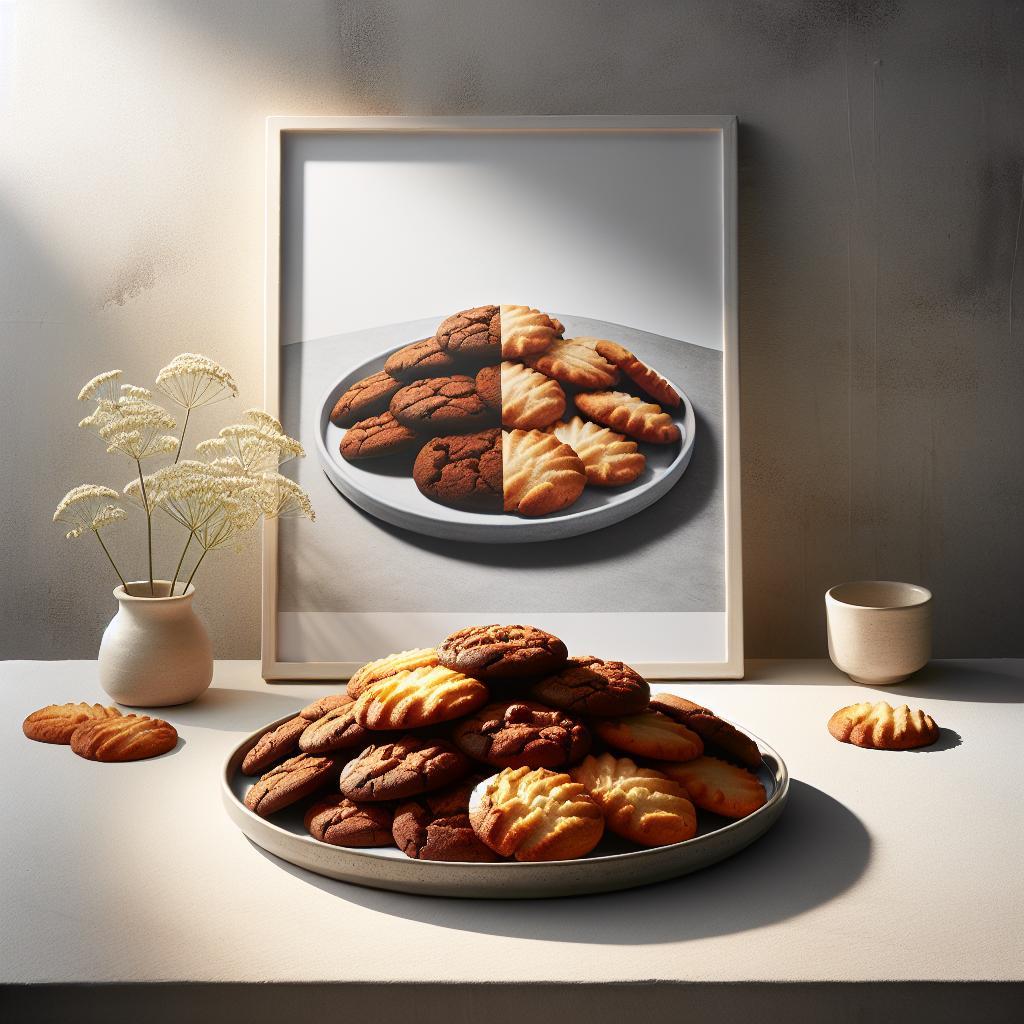
Chewy vs. Crispy Cookies: soft center and crisp edge

See also: cookie texture

Unlock Flavor: 7 Pro Tips for Mastering MSG in Home Cooking
Crafting Perfection: 7 Scientific Rules for Simple Cocktails
9 Science-Backed Steps to Perfect Baked Beans
7 Bold Steps to Craft Zesty Fermented Mustard with Whey
Soulful Sips: 7 Pro Secrets to Roasted Tomato Soup Mastery
TAGGED:andbaking sciencechewychewy cookiescookie bakingcookie texturecrispycrispy cookiesdough chillingforingredient ratiosthe
Share This Article
Facebook Pinterest Whatsapp Whatsapp LinkedIn Telegram Threads
What do you think?
Love0
Sad0
Happy0
Sleepy0
Angry0
Dead0
Wink0
Previous Article Unlocking Meat Secrets: Protein Structures of Various Cuts Meat Protein Mastery: 7 Essential Protein Structures of Cuts
Next Article Coconut Milk & Cream: Unlocking Their Culinary Magic 11 Powerful Ways Coconut Milk & Cream Transform Your Cooking
Hearty Beef and Broccoli Stew: A Flavorful Comfort Classic
Beef Stew: Hearty Beef & Broccoli Stew
Extra Picks
Hearty Chicken and Rice Soup: Comfort in Every Bowl
7 Pro Tips for Hearty Chicken Soup
Extra Picks
Sizzling Beef and Broccoli Skillet: Quick, Flavorful Feast
10-Min Beef Broccoli Skillet — Fast, Flavorful
Extra Picks
Savory Secrets to Perfectly Creamy Garlic Chicken Delight
7 Savory Secrets for Perfectly Creamy Garlic Chicken Delight
Extra Picks

Tags

and art baked baking science baking techniques Baking tips batch cooking beef Beef and broccoli behind butternut squash caramelization cast iron skillet chemistry chicken comfort food Cooking science cooking technique Cooking techniques Cooking tips crafting creamy creamy soup crispy culinary science fish flavor flavor chemistry food food safety Food science for garlic golden Ground turkey hearty heat high-heat cooking high protein meals how instant read thermometer Lean protein magic Maillard reaction make ahead meals make ahead soup mastering meal prep Meal prep recipes meat thermometer microwave microwave cooking moisture control one pot meals Pan searing perfect perfectly Plant based protein Probe thermometer protein denaturation roasted roasted squash roasted tomato soup Roasted vegetables Roasting techniques Roux technique savor savory science Searing technique Searing techniques secrets slow cooking squash steak steak cooking sweet temperature control the top turkey turkey soup turkey stew ultimate umami cooking umami flavor unlock unlocking unveiling vegetable velvety weeknight dinner Weeknight dinners weeknight meals what when why with your zesty
March 2026
M T W T F S S
 1
2345678
9101112131415
16171819202122
23242526272829
3031  
« Feb    

You Might Also Like

- Creamy Coconut Bliss: Crafting Your Own Homemade Coyo
DIY Ferments

5-Step Creamy Coconut Bliss: Mastering Homemade Coyo

William J. Kroll
William J. Kroll
November 7, 2025
Savor the Flavor: Beef Keema Perfectly Paired with Rice
Extra Picks

Savor the Flavor: 7 Proven Steps for Perfect Beef Keema with Rice

William J. Kroll
William J. Kroll
January 1, 2026
The Science Behind Crafting the Perfect Croissant Crust
Baking & Roasting

9 Expert Steps to a Perfect Croissant Crust

William J. Kroll
William J. Kroll
January 12, 2026
- Perfectly Crisp: Secrets to Avoid a Soggy Pie Crust Bottom
Sugar & Starch

Perfectly Crisp: 9 Expert Secrets to Avoid a Soggy Pie Crust Bottom

William J. Kroll
William J. Kroll
September 30, 2025
Unlocking Flavor: The Science Behind Perfect Savory Sorbet
MSG Myths

Unlocking Flavor: 7 Science-Backed Tips for Perfect Savory Sorbet

William J. Kroll
William J. Kroll
November 16, 2025
- The Science Behind Batter Cooking: Speedy Sizzle Secrets
Microwave Myths

10 Rapid Batter-Cooking Secrets for Perfect Crisp

William J. Kroll
William J. Kroll
October 29, 2025
Follow US
By Fimaw.com © All Rights Reserved.
  • Advertising Policy
  • Contact Us
  • Cookie Policy
  • Copyright Notice
  • Disclaimer
  • Privacy Policy
  • Terms of Service
Welcome Back!

Sign in to your account

Username or Email Address
Password

Lost your password?