
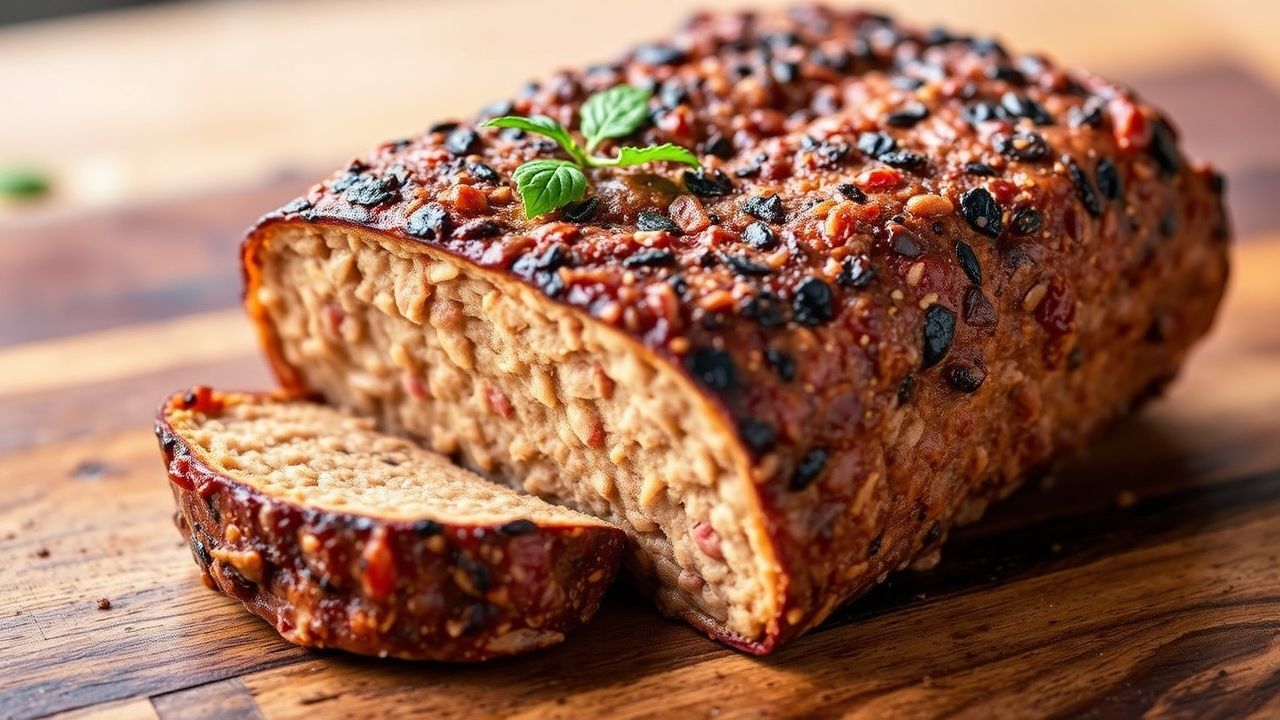

Seitan distills gluten into a versatile, chewy protein that mimics animal meat with surprising fidelity. Professional cooks use precise hydration, kneading, and cooking techniques to coax a fibrous, tender structure from wheat protein, making seitan a remarkable meat alternative. This guide explore the secrets of mastering seitan.
- What seitan is and how it is made
- The gluten network: the structural secret of seitan
- Flavor chemistry: why seitan can taste like meat
- Cooking techniques that tune texture and flavor
- Nutritional profile and dietary considerations
- Textural variations and recipe adaptations
- Practical troubleshooting and chef tips
- FAQ
- Key takeaway: Gluten structure drives texture; technique controls bite.
- Key takeaway: Flavor comes from umami-rich broths and Maillard browning.
- Key takeaway: Nutritionally useful but not a complete protein on its own.
- Key takeaway: Avoid if you have gluten intolerance or coeliac disease.
What seitan is and how it is made
Seitan is concentrated wheat gluten formed into shapes and cooked to develop a meat-like texture. Producers either wash dough to remove starch or start with vital wheat gluten for convenience. This process creates a protein base that is excellent for culinary experimentation.
At the molecular level, the protein network in seitan comes from two wheat proteins: gliadin and glutenin. Those proteins align and bond during hydration and mechanical work to form an elastic matrix similar to connective tissue. Understanding this fundamental science is key to mastering seitan preparation.
The gluten network: the structural secret of seitan
When you combine wheat protein and water, gluten forms a three-dimensional network that traps water and gas and provides chew. The balance of hydration and kneading controls how tight or loose that network becomes. This network is the foundation for achieving a desirable seitan texture.
Too much kneading tightens the network and yields a firm, springy product. Light kneading and higher hydration produce a softer, more tender crumb that mimics poultry or fish. The precise manipulation of the gluten network is a core seitan technique.
Gluten chemistry in practical terms
Gluten elasticity depends on bond formation between glutenin (strength) and gliadin (extensibility). Apply mechanical energy and heat to encourage proper alignment and cross-linking for optimal seitan structure.
Hydration ratios matter: higher hydration softens the final texture, while lower hydration concentrates protein and increases chew. Professional recipes specify grams to control repeatability, ensuring consistent seitan results.
| Variable | Effect on Texture |
|---|---|
| Hydration (higher) | Softer, more tender; easier to shred |
| Kneading (more) | Denser, springier, chewier |
| Cooking method (steaming vs simmering) | Steaming preserves spring; simmering firms and flavors |
Flavor chemistry: why seitan can taste like meat
Seitan is neutral on its own but readily soaks up savory compounds from cooking liquids. Chefs rely on umami sources and amino-acid reactions to build depth, transforming bland seitan into a flavorful dish.
Surface browning amplifies perceived meatiness through the Maillard reaction, which forms complex aroma compounds when proteins meet reducing sugars under heat. This is crucial for mimicking the savory notes of meat in seitan.
Building umami and depth
Use broth enriched with fermented or savory ingredients to add amino acids and nucleotides that enhance umami. Sources like miso, soy, and nutritional yeast deliver results fast when preparing seitan.
Marinades and reduction glazes concentrate these compounds and create a savory crust during frying or grilling. The combination of infused interior flavor and caramelized exterior makes seitan convincing.
Two processes work together: interior flavor absorption and exterior browning. Both must be dialed in for a convincing meat analog like seitan.
Cooking techniques that tune texture and flavor
Common methods include steaming, simmering, baking, frying, and grilling. Each method changes water content and surface chemistry, altering mouthfeel and flavor. Experimenting with these techniques is vital for versatile seitan.
Steaming sets a uniform texture and keeps the product moist. Simmering in a rich broth infuses flavor but can firm the crumb if overcooked. These methods offer different outcomes for your seitan.
Technique-by-technique guidance
Steaming: Use for delicate textures that need to hold shape. Steam gently until the center registers set but still yields under pressure. This is a good starting point for seitan.
Simmering: Use low heat and avoid rolling boil to prevent protein tightening. Simmer briefly and finish with a high-heat sear to add a crust to your seitan.
Frying and grilling: High surface temperature produces rapid Maillard browning. Use oil or a dry surface to maximize crust formation while keeping the interior tender. These methods are excellent for seitan.
For step-by-step seitan recipes, see our seitan basics guide and our plant protein guide for pairing ideas.
Nutritional profile and dietary considerations
Seitan provides concentrated protein with low fat content, making it a lean plant-based option. However, it lacks certain essential nutrients found in animal products, which is important to note for a balanced seitan diet.
Wheat protein is low in the essential amino acid lysine, so combine seitan with legumes or seeds to achieve a balanced amino-acid profile. It does not supply vitamin B12 or heme iron, common considerations for seitan consumers.
Allergens and safety
Seitan contains gluten, so it is not suitable for people with coeliac disease or gluten sensitivity. Avoid seitan if you must strictly limit gluten intake.
For medical guidance related to gluten, reference reputable sources such as the Coeliac disease overview and consult a healthcare professional for diagnosis and dietary advice. This is critical for anyone considering seitan.
Store-bought seitan can contain added sodium or preservatives. Read labels to manage sodium intake and choose minimally processed options when possible.
Textural variations and recipe adaptations
You can tailor seitan to mimic different meats by changing dough handling and cooking finalization. Think of dough handling as a texture dial: crank for steak, ease for shredded chicken. This adaptability makes seitan highly versatile.
Layering techniques create muscle-like strands: roll and compress dough, then slice thinly along the grain before final cooking. Inject marinades into thicker pieces to ensure interior flavor for your seitan.
Examples of targeted tweaks
For firm steak-like seitan, use lower hydration, more kneading, and long braising followed by a hot sear. For shredded textures, use higher hydration, gentle steaming, and pull-apart shredding after cooking.
Combine seitan with legumes in mixed dishes to improve lysine content and texture contrast. That approach adds both nutrition and sensory interest to seitan meals.
Practical troubleshooting and chef tips
If seitan becomes rubbery, you likely overworked the dough or overcooked it. Reduce kneading time or shorten simmering cycles to recover a more pleasant bite. This is a common seitan issue.
To boost shelf life, refrigerate sealed seitan in its cooking liquid for up to several days, or freeze in portions. Label packages and defrost gently to preserve texture.
FAQ
What is the best base ingredient for seitan: flour or vital wheat gluten?
Both methods work. Starting from flour and washing out starch produces traditional seitan with a slightly different mouthfeel. Using vital wheat gluten offers consistency and speed for commercial or home cooks preparing seitan.
How do I make seitan taste savory rather than bland?
Infuse seitan with umami-rich broths and ferment-derived seasonings. Finish with high-heat searing to activate the Maillard reaction and build complex aroma compounds.
Is seitan a complete protein?
Seitan supplies much protein but is low in lysine. Pair it with beans, lentils, or seeds to achieve a full amino-acid profile in meals.
How should seitan be cooked to mimic chicken or beef?
For chicken-like textures, aim for higher hydration and gentle steaming, then quick pan-sear. For beef-like results, tighten the dough, simmer for density, then finish with a hot char or broil. These methods yield great seitan.
Can people with gluten sensitivity eat seitan safely?
No. Seitan contains concentrated gluten and is unsafe for anyone with coeliac disease or non-coeliac gluten sensitivity. Refer to the Coeliac disease page for medical context and testing guidelines regarding seitan consumption.
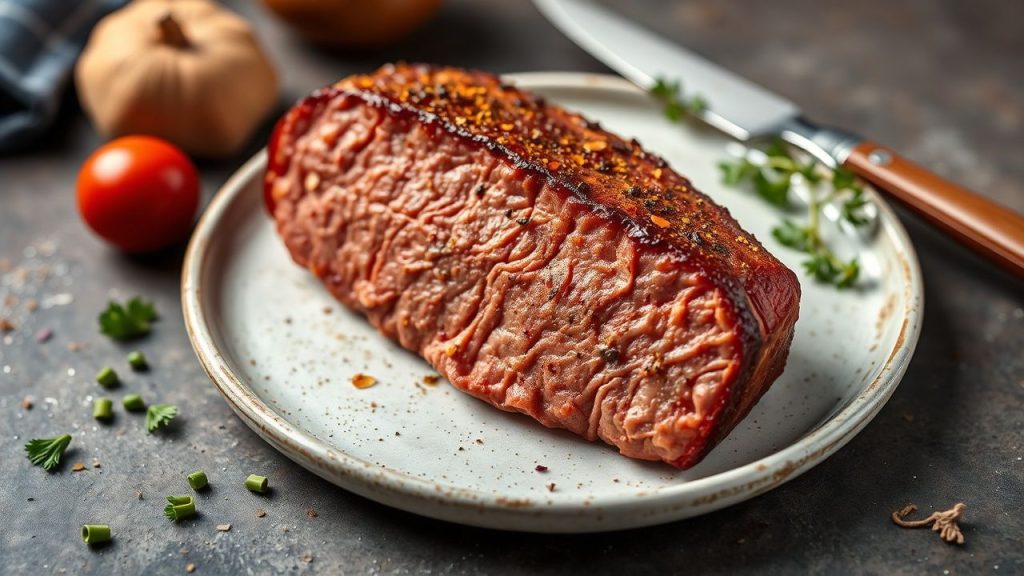
Seitan remains one of the most flexible and cost-effective meat alternatives when made with attention to protein chemistry and cooking physics. Use controlled technique and flavor layering to produce convincing, nutritious dishes. Mastering seitan opens up a world of culinary possibilities.
See also: Seitan