
Chia Seed Pudding: A Nutritious Spoonful of Delight
Chia seed pudding turns tiny seeds into a creamy, nutrient-dense dish that works for breakfast, snacks, and dessert. The seeds absorb liquid and create a gel that yields a spoonable texture while delivering fiber, protein, and healthy fats.
- Why Chia Works: Science and Source
- Prep and Cook Time
- Yield
- Difficulty Level
- Ingredients
- Instructions
- Tips for Success
- Pro-Caution and Storage
- Serving Suggestions
- Nutrition Profile
- Q&A
- FAQ
- How long does chia pudding keep in the fridge?
- Can I make chia pudding without sweetener?
- What liquid gives the creamiest result?
- Can I freeze chia pudding?
- Are chia seeds allergenic?
- Final Thoughts
As a practical, no-cook recipe, chia pudding suits meal prep and varied diets. It scales easily and adapts to flavoring agents, sweeteners, and toppings without losing its nutritional profile.
- Quick prep: Mix and chill for an overnight set.
- Nutrient-rich: Supplies omega-3s, fiber, and plant protein.
- Versatile: Customizable for vegan and gluten-free menus.
- Meal prep friendly: Keeps well for grab-and-go breakfasts.
Why Chia Works: Science and Source
Chia seeds come from the plant Salvia hispanica (chia plant). They form a mucilaginous coating when hydrated, which produces the pudding’s characteristic gel. This physical behavior explains the change from dry seed to creamy texture without heat.
From a nutrition standpoint, chia seeds concentrate alpha-linolenic acid and soluble fiber. Those components slow gastric emptying and promote sustained energy release. Preparing them with a liquid source creates a balanced matrix of macronutrients and hydration.
Prep and Cook Time
Preparation: 10 minutes active time. Plan on at least 4 hours for chilling; overnight yields best texture.
Cook Time: None required. The recipe relies on hydration rather than heat, which preserves heat-sensitive nutrients and flavor compounds.
Yield
This base recipe yields four 1/2-cup servings, suitable for breakfast portions or individual snack jars. You can double or halve the quantities with linear scaling of seed-to-liquid ratio.
Portion control matters because chia absorbs volume. Keep jars or containers consistent to maintain accurate calorie and macronutrient estimates.
Difficulty Level
Easy. The technique requires basic equipment: a bowl, whisk, and refrigerator. It suits beginner cooks and busy professionals.
Timing and stirring are the key variables. Follow the hydration and stirring steps to avoid clumping and achieve uniform texture.
Ingredients
The recipe below uses common pantry items and a plant-based milk. Using a plant-based milk keeps the pudding vegan and lowers saturated fat when compared to full-fat dairy.
Substitute liquids thoughtfully; higher-fat milks increase creaminess while thinner milks yield a lighter mouthfeel.
- 1/2 cup chia seeds, whole and raw
- 2 cups unsweetened almond milk (or other plant-based milk alternatives)
- 2 tablespoons pure maple syrup or honey for natural sweetness
- 1 teaspoon vanilla extract for aromatic depth
- Pinch of sea salt to enhance all flavors
Instructions
Follow methodical steps to ensure even hydration and a smooth final texture. Small, early interruptions of the gel formation prevent clumps.
Measure precisely for consistent results, especially if you scale the recipe for meal prep.
Step-by-step method
- Combine the liquid: In a medium bowl, whisk almond milk, maple syrup, vanilla, and a pinch of salt until blended.
- Add the chia: Sprinkle chia seeds into the liquid while whisking continuously to disperse seeds and limit clumps.
- Rest and re-whisk: Let the mix sit for 5 minutes, then whisk again to break any forming clusters; cover afterward.
- Chill: Refrigerate for at least 4 hours or overnight so seeds fully hydrate and thicken to a pudding texture.
- Finish and serve: Stir the pudding before serving. Adjust consistency with extra milk if needed.
Using a blender for an initial 20–30 seconds yields an ultra-smooth texture by pre-breaking seeds. Reserve a few minutes to stir after the first setting period to re-distribute seeds.
Keep steps short and intentional. The recipe emphasizes controlled hydration rather than complex technique.
Tips for Success
Small technique choices change final texture and shelf life. Use room-temperature liquid for faster seed expansion, and choose a thicker milk for creamier results.
Stir twice during the first 15–20 minutes of setting to reduce grittiness and uneven clumping.
- Blend the seeds and liquid briefly for a pudding that approaches custard-like smoothness.
- Use full-fat coconut milk for a dessert-style pudding with higher mouth-coating fat.
- Store in airtight containers for up to 5 days in the refrigerator for reliable meal prep.
Let the pudding sit undisturbed in the fridge to set fully. Avoid frequent opening of the container during the first few hours because temperature swings affect gel formation.
Pro-Caution and Storage
Chia seed pudding stores well, but follow safe refrigeration practices. Keep jars sealed and refrigerate immediately after mixing or serving.
If separation occurs after extended storage, simply stir to re-emulsify the mixture; separation does not indicate spoilage unless off-odors or visible mold appear.
Serving Suggestions
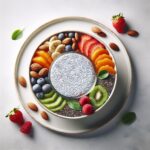
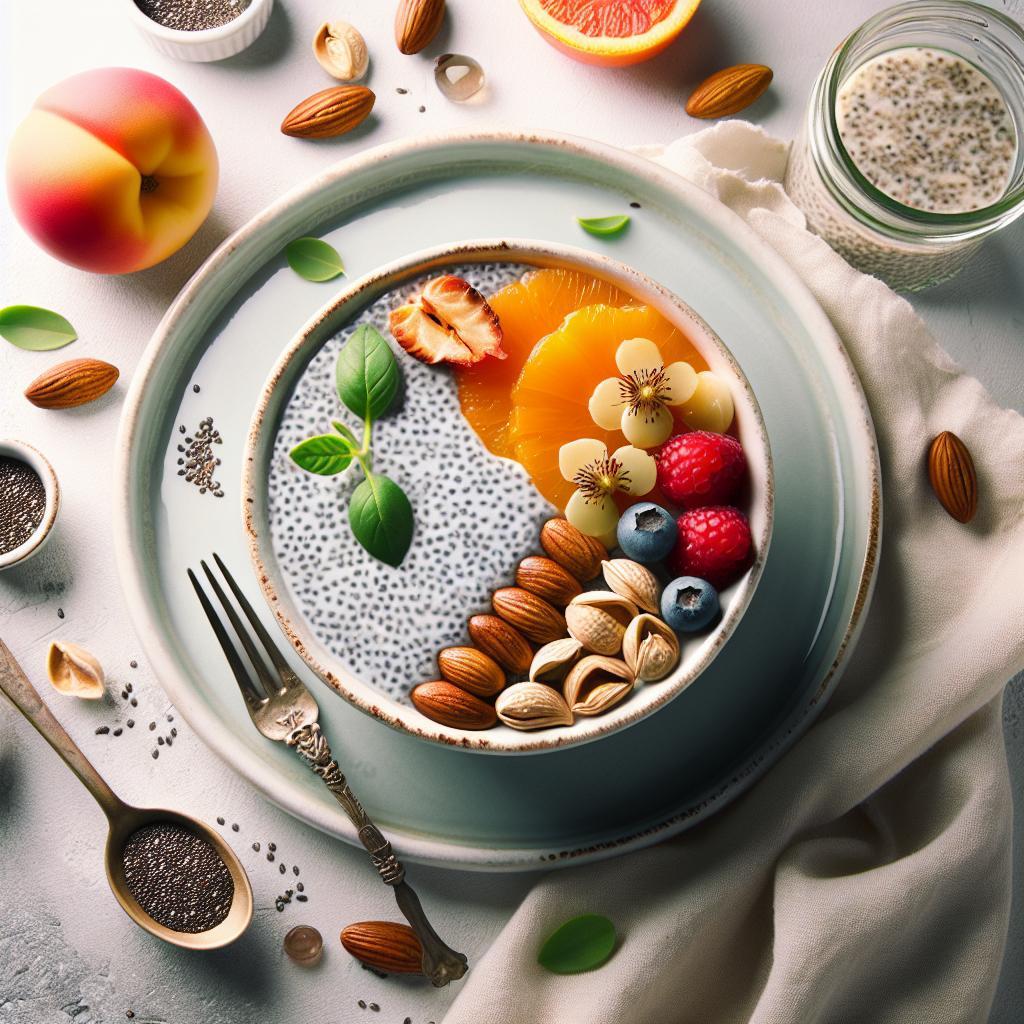
Pair chia pudding with contrasting textures and flavors: tart berries, crunchy nuts, or toasted seeds add textural interest. Spices like cinnamon or cocoa deepen the flavor profile without added sugar.
Present in clear jars for visual appeal, layering pudding with fruit compotes or granola. Rotate toppings through the week for variety and balanced nutrient intake.
- Layer with mixed berries and a dollop of Greek-style yogurt for tang and probiotics.
- Top with toasted nuts and a drizzle of nut butter for a higher-protein option.
- Stir in powdered cocoa and a splash of milk for a chocolate version.
Nutrition Profile
A typical 1/2-cup serving of this pudding provides concentrated macronutrients and fiber. Chia seeds contribute plant-based protein along with fats dominated by omega-3 fatty acids.
Soluble fiber in chia slows digestion and supports steady blood glucose response. For more on the role of fiber in digestion, see dietary fiber.
| Nutrient | Per Serving |
|---|---|
| Calories | 180 kcal |
| Protein | 6 g |
| Carbohydrates | 15 g |
| Fat | 10 g (mostly unsaturated) |
| Fiber | 11 g |
Q&A
This Q&A clarifies the most common practical questions about chia pudding and its preparation. Use these answers to refine texture, flavor, and storage.
Short, actionable tips help you get consistent results quickly.
Q1: What exactly is chia seed pudding?
Chia seed pudding is a gelled mixture of chia seeds and liquid, often flavored with sweeteners and extracts. Hydration causes the seeds to expand and form a spoonable texture similar to tapioca.
Q2: Why are chia seeds considered nutrient-dense?
Chia seeds provide alpha-linolenic acid, soluble fiber, and plant protein in a compact portion. Their nutrient density makes small servings impactful for satiety and micronutrient delivery.
Q3: How do I avoid lumps?
Whisk continuously while adding seeds to liquid, rest for 5 minutes, then whisk again. A brief blend pre-hydration also reduces lump formation.
Q4: Is chia pudding suitable for special diets?
Yes. When prepared with plant milk and no animal sweeteners, chia pudding is vegan, gluten-free, and adaptable to low-FODMAP plans with appropriate ingredient choices.
FAQ
How long does chia pudding keep in the fridge?
Store in sealed containers for up to five days. After that, texture and flavor can degrade. Always discard if there are off-smells or visible spoilage.
Can I make chia pudding without sweetener?
Yes. Many eat it unsweetened and add sweet toppings like fruit or a small drizzle of honey at serving time to control sugar and caloric intake.
What liquid gives the creamiest result?
Full-fat coconut milk or a high-fat plant milk produces the richest mouthfeel. Low-fat milks yield a lighter, less viscous pudding.
Can I freeze chia pudding?
Freezing alters texture; the gel can become grainy after thawing. Refrigeration is preferable for maintaining consistency.
Are chia seeds allergenic?
Chia rarely causes classic allergic reactions, but anyone with seed allergies should exercise caution and consult healthcare advice before adding them to the diet.
Final Thoughts
Chia seed pudding provides a reliable, nutrient-dense option for busy routines. With minimal steps, you produce a flexible base that supports a range of dietary goals and flavor profiles.
Use measured technique, safe storage, and thoughtful toppings to maximize both nutrition and enjoyment from each spoonful.

See also: Chia pudding