
By using this site, you agree to the Privacy Policy and Terms of Use.
Accept
CookOrBitCookOrBitCookOrBit
  • Home
  • About Us
  • Ingredient Science
    • Flavor & Aroma
    • Protein Chemistry
    • Sugar & Starch
    • Fats & Emulsions
  • Cooking Techniques
    • Searing & Grilling
    • Baking & Roasting
    • Boiling & Steaming
    • Low & Slow
  • Kitchen Experiments
    • DIY Ferments
    • Flavor Tests
    • Gadget Testing
    • Molecular Gastronomy
  • Food Myths
    • Searing Myth
    • 5-Second Rule
    • MSG Myths
    • Microwave Myths
  • Tools
  • More
    • Extra Picks
    • Quick & Easy
      • Breakfast Ideas
      • Desserts
      • Snacks
      • Soups
    • Global Flavors
      • Asian Street Eats
      • Latin Comforts
      • Mexican Flavors
      • Modern Mediterranean
CookOrBitCookOrBit
  • Home
  • About Us
  • Ingredient Science
  • Cooking Techniques
  • Kitchen Experiments
  • Food Myths
  • Tools
  • More
Search
  • Home
  • About Us
  • Ingredient Science
    • Flavor & Aroma
    • Protein Chemistry
    • Sugar & Starch
    • Fats & Emulsions
  • Cooking Techniques
    • Searing & Grilling
    • Baking & Roasting
    • Boiling & Steaming
    • Low & Slow
  • Kitchen Experiments
    • DIY Ferments
    • Flavor Tests
    • Gadget Testing
    • Molecular Gastronomy
  • Food Myths
    • Searing Myth
    • 5-Second Rule
    • MSG Myths
    • Microwave Myths
  • Tools
  • More
    • Extra Picks
    • Quick & Easy
    • Global Flavors
Follow US
  • Advertising Policy
  • Contact Us
  • Cookie Policy
  • Copyright Notice
  • Disclaimer
  • Privacy Policy
  • Terms of Service
By Fimaw.com
Unveiling Hydrolysis: The Science Behind Water’s Powerful Split
CookOrBit > Blog > Food Myths > MSG Myths > Unveiling Hydrolysis: The Science Behind Water’s Powerful Split
MSG Myths

Unveiling Hydrolysis: The Science Behind Water’s Powerful Split

William J. Kroll
By William J. Kroll
Published: January 12, 2026
Share
SHARE

Beneath the serene surface of a simple drop of water lies a world of dynamic transformation-a silent, invisible dance where molecules part ways and new possibilities emerge. This mesmerizing process, known as hydrolysis, is the key to unlocking water’s extraordinary power to split and reshape the very fabric of life and matter. From fueling endless chemical reactions to driving the engines of biology and industry, hydrolysis reveals the hidden might behind water’s humble appearance. Join us as we dive deep into the science behind this molecular marvel, unearthing how water’s split second act orchestrates some of the most essential processes on Earth.

Contents
  • Prep and Cook Time
  • Yield
  • Difficulty Level
  • Ingredients
  • Instructions
  • Chef’s Notes
  • Serving Suggestions
  • Q&A
  • In Retrospect

Understanding hydrolysis at the molecular level opens a fascinating doorway into the intricate dance between water molecules and the bonds that define everyday ingredients and materials. This transformative process, harnessed cleverly in culinary arts and beyond, reveals water’s powerful split-breaking complex compounds into simpler, flavorful, and digestible forms. Exploring this concept not only deepens appreciation for food science but also inspires innovative ways to enhance hydrolysis efficiency in kitchens and laboratories alike.

Prep and Cook Time

  • Preparation: 10 minutes
  • Active process time: 20-30 minutes (varies by application)

Yield

Serves approximately 4-6 portions, or sufficient for multiple experimental batches depending on the scale.

- Advertisement -

Difficulty Level

Medium – Requires some understanding of chemical reactions and controlled timing.

Ingredients

  • 500 ml distilled water, room temperature for controlled reactivity
  • 1 tbsp citric acid powder (a natural catalyst to encourage hydrolysis)
  • 2 tbsp refined organic sugar (to demonstrate carbohydrate splitting)
  • 1 tsp baking soda (to monitor pH influence)
  • Fresh lemon juice (optional), 1 tbsp for acidity adjustment
  • Heat source (e.g., gentle stove or induction plate)
  • Glass beaker or heat-resistant bowl for mixing
  • Thermometer for precision temperature control
  • Stirring utensil, preferably glass or silicone

Instructions

  1. Begin by pouring 500 ml distilled water into your heat-resistant bowl. Pour slowly to avoid splashing.
  2. Add 1 tbsp citric acid powder while stirring gently to dissolve completely. The acid will act as a critical hydrolysis catalyst.
  3. Slowly introduce 2 tbsp refined organic sugar and stir until fully dissolved, ensuring the solution is uniform.
  4. Sprinkle 1 tsp baking soda carefully and observe the subtle bubbling-this indicates pH interaction critical for specific hydrolysis pathways.
  5. If desired, mix in 1 tbsp fresh lemon juice to fine-tune acidity and enhance molecular breakdown inside the solution.
  6. Place the container over a low to medium heat; maintain the temperature around 40-50°C (104-122°F). Use a thermometer to keep this stable, as excessive heat can degrade delicate components.
  7. Allow the solution to simmer gently for 20-30 minutes, stirring intermittently. This mimics enzymatic hydrolysis conditions and stimulates hydrolysis reactions, breaking sugar molecules into glucose and fructose components.
  8. Once your solution exhibits a slight change in color and viscosity, remove from heat. Let it cool naturally; this helps stabilize the hydrolyzed products.
  9. Use the solution for demonstrating hydrolysis effects in baking, fermentation, or food experimentation, or transfer it to a sealed bottle for later use.

Chef’s Notes

  • Adjust acidity carefully; hydrolysis is highly sensitive to pH. Too acidic or basic can prevent desired reactions.
  • Try substituting citric acid with vinegar for a milder effect and a complex flavor palette.
  • For enhanced breakdown of starches, incorporate natural enzymatic powders like amylase during warm incubation.
  • Keep your temperature consistent – fluctuating heat disrupts molecular activity.
  • Make ahead: This hydrolysis infusion can be refrigerated up to one week in a sealed container.

Serving Suggestions

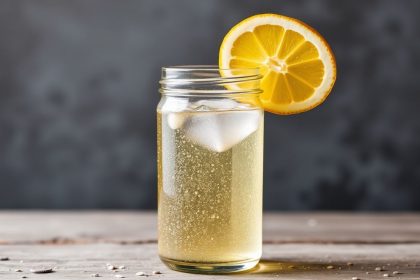
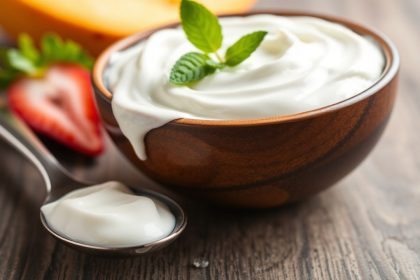
This hydrolyzed infusion holds incredible potential beyond science experiments-it can be spotlighted in culinary demonstrations. Drizzle it over fresh fruit or yogurt for a subtly sweet, tangy finish that highlights its broken-down sugars. Use it as a natural sweetener in tea or cocktails where complexity and depth are desired. Garnish with fresh mint leaves or thin lemon slices for a visually refreshing experience.

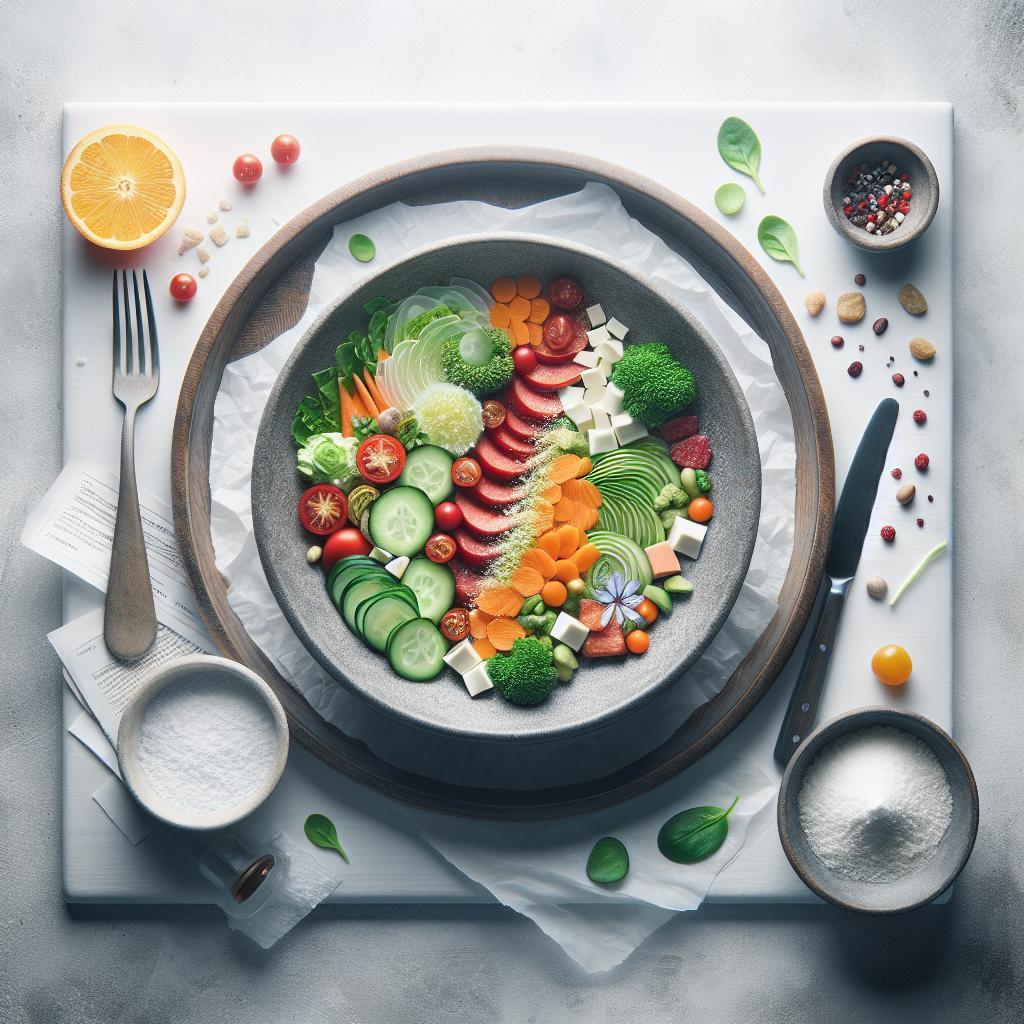
Understanding Hydrolysis at the Molecular Level - Water's powerful split in action
Visualizing hydrolysis: Molecular breakdown powered by water’s split
Nutrient Per Serving
Calories 45
Protein 0g
Carbohydrates 12g
Fat 0g

Unlock further applications of this remarkable water-splitting power by exploring advanced enzymatic hydrolysis techniques. For more on transformative culinary science, check out our Science of Fermentation Explained. To delve deeper into the molecular dynamics of hydrolysis, refer to this comprehensive scientific review from a respected biochemical journal.

- Advertisement -

Q&A

Q&A: Unveiling Hydrolysis: The Science Behind Water’s Powerful Split

Q1: What exactly is hydrolysis?
A: Hydrolysis is a fascinating chemical process where water acts as the ultimate molecular detective, breaking down complex compounds into simpler ones. By “splitting” a molecule with the help of water, it cleaves bonds and unlocks new substances-like a key opening hidden doors in chemistry.

Q2: How does water manage this powerful split?
A: Water is more than just a universal solvent-it’s a molecule with a secret weapon. Its structure, with one oxygen atom and two hydrogens arranged in a bent shape, creates polar charges. These charges tug at bonds in other molecules, making them easier to break apart. Hydrolysis often involves water donating an H⁺ (proton) to one part of the molecule and an OH⁻ (hydroxide) to another, effectively cutting the bond in two.

- Advertisement -

Q3: Where do we see hydrolysis in everyday life?
A: Hydrolysis is quietly at work all around us! Digesting food is a prime example-enzymes use hydrolysis to break down carbohydrates, proteins, and fats into absorbable units. Even soap-making relies on hydrolysis, as fats are split into glycerol and fatty acids. In nature, hydrolysis helps decompose organic matter, cycling nutrients and sustaining life.

Q4: Is hydrolysis the same as simple water breaking down?
A: Not quite. While water itself can undergo a kind of self-splitting called autoionization (forming H⁺ and OH⁻ ions), hydrolysis specifically refers to water breaking bonds in other molecules. Think of autoionization as water’s “self-care” routine, and hydrolysis as its role as a molecular surgeon.

Q5: Can hydrolysis be harnessed for green energy?
A: Absolutely! Electrolysis of water-a close relative of hydrolysis-involves using electricity to split water into hydrogen and oxygen gases. This hydrogen can be a clean fuel, making hydrolysis and its electrochemical cousins pivotal in the quest for sustainable energy.

Q6: What factors influence the rate of hydrolysis?
A: Several factors act like traffic signals for hydrolysis speed. Temperature boosts molecular movement, speeding reactions; enzymes act as savvy catalysts, lowering energy barriers; pH levels can either promote or hinder bond breaking; and the nature of the molecule undergoing hydrolysis itself plays a big role-some bonds resist the water attack more than others.

Q7: Why is understanding hydrolysis important to science and industry?
A: Unlocking the secrets of hydrolysis is key to innovations in medicine, agriculture, environmental science, and manufacturing. From designing better pharmaceuticals to creating biodegradable plastics, hydrolysis knowledge fuels advancements that make our world cleaner, healthier, and smarter.


Water may seem simple, but its ability to split molecules through hydrolysis reveals a deeply complex and powerful chemical artistry that sustains life and drives progress.

In Retrospect

As we close the chapter on the intricate dance of molecules in hydrolysis, we’re reminded that water is far more than a simple, everyday liquid. It is a dynamic force, capable of cleaving bonds and sparking transformations that fuel life and industry alike. From the mysteries hidden within cells to the vast arenas of green energy, hydrolysis stands as a testament to the subtle power tucked within water’s split. Understanding this remarkable process not only deepens our appreciation for chemistry but also opens doors to innovative solutions that may shape our future. In the end, the science behind water’s powerful split is a story of connection-between molecules, elements, and the endless possibilities flowing invisibly around us.
Unveiling Hydrolysis: The Science Behind Water's Powerful Split

The Magic of Wild Fermentation: Nature’s Taste Adventure
Unlock Flavor: How to Make Creamy Roasted Garlic Hummus Dip
Savor the Perfect Beef and Broccoli Skillet: Quick & Tasty
Whipping Magic: The Chemistry Behind Perfect Angel Food Cake
Mastering Dinner Party Menus: Tips & Tasty Ideas Unveiled
TAGGED:andhydrolysissciencetheunveiling
Share This Article
Facebook Pinterest Whatsapp Whatsapp LinkedIn Telegram Threads
What do you think?
Love0
Sad0
Happy0
Sleepy0
Angry0
Dead0
Wink0
Previous Article Unlocking Flavor: The Science Behind Spatchcocked Chicken Unlocking Flavor: The Science Behind Spatchcocked Chicken
Next Article What Happens When You Skip Patting Meat Dry: An Experiment What Happens When You Skip Patting Meat Dry: An Experiment
Savory Beef Tips with Mushroom Gravy: A Hearty Classic Recipe
Extra Picks
Sizzling Chicken Tikka Skewers: A Flavorful Grill Guide
Extra Picks
Hearty Chicken and Vegetable Stew: A Nutritious Comfort Bowl
Extra Picks
Savor the Comfort: Turkey and Rice Stew Delight Unveiled
Extra Picks

Tags

and are art baked beef behind brighten butter cabbage carrot cauliflower cheese chemistry chicken chili coconut cooking cozy crafting creamy crisp crispy crust deliciously does dough dry easy egg energize exploring fish flavor flavorful food for garlic golden grill guide happens healthy hearty heat how inside keto lemon magic make master mastering meat microwave moisture moroccan pasta perfect perfectly protein rice roasted role Salad savor savoring savory science searing secret secrets sizzling sous squash steak sugar sweet testing that the tips top turkey ultimate umami unlock unlocking unraveling unveiling vegetable velvety water what when whipping wholesome why with your zesty
February 2026
M T W T F S S
 1
2345678
9101112131415
16171819202122
232425262728  
« Jan    

You Might Also Like

Crispy Science: Testing Starches for Perfect Frying Results
Flavor Tests

Crispy Science: Testing Starches for Perfect Frying Results

William J. Kroll
William J. Kroll
November 16, 2025
Hearty Beef and Rice Stew: A Comforting Culinary Classic
Extra Picks

Hearty Beef and Rice Stew: A Comforting Culinary Classic

William J. Kroll
William J. Kroll
January 20, 2026
Sweet & Savory Slow Cooker Honey Garlic Beef Recipe Guide
Extra Picks

Sweet & Savory Slow Cooker Honey Garlic Beef Recipe Guide

William J. Kroll
William J. Kroll
February 1, 2026
Unlocking Flavor: How Deglazing Captures Searing’s Essence
Extra Picks

Unlocking Flavor: How Deglazing Captures Searing’s Essence

William J. Kroll
William J. Kroll
November 1, 2025
The Magic of Fat: How It Preserves and Tenderizes Food
Fats & Emulsions

The Magic of Fat: How It Preserves and Tenderizes Food

William J. Kroll
William J. Kroll
November 10, 2025
Massaman Curry: Exploring Thai Flavors and Traditions
Extra Picks

Massaman Curry: Exploring Thai Flavors and Traditions

William J. Kroll
William J. Kroll
December 24, 2025
Follow US
By Fimaw.com © All Rights Reserved.
  • Advertising Policy
  • Contact Us
  • Cookie Policy
  • Copyright Notice
  • Disclaimer
  • Privacy Policy
  • Terms of Service
Welcome Back!

Sign in to your account

Username or Email Address
Password

Lost your password?