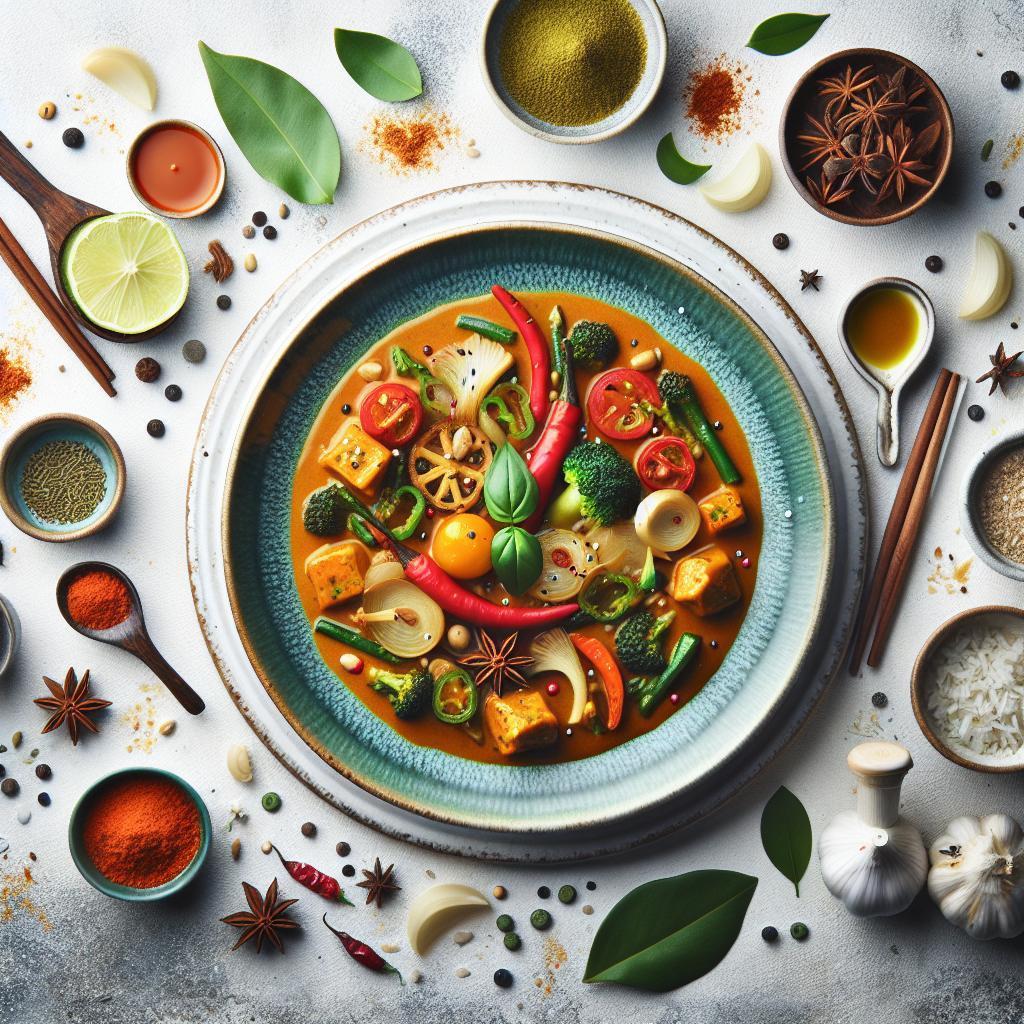

Every great curry combines art with measurable chemical reactions. This article explains how spice chemistry, heat, fat, and timing work together to produce a balanced, deeply flavored curry.
- The Chemistry Behind Curry
- Spice Handling & Timing
- Fat, Heat, and Texture
- Recipe & Technique
- Tips for Success
- Serving Suggestions
- FAQ
- What makes curry taste balanced?
- How do I reduce heat without losing flavor?
- Why toast whole spices first?
- Can I use yogurt instead of coconut milk?
- How long should I simmer for depth?
- Final Notes
- Balance is chemical: acids, sugars, and fat change how spices register on the palate.
- Order matters: toasting and tempering extract volatile oils without burning them.
- Fat carries flavor: many key compounds dissolve in fat and disperse through the dish.
- Time refines: slow simmering lets reactions like Maillard develop complex notes.
The Chemistry Behind Curry
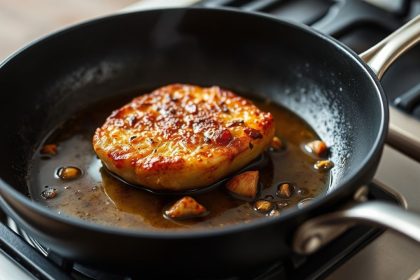
Curry flavor arises from molecular interactions between spices, proteins, and fats. Heat drives reactions such as the Maillard reaction, which creates browned, savory notes when amino acids and sugars react under heat.
Volatile oils from spices deliver aroma, while phenolic and alkaloid compounds provide bitterness, warmth, and pungency. For background on the broader category, see spice.
Key Compounds and Their Roles
Turmeric contains curcumin, a fat-soluble compound that gives color and subtle bitterness; linking to basic chemistry helps explain extraction. See turmeric for compound details.
Capsaicin drives heat perception and dissolves in fat, which is why coconut milk or ghee moderates spiciness effectively. For reference, consult capsaicin.
Spice Handling & Timing
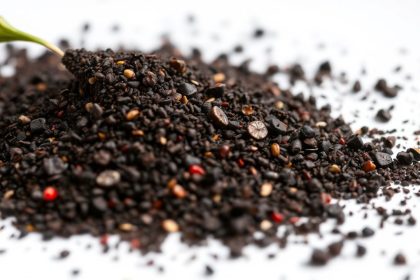
Start with whole spices where possible and toast them briefly in hot fat to wake volatile oils. Toasting increases aromatic intensity but requires attention—spices burn fast and go bitter.
Grind toasted spices just before use to preserve volatile compounds. Ground spices added later infuse without overcooking, so plan your sequence: whole seeds, aromatics, then ground powders.
Tempering and Release Points
Tempering (tadka) in hot fat releases oils and flavors instantly; add tempered spices to a warm sauce to preserve aroma. This step gives bright top notes that powdered spices alone cannot deliver.
Track release points: onions caramelize and produce sugars for Maillard browning, while garlic and ginger need only a minute after caramelization to avoid bitterness. Sequence ensures clarity and depth.
Fat, Heat, and Texture
Fat acts as a flavor carrier and reaction medium. Fat-soluble spice compounds disperse evenly in oil or ghee, improving mouthfeel and flavor penetration into proteins and vegetables.
Heat level changes chemical kinetics: gentle simmering promotes gradual breakdown of connective tissue and starches, while high heat accelerates browning. Control heat to shape texture and flavor development.
Emulsion and Sauce Stability
Adding yogurt or coconut milk creates a fat-water emulsion that rounds flavor and suspends spices. Slowly temper cool dairy by ladling hot sauce into it before combining fully to prevent curdling.
Adjust viscosity with controlled reduction or a splash of broth; correct thickness helps coat rice and naan evenly, improving perceived richness and complexity.
Recipe & Technique
The following recipe demonstrates the chemistry principles above. Follow sequence and timing to reproduce the same layered flavor every time.
Maintain clean mise en place and measure spices by weight where precision matters. Consistency improves with small, repeatable changes.
Prep and Cook Time
- Preparation: 20 minutes
- Cooking: 40 minutes
- Total Time: 1 hour
- Yield: Serves 4
- Difficulty: Medium
Ingredients
Use fresh aromatics and whole spices when possible for best aroma. Weigh or level teaspoons for consistent results.
- 2 tbsp ghee or vegetable oil
- 1 large onion, finely chopped
- 4 cloves garlic, minced
- 1-inch fresh ginger, grated
- 2 tsp cumin seeds
- 1 tbsp coriander powder
- 1 tsp turmeric powder
- 1 tsp garam masala
- ½ tsp freshly ground black pepper
- 1 tsp chili powder (adjust to heat preference)
- 1 can (14 oz) diced tomatoes
- 1 cup coconut milk or yogurt (tempered)
- 500 g chicken thighs, cut into bite-sized pieces
- 1 tbsp sugar or honey
- Juice of ½ lemon
- Fresh cilantro, chopped for garnish
- Salt to taste
- Water or broth as needed
Instructions
Follow the sequence exactly to control extraction and prevent bitterness. Small adjustments to time and heat change the flavor profile noticeably.
- Bloom the spices: Heat ghee in a large skillet over medium. Add cumin seeds and sauté until fragrant and they pop, about 30 seconds.
- Build the base: Add chopped onion and cook until golden, 7–8 minutes, stirring. Add garlic and ginger and sauté 1 minute until aromatic.
- Layer powders: Add coriander, turmeric, garam masala, black pepper, and chili powder. Stir 1–2 minutes to toast without burning; add a splash of oil if the pan looks dry.
- Add tomatoes: Pour in diced tomatoes and simmer 8–10 minutes until they break down and reduce slightly, concentrating flavor.
- Simmer protein: Add chicken and coat with sauce. Pour in coconut milk, cover, and simmer gently 25 minutes. Add broth or water if sauce becomes too thick.
- Final balance: Stir in sugar and lemon juice to calibrate heat and acidity. Taste and adjust salt gradually to preference.
- Rest and serve: Remove from heat, rest 5 minutes, then garnish with cilantro. Rest lets volatile compounds redistribute and flavors integrate.
Tips for Success
Use fresh spices and grind as needed; age and oxidation reduce aromatic intensity. Store whole spices in airtight containers away from light and heat.
Layer flavors in stages and taste between steps. Minor adjustments—more acid, a pinch of sugar, or extra fat—can rescue an imbalanced curry quickly.
- Fresh spices: Grind whole seeds right before use when possible.
- Slow simmer: Allow time for connective tissue to break down and for flavors to meld.
- Substitutions: Use Greek yogurt for tang or chickpeas for a vegetarian protein swap.
- Make-ahead: Flavor often improves overnight; refrigerate and reheat gently.
Serving Suggestions
Serve hot over basmati rice or with warm naan. A cooling yogurt raita or a bright chutney balances spice and adds contrast.
Garnish with fresh cilantro and toasted cumin seeds for aroma and visual appeal. Offer lemon wedges so diners can add brightness to taste.
FAQ
What makes curry taste balanced?
Balance comes from an interplay of heat, acidity, fat, and sweetness. Each element moderates the others, producing a rounded profile rather than a single dominant note.
Adjustments during plating—like an acid splash or a pinch of sugar—help dial the balance precisely for your palate.
How do I reduce heat without losing flavor?
Because capsaicin dissolves in fat, increase creamy elements like coconut milk or ghee to soften heat. You can also add a touch of sugar or acid to alter perception of spiciness.
Removing seeds from fresh chiles reduces heat more than removing the flesh; that preserves flavor while lowering intensity.
Why toast whole spices first?
Toasting releases essential oils and transforms flavor through mild thermal reactions. It amplifies aroma and can create new, desirable notes without added ingredients.
After toasting, grind or temper promptly to capture volatile aromas before they dissipate.
Can I use yogurt instead of coconut milk?
Yes. Yogurt brings acidity and creaminess but curdles if added directly to high heat. Temper yogurt with warm sauce first, and use lower simmer temperatures to maintain a smooth texture.
Coconut milk yields a sweeter, rounder mouthfeel and suits higher-heat simmering better than yogurt in many recipes.
How long should I simmer for depth?
Simmer 20–40 minutes for bite-sized proteins to become tender and for flavors to meld. Tougher cuts or slow-cooked variants benefit from longer, gentler heat to develop Maillard-derived complexity.
Resting the curry off heat for 5–10 minutes before serving also improves integration of volatile aromatics and mouthfeel.
Final Notes
Perfect curry results from controlled chemistry and deliberate technique. Focus on sequence, fat, and time to reproduce reliable results.
Apply the seven steps above and adjust small variables methodically; consistent practice yields repeatable, flavorful outcomes.
See also: Perfect Curry