

Introduction
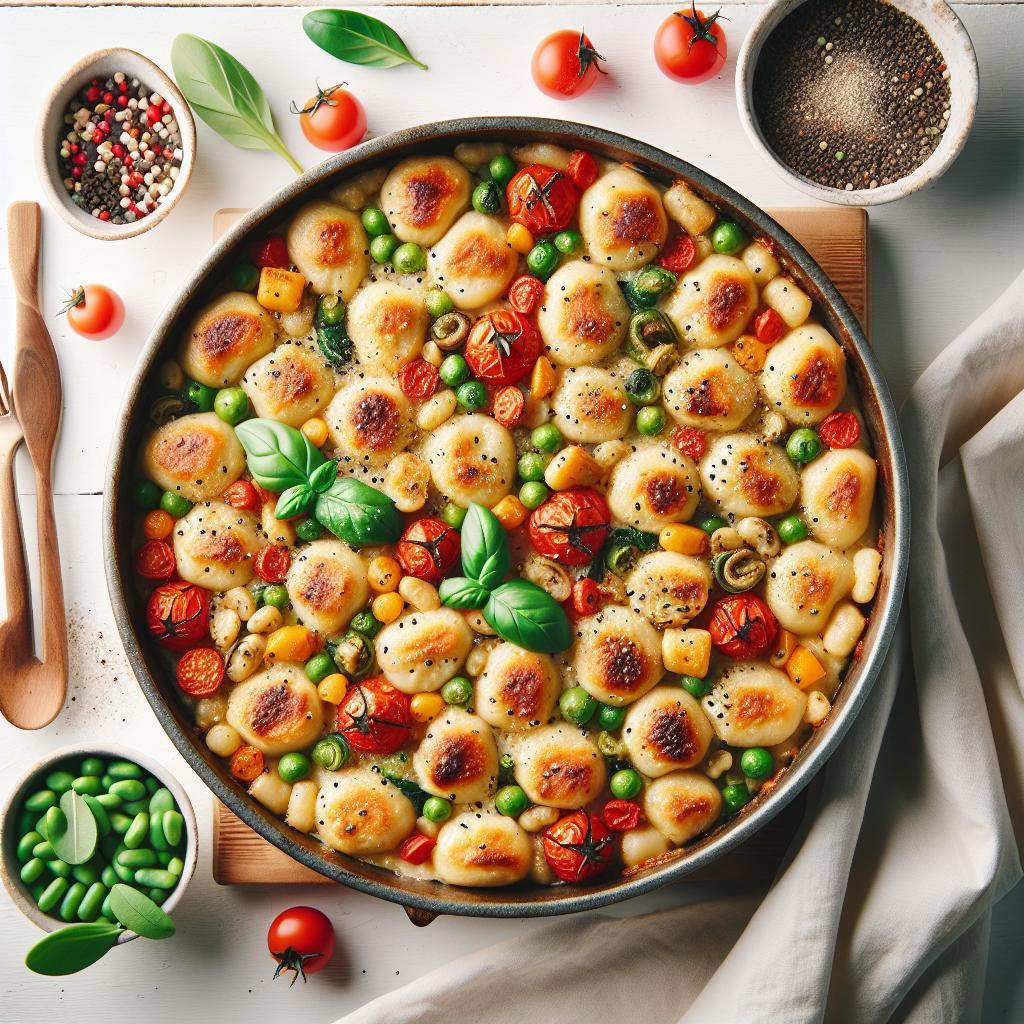
The perfectly baked gnocchi casserole combines tender potato pillows with a golden, flavorful crust. Understanding the physical chemistry behind that texture helps you repeat success reliably.
- Introduction
- Prep and Cook Time
- Yield
- Difficulty Level
- Ingredients
- Instructions
- Tips for Success
- Serving Suggestions
- Science of Texture and Heat
- Practical Adjustments
- Nutritional Snapshot
- FAQ
- What makes gnocchi unique in casseroles?
- How do I prevent a soggy casserole?
- Which cheeses work best?
- Can I prepare this ahead?
- Is there a science tip for a perfect crust?
- Final Notes
- Balance moisture and starch to avoid soggy or dry gnocchi.
- Use heat strategically so cheeses melt while the top browns via the Maillard reaction.
- Choose cheeses and sauce that complement texture and flavor without overloading liquid.
- Resting matters: brief rest time sets structure and improves sliceability.
The guidance that follows treats gnocchi as a food system: starch matrix, fat phase, and aqueous phase. I write from bench-tested kitchen practice and culinary science so you can adjust technique with confidence.
Prep and Cook Time
Preparation: 30 minutes. Plan your mise en place for sauces and cheese before you boil the gnocchi.
Cooking: 35 minutes. Bake at moderate heat to allow gelatinization and even crust formation.
- Total Time: 1 hour 5 minutes
Yield
This recipe yields about six generous portions. It scales well; increase baking time slightly for larger, deeper dishes.
Portion control matters for texture: thinner layers brown faster, deeper layers retain more moisture and need slightly longer bake time.
Difficulty Level
Medium. The techniques require attention to moisture and timing more than advanced knife skills. Most home cooks can execute these steps with predictable results.
Key skills: boiling gnocchi just until they float, preparing a lump-free béchamel, and judging top coloration during the final minutes of baking.
Ingredients
1 lb (450g) potato gnocchi, store-bought or homemade. Fresh potato gnocchi usually respond best because you can control density.
2 cups shredded mozzarella, divided; 1 cup Parmigiano-Reggiano; 1 ½ cups marinara; and 1 cup béchamel. Also butter, olive oil, garlic, basil, and seasoning.
Use cheeses with different melting profiles: mozzarella for stretch and a hard aged cheese for flavor depth and browning. Choose a marinara with controlled water content to limit free liquid.
To deepen your technique, compare potato chemistry to wheat-based pasta on the Potato page and review starch basics on the Starch overview.
For the Béchamel Sauce
2 tbsp unsalted butter, 2 tbsp all-purpose flour, 1 ½ cups warmed whole milk, pinch of nutmeg, salt and white pepper. A smooth white sauce adds cream without excess free water.
Make a traditional roux, then add warm milk gradually while whisking to avoid lumps. A brief simmer develops body but avoid prolonged boiling which thins the sauce.
Instructions
Prepare the béchamel: Melt butter, whisk in flour, cook briefly, then add warm milk in a slow stream while whisking. Simmer until it coats the back of a spoon and season to taste.
Cook gnocchi: Boil in well-salted water until they float, about 2–3 minutes. Drain thoroughly and let them sit briefly in the colander to shed surface water.
Sauté garlic: Gently heat olive oil and butter, soften garlic until pale gold to avoid bitterness. Transfer aromatic oil to the mixing bowl to fold into the casserole base.
Assemble and bake: Combine gnocchi, marinara, half the mozzarella, and béchamel. Pour into a greased 9×13-inch dish, top with remaining cheese and Parmigiano, and bake at 375°F (190°C) for 30–35 minutes.
Tips for Success
Moisture control: Drain boiled gnocchi well and avoid adding excess sauce. The béchamel adds controlled creaminess while minimizing free liquid.
Gnocchi choice: Fresh or high-quality store gnocchi that are tender yet cohesive yield the best texture. Overly dense or flour-heavy gnocchi can become chewy after baking.
Mix cheeses for functional performance: fontina or provolone adds melt, while aged Parmigiano improves browning and umami. If you want a crunchy top, add a breadcrumb-cheese mix in the final minutes under the broiler.
Allow assembled casseroles that were refrigerated to warm at room temperature for 20 minutes before baking. This reduces oven shock and promotes even heat penetration.
Serving Suggestions
Serve the casserole with a bright, acidic side like a lemon-dressed green salad to cut richness. A light-bodied red such as Chianti matches the tomato and cheese notes without overpowering texture.
Garnish with fresh basil and a final dusting of Parmigiano for contrast. Roasted seasonal vegetables or sautéed mushrooms pair well as warm sides that echo the casserole’s savory profile.
Science of Texture and Heat
When you heat gnocchi, starch granules absorb water and swell; they gelatinize and form a soft network that gives each piece structure. That process links directly to how well the gnocchi hold form after baking.
Temperature control matters: moderate oven heat allows gelatinization, protein coagulation, and gradual moisture migration. Too hot and the surface will brown before the interior sets; too cool and you will not achieve that browned, savory top.
The Maillard reaction at the surface creates complex flavor and brown color. Read the detailed mechanism on the Maillard reaction page to understand why sugars and amino acids impact crust development.
Heat transfer governs bake time and texture. Conduction from the baking dish and convection in the oven move energy into the casserole; consult basic principles on the Heat transfer entry to visualize how depth and dish material change outcomes.
Practical Adjustments
If your gnocchi tend to become gummy, reduce added flour in homemade batches and increase draining time after boiling. Denser gnocchi require slightly longer bake times to reach internal gelatinization.
Substitute cheeses sparingly. Ricotta-based gnocchi or semolina varieties have different water absorption and will need lower oven temperatures or shorter bakes. Test with a small pan first to refine timing.
Nutritional Snapshot
| Nutritional Info (per serving) | Calories | Protein | Carbs | Fat |
|---|---|---|---|---|
| Gnocchi | 250 | 5g | 50g | 2g |
| Cheese Blend | 180 | 12g | 2g | 14g |
| Béchamel Sauce | 90 | 3g | 10g | 4g |
| Marinara Sauce | 70 | 2g | 14g | 1g |
| Total | 590 kcal | 22g | 76g | 21g |
Discover how to make your own potato gnocchi to control density and starch content for better bakes. Homemade gnocchi lets you tune texture for this casserole specifically.
For a deeper primer on classic sauce technique, see the béchamel fundamentals at our béchamel guide. A stable white sauce helps bind the casserole without adding free water.
FAQ
What makes gnocchi unique in casseroles?
Gnocchi combines potato starch and a small amount of flour to form a soft, absorbent matrix. That matrix swells with heat and sauce, so it needs controlled moisture to keep a pillowy interior and intact shape.
How do I prevent a soggy casserole?
Drain boiled gnocchi thoroughly, use a measured amount of sauce, and favor a thicker béchamel. Bake uncovered so surface moisture evaporates and a crust forms.
Which cheeses work best?
Use a blend: mozzarella for melt and stretch, a semi-soft cheese like fontina for cohesive melt, and Parmigiano-Reggiano for umami and crunchy browning. Balance fat and salt to avoid a greasy or overly salty bake.
Can I prepare this ahead?
Yes. Assemble the casserole, cover tightly, and refrigerate up to 24 hours. Allow the dish to sit 20 minutes at room temperature before baking to reduce thermal shock and ensure even heating.
Is there a science tip for a perfect crust?
Sprinkle a mix of toasted breadcrumbs and grated hard cheese over the top and finish under the broiler for 2–3 minutes. The dry topping dehydrates and browns quickly, producing crisp texture while the interior remains soft.
Final Notes
When you bake with awareness of starch behavior, heat flow, and cheese chemistry, you control the final texture rather than relying on luck. Small adjustments in draining, sauce ratio, and bake time yield consistent results.
Study the linked foundational resources and practice once with a small pan to dial in your oven. With the principles above, you will execute a golden, tender gnocchi casserole reliably.

See also: gnocchi casserole