By using this site, you agree to the Privacy Policy and Terms of Use.
Accept
CookOrBitCookOrBitCookOrBit
  • Home
  • About Us
  • Ingredient Science
    • Flavor & Aroma
    • Protein Chemistry
    • Sugar & Starch
    • Fats & Emulsions
  • Cooking Techniques
    • Searing & Grilling
    • Baking & Roasting
    • Boiling & Steaming
    • Low & Slow
  • Kitchen Experiments
    • DIY Ferments
    • Flavor Tests
    • Gadget Testing
    • Molecular Gastronomy
  • Food Myths
    • Searing Myth
    • 5-Second Rule
    • MSG Myths
    • Microwave Myths
  • Tools
  • More
    • Extra Picks
    • Quick & Easy
      • Breakfast Ideas
      • Desserts
      • Snacks
      • Soups
    • Global Flavors
      • Asian Street Eats
      • Latin Comforts
      • Mexican Flavors
      • Modern Mediterranean
CookOrBitCookOrBit
  • Home
  • About Us
  • Ingredient Science
  • Cooking Techniques
  • Kitchen Experiments
  • Food Myths
  • Tools
  • More
Search
  • Home
  • About Us
  • Ingredient Science
    • Flavor & Aroma
    • Protein Chemistry
    • Sugar & Starch
    • Fats & Emulsions
  • Cooking Techniques
    • Searing & Grilling
    • Baking & Roasting
    • Boiling & Steaming
    • Low & Slow
  • Kitchen Experiments
    • DIY Ferments
    • Flavor Tests
    • Gadget Testing
    • Molecular Gastronomy
  • Food Myths
    • Searing Myth
    • 5-Second Rule
    • MSG Myths
    • Microwave Myths
  • Tools
  • More
    • Extra Picks
    • Quick & Easy
    • Global Flavors
Follow US
  • Advertising Policy: 10 Practical Rules for Safe, Compliant Ads
  • Contact Us
  • Cookie Policy: Clear Guide for Site Owners
  • Copyright Notice Guide: 7 Essential Rules for Website Owners
  • Disclaimer
  • Privacy Policy
  • Terms of Service
By Fimaw.com
- Umami Unveiled: Global Cultures and Glutamate-Rich Flair
CookOrBit > Blog > Food Myths > MSG Myths > Umami Unveiled: 7 Savory Secrets from Glutamate-Rich Cuisines
MSG Myths

Umami Unveiled: 7 Savory Secrets from Glutamate-Rich Cuisines

William J. Kroll
By William J. Kroll
Published: October 29, 2025
Share
SHARE

Umami is the concentrated, savory sensation that rounds flavors and makes dishes memorable. Chefs and food scientists attribute this taste to free glutamates and nucleotides that amplify mouthfeel and perception of richness.

Contents
  • Crafting Umami-Infused Dishes for Contemporary Kitchens
    • Recipe: Umami-rich mushroom and miso glaze salmon
    • Tips for success
  • Science of Glutamate and Umami
    • Fermentation and enzymatic release
  • Umami Across Cultures
  • Serving Suggestions & Nutrition
  • The Conclusion
  • FAQ
    • What exactly is umami?
    • How can I add umami without extra sodium?
    • Are dried mushrooms really better for umami?
    • Is MSG the same as natural glutamate?
    • Can umami help make healthier meals?
  • Key takeaway: Natural glutamate sources—fermented, aged, dried—deliver the richest umami punch.
  • Technique matters: Browning, slow-simmering, and fermentation unlock additional savory compounds.
  • Practical payoff: Small additions (miso, parmesan, kombu) transform simple dishes without extra fat.

Crafting Umami-Infused Dishes for Contemporary Kitchens

Adapting traditional umami elements for home cooking requires technique and restraint. Use concentrated ingredients sparingly to build layers rather than overwhelm a dish.

Focus on complementary textures and acidity to keep richness lively. Acidic notes, like lemon or rice vinegar, lift glutamate-driven savoriness and prevent a flat finish.

- Advertisement -

Recipe: Umami-rich mushroom and miso glaze salmon

This recipe combines rehydrated dried shiitake and aged miso to produce concentrated savory aromas. It balances sweet and salty elements so the fish keeps a clean, bright finish.

The method emphasizes a quick sear followed by a short roast to preserve moisture while caramelizing the glaze. These steps concentrate umami without overcooking the salmon.

Prep and Cook Time

Prep: 15 minutes | Cook: 20 minutes | Total: 35 minutes

- Advertisement -

Yield & Difficulty

Serves 4. Difficulty: Medium.

Ingredients

  • 4 skin-on salmon fillets (6 oz each)
  • 1 cup dried shiitake mushrooms, rehydrated and finely chopped
  • 3 tbsp white miso paste
  • 2 tbsp low-sodium soy sauce or tamari for gluten-free
  • 2 tbsp mirin
  • 1 tbsp toasted sesame oil
  • 1 tbsp freshly grated ginger
  • 2 cloves garlic, minced
  • 1 tbsp honey or maple syrup
  • 1 tsp freshly ground black pepper
  • 2 scallions, thinly sliced
  • Sesame seeds and cilantro for garnish (optional)

Instructions

  1. Prepare mushroom glaze: In a small saucepan over medium heat, combine rehydrated shiitake, miso, soy/tamari, mirin, sesame oil, ginger, garlic, and honey. Stir until miso dissolves and the mixture thickens slightly, about 7-8 minutes. Remove from heat and set aside.
  2. Preheat oven: Set to 400°F (200°C) and prepare a baking sheet or an oven-safe skillet.
  3. Sear the salmon: Heat a skillet over medium-high heat. Place fillets skin-side down and sear 3-4 minutes until the skin crisps. Flip and sear 1-2 minutes.
  4. Apply glaze and roast: Spoon glaze over each fillet, then transfer to oven and roast 8-10 minutes until just cooked through and flaky.
  5. Garnish and serve: Sprinkle scallions and sesame seeds. Serve with lemon wedges to brighten the plate.

Tips for success

Prefer dried shiitake over fresh to intensify glutamate concentration after rehydration. Drying breaks down cell structures and frees bound amino acids, which enhances savory impact.

Make the glaze a day ahead to allow flavors to meld; stored refrigerated, it develops greater complexity. For gluten-free diets, substitute tamari for soy sauce.

- Advertisement -
💡 Expert Insight
Expert Insight: Rehydrate dried mushrooms in warm water and reserve the soaking liquid; it contains soluble glutamates and can be used to thin sauces and boost savory depth.

Science of Glutamate and Umami

Umami perception arises when free glutamate and certain nucleotides activate taste receptors on the tongue. Scientists classify umami alongside basic tastes because it triggers specific receptors linked to savory detection.

Cooking and preservation techniques alter the proportion of free amino acids. Long simmering, enzymatic breakdown during fermentation, and intentional drying increase detectable glutamates in foods.

For a reliable technical reference, see the main overview on umami. For biochemical detail on the molecule itself, review glutamic acid.

Fermentation and enzymatic release

Fermentation enzymes cleave proteins into free amino acids, enriching flavor. Traditional fermentations like miso and soy sauce create that dense, savory character chefs prize.

When you use fermented bases, you gain both glutamate and fermentation-derived aromatics. These compounds work together to create a rounded, lingering savoriness.

Umami Across Cultures

Every major culinary tradition uses concentrated glutamate sources to define its savory profile. Japan uses kombu and bonito to build dashi; Italy relies on aged cheeses and tomato reduction for a similar effect.

Examples include miso in Japan, sun-dried tomatoes in the Mediterranean, and fermented soybean pastes across East Asia. These ingredients produce cultural signatures built on the same biochemical principles.

Learn more about classic ingredients via these references: miso, shiitake mushroom, and kombu.

Pairing umami sources across cultures—such as combining parmesan rind with mushroom broth—creates synergy. The combined presence of glutamate and inosinate or guanylate amplifies perceived savoriness more than single ingredients alone.

Serving Suggestions & Nutrition

Pair the miso-shiitake glazed salmon with jasmine rice, soba salad, or quick sautéed greens to balance richness. A squeeze of citrus brightens the plate and counters heavy umami tones.

Per serving nutrition (approximate): 370 kcal, 33 g protein, 8 g carbohydrates, 20 g fat. Use low-sodium soy or tamari to reduce salt while preserving umami.

⚠️ Pro-Caution
Pro-Caution: Many umami-rich condiments contain elevated sodium. Monitor portions and choose reduced-sodium options when preparing daily meals.

Use high-quality fish and control cooking time to maximize protein retention and texture. Small technique adjustments have outsized effects on perceived quality and satiety.

Explore more practical resources on fermentation and flavor development at our internal guides: Fermented Foods and Umami Guide and Mushroom Miso Salmon recipe.

The Conclusion

Understanding umami provides a toolkit for making food more nourishing and satisfying without excess fat. Use concentrated glutamate sources judiciously to amplify flavors and reduce the need for added salt.

Applying these principles helps home cooks and professionals craft dishes that resonate across cultural boundaries. The shared chemistry of umami ties diverse traditions together through a common sensory experience.
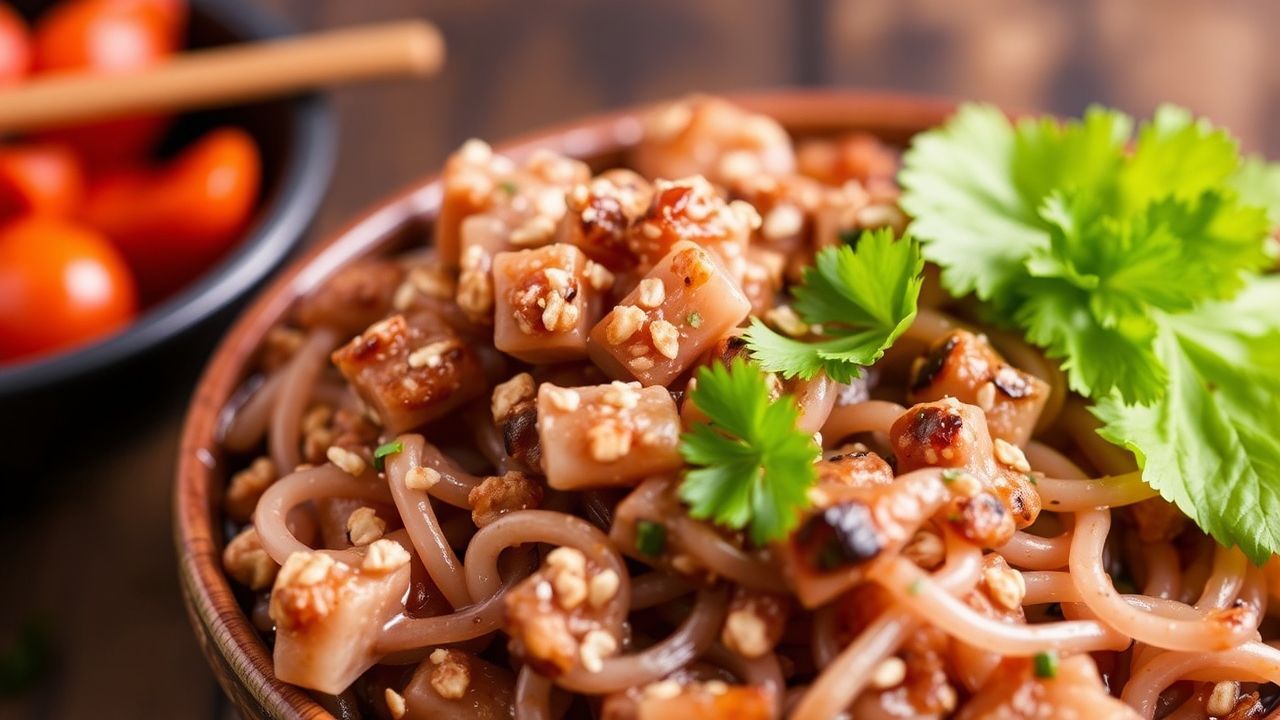
Umami glaze on salmon
A luscious umami glaze adds savory depth to flaky salmon, garnished with scallions and sesame seeds.

FAQ

What exactly is umami?

Umami is a savory taste caused primarily by free glutamate and certain nucleotides. It creates a rounded, mouthwatering sensation often described as brothy or meaty.

How can I add umami without extra sodium?

Choose fermented products labeled low-sodium or use concentrated ingredients in small quantities. Roasting, reducing, and fermenting at home also intensify umami with minimal added salt.

Are dried mushrooms really better for umami?

Yes. Drying concentrates free amino acids; rehydrated dried shiitake releases more glutamate than the fresh mushroom. Save soaking liquid to boost soups and sauces.

Is MSG the same as natural glutamate?

Monosodium glutamate is the sodium salt of glutamic acid and functions as a concentrated flavor enhancer. Natural glutamate from foods comes in complex matrices that also deliver aroma and texture.

Can umami help make healthier meals?

Strategic use of umami can reduce the need for fat and excess salt by increasing satisfaction per bite. Focus on whole-food umami sources—fermented beans, dried seaweeds, aged cheese—to keep meals balanced.

See also: Umami
7 Grilling Secrets: Master Grilling Moisture for Juicier Meat
7 Pro Tips for Creamy Garlic Beef Perfection
Unveiling Wild Yeasts: 7 Expert Steps to Natural Craft Brewing
Savor the Warmth: 7 Proven Steps to Master Roasted Tomato Soup
Mastering Espuma: 7 Pro Steps to Perfect Culinary Foam
TAGGED:andbrowning techniquesculturesDried shiitakefermented foodsglobalMiso glazeSalmon recipetheumamiumami cookingumami ingredients
Share This Article
Facebook Pinterest Whatsapp Whatsapp LinkedIn Telegram Threads
What do you think?
Love0
Sad0
Happy0
Sleepy0
Angry0
Dead0
Wink0
Previous Article - The Art & Science Behind a Cast Iron Pan Explained 9 Practical Benefits of Cast Iron: The Art & Science Behind a Pan
Next Article - Campfire Chemistry: Mastering a Safe Camping Kitchen Quiz Campfire Chemistry: 10 Essential Tips for Safe Camping Cooking
Creamy Garlic Chicken with melted Parmesan and fresh herbs on a rustic white plate
Garlic Chicken: 7 Ultimate Brilliant Recipes to Make the Best-Ever Creamy Garlic Chicken with Parmesan & Fresh Herbs
Extra Picks
Colorful bowls of Leftover Couscous transformed into salads, fritters, and stuffed peppers.
12 Amazing Practical Leftover Couscous Ideas: Brilliant Ways to Reuse and Remix
Uncategorized
Colorful jars of spice blends beside steaming couscous with herbs and lemon
7 Ultimate spice blends That Transform Your Couscous — Amazing Best Flavor Boosts
Uncategorized
Bowls of gluten-free couscous alternatives: quinoa, millet, cauliflower, and rice
10 Amazing couscous alternatives: Best Gluten-Free Swaps for Incredible Flavor
Uncategorized

Tags

and art baked baking science baking techniques Baking tips batch cooking beef behind browning techniques butternut squash caramelization cast iron skillet chemistry chicken comfort food Cooking science cooking technique Cooking techniques Cooking tips crafting creamy creamy soup crispy culinary science fish flavor flavor chemistry food food safety Food science for garlic golden Ground turkey hearty heat high-heat cooking high protein meals how instant read thermometer Lean protein magic Maillard reaction make ahead meals make ahead soup mastering meal prep Meal prep recipes meat thermometer microwave microwave cooking moisture control one pot meals Pan searing perfect perfectly Plant based protein Probe thermometer protein denaturation Quick dinners roasted roasted squash roasted tomato soup Roasted vegetables Roasting techniques savor savory science Searing technique Searing techniques secrets slow cooking squash steak steak cooking sweet temperature control the top turkey turkey soup turkey stew ultimate umami cooking umami flavor unlock unlocking unveiling vegetable velvety weeknight dinner Weeknight dinners weeknight meals what when why with your zesty
April 2026
M T W T F S S
 12345
6789101112
13141516171819
20212223242526
27282930  
« Mar    

You Might Also Like

- Bamboo Steamers: Ancient Cooking Magic Explained
Boiling & Steaming

Bamboo Steamers: 7 Proven Techniques for Perfect Steam Cooking

William J. Kroll
William J. Kroll
November 7, 2025
Unveiling Hydrolysis: The Science Behind Water’s Powerful Split
MSG Myths

Hydrolysis Uncovered: 7 Practical Insights into Water’s Molecular Split

William J. Kroll
William J. Kroll
January 12, 2026
- Starter Cultures: The Unsung Heroes of Food Fermentation
5-Second Rule

Starter Cultures: 7 Practical Ways They Transform Fermentation

William J. Kroll
William J. Kroll
November 7, 2025
Unlocking Flavor: The Science Behind Perfect Salt-Crusted Fish
Baking & Roasting

Salt-Crusted Fish: 7 Science-Backed Steps for Perfect Results

William J. Kroll
William J. Kroll
February 12, 2026
- The Science Behind the Ultimate Perfect Grilled Cheese
Fats & Emulsions

7 Science-Backed Steps to the Ultimate Perfect Grilled Cheese

William J. Kroll
William J. Kroll
November 4, 2025
Savor the Ultimate Beef Tacos: Recipe to Try Today!
Extra Picks

10 Pro Secrets to Master Beef Tacos

William J. Kroll
William J. Kroll
December 19, 2025
Follow US
By Fimaw.com © All Rights Reserved.
  • Advertising Policy: 10 Practical Rules for Safe, Compliant Ads
  • Contact Us
  • Cookie Policy: Clear Guide for Site Owners
  • Copyright Notice Guide: 7 Essential Rules for Website Owners
  • Disclaimer
  • Privacy Policy
  • Terms of Service
Welcome Back!

Sign in to your account

Username or Email Address
Password

Lost your password?