
By using this site, you agree to the Privacy Policy and Terms of Use.
Accept
CookOrBitCookOrBitCookOrBit
  • Home
  • About Us
  • Ingredient Science
    • Flavor & Aroma
    • Protein Chemistry
    • Sugar & Starch
    • Fats & Emulsions
  • Cooking Techniques
    • Searing & Grilling
    • Baking & Roasting
    • Boiling & Steaming
    • Low & Slow
  • Kitchen Experiments
    • DIY Ferments
    • Flavor Tests
    • Gadget Testing
    • Molecular Gastronomy
  • Food Myths
    • Searing Myth
    • 5-Second Rule
    • MSG Myths
    • Microwave Myths
  • Tools
  • More
    • Extra Picks
    • Quick & Easy
      • Breakfast Ideas
      • Desserts
      • Snacks
      • Soups
    • Global Flavors
      • Asian Street Eats
      • Latin Comforts
      • Mexican Flavors
      • Modern Mediterranean
CookOrBitCookOrBit
  • Home
  • About Us
  • Ingredient Science
  • Cooking Techniques
  • Kitchen Experiments
  • Food Myths
  • Tools
  • More
Search
  • Home
  • About Us
  • Ingredient Science
    • Flavor & Aroma
    • Protein Chemistry
    • Sugar & Starch
    • Fats & Emulsions
  • Cooking Techniques
    • Searing & Grilling
    • Baking & Roasting
    • Boiling & Steaming
    • Low & Slow
  • Kitchen Experiments
    • DIY Ferments
    • Flavor Tests
    • Gadget Testing
    • Molecular Gastronomy
  • Food Myths
    • Searing Myth
    • 5-Second Rule
    • MSG Myths
    • Microwave Myths
  • Tools
  • More
    • Extra Picks
    • Quick & Easy
    • Global Flavors
Follow US
  • Advertising Policy: 10 Practical Rules for Safe, Compliant Ads
  • Contact Us
  • Cookie Policy: Clear Guide for Site Owners
  • Copyright Notice Guide: 7 Essential Rules for Website Owners
  • Disclaimer
  • Privacy Policy
  • Terms of Service
By Fimaw.com
Mastering the Science Behind the Perfect Blackened Fish
CookOrBit > Blog > Food Myths > Searing Myth > Master Blackened Fish: 7 Pro Techniques for Flawless Crust
Searing Myth

Master Blackened Fish: 7 Pro Techniques for Flawless Crust

William J. Kroll
By William J. Kroll
Published: January 17, 2026
Share
SHARE

Mastering the Science Behind the Perfect Blackened Fish

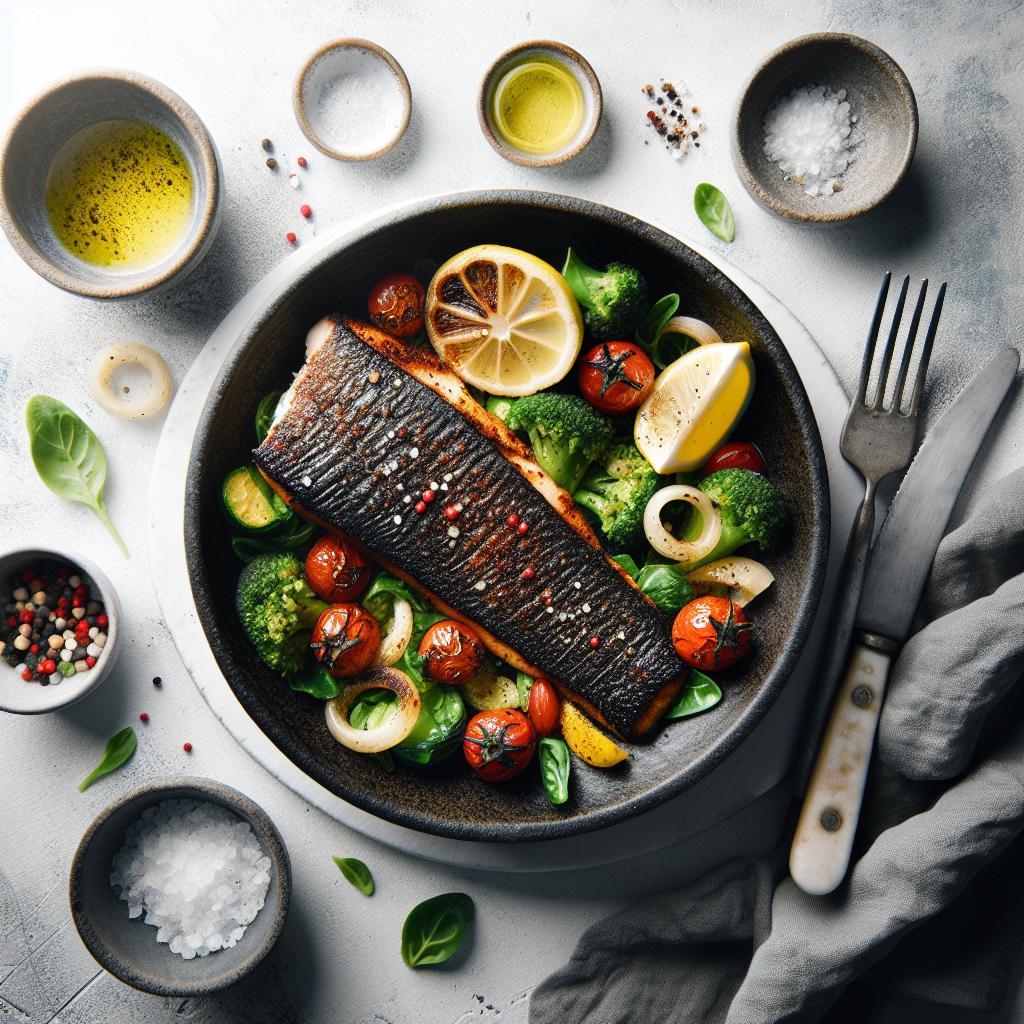
Blackened fish transforms a simple fillet into a bold, smoky, crisply charred dish through controlled heat and a precise spice blend. The technique depends on timing, pan choice, and the chemistry that creates a deeply flavored crust while protecting the interior from drying.

Contents
  • Prep and Cook Time
  • Yield
  • Difficulty Level
  • Ingredients
  • Instructions
  • Chef’s Notes
  • Serving Suggestions
  • close look: How Spices and Heat Shape Flavor and Texture
  • Nutrition (Per Serving)
  • FAQ
    • What is blackened fish and where did it originate?
    • Why is cast iron recommended for blackening?
    • Which fish types perform best for blackening?
    • How do I prevent the spices from burning and tasting bitter?
    • Can I prepare the spice blend ahead of time?
  • Key thermal control: a very hot skillet creates the crust fast, sealing juices.
  • Spice balance: paprika, cayenne, and herbs form a complex, char-stable coating.
  • Fish selection: firm, moist fillets withstand the heat and remain flaky.
  • Repeatable technique: consistent thickness and timing yield predictable results.

Prep and Cook Time

Preparation: About 15 minutes. Cooking: 6–10 minutes depending on thickness. These windows give a fast sear and a short finish so the interior stays moist.

Plan a 25-minute total when you include resting time. Resting for 1–2 minutes off heat lets juices redistribute while the crust sets, improving texture and presentation.

- Advertisement -

Yield

This recipe yields 4 portions from four 6-ounce fillets. Scale linearly: double ingredients for 8 fillets, but sear in batches to avoid crowding the pan.

Leftovers keep well refrigerated for 24–36 hours if stored airtight. Reheat gently under a low broiler or in a 300°F (150°C) oven to preserve texture without softening the crust.

Difficulty Level

Difficulty: Medium. The technique demands attention to spice coverage, pan heat, and timing to avoid bitter burning while achieving a dark crust.

- Advertisement -

Strong kitchen fundamentals—accurate seasoning, confident pan handling, and consistent fillet thickness—turn this from a trial into a reliable method you can reproduce

Ingredients

Use firm, moderately oily white fish for best results. Choose quality butter or clarified butter for flavor and a neutral oil with a high smoke point for the sear.

  • 4 (6-ounce) fillets of firm white fish (e.g., mahi-mahi, red snapper, black cod)
  • 2 tablespoons paprika (smoked paprika recommended)
  • 1 tablespoon dried thyme
  • 1 tablespoon dried oregano
  • 1 tablespoon cayenne pepper (adjust to taste)
  • 1 teaspoon garlic powder
  • 1 teaspoon onion powder
  • 1 teaspoon freshly ground black pepper
  • 1 teaspoon salt
  • 3 tablespoons unsalted butter, melted (or clarified butter)
  • 2 tablespoons neutral oil with high smoke point (grapeseed or avocado)
  • Fresh lemon wedges and chopped parsley for finishing

Prepare the spice mix in advance and store airtight up to two weeks. A premixed blend speeds assembly and keeps seasoning consistent across cooks.

- Advertisement -

Instructions

Follow a clear, repeatable sequence: dry, butter, press the spice, rest briefly, preheat the pan, then sear. Consistency in each step yields predictable crust development.

  1. Make the spice blend: whisk paprika, thyme, oregano, cayenne, garlic powder, onion powder, black pepper, and salt until even.
  2. Dry the fillets: pat each fillet with paper towels. Dry surfaces sear instead of steam.
  3. Coat the fish: brush fillets with melted butter, then press the spice blend into all sides. Let rest 5 minutes at room temperature to hydrate the spices slightly.
  4. Heat the skillet: preheat a heavy skillet (cast iron preferred) over medium-high until it begins to smoke lightly. Add oil and swirl to coat.
  5. Sear: place fillets in the pan without crowding. Sear 3–4 minutes per side for ¾–1-inch fillets until a deep crust forms and the fish flakes with a gentle fork twist.
  6. Rest and serve: transfer fillets to a warm plate, rest 1–2 minutes, finish with lemon and herbs, then serve immediately.

Work in small batches for consistent heat. Overcrowding drops pan temperature and turns searing into steaming, which prevents crust formation.

Chef’s Notes

Fish selection matters: firm-fleshed species such as mahi-mahi and red snapper perform well because they resist falling apart under high heat.

Butter vs oil: clarified butter adds flavor and tolerates heat better than whole butter. Pair clarified butter with a neutral oil to boost smoke-point stability.

  • Trim evenly: trim fillets to uniform thickness for even cooking.
  • Season early: a quick 5-minute seasoning rest improves adhesion and flavor penetration.
  • Smoke control: use ventilation; searing at the right temperature produces smoke but not acrid burn.

Serving Suggestions

Blackened fish pairs well with cooling, acidic, or sweet accompaniments to balance spice and char. Think citrus, creamy grains, or a fresh fruit salsa.

Popular combinations include cilantro-lime rice, an avocado-tomato salad, coconut rice, or a bright mango salsa. Finish with lemon and chopped herbs to refresh the palate.

close look: How Spices and Heat Shape Flavor and Texture

The signature crust arises from rapid browning reactions at the surface. The Maillard reaction creates complex savory and roasted notes when amino acids meet reducing sugars at high temperatures.

Spices add both flavor molecules and pigments that char to create color and texture. Controlled high heat on a well-seasoned cast-iron skillet enables fast crust formation without overcooking the interior.

Firm, slightly oily flesh keeps internal moisture while the surface crisps. Choosing the right fish and keeping fillet thickness consistent control heat penetration and final doneness.

For technique expansion, consult our internal guides on Ultimate Seafood Spice Guide and seafood cooking techniques for spice pairing and thermal strategies that support high-heat searing.

💡 Expert Insight
Expert Insight: Use a thermometer to check pan surface temperature. Aim for 375–425°F (190–220°C) surface temp; adjust flame to maintain that range. This steadies crust development and reduces bitter charring.

Rest one minute after the tip above before plating; this small pause locks juices and preserves the contrast between crust and interior.

⚠️ Pro-Caution
Pro-Caution: Avoid overcrowding the skillet. Crowding drops temperature, forces steaming, and produces a soggy crust. Cook in batches to maintain high, even heat.

Nutrition (Per Serving)

A typical serving of blackened fish provides high protein with moderate fat, depending on butter and oil usage. Adjust portions and accompaniments to control calories and sodium.

Use the table below to estimate macronutrients and make simple swaps like reduced butter or more vegetables to lighten the plate.

Nutrient Per Serving
Calories 320
Protein 35g
Carbohydrates 3g
Fat 18g

Blackened fish on a plate with lemon

FAQ

What is blackened fish and where did it originate?

Blackened fish is a technique where a spice-rubbed fillet is seared at high heat to form a dark, flavorful crust. The approach grew from Cajun cooking traditions and emphasizes bold seasoning with swift, intense heat; see Cajun cuisine for historical context.

Why is cast iron recommended for blackening?

Cast-iron cookware holds and distributes heat evenly, which helps form the quick, even crust blackened cooking requires. Its thermal mass keeps surface temperature steady even when fillets hit the pan.

Which fish types perform best for blackening?

Firm, moderately oily white fish such as mahi-mahi, red snapper, or black cod hold up to high heat and produce a desirable flaky interior. Avoid very thin or overly delicate fillets that can disintegrate.

How do I prevent the spices from burning and tasting bitter?

Use clarified butter or combine a high-smoke-point oil with a small amount of butter for flavor stability. Maintain pan temperature so the crust forms quickly but does not char for long; reduce flame if smoke becomes acrid.

Can I prepare the spice blend ahead of time?

Yes. Mix the spices and store in an airtight jar up to two weeks. Pre-blending ensures consistent flavor and speeds assembly on cooking day.

See also: blackened fish

7 Pro Tips for Creamy Garlic Beef Perfection
Unlocking Flavor: 10 Expert Ways to Make Vegetarian Meals Feel Complete
Unlock Cheesy Magic: 10 Proven Tips for Using Nutritional Yeast
10 Expert Steps to a Perfect Sear: Science-Backed Steak Sizzle
7 Brining Secrets: Unlock Flavor with Scientific Precision
TAGGED:andblackened fishfishfish selectionmasteringpan choicescienceseafood recipeSearing techniquespice blendthethermal control
Share This Article
Facebook Pinterest Whatsapp Whatsapp LinkedIn Telegram Threads
What do you think?
Love0
Sad0
Happy0
Sleepy0
Angry0
Dead0
Wink0
Previous Article Whip Up Nutella Powder: A Sweet DIY Delight at Home 7 Simple Steps to Whip Up Nutella Powder at Home
Next Article Tailgate Triumph: Science-Backed Tips for Safe Celebrations Tailgate Triumph: 11 Science-Backed Tailgate Safety Tips
Creamy Garlic Chicken with melted Parmesan and fresh herbs on a rustic white plate
Garlic Chicken: 7 Ultimate Brilliant Recipes to Make the Best-Ever Creamy Garlic Chicken with Parmesan & Fresh Herbs
Extra Picks
Colorful bowls of Leftover Couscous transformed into salads, fritters, and stuffed peppers.
12 Amazing Practical Leftover Couscous Ideas: Brilliant Ways to Reuse and Remix
Uncategorized
Colorful jars of spice blends beside steaming couscous with herbs and lemon
7 Ultimate spice blends That Transform Your Couscous — Amazing Best Flavor Boosts
Uncategorized
Bowls of gluten-free couscous alternatives: quinoa, millet, cauliflower, and rice
10 Amazing couscous alternatives: Best Gluten-Free Swaps for Incredible Flavor
Uncategorized

Tags

and art baked baking science baking techniques Baking tips batch cooking beef behind browning techniques butternut squash caramelization cast iron skillet chemistry chicken comfort food Cooking science cooking technique Cooking techniques Cooking tips crafting creamy creamy soup crispy culinary science fish flavor flavor chemistry food food safety Food science for garlic golden Ground turkey hearty heat high-heat cooking high protein meals how instant read thermometer Lean protein magic Maillard reaction make ahead meals make ahead soup mastering meal prep Meal prep recipes meat thermometer microwave microwave cooking moisture control one pot meals Pan searing perfect perfectly Plant based protein Probe thermometer protein denaturation Quick dinners roasted roasted squash roasted tomato soup Roasted vegetables Roasting techniques savor savory science Searing technique Searing techniques secrets slow cooking squash steak steak cooking sweet temperature control the top turkey turkey soup turkey stew ultimate umami cooking umami flavor unlock unlocking unveiling vegetable velvety weeknight dinner Weeknight dinners weeknight meals what when why with your zesty
May 2026
M T W T F S S
 123
45678910
11121314151617
18192021222324
25262728293031
« Mar    

You Might Also Like

- Unlocking Perfection: Mastering the Art of Sous Vide Eggs
Molecular Gastronomy

Master Sous Vide Eggs: 9 Pro Techniques for Perfect Yolks

William J. Kroll
William J. Kroll
September 29, 2025
- Unlocking Truth: What Is a Peer-Reviewed Journal?
Microwave Myths

7 Essential Facts About Peer-Reviewed Journals

William J. Kroll
William J. Kroll
October 1, 2025
- Unlocking the Mystery of Indirect Heat: Cooking's Hidden Sec
Extra Picks

Unlock Indirect Heat: 8 Expert Ways to Cook Juicy Meats

William J. Kroll
William J. Kroll
October 1, 2025
- Flavor Unveiled: How Cooking Transforms Carrot Taste
Flavor Tests

7 Revealed Ways Cooking Transforms Carrot Taste

William J. Kroll
William J. Kroll
October 2, 2025
Savor the Richness: The Art of Roasted Tomato Soup
Extra Picks

Savor the Richness: 7 Expert Steps to Roasted Tomato Soup

William J. Kroll
William J. Kroll
February 16, 2026
- Myth Busted: Recipes Are Not Rigid Rules, But Guides
Flavor Tests

7 Practical Ways Recipes Free You: Myth Busted — Guides Not Rules

William J. Kroll
William J. Kroll
November 13, 2025
Follow US
By Fimaw.com © All Rights Reserved.
  • Advertising Policy: 10 Practical Rules for Safe, Compliant Ads
  • Contact Us
  • Cookie Policy: Clear Guide for Site Owners
  • Copyright Notice Guide: 7 Essential Rules for Website Owners
  • Disclaimer
  • Privacy Policy
  • Terms of Service
Welcome Back!

Sign in to your account

Username or Email Address
Password

Lost your password?