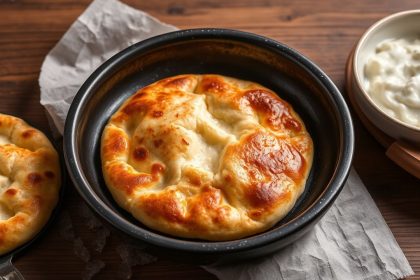

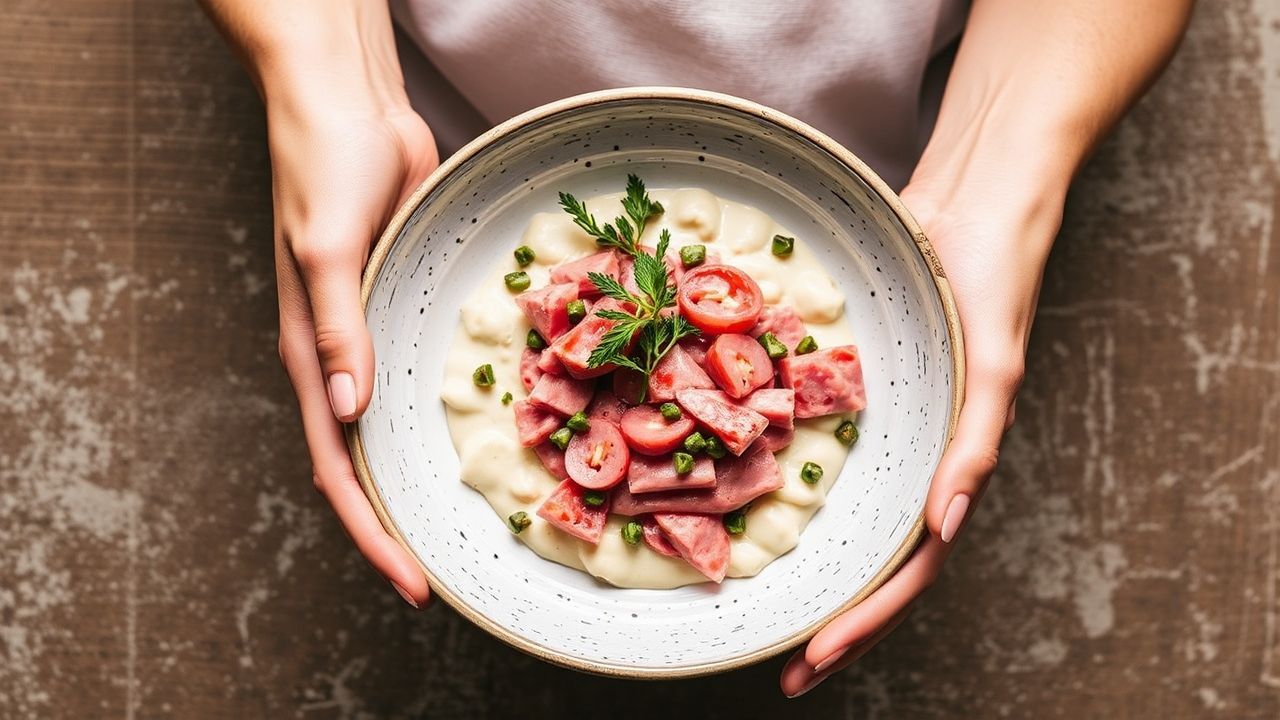

In the culinary world, recipes often appear as sacred commandments — precise, fixed, and intimidating. That perception limits cooks and removes the creative decision-making that makes food memorable.
- Recipes Are Guides, Not Rules
- Why Recipes Feel Rigid
- Prep and Cook Time
- Yield
- Difficulty Level
- Ingredients
- Instructions
- Chef’s Notes: Tips for Success
- Serving Suggestions
- How Technique Lets You Adapt
- Q&A
- Are recipes meant to be followed exactly as written?
- Why do people assume recipes need precision?
- How do I start deviating confidently?
- Can every recipe be adapted?
- Final Notes
- FAQ
- Recipes give structure, not shackles; use them as starting points.
- Small swaps and timing tweaks deliver predictable, delicious results.
- Understanding technique beats blind obedience to measurements.
Recipes Are Guides, Not Rules
Recipes act as tested frameworks that combine ingredients, technique, and timing to produce reliable outcomes. Think of them as engineered suggestions: they show expected ratios and steps while leaving room for adaptation.
When you treat a recipe as a guide, you reduce anxiety and increase creative control. This approach improves skill because you learn why a substitution or time change works, not just that it does.
Why Recipes Feel Rigid
Certain tasks, especially in baking, require precise ratios for chemical reactions like gluten formation and leavening. In those cases, small changes can drastically alter texture and structure.
Conversely, many stovetop dishes tolerate broad adjustments in liquid, acid, or fat. Familiarity with fundamental methods in cooking lets you adjust with confidence and predictability.
Prep and Cook Time
Prep: 15 minutes | Cook: 25 minutes | Total: 40 minutes. These times are estimates based on standard oven settings and average ingredient temperatures.
Adjust times when you use denser flours, frozen fruit, or different bakeware. A practical gauge is a toothpick test or internal temperature for protein-rich items.
Yield
Serves 4 generously. Yield depends on portion size, accompaniments, and whether you slice thick or thin for serving.
Scale by weight, not by eyeballing, when you need consistent results across batches. Doubling or halving works, but watch bake time and pan size.
Difficulty Level
Medium. This recipe asks you to balance wet and dry ratios and to judge doneness visually and by touch. Those are foundational skills that scale to more complex preparations.
If you are developing intuition, start by making one change at a time. Track results in a simple notebook so you build a reliable personal reference.
Ingredients
1 cup all-purpose flour, sifted (whole wheat can replace some portion for nuttier flavor). Use flour weight for precision when possible.
2 large eggs, beaten (or flax eggs for a vegan option), 1/2 cup milk (dairy or plant-based), 1 tablespoon olive oil, 1 teaspoon baking powder, 1/2 teaspoon salt, 1 teaspoon vanilla extract (optional), 1 cup fresh berries or chopped fruit, and 2 tablespoons sugar (adjust to taste).
Instructions
Preheat your oven to 375°F (190°C) and prepare a baking dish. Proper preheat ensures predictable rise and browning.
Combine dry ingredients, add wet ingredients into a well, stir just until blended, fold in fruit, transfer to the pan, and bake 20–25 minutes until golden and a toothpick comes out clean. Let rest briefly to allow structure to set before slicing.
- Preheat oven and prepare pan with oil or parchment for even heat and easier release.
- Whisk flour, baking powder, salt, and sugar until uniform; this balances rising and texture.
- Create a well, add eggs, milk, oil, and vanilla, then stir gently—do not overmix.
- Fold in berries or fruit to coat and reduce sinking; distribute evenly in the pan.
- Spread batter to a uniform thickness for consistent baking across the dish.
- Bake 20–25 minutes or until top is golden and a tester shows no wet batter.
- Rest a few minutes before serving so the crumb firms and flavors meld.
Chef’s Notes: Tips for Success
Ingredient swaps change hydration and structure. For example, oat milk and almond milk vary in fat and soluble solids; adjust wet volume by 5–10% when you first swap.
Temperature of ingredients matters: cold eggs and milk slow rise, while room-temperature components blend more readily. Keep notes and make incremental changes.
- Substitutions: Try applesauce or mashed banana as a binder and natural sweetener for reduced fat and sugar.
- Timing: If using a heavier flour, extend bake time by 3–7 minutes and monitor color and tester results closely.
- Flavor: Add citrus zest for brightness or a pinch of spice to elevate fruit profiles.
- Texture: Fold in nuts or swirl cream cheese for contrast and interest.
Serving Suggestions
Serve warm with a dollop of whipped cream or a drizzle of honey for a classic presentation. Garnish with extra berries or toasted nuts for visual and textural contrast.
Pair with a crisp salad for brunch or a robust tea for an afternoon treat. For ideas on manipulating crumb and mouthfeel, see our internal guide on baking textures explained and the internal ingredient substitution guide for common swaps.
| Nutrient | Per Serving |
|---|---|
| Calories | 320 kcal |
| Protein | 9 g |
| Carbohydrates | 45 g |
| Fat | 8 g |
How Technique Lets You Adapt
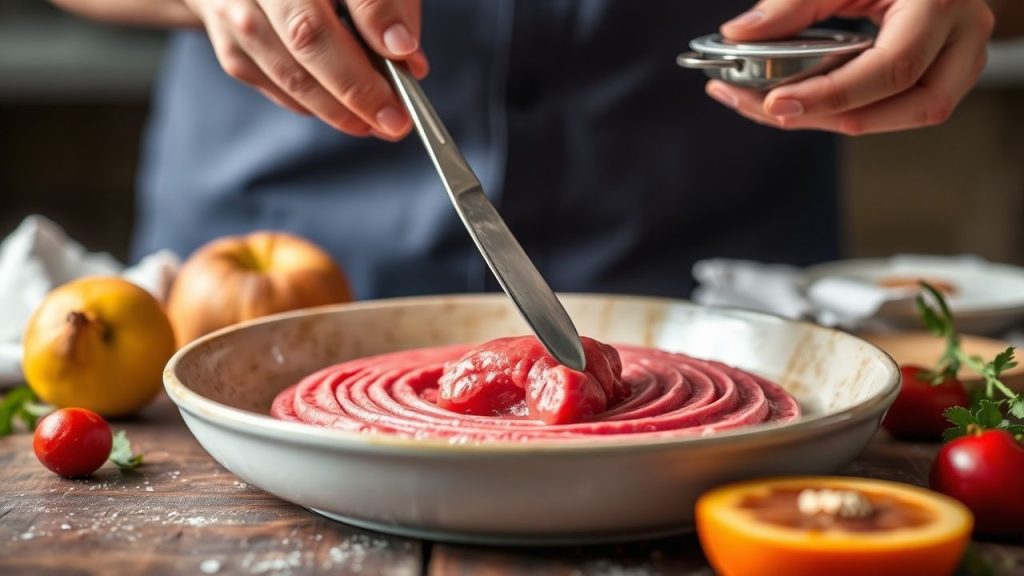
Technique is the lever that converts safe substitutions into reliable outcomes. For example, knowing how gluten develops helps you decide when to reduce mixing or when to add a binder for gluten-free flours.
Similarly, learning how acidity affects color and flavor gives you tools to balance a dish. Read about basic methods in culinary arts to build a practical foundation.
Q&A
Below are practical answers to common concerns about adapting recipes. These address beginners and experienced cooks who want confident results.
Are recipes meant to be followed exactly as written?
No. Recipes are tried methods that guide you to a reliable result, but they invite adaptation. When you understand why steps exist, you can make informed changes.
Why do people assume recipes need precision?
People conflate baking science with all cooking. Baking often demands specific ratios; other techniques tolerate flexibility. Learn the distinctions and apply them per recipe.
How do I start deviating confidently?
Change one element at a time: swap a liquid, adjust sugar by 10–20%, or change fat type. Record changes and results so you develop repeatable skills.
Can every recipe be adapted?
Not every element is flexible. Some desserts depend on exact chemistry. But most everyday recipes benefit from measured, tested adjustments once you grasp the technique.
Final Notes
Recipes give you a tested pathway to delicious meals while leaving room for personal expression. The goal is repeatable pleasure, not slavish compliance.
Embrace controlled experimentation: make small, deliberate changes, record what you learn, and adjust again. Over time your adaptations will become the best recipes you own.
FAQ
How do I choose which ingredients to swap first?
Start with non-structural elements: spices, sweeteners, and flavorings. Then move to liquids and fats. Structural swaps like flour require more testing.
Will substitutions ruin the texture?
They can if you change ratios drastically. Offset a denser flour with a bit more liquid or a binding agent. Test small batches when possible.
How should I track successful changes?
Use a short log: ingredient change, bake time, pan type, and result. Consistent notation helps replicate successes and avoid repeated errors.
Where can I learn standard wet-to-dry ratios?
Reference ratio guides and technique pages in trusted sources. A basic ratio notebook will speed decisions and reduce guesswork.
When should I revert to the original recipe?
If a change produces an undesirable texture or flavor, revert and test a smaller change. Iteration is the practical path to mastery.
See also: Recipes