
By using this site, you agree to the Privacy Policy and Terms of Use.
Accept

CookOrBit

  • Home
  • About Us
  • Ingredient Science
    • Flavor & Aroma
    • Protein Chemistry
    • Sugar & Starch
    • Fats & Emulsions
  • Cooking Techniques
    • Searing & Grilling
    • Baking & Roasting
    • Boiling & Steaming
    • Low & Slow
  • Kitchen Experiments
    • DIY Ferments
    • Flavor Tests
    • Gadget Testing
    • Molecular Gastronomy
  • Food Myths
    • Searing Myth
    • 5-Second Rule
    • MSG Myths
    • Microwave Myths
  • More
    • Extra Picks
    • Quick & Easy
      • Breakfast Ideas
      • Desserts
      • Snacks
      • Soups
    • Global Flavors
      • Asian Street Eats
      • Latin Comforts
      • Mexican Flavors
      • Modern Mediterranean

CookOrBit

  • Home
  • About Us
  • Ingredient Science
  • Cooking Techniques
  • Kitchen Experiments
  • Food Myths
  • More
Search
  • Home
  • About Us
  • Ingredient Science
    • Flavor & Aroma
    • Protein Chemistry
    • Sugar & Starch
    • Fats & Emulsions
  • Cooking Techniques
    • Searing & Grilling
    • Baking & Roasting
    • Boiling & Steaming
    • Low & Slow
  • Kitchen Experiments
    • DIY Ferments
    • Flavor Tests
    • Gadget Testing
    • Molecular Gastronomy
  • Food Myths
    • Searing Myth
    • 5-Second Rule
    • MSG Myths
    • Microwave Myths
  • More
    • Extra Picks
    • Quick & Easy
    • Global Flavors
Follow US
  • Advertising Policy
  • Contact Us
  • Cookie Policy
  • Copyright Notice
  • Disclaimer
  • Privacy Policy
  • Terms of Service
By Fimaw.com
Unveiling the Chemistry Behind the Perfect Fish Sauce Flavor
CookOrBit > Blog > Food Myths > MSG Myths > Unveiling the Chemistry Behind the Perfect Fish Sauce Flavor
MSG Myths

Unveiling the Chemistry Behind the Perfect Fish Sauce Flavor

William J. Kroll By William J. Kroll Published January 17, 2026
Share
SHARE

Beneath the robust, savory allure of the perfect fish sauce lies a hidden world of chemistry-a delicate dance of molecules that transforms humble ingredients into a liquid gold cherished worldwide. More than just a condiment, fish sauce is a masterclass in fermentation science, where enzymes break down proteins and fermenting microbes sculpt the signature umami punch. In this article, we dive deep into the alchemy behind that unmistakable flavor, unraveling the biochemical secrets that have tantalized taste buds for centuries and continue to define the essence of Southeast Asian cuisine. Join us as we unveil the chemistry behind the perfect fish sauce flavor, where art meets science in a symphony of taste.

Contents
Unveiling the Chemistry Behind the Perfect Fish Sauce FlavorPrep and Cook TimeYieldDifficulty LevelIngredientsInstructionsTips for SuccessServing SuggestionsNutritional Information per 1 Tbsp (15 ml)Q&ATo Wrap It Up

Unveiling the Chemistry Behind the Perfect Fish Sauce Flavor

Unveiling the Chemistry Behind the Perfect Fish Sauce Flavor offers an enticing journey into the heart of fermentation, where salt-drenched anchovies transform into a rich, savory elixir bursting with umami. This ancient culinary magic not only deepens flavor but balances the delicate dance between saltiness and subtle sweetness to create the quintessential punch found in Southeast Asian dishes. From selecting the freshest fish to understanding enzymatic reactions that release natural glutamates, this guide empowers you to harness science and craft an authentic, irresistible fish sauce at home.

Prep and Cook Time

  • Preparation: 15 minutes (not including fermentation time)
  • Fermentation: 6 to 12 months (for full umami development)
  • Total Time: Up to 1 year, depending on fermentation preference

Yield

  • About 2 cups of homemade fish sauce

Difficulty Level

  • Medium – Requires patience and attention to fermentation details

Ingredients

  • 1 kg fresh anchovies, gutted and rinsed
  • 300 g sea salt (about 30% of fish weight, for optimal fermentation)
  • 1 tablespoon palm sugar, finely grated (to balance saltiness)
  • Filtered water, as needed to cover fish completely
  • Optional: a piece of dried shrimp (to boost umami complexity)

Instructions

  1. Prepare the fish: Thoroughly rinse the anchovies under cold water to remove impurities but keep skin and bones intact for enzymes essential in fermentation.
  2. Layer the mixture: In a sterilized glass jar, alternate layers of anchovies and sea salt, finishing with salt. This layering prevents spoilage and promotes even fermentation.
  3. Add sweetness: Sprinkle the palm sugar evenly over the salt layers. Sugar will gently counterbalance salt’s sharpness and accelerate fermentation enzymes.
  4. Cover with water: Add enough filtered water to fully submerge the fish and salt mixture, using a fermentation weight or small clean jar to keep ingredients submerged, preventing oxygen exposure.
  5. Seal and ferment: Loosely seal the jar to allow gases to escape. Store it in a cool, dark place (around 20-25°C/68-77°F) for a minimum of 6 months. Stir monthly to distribute flavors and release trapped gases.
  6. Test and strain: After 6 months, taste your fish sauce to assess umami depth and salt balance. When satisfied, strain through a fine sieve or cheesecloth into a clean bottle.
  7. Age to perfection: Optionally, allow the strained liquid to rest for another 1-3 months for smoother flavor development.

Tips for Success

  • Select the best fish: Freshness is paramount. Choose anchovies that are firm and bright to avoid off-flavors during fermentation.
  • Salt ratio precision: Maintaining a 30% salt-to-fish weight ratio controls unwanted bacteria while encouraging enzymatic activity.
  • Patience pays off: The longer the fermentation, the richer the umami compounds-don’t rush this process.
  • Adjust sweetness: Palm sugar can be replaced with brown sugar or honey, but keep quantities small to avoid overpowering saltiness.
  • Storage matters: Store the fish sauce in a cool, dark place after fermenting; refrigeration helps preserve once opened.
  • Experiment balance: If homemade sauce tastes too salty, dilute with a touch of water or a drop of acidity (like lime juice) when cooking.

Serving Suggestions

Use your homemade fish sauce as a savory backbone in noodle bowls, dipping sauces, or marinades. For a vibrant finish, garnish dishes with fresh herbs like cilantro or Thai basil, and a wedge of lime to brighten each bite. Try mixing fish sauce with garlic, chili, and a pinch of sugar for a classic dipping condiment that’s irresistibly rich and deeply balanced.

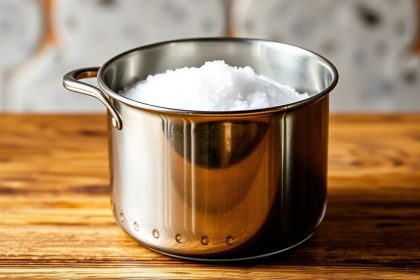
Unveiling the Chemistry Behind the Perfect Fish Sauce Flavor - Fermented Anchovies in Jar

Nutritional Information per 1 Tbsp (15 ml)

Nutrient Amount
Calories 10
Protein 1.4 g
Carbohydrates 0.2 g
Fat 0 g
Sodium 900 mg

For a deeper dive into fermentation science, explore our Fermentation Techniques for Home Cooks and discover impactful microbial transformations. To understand the biochemistry further, visit this study on umami compounds in fermented foods.

Q&A

Q&A: Unveiling the Chemistry Behind the Perfect Fish Sauce Flavor

Q1: What makes fish sauce such a unique and beloved condiment around the world?
A1: At its core, fish sauce is a magical blend of aged fish and salt, transformed by nature’s microscopic alchemists-enzymes and microbes-into a savory liquid gold. Its signature umami punch, a rich depth of flavor that amplifies dishes, is what captivates palates globally, from Southeast Asian kitchens to haute cuisine.

Q2: How does the chemistry of fermentation shape the flavor of fish sauce?
A2: Fermentation is the star of the show. During this process, enzymes break down fish proteins into amino acids-glutamates being the most flavorful-while beneficial bacteria produce organic acids and other compounds. These chemical reactions create complex layers: salty, sweet, sour, and umami, building the perfect harmonious profile.

Q3: What role does glutamic acid play in fish sauce’s flavor?
A3: Glutamic acid, the molecule responsible for umami, acts as a flavor enhancer. Think of it as nature’s seasoning boost. When proteins in fish are broken down during fermentation, free glutamic acid is released, giving fish sauce its mouth-watering savoriness that makes your taste buds sing.

Q4: Why does age matter in fish sauce production?
A4: Time is flavor’s secret ingredient. As fish sauce ages, enzymatic reactions deepen the complexity of taste, mellowing harsh notes and amplifying richness. Older fish sauces typically exhibit a smoother, more balanced flavor, with a richer aroma and less pungent bite.

Q5: How do salt levels influence the chemical process and taste?
A5: Salt is both a preservative and a flavor modulator. It controls which microbes thrive during fermentation, suppressing harmful bacteria while encouraging beneficial ones. The amount of salt also scales the intensity of saltiness and affects how amino acids and acids develop, finely tuning the final flavor profile.

Q6: Can the type of fish impact the chemical outcome of fish sauce?
A6: Absolutely! Different fish species carry distinct protein compositions and microbial communities that steer the fermentation chemistry in unique directions. For instance, anchovy-based fish sauce tends to be robust and intense, while mackerel might offer sweetness and complexity.

Q7: How does temperature affect the chemistry behind fish sauce?
A7: Temperature acts like a conductor, orchestrating the speed and nature of fermentation. Warmer conditions speed up enzymatic activity and microbial growth, accelerating flavor development but risking off-flavors if uncontrolled. Cooler fermentation slows the process, often yielding subtler, cleaner profiles.

Q8: Are there modern scientific techniques helping to perfect fish sauce flavor?
A8: Yes! Researchers use chromatography and mass spectrometry to map the diverse compounds within fish sauce, identifying flavor precursors and byproducts. This molecular insight allows producers to fine-tune fermentation parameters, selecting optimal fish types, salt concentrations, and aging times for the ultimate taste.

Q9: What can home cooks learn from the chemistry of fish sauce?
A9: Understanding that fish sauce is a delicate balance of enzymes, microbes, and time allows home cooks to appreciate its complexity. Using it sparingly yet thoughtfully capitalizes on its umami power, enhancing everything from soups to stir-fries, while respecting its potent punch and nuanced layers.

Q10: In a nutshell, what is the secret to the perfect fish sauce flavor?
A10: The perfect fish sauce flavor is a beautiful chemistry symphony-anchored by enzymatic protein breakdown, guided by microbial fermentation, balanced by salt, and refined over time. It’s a dance of molecules that transforms humble fish into an extraordinary culinary treasure, bursting with savory, nuanced goodness.

To Wrap It Up

As the waves of flavor in every drop of fish sauce reveal their hidden chemistry, we begin to appreciate this liquid gold not just as a condiment, but as a meticulously crafted masterpiece of nature and science. From the delicate dance of amino acids to the subtle symphony of fermenting enzymes, the perfect fish sauce is a testament to the intricate chemical alchemy behind its bold umami punch. So next time you drizzle this savory elixir over your dish, remember: beneath its simple exterior lies a complex world of molecules working harmoniously to transform ordinary meals into extraordinary culinary experiences. The chemistry of flavor is alive-and it’s in every splash of fish sauce you savor.
Unveiling the Chemistry Behind the Perfect Fish Sauce Flavor

You Might Also Like

Hearty Beef & Mushroom Stew: A Savory Comfort Classic

Grilling Secrets: How Heat Drives Out Meat’s Moisture

Tailgate Triumph: Science-Backed Tips for Safe Celebrations

Mastering the Science Behind the Perfect Blackened Fish

Whip Up Nutella Powder: A Sweet DIY Delight at Home

TAGGED:andchemistryfishtheunveiling
Share This Article
Facebook Twitter Pinterest Whatsapp Whatsapp LinkedIn Telegram Threads
What do you think?
Love0
Sad0
Happy0
Sleepy0
Angry0
Dead0
Wink0
Previous Article Tailgate Triumph: Science-Backed Tips for Safe Celebrations Tailgate Triumph: Science-Backed Tips for Safe Celebrations
Next Article Grilling Secrets: How Heat Drives Out Meat’s Moisture Grilling Secrets: How Heat Drives Out Meat’s Moisture
Cookie Scoops Unwrapped: Scoop, Shape, and Bake Perfect Treats
Gadget Testing
Mastering Kitchen Control: The Ultimate Guide to Variables
Flavor Tests
Kahm Yeast Uncovered: Harmless Film or Hidden Threat?
DIY Ferments
The Savory Science Behind Perfect Kalua Pig Chemistry
Low & Slow

Most Viewed Posts

  • The Art and Science Behind Perfect Culinary Espumas (1,539)
  • Crisp Science: Unlocking the Chemistry of Perfect Tempura (991)
  • Unlocking Vanillin: The Chemistry Behind Vanilla’s Magic (362)
  • Master the Art of the Perfectly Boiled Potato Every Time (319)
  • Fats That Transform: Experimenting with Flavorful Fats (303)

Tags

and art baked beef behind chemistry chicken crafting creamy crispy easy exploring flavor food for garlic hearty heat how magic mastering microwave perfect perfectly protein Salad savor science secrets steak sweet the tips turkey ultimate unlocking unveiling velvety water what when why with your zesty
January 2026
M T W T F S S
 1234
567891011
12131415161718
19202122232425
262728293031  
« Dec    

You Might Also Like

Unlocking Flavor: The Chemistry Behind Cooking Corned Beef
Boiling & Steaming

Unlocking Flavor: The Chemistry Behind Cooking Corned Beef

William J. Kroll William J. Kroll January 17, 2026
The Science Behind the Perfectly Baked Gnocchi Casserole
Baking & Roasting

The Science Behind the Perfectly Baked Gnocchi Casserole

William J. Kroll William J. Kroll January 17, 2026
Mastering the Art: The Science Behind Perfectly Grilled Chicken
Searing & Grilling

Mastering the Art: The Science Behind Perfectly Grilled Chicken

William J. Kroll William J. Kroll January 17, 2026
The Flavor Formula: Unveiling the Chemistry of Perfect Curry
Fats & Emulsions

The Flavor Formula: Unveiling the Chemistry of Perfect Curry

William J. Kroll William J. Kroll January 17, 2026
Unlocking Sweet Science: What Exactly Is Invert Sugar?
Sugar & Starch

Unlocking Sweet Science: What Exactly Is Invert Sugar?

William J. Kroll William J. Kroll January 17, 2026
Unlocking Flavor: The Science Behind a Tender Steak
Protein Chemistry

Unlocking Flavor: The Science Behind a Tender Steak

William J. Kroll William J. Kroll January 17, 2026
Follow US
By Fimaw.com © All Rights Reserved.
  • Advertising Policy
  • Contact Us
  • Cookie Policy
  • Copyright Notice
  • Disclaimer
  • Privacy Policy
  • Terms of Service
Welcome Back!

Sign in to your account

Lost your password?