
By using this site, you agree to the Privacy Policy and Terms of Use.
Accept
CookOrBitCookOrBitCookOrBit
  • Home
  • About Us
  • Ingredient Science
    • Flavor & Aroma
    • Protein Chemistry
    • Sugar & Starch
    • Fats & Emulsions
  • Cooking Techniques
    • Searing & Grilling
    • Baking & Roasting
    • Boiling & Steaming
    • Low & Slow
  • Kitchen Experiments
    • DIY Ferments
    • Flavor Tests
    • Gadget Testing
    • Molecular Gastronomy
  • Food Myths
    • Searing Myth
    • 5-Second Rule
    • MSG Myths
    • Microwave Myths
  • Tools
  • More
    • Extra Picks
    • Quick & Easy
      • Breakfast Ideas
      • Desserts
      • Snacks
      • Soups
    • Global Flavors
      • Asian Street Eats
      • Latin Comforts
      • Mexican Flavors
      • Modern Mediterranean
CookOrBitCookOrBit
  • Home
  • About Us
  • Ingredient Science
  • Cooking Techniques
  • Kitchen Experiments
  • Food Myths
  • Tools
  • More
Search
  • Home
  • About Us
  • Ingredient Science
    • Flavor & Aroma
    • Protein Chemistry
    • Sugar & Starch
    • Fats & Emulsions
  • Cooking Techniques
    • Searing & Grilling
    • Baking & Roasting
    • Boiling & Steaming
    • Low & Slow
  • Kitchen Experiments
    • DIY Ferments
    • Flavor Tests
    • Gadget Testing
    • Molecular Gastronomy
  • Food Myths
    • Searing Myth
    • 5-Second Rule
    • MSG Myths
    • Microwave Myths
  • Tools
  • More
    • Extra Picks
    • Quick & Easy
    • Global Flavors
Follow US
  • Advertising Policy: 10 Practical Rules for Safe, Compliant Ads
  • Contact Us
  • Cookie Policy: Clear Guide for Site Owners
  • Copyright Notice Guide: 7 Essential Rules for Website Owners
  • Disclaimer
  • Privacy Policy
  • Terms of Service
By Fimaw.com
Unveiling the Chemistry Behind the Perfect Fish Sauce Flavor
CookOrBit > Blog > Food Myths > MSG Myths > 7 Science-Backed Secrets for Perfect Fish Sauce Flavor
MSG Myths

7 Science-Backed Secrets for Perfect Fish Sauce Flavor

William J. Kroll
By William J. Kroll
Published: January 17, 2026
Share
SHARE

Under the robust, savory surface of fish sauce lies measurable chemistry that shapes its characteristic flavor. Fermentation, enzymatic protein breakdown, and precise salt chemistry combine to produce a complex umami profile prized in Southeast Asian cuisine and beyond.

Contents
  • Chemical Foundations of Fish Sauce
    • Amino Acids, Peptides and Umami
  • Ingredients and Ratios: The Science of Balance
  • Step-by-Step Fermentation Process
    • Time and Temperature Control
  • Practical Recipe and Scheduling
  • Safety, Microbial Control and Quality Checks
  • Tips to Maximize Flavor and Consistency
  • Serving, Storage and Nutritional Notes
  • FAQ
    • How does fermentation create umami in fish sauce?
    • What salt ratio ensures safe and effective fermentation?
    • How long should I age fish sauce for the best flavor?
    • Can I speed up fermentation without harming flavor?
    • Which fish produce the most consistent results?
  • Key takeaway: Controlled fermentation and salt ratios govern safety and taste.
  • Flavor driver: Free amino acids, especially glutamate, deliver the umami punch.
  • Time matters: Extended aging smooths harsh notes and increases complexity.
  • Practical tip: Clean technique and temperature control prevent off-flavors.

Chemical Foundations of Fish Sauce

Fish sauce is a concentrated solution of amino acids, organic acids, and small nitrogenous compounds produced when salted fish break down over time. The principal transformation occurs through natural fermentation, where endogenous enzymes and tolerant microbes act on proteins and lipids.

The salt concentration selects which microbes survive and which reactions dominate. High salt suppresses spoilage organisms while enabling proteolysis, the enzymatic cleavage of proteins into free amino acids and peptides that define taste and mouthfeel.

- Advertisement -

Amino Acids, Peptides and Umami

Free amino acids, notably glutamate, drive umami sensation in fish sauce. Analytical work on fermented seafood links rising levels of free amino acids to perceived savoriness, confirming the central role of glutamic acid in flavor intensity.

Peptides contribute body and slow-release flavor, while small organic acids add brightness and balance. Together, these molecules create the layered profile chefs rely on to round savory dishes.

Ingredients and Ratios: The Science of Balance

Ingredient choice shapes chemical outcomes. Small oily fish such as anchovies supply a consistent protein matrix and fat profile that ferment into flavorful compounds; traditional producers often use local anchovies for their predictable results.

- Advertisement -

Salt ratio matters more than exotic spices. A common working standard is ~30% salt by weight of fish to slow unwanted microbes while preserving enzymatic activity. Deviating from that range accelerates spoilage or stalls proteolysis.

Step-by-Step Fermentation Process

Start with fresh fish that are cold and firm to avoid early breakdown by spoilage bacteria. Rinse lightly, remove large impurities, but retain bones and skin—these tissues hold proteases that catalyze protein breakdown during aging.

Layer fish and salt in a clean, inert container, crush slightly to release fluids, and weigh contents so they remain submerged. Anaerobic microenvironments and continuous immersion reduce oxidation and favor desirable yeast and halotolerant bacterial activity.

- Advertisement -
  1. Layer fish and salt; include optional small amounts of sugar to modulate flavor.
  2. Cover with filtered water if necessary to ensure submersion and apply a weight.
  3. Store at controlled temperature and allow months of maturation; check monthly.
  4. When the liquid tastes harmonized, strain and bottle; age further if desired.

Time and Temperature Control

Temperature governs reaction rates: warmer conditions speed enzymatic cleavage but risk off-flavor formation if too hot. Keep fermentation in a stable range approximately 20–25 °C for consistent development.

Time converts simple savory notes into complex aroma. Short fermentations yield raw saltiness and sharpness; extended fermentation (six months to a year) increases soluble amino acids and mellows harsh volatile compounds.

Practical Recipe and Scheduling

For a reliable home batch: use 1 kg fresh small fish, 300 g sea salt (≈30%), and an optional tablespoon of palm or brown sugar. Adjust water only to cover; excessive dilution reduces enzymatic concentration and slows maturation.

Ferment in a food-grade container with occasional degassing and visual checks. Taste samples after 6 months; if flavor remains aggressive, continue aging. Strain through fine cloth and decant into sterilized bottles.

Safety, Microbial Control and Quality Checks

Salt provides the first line of microbial control but does not sterilize. Monitor visual signs: clear liquid with settled solids and no surface pellicle indicates a controlled fermentation. Off odors such as putrid, rotten-sulfur notes indicate contamination; discard any suspect batch.

Use good hygiene: sterilize jars, work with cold fish, and avoid introducing non-salted ingredients early in fermentation. If you detect unusual gas, foaming, or colored films, separate the liquid and assess; when in doubt, do not consume.

⚠️ Pro-Caution
Pro-Caution: Never taste-test a batch that shows visible mold, strong rotten odors, or an unstable surface film. These are signs of harmful microbial activity. Discard contaminated batches and sanitize equipment thoroughly.

After bottling, keep fish sauce refrigerated once opened to preserve freshness and slow any late-stage chemical changes. Properly salted and aged fish sauce is shelf-stable unopened for long periods, but labeling date and batch notes help trace quality.

Tips to Maximize Flavor and Consistency

Control variables: use the same fish source, maintain consistent salt percentage, and keep a stable temperature to reproduce successful batches. Minor changes shift the chemical trajectory of flavor development.

When using fish sauce in cooking, taste early and adjust. Because it concentrates umami, use sparingly and layer with acid and sweet elements to unlock complexity without overpowering dishes.

💡 Expert Insight
Expert Insight: Keep a fermentation logbook. Record fish source, salt percentage, starting weight, ambient temperature, and tasting notes at intervals. This simple practice yields repeatable results and helps you identify ideal maturation windows.

Experimentation is useful, but controlled trials work best: change one variable per batch to understand its effect. For example, test two salt ratios side-by-side to see how proteolysis and flavor diverge over six months.

Serving, Storage and Nutritional Notes

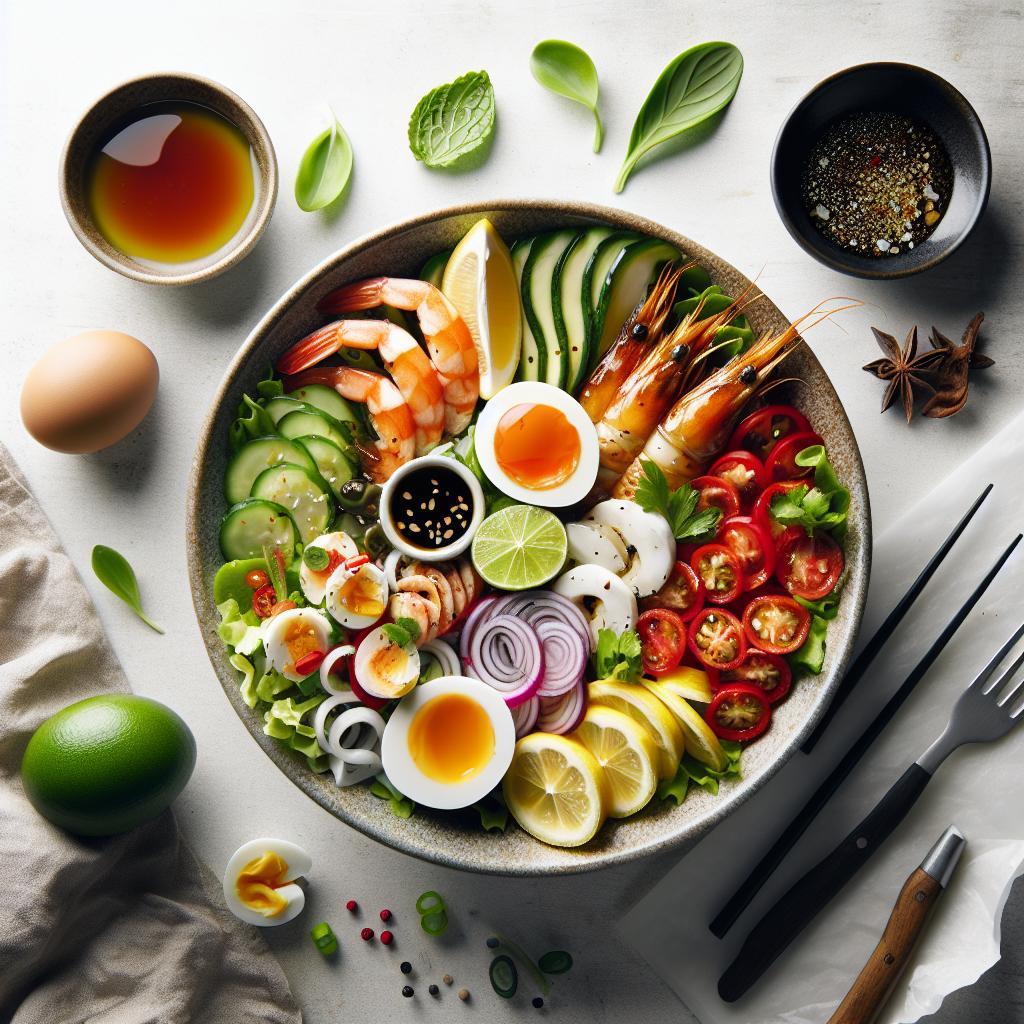
Fish sauce functions as a concentrated seasoning—use it to finish soups, vinaigrettes, marinades, and dipping sauces. Pair it with citrus, sugar, and aromatics to create balanced condiments that stretch a little goes a long way.

Packaged fish sauce is high in sodium; small amounts deliver a large flavor payoff. People with sodium-restricted diets should treat it as a potent seasoning and adjust other salt sources accordingly.

Nutrient (per 1 tbsp / 15 ml) Amount
Calories ≈10
Protein (soluble) ≈1.4 g
Carbohydrate ≈0.2 g
Fat 0 g
Sodium ~900 mg

FAQ

How does fermentation create umami in fish sauce?

Endogenous enzymes break fish proteins into free amino acids and small peptides. These molecules, especially glutamate, stimulate umami receptors and intensify perceived savory taste.

What salt ratio ensures safe and effective fermentation?

About 25–35% salt by weight of fish is a reliable window for home practice. This range suppresses many spoilage organisms while allowing halotolerant enzymes and microbes to generate desirable flavor compounds.

How long should I age fish sauce for the best flavor?

Maturation for at least six months yields baseline umami development. Extending to 9–12 months typically produces smoother aromas and deeper complexity, depending on temperature and fish type.

Can I speed up fermentation without harming flavor?

Raising temperature accelerates reactions but increases the risk of off-flavors. It is better to allow time at a steady, moderate temperature than to force rapid fermentation.

Which fish produce the most consistent results?

Small, oily, protein-dense species like anchovies give predictable, concentrated results because their tissue and oil content ferment into classic savory compounds. Regional variations will still influence nuance.

For deeper reading on the scientific terms used here, review authoritative references on fermentation, umami, and enzymes to strengthen practical practice with theory.

Fermented anchovies in jar

See also: fish sauce

7 Easy Chickpea Salad Sandwich Recipes: Creamy, Crunchy Lunch Ideas
Unlock Flavor Fast: 7 Proven Ways Extracts Transform Dishes
7 Ways to Master Hearty Turkey Soup: Nutritious, Cozy, Fast
Seitan Secrets: 7 Proven Science Tricks for Meat-Like Texture
Cheese Profiles: 7 Expert Secrets to Master Flavor
TAGGED:andchemistryFermentation processFermented seafoodfishFish sauce chemistryfood safetyProteolysis enzymesSalt ratiostheumami flavorunveiling
Share This Article
Facebook Pinterest Whatsapp Whatsapp LinkedIn Telegram Threads
What do you think?
Love0
Sad0
Happy0
Sleepy0
Angry0
Dead0
Wink0
Previous Article Tailgate Triumph: Science-Backed Tips for Safe Celebrations Tailgate Triumph: 11 Science-Backed Tailgate Safety Tips
Next Article Grilling Secrets: How Heat Drives Out Meat’s Moisture 7 Grilling Secrets: Master Grilling Moisture for Juicier Meat
Creamy Garlic Chicken with melted Parmesan and fresh herbs on a rustic white plate
Garlic Chicken: 7 Ultimate Brilliant Recipes to Make the Best-Ever Creamy Garlic Chicken with Parmesan & Fresh Herbs
Extra Picks
Colorful bowls of Leftover Couscous transformed into salads, fritters, and stuffed peppers.
12 Amazing Practical Leftover Couscous Ideas: Brilliant Ways to Reuse and Remix
Uncategorized
Colorful jars of spice blends beside steaming couscous with herbs and lemon
7 Ultimate spice blends That Transform Your Couscous — Amazing Best Flavor Boosts
Uncategorized
Bowls of gluten-free couscous alternatives: quinoa, millet, cauliflower, and rice
10 Amazing couscous alternatives: Best Gluten-Free Swaps for Incredible Flavor
Uncategorized

Tags

and art baked baking science baking techniques Baking tips batch cooking beef behind browning techniques butternut squash caramelization cast iron skillet chemistry chicken comfort food Cooking science cooking technique Cooking techniques Cooking tips crafting creamy creamy soup crispy culinary science fish flavor flavor chemistry food food safety Food science for garlic golden Ground turkey hearty heat high-heat cooking high protein meals how instant read thermometer Lean protein magic Maillard reaction make ahead meals make ahead soup mastering meal prep Meal prep recipes meat thermometer microwave microwave cooking moisture control one pot meals Pan searing perfect perfectly Plant based protein Probe thermometer protein denaturation Quick dinners roasted roasted squash roasted tomato soup Roasted vegetables Roasting techniques savor savory science Searing technique Searing techniques secrets slow cooking squash steak steak cooking sweet temperature control the top turkey turkey soup turkey stew ultimate umami cooking umami flavor unlock unlocking unveiling vegetable velvety weeknight dinner Weeknight dinners weeknight meals what when why with your zesty
April 2026
M T W T F S S
 12345
6789101112
13141516171819
20212223242526
27282930  
« Mar    

You Might Also Like

Unlock Cheesy Magic: Top Tips for Using Nutritional Yeast
MSG Myths

Unlock Cheesy Magic: 10 Proven Tips for Using Nutritional Yeast

William J. Kroll
William J. Kroll
February 16, 2026
Flavor Extracts Unveiled: The Essence Behind Every Taste
Flavor & Aroma

7 Essential Secrets of Flavor Extracts: Master the Essence Behind Every Taste

William J. Kroll
William J. Kroll
November 19, 2025
The Science Behind Smash Burgers: Flavor in Every Sizzle
Searing Myth

Smash Burger Science: 7 Proven Steps for Maximum Flavor

William J. Kroll
William J. Kroll
February 12, 2026
Unlock Flavor: How to Make Roasted Garlic Hummus Dip
Extra Picks

Unlock Flavor: 7 Steps to Make Roasted Garlic Hummus Dip

William J. Kroll
William J. Kroll
February 10, 2026
The Art & Science of Sourdough: Young vs Mature Starters Explained
Flavor Tests

Sourdough Starter Mastery: 7 Key Differences

William J. Kroll
William J. Kroll
February 17, 2026
قرفة مع تمثيل جزيء السينامالدهيد لشرح سحره الكيميائي
Flavor & Aroma

Unlocking Cinnamon’s Charm: 7 Chemical Secrets of Cinnamaldehyde

William J. Kroll
William J. Kroll
August 27, 2025
Follow US
By Fimaw.com © All Rights Reserved.
  • Advertising Policy: 10 Practical Rules for Safe, Compliant Ads
  • Contact Us
  • Cookie Policy: Clear Guide for Site Owners
  • Copyright Notice Guide: 7 Essential Rules for Website Owners
  • Disclaimer
  • Privacy Policy
  • Terms of Service
Welcome Back!

Sign in to your account

Username or Email Address
Password

Lost your password?