
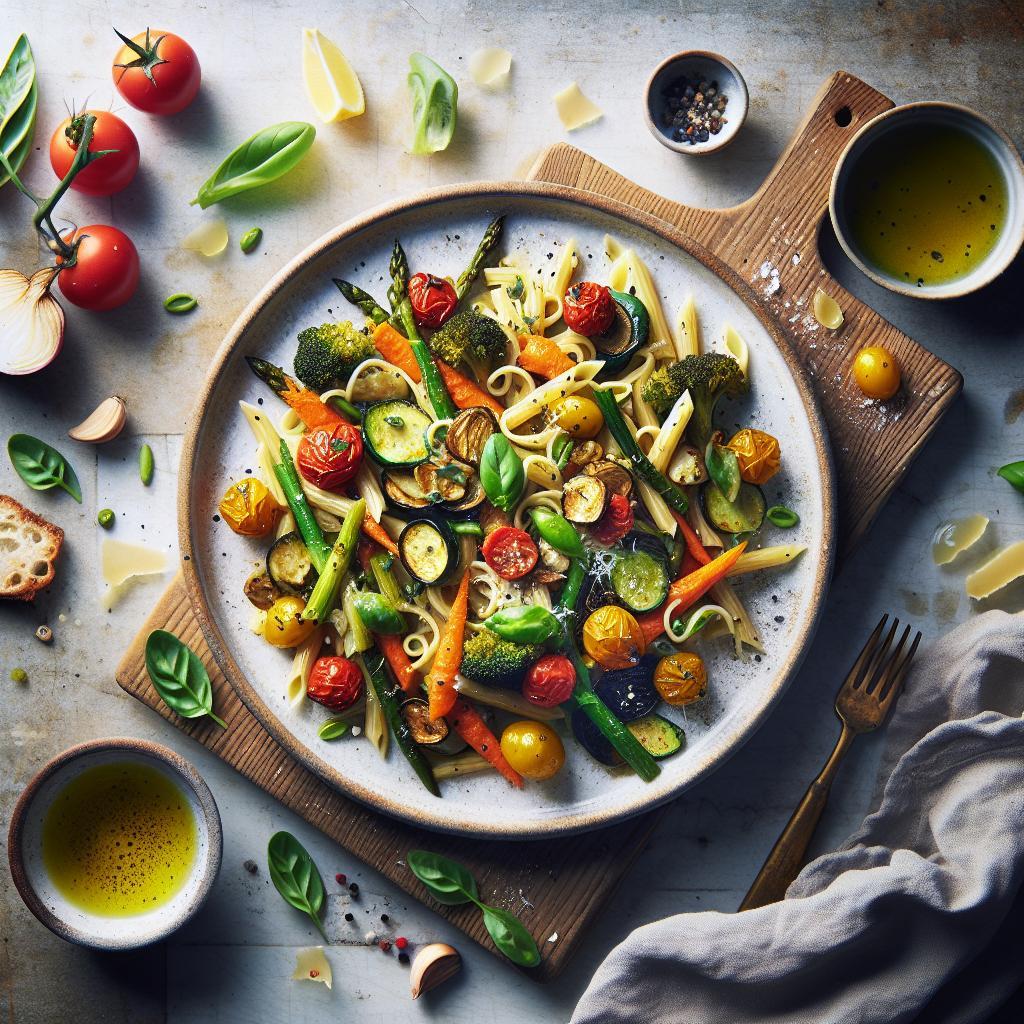

Roasted pasta captures the appeal of caramelized vegetables folded into al dente noodles; browning intensifies sweetness and adds savory depth through the Maillard reaction, producing a memorable main course with complex flavor.
- Overview: Why Roasted Pasta Works
- Prep and Cook Time for Roasted Pasta
- Yield for Roasted Pasta
- Difficulty Level
- Ingredients
- Instructions
- Tips for Success
- Serving Suggestions for Roasted Pasta
- Nutrition (Per Serving)
- Common Questions About Roasted Pasta
- What makes roasted pasta so beloved?
- Which vegetables roast best for roasted pasta?
- How do I ensure even roasting for roasted pasta?
- Can I prepare roasted pasta ahead of time?
- How do I add protein without losing the roast-focused character?
- In Retrospect
- FAQ
- Key takeaway: Roasting intensifies vegetable flavor and texture for exceptional roasted pasta.
- Timing matters: High heat and even cuts create consistent caramelization on vegetables for roasted pasta.
- Balance sauces: Reserve pasta water to unify sauce, roasted vegetables, and noodles.
- Make-ahead friendly: Roast and store vegetables up to 48–72 hours for quick reheats with roasted pasta.
Overview: Why Roasted Pasta Works
Roasted pasta pairs concentrated vegetable flavors with sturdy pasta shapes to create a satisfying texture contrast. The technique relies on dry heat and targeted seasoning so the vegetables retain character and the pasta carries those flavors cleanly.
Roasting is a high-yield method for flavor development; review core concepts of roasting and surface browning when planning oven time. Use these principles to adapt roasted pasta to seasonality and protein additions.
Prep and Cook Time for Roasted Pasta
Preparation: 20 minutes. Chop vegetables into consistent pieces to ensure uniform roasting and avoid small bits overcooking while larger chunks remain underdone. Consistency speeds timing and improves texture in the finished roasted pasta.
Roasting: 25–30 minutes at 425°F (220°C). Spread vegetables in a single layer on a rimmed sheet so hot air can circulate and edges brown. Adjust time slightly for denser roots like carrots or squash when making roasted pasta variations.
Yield for Roasted Pasta
This recipe yields about four generous portions, a practical size for family dinners or small gatherings. Scale by increasing vegetables and sauce proportionally while using sturdy shapes such as penne or rigatoni to support the roasted chunks and sauce.
For larger groups, double the vegetables and roast in two pans to avoid crowding; crowded pans steam instead of roast, which reduces the caramelization that defines good roasted pasta.
Difficulty Level
Difficulty: Medium. The technique requires basic knife skills and timing coordination between oven and stovetop. Focus on heating, seasoning, and timing to get repeatable, restaurant-quality roasted pasta.
Intermediate cooks will find the workflow straightforward once they practice routing tasks—chopping, oven management, and sauce timing—and the results reward the extra attention to heat and texture.
Ingredients
Choose firm, fresh produce and a pasta that can hold sauce and roasted bits. Quality olive oil and properly seasoned vegetables make the difference in roasted pasta.
- 1 large eggplant, diced into 1-inch cubes.
- 2 medium zucchini, sliced into half-moons.
- 1 red bell pepper, chopped.
- 1 yellow bell pepper, chopped.
- 1 medium red onion, cut into wedges.
- 10 cherry tomatoes, halved.
- 4 cloves garlic, minced.
- 3 tablespoons extra virgin olive oil, divided. See notes on quality and smoke points in the Tips section and reference olive oil.
- 1 teaspoon smoked paprika.
- 1 teaspoon dried oregano.
- Salt and freshly ground black pepper, to taste.
- 12 ounces penne or rigatoni pasta.
- 1/4 cup fresh basil, chopped.
- 1/4 cup toasted pine nuts, for garnish.
- Grated Parmesan or plant-based alternative, for serving.
Sauce Ingredients
1 cup crushed tomatoes, 1 tablespoon tomato paste, 1/2 teaspoon red pepper flakes (optional), and 1 tablespoon balsamic vinegar. Keep the sauce bright and slightly acidic to balance roasted sweetness.
Use quality canned tomatoes and adjust acidity with a touch of vinegar or lemon. The goal is a simple sauce that supports the roasted vegetables rather than masking them in the roasted pasta.
Instructions
Preheat the oven to 425°F (220°C) and prepare a rimmed baking sheet with parchment or a silicone mat. A hot, dry oven yields faster, more consistent caramelization for the vegetables in roasted pasta.
In a large bowl, toss eggplant, zucchini, bell peppers, red onion, and cherry tomatoes with 2 tablespoons of olive oil, smoked paprika, oregano, salt, and black pepper. Arrange in a single layer and avoid crowding to prevent steaming.
Roasting technique
Roast for 25–30 minutes, stirring once halfway through to promote even browning. Look for golden edges and tender interiors—those cues indicate well-developed flavor for your roasted pasta.
If using eggplant, salt and rest briefly to draw out excess moisture, then pat dry before tossing with oil to avoid sogginess. For faster searing, preheat the sheet pan in the oven so vegetables hit a hot surface upon contact.
Sauce building
While vegetables roast, bring salted water to a boil and cook pasta to al dente. Reserve 1 cup of pasta water before draining; that starchy liquid acts as an emulsifier for binding the sauce to the noodles in roasted pasta.
Heat the remaining tablespoon of olive oil in a skillet over medium heat. Sauté garlic briefly, add crushed tomatoes and tomato paste, and simmer with balsamic and red pepper flakes for 8–10 minutes to meld flavors.
Combine roasted vegetables and the simmered sauce in the skillet. Fold in drained pasta and add reserved pasta water in small increments until the texture is glossy and clingy, allowing the sauce and roasted vegetables to coat the noodles evenly.
Finish with chopped basil off heat for a fresh lift. Plate immediately and garnish with toasted pine nuts and grated cheese, preserving the warmth and texture that make roasted pasta stand out.
Tips for Success
Choose sturdy pasta shapes—penne, rigatoni, or orecchiette—so sauce and roasted chunks nestle into crevices. Texture contrast keeps every bite interesting and allows roasted pasta to feel substantial without heavy cream.
Do not overcrowd the roasting pan; if necessary, roast in batches. Crowding traps steam and prevents the caramelization that gives roasted pasta its deep, complex flavor.
Salt at multiple stages—on raw vegetables, on roasted vegetables, and in the pasta water. Layered seasoning ensures each component tastes complete and balanced once combined into the roasted pasta.
Serving Suggestions for Roasted Pasta
Serve roasted pasta in wide shallow bowls to highlight the colors and allow steam to escape. A drizzle of high-quality olive oil and fresh herbs brightens the plate and reinforces the roasted vegetables as the star.
Pair with a crisp green salad and crusty bread to add texture and make the meal feel complete. For wine, try a medium-bodied red or a bright rosé to complement the roasted profile without overwhelming it.
Explore related recipes and variations on roasted pasta on the site: see our roasted pasta variations and the guide to roasting vegetables for technique and pairing ideas.
Nutrition (Per Serving)
The estimated nutrition profile reflects a balanced mix of vegetables, pasta, and olive oil. Values vary by ingredient choices and exact portion sizes—use this as a guideline for meal planning with roasted pasta.
If you alter pasta shape or add protein (beans, chicken, or shrimp), account for the change in calories and macronutrients. Modest swaps keep the dish aligned with dietary goals while preserving the roasted pasta character.
| Nutrient | Per Serving |
|---|---|
| Calories | 420 kcal |
| Protein | 12 g |
| Carbohydrates | 58 g |
| Fat | 13 g |
Common Questions About Roasted Pasta
What makes roasted pasta so beloved?
Roasted pasta benefits from concentrated sugars and savory notes created by surface browning. These layered flavors match well with simple tomato or oil-based sauces that let the roasted vegetables shine.
Which vegetables roast best for roasted pasta?
Bell peppers, zucchini, eggplant, and cherry tomatoes roast reliably and offer varied textures. For seasonal swaps, add root vegetables like butternut squash or carrots—adjust roast time for density.
How do I ensure even roasting for roasted pasta?
Cut vegetables into uniform pieces, preheat the oven and pan, and arrange in a single layer. Stir once or twice during roasting to promote even browning across the sheet.
Can I prepare roasted pasta ahead of time?
Yes. Roast vegetables and prepare the sauce 2–3 days ahead, storing them separately in airtight containers. Reheat gently and toss with freshly cooked pasta to preserve texture.
How do I add protein without losing the roast-focused character?
Choose proteins that complement smoky-sweet notes: chickpeas, cannellini beans, grilled chicken, or shrimp. For vegetarian options, toasted pine nuts or crumbled feta provide richness.
In Retrospect
Roasted pasta rewards precise technique: consistent cuts, full-heat roasting, and a restrained sauce that amplifies roasted flavors. These fundamentals produce a home-cooked meal with restaurant-level balance.
Use the methods here to vary vegetables, proteins, and sauce while keeping roast-forward flavor as the guiding principle. Practice will sharpen your timing and seasoning instincts for dependable roasted pasta every time.

For technical context on heat and texture interactions in cookery, consult core reference texts and the cooking entry for broader technique connections.
FAQ
How should I store leftovers of roasted pasta?
Store roasted vegetables and sauce separately from cooked pasta when possible. Refrigerate in airtight containers and combine gently when reheating to preserve texture.
Can I freeze roasted vegetables for later roasted pasta?
Yes, you can freeze roasted vegetables, but expect some texture change. Use thawed vegetables in sauces or baked dishes where the slight loss of firmness is less noticeable.
Is roasted pasta suitable for meal prep?
Absolutely. Roast vegetables and make sauce ahead; keep them chilled separately and dress freshly cooked pasta at service time for best texture and flavor.
What oil is best for roasting for roasted pasta?
Use a moderate-quality extra virgin olive oil for flavor, but monitor its smoke point. For higher-heat searing, blend with a neutral oil or use light olive oil to avoid bitter, burnt notes.
How do I make roasted pasta vegan?
Use a plant-based cheese or omit cheese entirely, rely on toasted nuts for richness, and verify any packaged ingredients are vegan-friendly. The roasted vegetables and olive oil deliver substantial flavor without dairy.
See also: pasta & | balsamic vinegar & | roasting
See also: roasted pasta