

Introduction
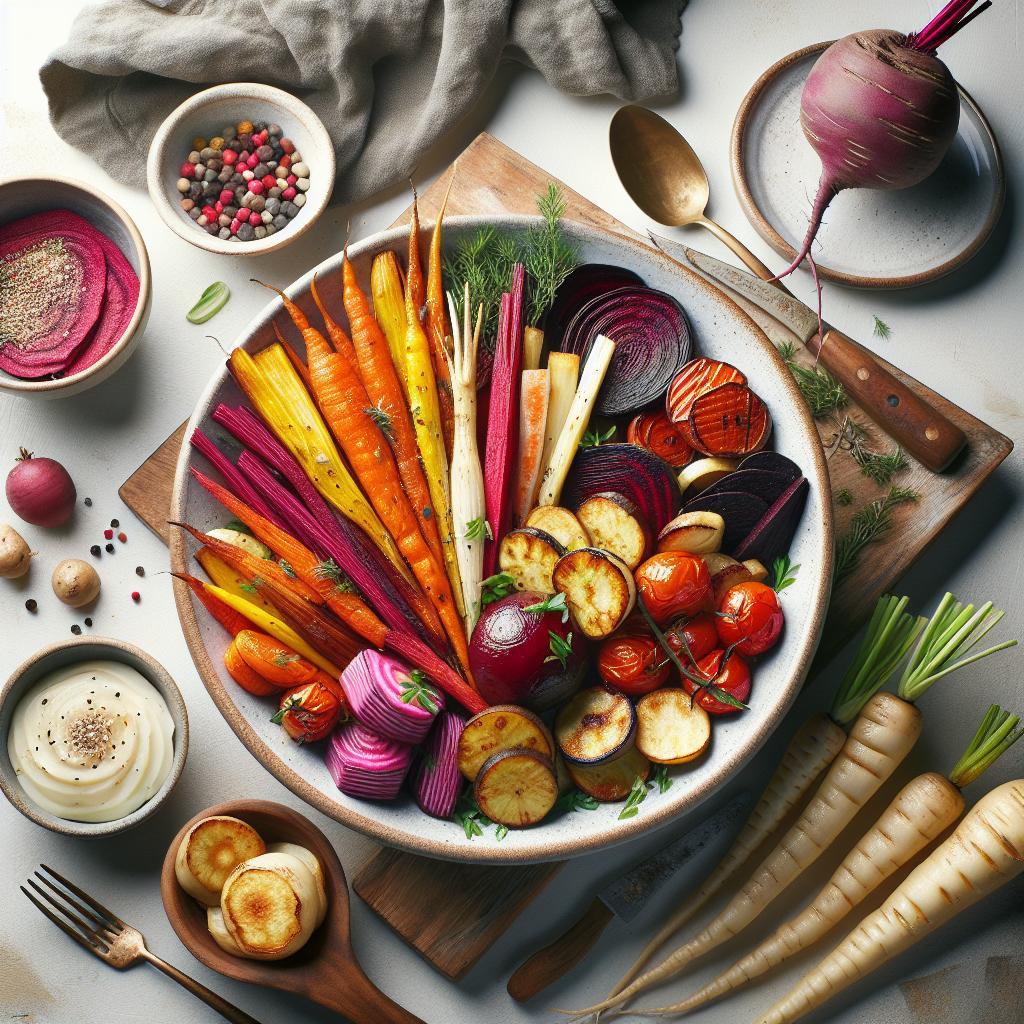
Energize Your Day with a Vibrant Roasted Root Bowl combines seasonal produce, simple technique, and balanced macronutrients to deliver a nourishing meal. Roasted roots bring concentrated natural sugars, fiber, and minerals that support steady energy and satiety throughout the day.
- Introduction
- Energizing Benefits of Root Vegetables for Lasting Vitality
- Recipe Overview
- Ingredients
- Instructions
- Tips for Success
- Serving Suggestions
- Nutrition Snapshot
- Practical Variations
- FAQ
- What exactly is a roasted root bowl?
- How do roasted roots support steady energy?
- Can I make this bowl vegan or gluten-free?
- How should I store and reheat leftovers?
- Which root should I roast first if sizes differ?
- The Way Forward
- Steady energy: complex carbs and fiber slow digestion.
- Simple prep: one sheet pan, straightforward seasoning, fast cleanup.
- Versatile: adjust grains, proteins, and toppings to suit diets.
Energizing Benefits of Root Vegetables for Lasting Vitality
Root vegetables such as sweet potatoes, beets, carrots, and parsnips provide complex carbohydrates and dietary fiber that slow glucose absorption. This effect reduces blood-sugar spikes and supports sustained energy, especially when paired with a modest amount of healthy fat and protein.
Roots also deliver key micronutrients. For example, beta‑carotene in sweet potatoes converts to vitamin A, and beets supply dietary nitrates that can support circulation during activity. For background on root categories, review the root vegetable overview.
Recipe Overview
This roasted root bowl recipe serves four and uses a high-heat roast to develop caramelization and depth of flavor. You can adapt the bowl with grains, legumes, or leafy bases to hit target macronutrients for a meal.
Use a single baking sheet and maintain an even layer to ensure proper roasting. For technical notes on dry-heat cooking methods, see roasting (cooking).
Prep and Cook Time
- Preparation: 15 minutes
- Cooking: 35 minutes
- Total Time: 50 minutes
Yield
Serves 4 generous portions.
Portion sizes work well for lunch, dinner, or meal-prep containers. Adjust grain and protein add-ins to meet calorie needs.
Difficulty Level
Easy — this recipe fits beginner to intermediate home cooks. Basic knife skills and timing control ensure even results.
Use a sharp chef’s knife to reduce prep time and to create uniform pieces that roast evenly.
Ingredients
Gather seasonal roots and standard pantry spices. Choose firm produce for roasting and avoid limp or blemished roots when possible.
When using grains, pick pre-cooked quinoa or rice to shorten assembly time. For more on quinoa as a grain choice, consult quinoa.
- 2 large sweet potatoes, peeled and diced into 1-inch cubes
- 3 medium carrots, peeled and cut into thick sticks
- 2 medium beets, peeled and cubed
- 1 large parsnip, peeled and sliced into coins
- 3 tablespoons extra virgin olive oil
- 1 teaspoon smoked paprika
- 1 teaspoon ground cumin
- ½ teaspoon ground coriander
- 1 teaspoon sea salt
- ½ teaspoon freshly ground black pepper
- 3 cloves garlic, minced
- 1 tablespoon fresh rosemary, finely chopped
- Handful of fresh parsley, chopped (for garnish)
- Juice of ½ lemon
- Optional: ½ cup cooked quinoa or wild rice
Instructions
Preheat to high heat and arrange equipment before you cut vegetables. High, dry heat concentrates sugars and yields caramelized edges rather than steamed roots.
Keep the pieces uniform: roughly 1-inch cubes or coins. Uniformity ensures the full pan finishes at the same time.
- Preheat your oven to 425°F (220°C) and line a large baking sheet with parchment or a silicone mat for easy cleanup.
- Combine all diced root vegetables in a spacious mixing bowl. Add the olive oil, smoked paprika, cumin, coriander, salt, and pepper. Toss thoroughly to coat every piece.
- Spread the vegetables evenly in a single layer on the prepared baking sheet. Avoid overcrowding to ensure even roasting and caramelization.
- Roast the roots for 30–35 minutes, flipping halfway through with a spatula. They should be tender inside and golden with crispy edges.
- In the last 5 minutes, scatter the minced garlic and chopped rosemary over the vegetables and return to the oven to let these aromatics infuse the dish.
- Remove from the oven, drizzle with fresh lemon juice, and gently toss to combine flavors.
- If using quinoa or wild rice, warm it separately and spoon it into bowls before piling on the roasted roots.
- Garnish with fresh parsley and serve immediately for a nourishing, warming meal that excites the palate.
Tips for Success
Cut pieces to a consistent size so all vegetables roast evenly; this reduces guesswork and protects texture. Use measuring spoons for spices to keep flavor balanced.
Finish the bowl with an acid—lemon or a dash of vinegar—to brighten the roasted sweetness. Acidity enhances perceived freshness and stimulates appetite.
- Use a sharp knife to cut root vegetables uniformly, ensuring even cooking throughout.
- Experiment with other seasonal roots like rutabagas or turnips for delightful variations.
- To add a subtle crunch, sprinkle toasted pumpkin seeds or chopped walnuts before serving.
- For a vegan protein boost, toss in cooked chickpeas with the roots before roasting.
- Make ahead by prepping and seasoning roots the night before, then roast freshly when ready to eat.
Allowing at least one empty pan rack beneath the sheet promotes air circulation and even browning. Monitor in the final 10 minutes to prevent over-browning of smaller pieces.
If you store leftovers, hold dressings separate to maintain texture. Reheat roasted roots gently—too-high heat can dry them out.
Serving Suggestions
This roasted root bowl works as a main or as part of a composed plate. Pair the roots with leafy greens, a whole grain, or a spoon of legume-based protein to reach a complete meal.
For contrast, add creamy elements such as tahini, yogurt, or a walnut pesto. These add healthy fats and improve nutrient absorption for fat-soluble vitamins.
Try a Mediterranean twist with olives and citrus, or a Middle Eastern profile with tahini-maple dressing and pomegranate seeds. Small finishing touches amplify both flavor and perceived value of the dish.
Nutrition Snapshot
This bowl emphasizes complex carbohydrates and fiber with modest fat content. A typical serving (as composed here) supplies steady energy and a range of micronutrients.
Example per‑serving values for the base recipe: ~280 kcal, 4 g protein, 55 g carbohydrates, and 7 g fat. Adjust values upward if you add grains, nuts, or cheese to increase calories and protein.
| Nutrient | Amount per Serving |
|---|---|
| Calories | 280 |
| Protein | 4g |
| Carbohydrates | 55g |
| Fat | 7g |

Practical Variations
Swap grains to alter texture and glycemic load: use barley, farro, or cooked brown rice to increase chew and fiber. Choose gluten-free options when necessary.
Consider seasonal herb swaps: thyme and sage pair well with fall roots, while mint and parsley freshen summer bowls. For root variety and classification, see the root vegetable page.
FAQ
What exactly is a roasted root bowl?
A roasted root bowl is a composed meal built around oven‑roasted root vegetables. The roots provide a base of textured, caramelized produce that pairs with grains, greens, proteins, and finishing sauces.
The format adapts easily to different cuisines and dietary goals by varying grains, proteins, and dressings.
How do roasted roots support steady energy?
Roots supply complex carbohydrates and fiber that slow digestion and moderate blood-glucose response. Adding a small amount of fat and protein further stabilizes energy release.
Eating roots with whole grains or legumes converts the bowl into a balanced plate with sustained satiety.
Can I make this bowl vegan or gluten-free?
Yes. Use gluten-free grains like quinoa and swap dairy with avocado or nut-based spreads. These changes preserve the bowl’s texture and nutritional balance.
For details on quinoa as a gluten-free pseudocereal, see quinoa on Wikipedia.
How should I store and reheat leftovers?
Store roasted roots, grains, and greens separately in airtight containers. Keep dressings in their own jar to preserve texture and crispness.
Reheat roots gently in a 350°F (175°C) oven for 8–10 minutes or briefly in a skillet to regain crisp edges without drying.
Which root should I roast first if sizes differ?
Dense roots like beets take slightly longer, so cut them smaller or start them first. Alternatively, roast all together but remove quicker-cooking pieces earlier to avoid overcooking.
Uniform size is the best single strategy; aim for similarly sized cubes to finish at the same time.
The Way Forward
Adopting a roasted root bowl into your rotation gives you a reliable, flexible meal that scales for batch cooking or made‑to‑order plates. Use simple technique and seasonal choices to keep the bowl exciting week to week.
Keep refining spice blends and topping choices to match your taste and nutrition goals. Small, consistent adjustments produce high long-term value for both flavor and wellbeing.
Related technical references: see the sweet potato page for beta‑carotene details and the roasting article for heat‑transfer concepts.
See also: root bowl