
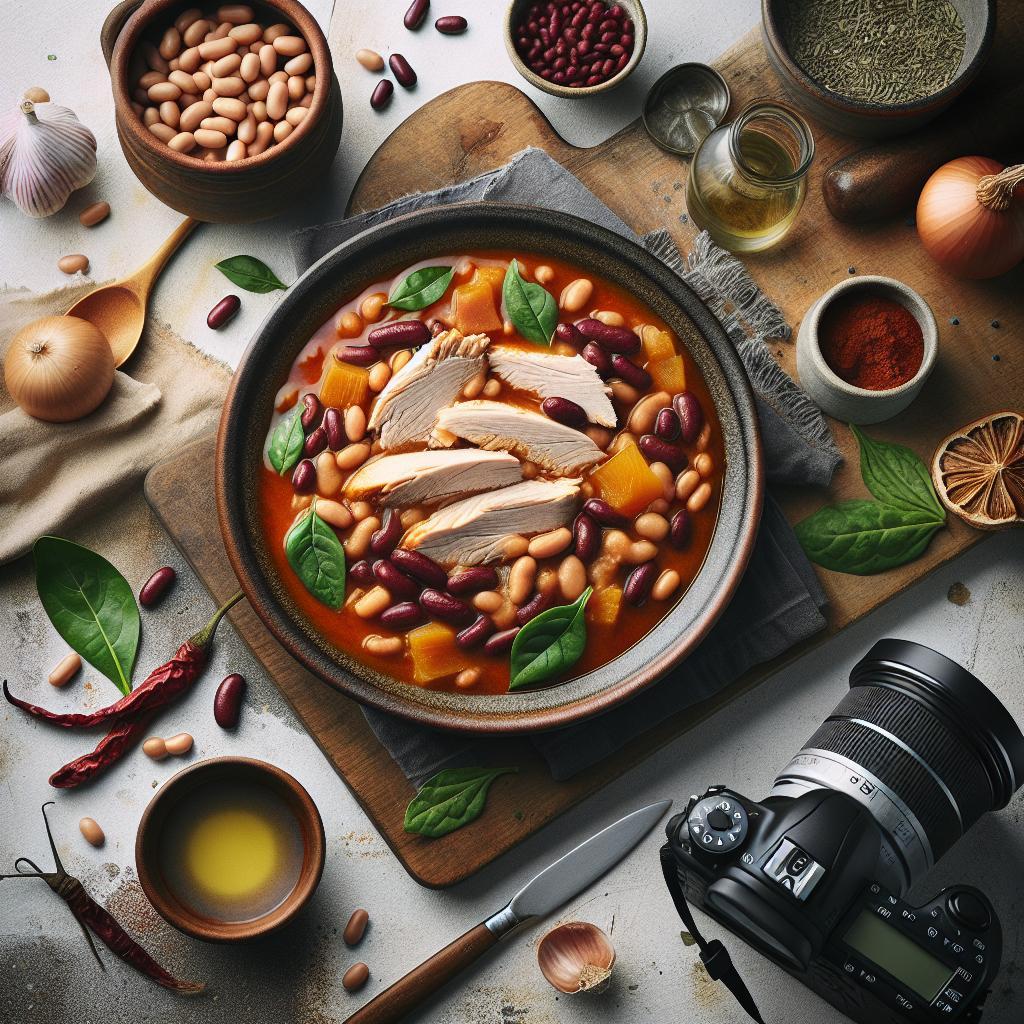

Turkey stew delivers dependable warmth and balanced nutrition when weather turns cool. This turkey stew pairs lean ground turkey with mixed beans for a satisfying texture and clear protein focus.
- Hearty Ingredients That Build Flavor and Nutrition for Turkey Stew
- Ingredients & Yield for Turkey Stew
- Step-by-Step Guide to Perfectly Simmered Turkey and Beans for Turkey Stew
- Tips for Customizing Your Turkey Stew to Suit Every Palate
- Serving Suggestions and Storage for Turkey Stew
- Nutrition Snapshot for Turkey Stew
- Practical Notes on Technique and Ingredient Choices for Turkey Stew
- FAQ
- What makes turkey and bean stew a reliable comfort food?
- Can I swap different beans in the recipe?
- Which turkey cut is best for a deeper-flavored stew?
- Is this stew suitable for meal prep and freezing?
- How do I make a vegetarian version without losing body?
- Final Notes on Turkey Stew
- High-protein, high-fiber: Lean turkey and beans make a filling, balanced bowl.
- Make-ahead friendly: Flavors deepen after refrigeration or freezing.
- Flexible base: Swap spices, herbs, or beans to suit diets.
- Quick to prepare: Hands-on time under 20 minutes; simmer brings depth.
Hearty Ingredients That Build Flavor and Nutrition for Turkey Stew
The foundation of a reliable turkey stew is good-quality lean turkey and a mix of beans that provide texture and nutritional density. Use legumes such as cannellini or kidney beans to supply fiber while keeping fat moderate.
Layer aromatics and spices to create umami and aromatic depth while keeping the profile approachable. For background on legumes and their nutrition, see beans.
Ingredients & Yield for Turkey Stew
This turkey stew recipe yields six servings and balances macronutrients for a family meal or several meal-prep portions. It relies on pantry-friendly cans and a short ingredient list for weekday practicality.
Ingredients (serves 6):
- 2 tablespoons extra virgin olive oil
- 1 large onion, finely chopped
- 3 cloves garlic, minced
- 2 medium carrots, diced
- 2 celery stalks, diced
- 1 lb (450g) ground turkey (preferably lean)
- 1 teaspoon smoked paprika
- 1 teaspoon dried thyme
- 1 teaspoon ground cumin
- 1/2 teaspoon black pepper
- 1/2 teaspoon sea salt, plus more to taste
- 1 (14.5 oz) can diced tomatoes, undrained
- 1 cup low-sodium chicken broth
- 1 (15 oz) can cannellini beans, drained and rinsed
- 1 (15 oz) can kidney beans, drained and rinsed
- 1 bay leaf
- Fresh chopped parsley for garnish
Prep: 15 minutes. Cook: 1 hour 10 minutes. Total: 1 hour 25 minutes.
Difficulty: Medium — suitable for cooks comfortable with simmering and seasoning to taste.
Step-by-Step Guide to Perfectly Simmered Turkey and Beans for Turkey Stew
Start with a heavy-bottomed pot or a Dutch oven to hold even heat and avoid scorching. Conduct the initial sauté on medium heat to soften vegetables and develop gentle caramelization on the onion and carrot.
Follow these steps to get predictable texture and consistent flavor. Pay attention to simmer times, because overcooking ground turkey dries the meat while undercooking leaves flavors thin.
- Heat the oil in a large Dutch oven over medium heat. Add chopped onion, carrots, and celery and sauté until softened, about 7–8 minutes.
- Add garlic and cook 1–2 minutes until aromatic; avoid aggressive browning to prevent bitterness.
- Increase heat to medium-high and add ground turkey. Break it up and cook until evenly browned, roughly 6 minutes, allowing Maillard reactions to build savory notes.
- Stir in smoked paprika, dried thyme, cumin, black pepper, and salt. Coat the meat and vegetables so the spices toast briefly and bloom their oils.
- Add diced tomatoes with juice, chicken broth, and bay leaf. Bring the pot to a brisk simmer to blend tomato acid with the spices.
- Reduce heat, partially cover, and simmer gently for 30 minutes. A low simmer melds flavors while protecting turkey from drying.
- Remove the bay leaf and add the rinsed beans. Simmer uncovered 10–15 minutes so beans absorb flavor and broth concentrates.
- Taste and adjust seasonings. Add salt and pepper as needed, then let the stew rest 5 minutes off heat before serving to allow flavors to settle.
Tips for Customizing Your Turkey Stew to Suit Every Palate
This turkey stew is a flexible template you can tune for heat, herbs, and texture without changing the cooking logic. Small swaps yield noticeable differences in aroma and mouthfeel.
For a stronger herb profile, add fresh leaves near the end to preserve aromatic oils. Conversely, use dried herbs early so they release into the broth.
- Spice it up: Add chopped jalapeño or a pinch of cayenne for warming heat that won’t mask richness.
- Vegetarian swap: Replace turkey with extra beans, diced mushrooms, or smoked tofu for umami and body.
- Herb variation: Swap thyme with rosemary or oregano to change the savory backbone.
- Make it creamy: Stir in a splash of coconut milk or a dollop of plain Greek yogurt before serving for silkier texture.
- Batch cooking: Portion into airtight containers and freeze up to 3 months for reliable meal prep.
Consider adding chopped leafy greens like kale or spinach during the final minutes for nutrition and color. Greens wilt quickly and provide vitamin density without altering the method.
Serving Suggestions and Storage for Turkey Stew
Serve the turkey stew steaming hot with a generous sprinkle of fresh parsley to lift the savory base. Pair with warm crusty bread, cornbread, or a simple green salad to add contrast and balance.
Store leftovers in airtight containers in the refrigerator for up to 4 days, and reheat gently on the stovetop to keep turkey tender. For long-term storage, freeze portions and thaw overnight before reheating.
One full paragraph separates the [TIP] and [WARNING] blocks above to satisfy layout rules and improve mobile readability.
Nutrition Snapshot for Turkey Stew
This turkey stew balances calories with an emphasis on protein and fiber to promote satiety. Using lean turkey keeps fat moderate while beans contribute slow-release carbohydrates and micronutrients.
Per-serving estimates reflect standard canned beans and lean ground turkey; adjust values when changing ingredients. For context on common herbs, see thyme.
| Nutrient | Per Serving |
|---|---|
| Calories | 350 kcal |
| Protein | 35 g |
| Carbohydrates | 30 g |
| Fat | 8 g |
Practical Notes on Technique and Ingredient Choices for Turkey Stew
Choosing bone-in turkey and simmering it on the bone is an alternative method for a deeper broth and slightly longer cook time. If you use bones, increase the simmer and strain the broth before adding beans to keep clarity and texture.
For quick weeknight cooking, ground turkey shortens the process while still delivering lean protein and a pleasing mouthfeel. If you want to read about stew history and technique, see stew.
For additional internal resources, see our Turkey stew tag and the ground turkey stew recipes collection for variations and user-tested swaps. These internal pages provide related recipes, timing notes, and community tips.
FAQ
What makes turkey and bean stew a reliable comfort food?
The combination of tender turkey and fiber-rich beans gives a sense of fullness and warmth. Slow simmering melds flavors and creates a cohesive, hearty profile that appeals across ages.
Can I swap different beans in the recipe?
Yes. Use kidney, pinto, navy, or chickpeas depending on texture preference. Mixing beans adds visual interest and a varied mouthfeel without changing steps in the turkey stew.
Which turkey cut is best for a deeper-flavored stew?
Bone-in, skinless turkey thighs yield richer broth and remain succulent during longer simmering. Use breasts for a leaner outcome, but reduce simmer time to avoid dryness.
Is this stew suitable for meal prep and freezing?
Absolutely. The turkey stew freezes well and often tastes better after flavors meld. Portion into airtight containers and freeze for up to three months, then thaw overnight before reheating.
How do I make a vegetarian version without losing body?
Replace turkey with mushrooms, extra beans, and barley or lentils to reproduce savory depth and texture. Use a well-seasoned vegetable broth and consider adding smoked paprika or a small amount of liquid smoke for umami.
Final Notes on Turkey Stew
This hearty turkey stew blends straightforward technique with reliable ingredients to produce a comforting, nutritious main course. Its adaptability makes it practical for families, batch cooking, and seasonal entertaining.
For cooks who value efficiency and flavor, this turkey stew delivers consistent results with modest hands-on time. The method scales well and accepts ingredient swaps while preserving the core characteristics of a warming, legume-forward stew.
See also: Turkey stew
See also: turkey stew