
The word fond describes the concentrated, flavorful browned bits that cling to the bottom of a pan after searing proteins or roasting vegetables. Professional cooks treat fond as a foundational flavor element because it unlocks rich sauces, gravies, and braises.
- Overview: What Fond Is and Why It Matters
- How Fond Forms
- Making and Using Fond: Practical Technique
- Ingredients and Equipment That Improve Fond
- Extending Fond into Stocks and Sauces
- Tips for Success
- Vegetarian and Low-Fat Alternatives
- Serving Suggestions and Pairings
- Related Reading and Internal Resources
- Nutrition and Practical Storage
- FAQ
- Fond is the caramelized base that powers pan sauces and stocks.
- The Maillard reaction produces the brown compounds you taste in fond.
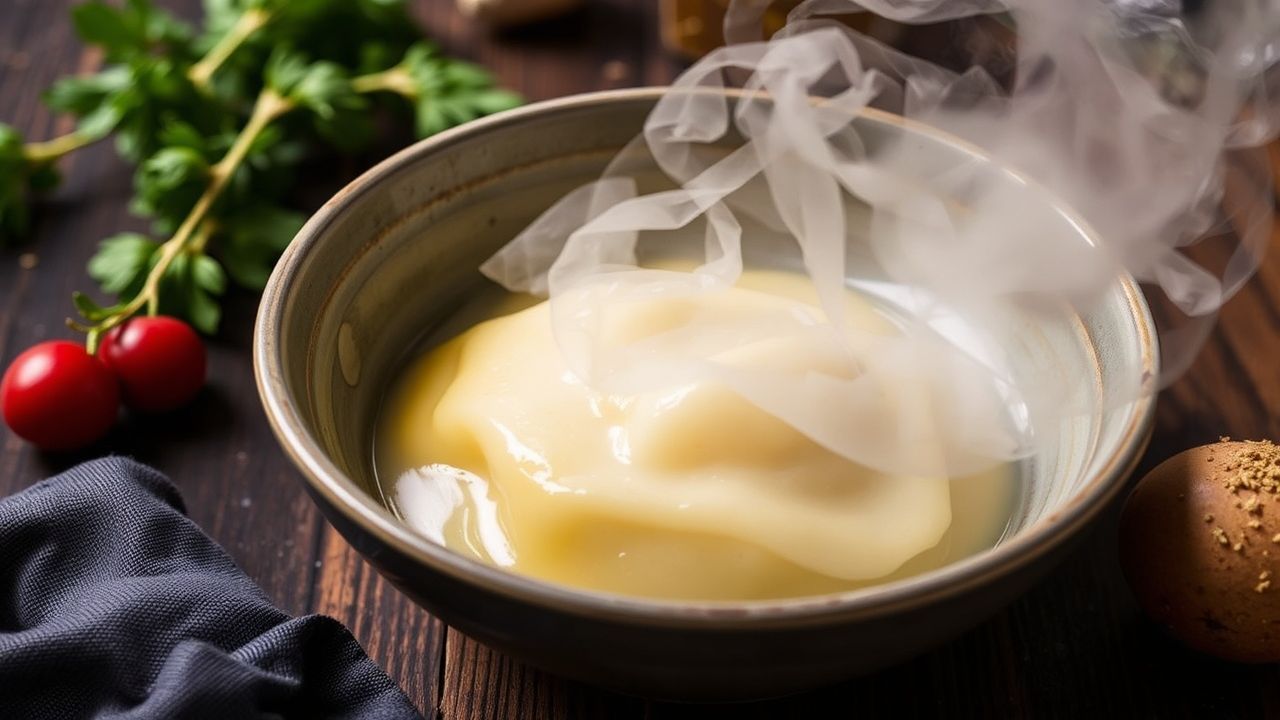
- Deglazing captures fond and turns residue into a silky sauce base.
Overview: What Fond Is and Why It Matters
Fond comes from the French word for “base” or “foundation.” It is not dirt or waste; it is highly concentrated flavor formed by caramelized sugars and proteins on hot metal or enamel surfaces.
When you scrape and dissolve fond into a liquid, you convert those brown compounds into savory, balanced sauces and stock bases. This is an essential skill for consistent, layered flavor.
How Fond Forms
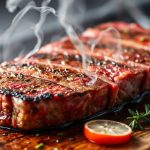
Fond forms when foods cook at medium-high to high heat and develop a brown crust. That crust contains hundreds of volatile compounds, amino acid derivatives, and caramelized sugars that deliver umami and aromatic complexity.
The dominant chemistry behind fond is the Maillard reaction, a set of reactions between amino acids and reducing sugars that yields color and flavor. Understanding this helps you control temperature and timing to create good fond rather than burned residue.
Chemical Basis and Flavor Components
The Maillard reaction produces melanoidins, pyrazines, and other aroma compounds that contribute roasted, nutty, and meaty notes. These compounds increase rapidly with heat and drop off if burning occurs.
Fond also concentrates umami — savory taste molecules such as glutamates — which is why fond-rich sauces taste so satisfying.
Making and Using Fond: Practical Technique
Begin with a dry, heavy-bottomed pan. Heat oil or clarified butter until it shimmers, then add protein or vegetables without overcrowding. Let surfaces brown undisturbed to build a concentrated crust.
After browning, remove the food and deglaze the pan with a small amount of liquid. Scrape the pan to dissolve the fond into the liquid, then reduce or incorporate it into a sauce or stock.
Stepwise Method for a Classic Pan Sauce
Sear protein until a dark brown crust forms, then transfer the protein to rest. Add aromatics like shallot or garlic and sweat briefly to lift additional flavor before deglazing.
Deglaze with wine, vinegar, or fortified broth; scrape until the fond dissolves. Add stock or cream, reduce to taste, and finish with butter or herbs for sheen and balance.
Ingredients and Equipment That Improve Fond
Use a heavy skillet, stainless-steel or cast-iron, which both encourage fond formation by holding even heat. Nonstick pans prevent fond from sticking and are less useful when the goal is concentrated fond.
Choose fats that tolerate your searing temperature: neutral oil for high-heat sears, clarified butter for medium-high heat, or a combination for flavor and smoke-point control. Fresh vegetables, mushrooms, and bones add layers when building stocks.
Extending Fond into Stocks and Sauces
To make a more substantial liquid, start by deglazing with wine or a small amount of stock, then add larger volumes of water or stock to extract additional flavor. Simmer gently to reduce and concentrate.
For foundational use in soups and sauces, combine fond with a proper simmered liquid such as a brown or vegetable stock. Strain and reduce to the desired intensity, then season carefully.
Tips for Success
Always avoid overcrowding the pan; too much food drops the surface temperature and causes steaming instead of browning. Work in batches for even, reliable fond development.
Manage heat: aim for a steady medium-high, not full blast. If pieces begin to blacken and smoke heavily, lower the heat and remove burning fragments to prevent bitterness.
Finish sauces by mounting with cold butter or a splash of cream to give gloss and tame acidity. Taste at each stage: fond concentrates quickly, so adjust seasoning after reduction.
Vegetarian and Low-Fat Alternatives
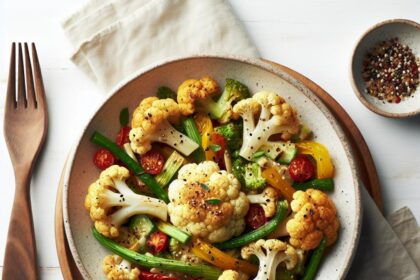
Vegetarian fond relies on caramelized mushrooms, roasted root vegetables, and concentrated tomato paste. These ingredients produce Maillard-style browning and rich savory flavor without animal protein.
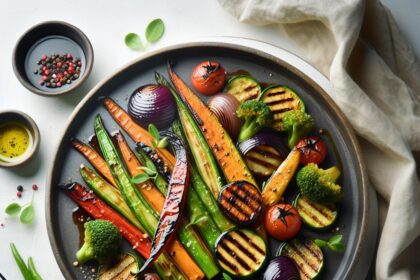
Roast vegetables at high heat to create deep browning, then deglaze and combine with reduced vegetable stock. Mushrooms, particularly cremini and shiitake, contribute concentrated glutamates similar to meat-based fond.
Serving Suggestions and Pairings
Use fond-based pan sauces over roasted meats, seared fish, or pan-sautéed vegetables to add immediate depth. A classic pairing method is to finish with chopped fresh herbs such as parsley or chives to add brightness.
For soups and risottos, replace part of the liquid with fond-infused stock to lift an otherwise flat profile. You can also use fond to deepen a jus, gravy, or compound butter.
Related Reading and Internal Resources
For techniques that expand on using bases and building layers of flavor, read our guide on Building Flavors with Classic Bases. That piece explains how fond integrates with other foundational elements.
If you want focused recipes for pan sauces, see our step-by-step collection at Pan Sauces: Basics and Variations. These pages include recipe templates you can apply to any seared protein.
Nutrition and Practical Storage
Fond itself contributes negligible calories when used as a flavoring. Nutritional impact depends on the liquids and fats used to transform fond into a sauce.
Store strained fond-infused stock in airtight containers for up to three days in the refrigerator, or freeze in portions for up to one month. Label containers with date and base ingredients for safe reuse.
FAQ
What is fond in plain terms?
Fond is the browned residue left in a pan after searing. You dissolve it into liquid to create a flavorful base for sauces and gravies.
How is fond different from stock or broth?
Fond is concentrated, pan-bound flavor created by browning. Stock is a simmered liquid produced by extracting collagen and flavor from bones or vegetables over time. Fond usually precedes and enhances stock-based sauces.
Can I make fond with vegetables?
Yes. Use mushrooms, onions, and root vegetables and roast or sear them until deeply caramelized. Deglaze as with meat-based fond to capture the flavor.
What liquids work best for deglazing?
Wine, vermouth, and vinegars add acidity and aromatic lift; stocks add body. Choose the deglazing liquid to complement the protein and final sauce profile.
How do I avoid bitter or burnt fond?
Control heat, avoid charring, and remove any blackened bits before deglazing. If a pan tastes bitter after scraping, discard the fond and begin again to avoid off-flavors.
For technical background on browning and practical sauce construction, consult authoritative culinary references and resources on Maillard reaction and sauce science.
Final note: Treat fond as a deliberate tool rather than an accidental byproduct. With consistent heat management, proper deglazing, and balanced finishing, fond will elevate everyday cooking into reliably deeper, more complex flavors.
See also: fond