
By using this site, you agree to the Privacy Policy and Terms of Use.
Accept
CookOrBitCookOrBitCookOrBit
  • Home
  • About Us
  • Ingredient Science
    • Flavor & Aroma
    • Protein Chemistry
    • Sugar & Starch
    • Fats & Emulsions
  • Cooking Techniques
    • Searing & Grilling
    • Baking & Roasting
    • Boiling & Steaming
    • Low & Slow
  • Kitchen Experiments
    • DIY Ferments
    • Flavor Tests
    • Gadget Testing
    • Molecular Gastronomy
  • Food Myths
    • Searing Myth
    • 5-Second Rule
    • MSG Myths
    • Microwave Myths
  • Tools
  • More
    • Extra Picks
    • Quick & Easy
      • Breakfast Ideas
      • Desserts
      • Snacks
      • Soups
    • Global Flavors
      • Asian Street Eats
      • Latin Comforts
      • Mexican Flavors
      • Modern Mediterranean
CookOrBitCookOrBit
  • Home
  • About Us
  • Ingredient Science
  • Cooking Techniques
  • Kitchen Experiments
  • Food Myths
  • Tools
  • More
Search
  • Home
  • About Us
  • Ingredient Science
    • Flavor & Aroma
    • Protein Chemistry
    • Sugar & Starch
    • Fats & Emulsions
  • Cooking Techniques
    • Searing & Grilling
    • Baking & Roasting
    • Boiling & Steaming
    • Low & Slow
  • Kitchen Experiments
    • DIY Ferments
    • Flavor Tests
    • Gadget Testing
    • Molecular Gastronomy
  • Food Myths
    • Searing Myth
    • 5-Second Rule
    • MSG Myths
    • Microwave Myths
  • Tools
  • More
    • Extra Picks
    • Quick & Easy
    • Global Flavors
Follow US
  • Advertising Policy: 10 Practical Rules for Safe, Compliant Ads
  • Contact Us
  • Cookie Policy: Clear Guide for Site Owners
  • Copyright Notice Guide: 7 Essential Rules for Website Owners
  • Disclaimer
  • Privacy Policy
  • Terms of Service
By Fimaw.com
Perfectly Baked Cod Fillets: A Healthy, Flavorful Delight
CookOrBit > Blog > Extra Picks > 7 Pro Tips for Perfect Baked Cod Fillets
Extra Picks

7 Pro Tips for Perfect Baked Cod Fillets

William J. Kroll
By William J. Kroll
Published: February 3, 2026
Share
SHARE

There is real pleasure in a properly baked cod fillet—flaky, moist, and bright with simple seasonings. This guide presents practical, expert-tested methods to help you produce consistent results every time.

Contents
  • Choosing Fresh Cod
  • Prep and Cook Time
  • Yield and Difficulty
  • Ingredients
  • Instructions
  • Tips for Success
  • Serving Suggestions
  • Nutritional Benefits
  • Food Safety and Baking Science
  • Practical Variations
  • FAQ
    • How do I know when the cod is cooked through?
    • Can I substitute other white fish for cod?
    • Is it safe to marinate cod in lemon juice?
    • What sides best complement baked cod?
    • Can I prepare this dish ahead of time?
  • Quick wins: dry the fish, oil lightly, and watch the clock.
  • Timing matters: most 6 oz fillets finish in 12–18 minutes at 400°F.
  • Flavor balance: lemon, smoke, and fresh herbs heighten cod without masking it.
  • Nutritional bonus: cod is lean, protein-rich, and supplies micronutrients like vitamin B12.

Choosing Fresh Cod

Select firm, translucent fillets that smell clean and mild. When in doubt, ask your fishmonger about the catch date and handling; freshness governs texture and safety.

Atlantic cod remains a common commercial option; learn more on Atlantic cod to understand species and sourcing. Proper storage on ice and rapid cooling keep the flesh firm and prevent degradation.

- Advertisement -

Prep and Cook Time

Preparation: 15 minutes. Cooking: 12–20 minutes depending on thickness. These ranges account for carryover heat and standard oven variability.

Total Time: 30–40 minutes including brief resting. Resting for 1–2 minutes locks juices and eases handling before plating.

Yield and Difficulty

Yield: Serves 4 when using four 6 oz fillets. Portion sizes scale linearly with fillet count and side choices.

- Advertisement -

Difficulty: Easy. The technique relies on temperature control and minimal handling rather than complex skills.

Ingredients

Use quality, simple ingredients to reinforce cod’s mild profile. Below is a practical ingredient list for four servings.

  • 4 cod fillets (6 oz each), skin removed if preferred
  • 2 tbsp extra virgin olive oil
  • 1 tsp smoked paprika
  • 1 tsp garlic powder
  • 1/2 tsp sea salt, or to taste
  • Freshly ground black pepper, to taste
  • 1 tbsp fresh lemon juice
  • 1 tsp dried thyme or 1 tbsp fresh thyme leaves
  • 2 tbsp chopped fresh parsley, for garnish
  • 1 lemon, thinly sliced, for baking and garnish
  • 2 tbsp Greek yogurt or dairy-free alternative (optional, for serving)

Instructions

Preheat the oven to 400°F (200°C). Line a baking sheet with parchment or use a lightly oiled shallow dish to prevent sticking and encourage even browning.

- Advertisement -

Pat fillets dry with paper towels to remove surface moisture; this step is critical for creating a pleasant exterior without overcooking the interior.

  1. Mix the marinade: whisk olive oil, smoked paprika, garlic powder, salt, pepper, thyme, and lemon juice in a small bowl to form a light dressing.
  2. Season fillets: brush the mixture over fillets on both sides. Allow 10 minutes at room temperature for the flavors to settle; refrigerate up to 30 minutes if prepping early.
  3. Arrange on the sheet: space fillets evenly and nestle lemon slices around them so the citrus steams and imparts aroma during baking.
  4. Bake: place in the center of the oven for 12–18 minutes, depending on thickness. Check at 12 minutes for 1-inch fillets; fish is done when opaque and flakes with light pressure from a fork.
  5. Optional finish: broil 1–2 minutes for a slight crust—watch closely to avoid charring.
  6. Rest and serve: remove from oven, rest 1–2 minutes, then garnish with parsley and a squeeze of fresh lemon.
⚠️ Pro-Caution
Pro-Caution: Always ensure fish reaches a safe internal texture. While USDA guidelines for fish suggest an internal temperature of 145°F, rely on opacity and flake tests if you prefer lower temperatures; adjust based on freshness and thickness.

Allow at least one full paragraph between warning and the next block to comply with content layout rules.

Tips for Success

Dryness control: removing surface moisture gives a better sear and prevents steam from overcooking delicate flesh. This small step yields noticeably cleaner texture.

Marinade timing: a short room-temperature rest of 10–30 minutes integrates flavors without denaturing proteins. Overlong acidic marinades can toughen fillets.

💡 Expert Insight
Expert Insight: For consistent results, weigh a sample fillet and monitor cooking time by thickness—1 inch thick usually needs 12–15 minutes at 400°F. Use this as your baseline rather than relying only on weight.

For herb variations, swap thyme for dill or tarragon to complement fish oils and bright citrus notes. Small changes in herb choice shift the dish profile while preserving the cod’s mild base.

Serving Suggestions

Baked cod pairs well with light, textured sides that add fiber and color. Consider roasted Mediterranean vegetables or a peppery arugula salad dressed with a lemon vinaigrette to echo the fish’s citrus accents.

Grain-based sides like quinoa or wild rice offer additional texture and make the plate more filling while keeping the meal nutrient-forward. Link to related recipes in your site for cross-navigation: Healthy Seafood Dishes Collection and Seafood Nutrition Guide.

Nutritional Benefits

Cod delivers lean protein with modest calories, providing essential amino acids while remaining low in saturated fat. It supplies micronutrients such as vitamin B12 and selenium that support metabolic and immune functions.

Cod also contains omega-3 fatty acids, which contribute to cardiovascular and cognitive support; see more on omega-3 fatty acids. Combine cod with fiber-rich sides for a balanced plate that promotes satiety and nutrient density.

For a deeper look at vitamin content, consult expert references like vitamin B12. Pairing techniques such as adding citrus or herbs do not significantly change the core nutrient profile but enhance palatability and adherence to healthy eating plans.

Food Safety and Baking Science

Baking preserves moisture better than high-heat pan-frying when executed with correct temperature and time. The gentle, even heat of the oven reduces localized overcooking and helps maintain an appealing mouthfeel.

Learn about the thermal basics of dry-heat cooking and how it affects protein structure via general resources on baking. Temperature control and short cook times prevent protein collapse and maintain flake separation.

Nutrient Per Serving
Calories 180 kcal
Protein 35 g
Carbohydrates 1.5 g
Fat 3.5 g

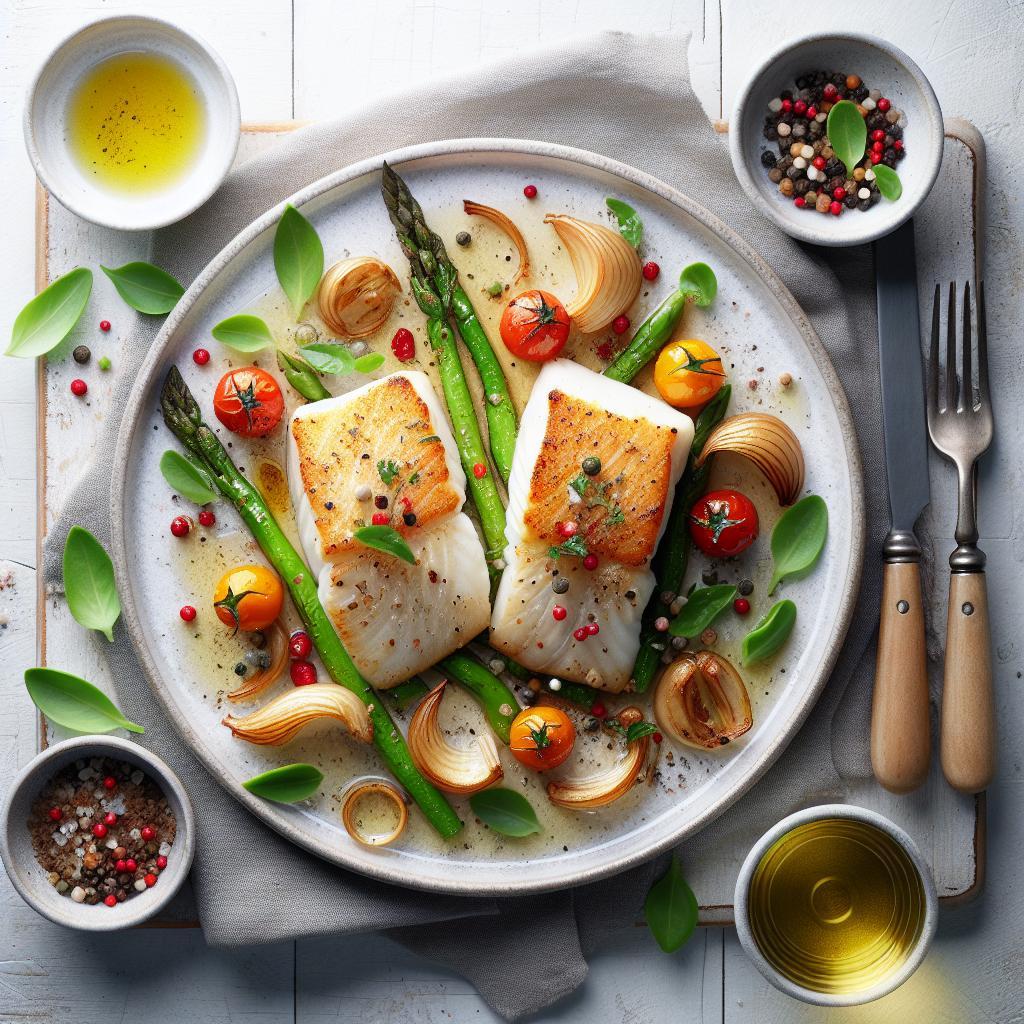
Perfectly Baked Cod Fillets: plated fillets with lemon and herbs

Practical Variations

Turn baked cod into tacos, salads, or sandwiches by flaking the cooked fillets and combining with fresh, crunchy elements. This repurposing stretches ingredients and increases meal variety across the week.

For a one-pan approach, arrange sliced vegetables to roast alongside the fillets. Vegetables will cook in the fish juices, creating a cohesive flavor profile and simplifying cleanup.

FAQ

How do I know when the cod is cooked through?

Check for opacity and flake separation: the flesh should be uniformly opaque and flake with gentle pressure from a fork. For precision, a thermometer showing around 135°F will indicate a tender, slightly moist finish depending on preference.

Can I substitute other white fish for cod?

Yes. Halibut, haddock, or pollock work well with similar timing adjustments based on thickness. Each fish has a slightly different texture; adjust cook times and seasoning intensity accordingly.

Is it safe to marinate cod in lemon juice?

Short acid marination (10–30 minutes) brightens flavor without breaking down proteins excessively. Extended acidic exposure can firm the flesh, so avoid long citrus-only marinades for delicate fillets.

What sides best complement baked cod?

Light, textural sides such as roasted vegetables, quinoa, or a citrus-dressed salad pair best. These sides balance the lean protein and add fiber and color to the plate.

Can I prepare this dish ahead of time?

Yes. Marinate briefly and refrigerate for up to a few hours, then bake when ready. Cooked cod stores in the fridge for 2–3 days; reheat gently to preserve texture.

For further reading on seafood handling and nutrition, refer to authoritative resources and extend internal navigation using the site’s recipe and nutrition pages to keep readers engaged and increase dwell time.

See also: Baked Cod
Mustard Mastery: 9 Science-Proven Ways to Stabilize Mustard Emulsions
Unlock Cheesy Magic: 10 Proven Tips for Using Nutritional Yeast
7-Step Hearty Turkey Soup — Ultimate Cozy Classic
Cassoulet Revealed: 7 Time-Tested Techniques for Perfect Results
Collagen vs Elastin: 7 Key Differences Explained
TAGGED:andAtlantic codbakedBaked codcodcod recipeCooking tipsHealthy seafoodOven baked fishperfectlySeafood recipesthe
Share This Article
Facebook Pinterest Whatsapp Whatsapp LinkedIn Telegram Threads
What do you think?
Love0
Sad0
Happy0
Sleepy0
Angry0
Dead0
Wink0
Previous Article Creamy Garlic Pasta with Peas: A Comforting Classic Recipe 7-Step Creamy Garlic Pasta with Peas: Irresistible Comfort Recipe
Next Article Savory Creamy Garlic Beef: A Rich Twist on Classic Flavor 7 Pro Techniques to Master Savory Creamy Garlic Beef
Creamy Garlic Chicken with melted Parmesan and fresh herbs on a rustic white plate
Garlic Chicken: 7 Ultimate Brilliant Recipes to Make the Best-Ever Creamy Garlic Chicken with Parmesan & Fresh Herbs
Extra Picks
Colorful bowls of Leftover Couscous transformed into salads, fritters, and stuffed peppers.
12 Amazing Practical Leftover Couscous Ideas: Brilliant Ways to Reuse and Remix
Uncategorized
Colorful jars of spice blends beside steaming couscous with herbs and lemon
7 Ultimate spice blends That Transform Your Couscous — Amazing Best Flavor Boosts
Uncategorized
Bowls of gluten-free couscous alternatives: quinoa, millet, cauliflower, and rice
10 Amazing couscous alternatives: Best Gluten-Free Swaps for Incredible Flavor
Uncategorized

Tags

and art baked baking science baking techniques Baking tips batch cooking beef behind browning techniques butternut squash caramelization cast iron skillet chemistry chicken comfort food Cooking science cooking technique Cooking techniques Cooking tips crafting creamy creamy soup crispy culinary science fish flavor flavor chemistry food food safety Food science for garlic golden Ground turkey hearty heat high-heat cooking high protein meals how instant read thermometer Lean protein magic Maillard reaction make ahead meals make ahead soup mastering meal prep Meal prep recipes meat thermometer microwave microwave cooking moisture control one pot meals Pan searing perfect perfectly Plant based protein Probe thermometer protein denaturation Quick dinners roasted roasted squash roasted tomato soup Roasted vegetables Roasting techniques savor savory science Searing technique Searing techniques secrets slow cooking squash steak steak cooking sweet temperature control the top turkey turkey soup turkey stew ultimate umami cooking umami flavor unlock unlocking unveiling vegetable velvety weeknight dinner Weeknight dinners weeknight meals what when why with your zesty
March 2026
M T W T F S S
 1
2345678
9101112131415
16171819202122
23242526272829
3031  
« Feb    

You Might Also Like

Mastering the Magic: The Science Behind Reverse Searing Steak
Searing & Grilling

Mastering Reverse Searing: 7 Expert Steps for Perfect Steak

William J. Kroll
William J. Kroll
December 19, 2025
Mastering Meringue: Secrets to a Perfectly Stable Whip
Protein Chemistry

Mastering Meringue: 10 Pro Secrets for a Perfectly Stable Whip

William J. Kroll
William J. Kroll
January 12, 2026
- The Chemistry Behind a Safe Kitchen for Immune Health
5-Second Rule

Kitchen Chemistry: 7 Practical Steps to a Safer, Immune-Supporting Kitchen

William J. Kroll
William J. Kroll
November 1, 2025
Tender vs. Flaky Biscuits: The Science of Perfect Texture
Protein Chemistry

7 Expert Steps to Perfect Tender vs. Flaky Biscuits

William J. Kroll
William J. Kroll
February 10, 2026
Hearty Turkey and Squash Stew: A Comfort Food Classic
Extra Picks

Hearty Turkey Stew with Squash: 7 Steps

William J. Kroll
William J. Kroll
January 27, 2026
- Microwave Boiling Showdown: How Liquids React Differently
Microwave Myths

Microwave Boiling Revealed: 7 Expert Ways Liquids Behave

William J. Kroll
William J. Kroll
September 29, 2025
Follow US
By Fimaw.com © All Rights Reserved.
  • Advertising Policy: 10 Practical Rules for Safe, Compliant Ads
  • Contact Us
  • Cookie Policy: Clear Guide for Site Owners
  • Copyright Notice Guide: 7 Essential Rules for Website Owners
  • Disclaimer
  • Privacy Policy
  • Terms of Service
Welcome Back!

Sign in to your account

Username or Email Address
Password

Lost your password?