

Starter Cultures: The Unsung Heroes of Food Fermentation
Beneath the tang of sauerkraut, the aroma of sourdough, and the smoothness of yogurt are live microbes doing precise biochemical work. These starter cultures direct fermentation, producing acids, enzymes, and aroma compounds that define flavor and safety.
- Prep and Cook Time
- Yield
- Difficulty Level
- Ingredients
- Instructions
- Chef’s Notes: Tips for Success
- Serving Suggestions
- Understanding the Role of Starter Cultures in Flavor and Preservation
- Practical Troubleshooting
- Resources and Next Steps
- Q&A
- What exactly are starter cultures?
- Why use starter cultures instead of wild fermentation?
- How do starter cultures affect safety?
- Can I cultivate a starter at home?
- Which tools improve reliability?
- Concluding Remarks
- Starter cultures provide predictable flavor and preservation.
- They speed fermentation and reduce risk from undesirable microbes.
- Specific strains shape texture—from creamy yogurt to crisp pickles.
Prep and Cook Time
Preparation: Expect about 15 minutes to select a starter and set up vessels. Preparation includes weighing ingredients and sanitizing tools for consistent results.
Fermentation: Typical fermentation ranges from 1 to 7 days depending on temperature and starter strength. Warmer conditions speed activity; cooler slows it.
Yield
Yield varies with recipe and ingredient density; a small batch often produces 4–6 servings. Scale proportionally while keeping salt and starter ratios consistent to preserve safety.
Commercial starters are dosed by colony-forming units (CFU) for reproducibility; home fermenters approximate by tablespoons or teaspoons of active brine. Use the same source starter to keep flavor stable across batches.
Difficulty Level
Intermediate: you need basic hygiene, temperature awareness, and sensory checks. The techniques are learnable; practice increases success and confidence.
Learning to read smell, texture, and pH will reduce errors and help you adjust fermentation time for desired tang and texture. A simple pH strip or meter speeds troubleshooting.
Ingredients
Core ingredients depend on the fermentation target. For vegetable ferments use fresh produce, non-iodized salt, and chlorine-free water to avoid inhibiting starter bacteria.
For dairy ferments choose unpasteurized or properly heated milk and a reliable dairy starter. Use measured starter amounts for consistent acidity and texture.
- 1 cup unpasteurized milk (for dairy ferments)
- 2 tablespoons active vegetable brine (as inoculant)
- 1 teaspoon dried kefir grains (optional)
- 1 tablespoon sea salt (non-iodized)
- Base ingredient such as 1 head cabbage or 2 cups diced cucumbers
- Filtered water (chlorine-free)
Instructions
Follow these steps to start a reliable vegetable ferment. Use clean glass jars and weigh salt to water ratios for reproducible lacto-fermentation.
- Prepare your base: Wash vegetables, remove damaged leaves, and slice to uniform thickness so microbes act evenly.
- Create your brine: Dissolve 1 tablespoon sea salt in 2 cups filtered water. The salt concentration helps lactic acid bacteria dominate the environment.
- Introduce starter: Add 2 tablespoons of active brine or a measured culture to speed and standardize fermentation.
- Pack and submerge: Pack vegetables tight in a sterilized jar and pour brine to fully cover; air exclusion favors lactic acid bacteria.
- Cover and ferment: Fit a cloth or fermentation lid; keep at ~20°C (68°F) out of direct sun and check daily for bubbles and aroma.
- Monitor: Press produce down to keep submerged and skim benign surface films if they form.
- Finish and refrigerate: When acidity suits your taste (often 3–7 days), refrigerate to slow fermentation and preserve flavor.
Chef’s Notes: Tips for Success
Select quality starters. Use live brines or commercial starters designed for the food type to achieve predictable outcomes. Consistent starter quality equals consistent final product.
Sanitation reduces competition. Sterilize tools and vessels to minimize unwanted organisms. Proper sanitation keeps the starter culture in control of the process.
Temperature control matters. Maintain 65–72°F (18–22°C) for stable activity; warmer speeds acids but may reduce crispness. Track ambient temperature and adjust fermentation time accordingly.
Experiment methodically. Change one variable at a time—salt, temperature, or starter dose—to learn how each affects flavor and texture. Record each batch for repeatability.
Many home fermenters maintain a small ‘mother’ batch to seed new jars; this preserves a favored microbial profile. Store starter material cold to slow activity between uses.
Serving Suggestions
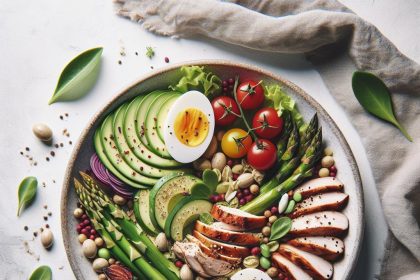
Serve ferments as condiments, side dishes, or components in composed plates. Acidic ferments cut through rich or fatty foods and balance texture on the plate.
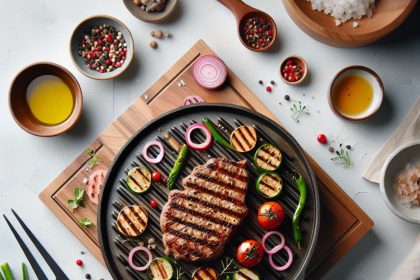
Pair fermented vegetables with cheeses or grilled proteins; use fermented brine in vinaigrettes to add depth. Small amounts of ferment dramatically increase perceived flavor in recipes.
Understanding the Role of Starter Cultures in Flavor and Preservation
Starter cultures consist mostly of lactic acid bacteria and selected yeasts that metabolize sugars into organic acids, alcohols, and aromatic molecules. This biochemical activity creates the tang and aroma we associate with fermented foods.
Acid production lowers pH and, together with anaerobic conditions, suppresses spoilage and pathogenic organisms. That preservation mechanism explains why fermentation was historically used to store food safely.
Different strains produce distinct metabolites: some increase umami, others yield lactic acid for brightness or extracellular polysaccharides for creaminess. Selecting a strain set allows producers to tune texture and flavor precisely.
For technical context see fermentation and read about key microbes at lactic acid bacteria. For product examples consult topics such as sourdough and yogurt.
Practical Troubleshooting
If fermentation stalls, check temperature, salt concentration, and starter viability. Low activity often results from cold conditions or inactive inoculum.
Cloudy brine or a thin white pellicle (kahm yeast) can be benign; remove the film and monitor pH. Discard and sanitize if you find foul odors or colored molds.
Resources and Next Steps
To build a routine, keep a log of time, temperature, and starter source for each batch. Over a few cycles you will develop predictable timing and flavor targets.
Explore our detailed recipes and step-by-step guides for specific ferments at Ultimate Guide to Homemade Fermented Veggies and review starter fundamentals at Starter Cultures Basics for deeper technique notes.

| Nutrient | Per Serving |
|---|---|
| Calories | 45 kcal |
| Protein | 2 g |
| Carbohydrates | 6 g |
| Fat | 0.2 g |
Q&A
What exactly are starter cultures?
Starter cultures are selected microorganisms—bacteria, yeasts, or molds—used to initiate and guide fermentation. They deliver consistent biochemical pathways that define a product’s flavor, acidity, and texture.
Why use starter cultures instead of wild fermentation?
Starters give reproducibility and speed. Wild fermentations can produce complex results but vary with environment; starters standardize outcome and lower contamination risk.
How do starter cultures affect safety?
They produce acids and antimicrobial metabolites that create hostile conditions for pathogens. When properly used, starters are a primary factor in the safety of fermented foods.
Can I cultivate a starter at home?
Yes. Many home fermenters maintain ‘mother’ brines or sourdough discs to inoculate new batches. Preserve a small, active starter in the fridge for repeated use.
Which tools improve reliability?
Use clean glass jars, a reliable salt scale, and a pH meter or strips. Temperature control and written batch logs are the simplest steps that improve repeatability.
Concluding Remarks
Starter cultures are practical tools that give both home cooks and producers control over flavor, texture, and safety. By understanding strain behavior and process variables, anyone can create consistent, delicious ferments.
Respect the microbiology, monitor pH and temperature, and keep clear records. These habits turn trial-and-error into a repeatable craft that yields better food and less waste.
See also: starter cultures