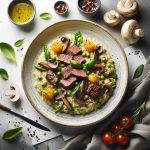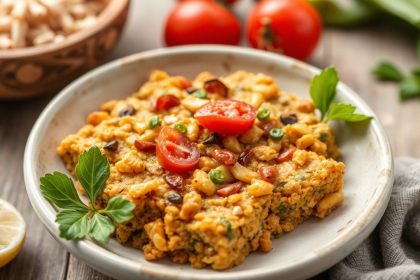

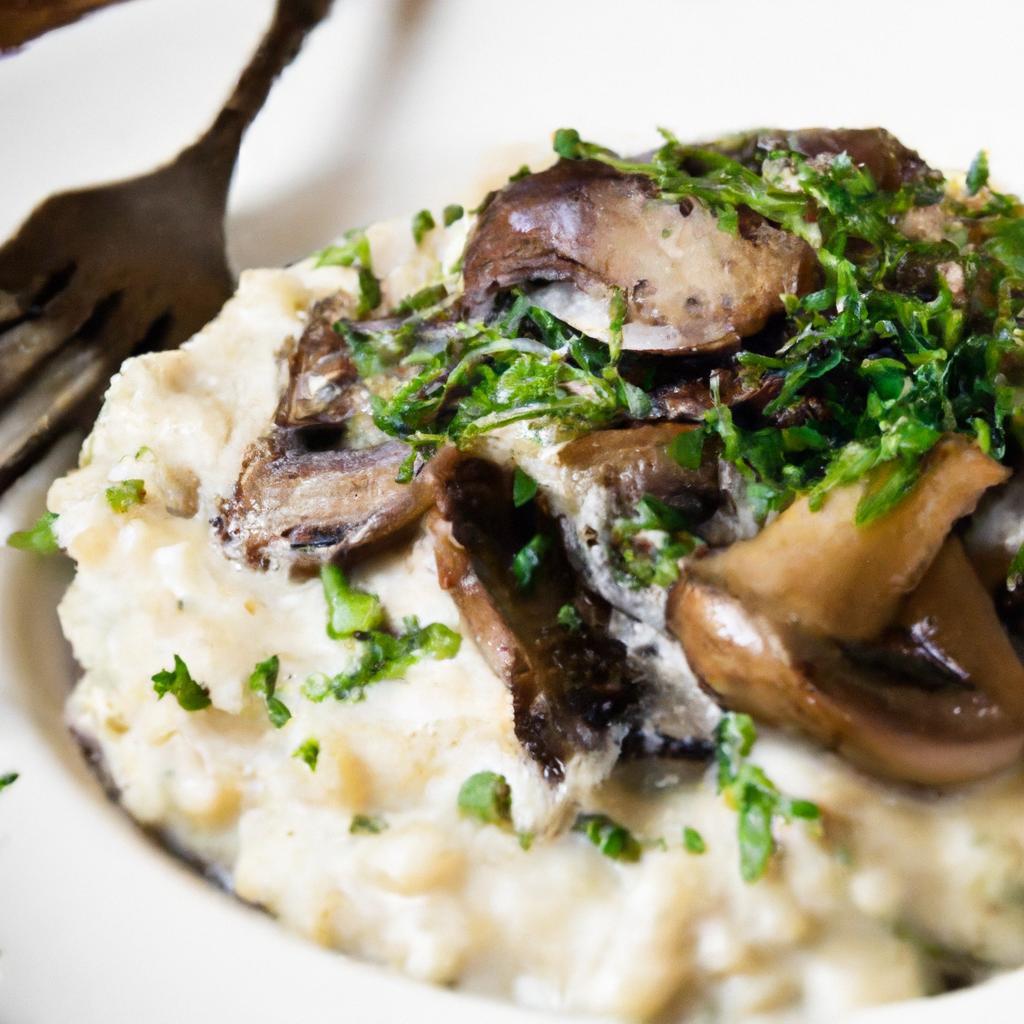

There is a distinct pleasure in serving a bowl of perfectly creamy mushroom risotto that balances earthy mushroom flavor with a silky, al dente rice texture. This guide presents ten professional, actionable secrets that work together to produce consistent results at home or in a small kitchen.
- Mushroom Risotto: Selecting Ideal Mushrooms for Deep Flavor
- Mushroom Risotto: Achieving the Silky Creamy Texture
- Mushroom Risotto: Choosing the Right Rice and Broth for Absorption
- Mushroom Risotto: Stirring Techniques and Timing for Perfect Consistency
- Mushroom Risotto: Recipe and Practical Details
- Mushroom Risotto: Tips for Success
- Mushroom Risotto: Serving Suggestions
- Mushroom Risotto Nutrition per Serving
- FAQ: Mushroom Risotto Questions
- Controlled temperature and warm broth keep starch extraction steady for gloss and flow.
- Choose meaty mushrooms to add concentrated umami without watering down the pan.
- Use the right rice (short-grain varieties) and add broth in measured ladles for even absorption.
- Finish off heat with cold butter and Parmigiano-Reggiano for a true emulsion and sheen.
Mushroom Risotto: Selecting Ideal Mushrooms for Deep Flavor
Pick mushrooms that deliver concentrated flavor and low internal water. Cremini and shiitake provide meaty texture, while rehydrated dried porcini concentrate savory notes that persist after cooking.
Firm caps brown better than soft ones; browning builds Maillard flavor that complements the rice. For an overview of mushroom biology and culinary use, consult mushroom varieties and uses.
Which mushroom varieties to prefer
Cremini (baby bella) and shiitake add texture and savory depth without excess moisture. Dried porcini contribute an intense, almost smoky base when rehydrated and their soaking liquid is a concentrated stock booster.
Avoid very watery fungi such as enoki or young button mushrooms if your goal is concentrated mushroom flavor. Pat sautéed mushrooms dry before folding them into the rice to prevent dilution.
Mushroom Risotto: Achieving the Silky Creamy Texture
Creaminess in risotto comes from released rice starch rather than added cream. Toasting the rice briefly and then adding warm broth in controlled ladles encourages even starch release and a glossy finished sauce.
Finish off the heat with cold butter and finely grated Parmigiano-Reggiano to emulsify the pan juices and produce a silky mouthfeel. For background on the cheese, see Parmigiano-Reggiano production and profile.
Temperature and finishing techniques
Keep the broth at a steady gentle simmer so each ladle raises the pan temperature just enough to coax starch. Cold liquid and abrupt temperature drops interrupt starch extraction and yield uneven texture.
Remove the pan from the heat before adding cheese and the last knob of cold butter, then stir briskly off heat to form an emulsion. That motion and temperature balance give classic risotto its sheen and flow.
Mushroom Risotto: Choosing the Right Rice and Broth for Absorption
Select rice bred for risotto. Arborio releases starch readily and creates cream, while Carnaroli retains shape under longer stirring, so chefs prefer it for more forgiving timing.
Use a mushroom-infused vegetable stock, or a clear homemade stock, to complement the sautéed mushrooms without masking them. Keep the stock warm so it does not chill the rice during additions. See details on rice varieties at Arborio rice and Carnaroli rice.
Broth choice and preparation
Make or choose a stock with restrained seasoning and a clear mushroom presence. Strongly flavored or overly salted broths will dominate the delicate balance between mushroom and cheese.
Keep the broth on a low flame and measure ladles so each addition absorbs before adding more. A steady rhythm produces a saucy, flowing mushroom risotto rather than a watery or gluey result.
Mushroom Risotto: Stirring Techniques and Timing for Perfect Consistency
Stirring moderates the release of starch and the development of a creamy sheath around each grain. Begin with energetic stirring to coat and toast the grains, then switch to regular, steady strokes as broth is added.
Add the next ladle when the rice nearly absorbs the previous portion. That cadence keeps moisture consistent and allows the grains to swell evenly into a balanced texture.
When to reduce stirring and why
As the rice reaches al dente, reduce stirring and finish off heat. Overworking the grains in the final minutes can shear starches and create a sticky, gluey mouthfeel rather than silk.
Trust the grain: aim for tender with a slight center bite. Resting the risotto off heat for two minutes lets the carryover heat equalize and the texture to settle into a cohesive sauce around the rice.
Mushroom Risotto: Recipe and Practical Details
This recipe yields a restaurant-style mushroom risotto for four and balances timing with repetition to deliver consistent outcomes. Read the full method before you begin to synchronize mise en place and pan workflow.
All steps below follow tested professional technique. Adjust single components only after you master the base method and the timing that works with your stove and pan size.
Prep and Cook Time
- Preparation: 15 minutes
- Cooking: 35 minutes
- Total: 50 minutes
Yield and Difficulty
Yield: Serves 4 generously.
Difficulty: Medium — attention to timing and stirring required, but the steps are straightforward and repeatable.
Ingredients
- 1 ½ cups Arborio rice
- 4 cups warm mushroom or vegetable broth
- 1 cup mixed mushrooms (cremini, shiitake, dried porcini rehydrated), sliced
- 1 small onion, finely chopped
- 3 cloves garlic, minced
- 3 tablespoons unsalted butter
- 2 tablespoons olive oil
- ½ cup freshly grated Parmigiano-Reggiano
- Salt and freshly ground black pepper, to taste
- Fresh parsley, chopped, for garnish
Instructions
- Prepare broth and porcini: Warm the broth gently. Rehydrate dried porcini in a small portion of the warm broth for ten minutes, then reserve the strained soaking liquid to boost flavor.
- Sauté mushrooms: Heat 1 tablespoon olive oil and 1 tablespoon butter over medium. Add mushrooms with a pinch of salt and sauté until golden and the moisture evaporates, about six minutes. Set aside.
- Sauté aromatics: In a large pan, heat the remaining oil and butter. Cook the onion and garlic gently until translucent, about five minutes, being careful not to brown the garlic.
- Toast the rice: Add rice to the aromatics and stir for two minutes until the grain edges look translucent and the rice smells nutty.
- Add broth gradually: Add a ladle of warm broth and stir until nearly absorbed. Continue ladling broth one portion at a time while stirring frequently and maintaining a gentle simmer.
- Fold in mushrooms: When the rice is roughly halfway cooked, fold the sautéed mushrooms into the pan and continue adding broth until the rice is al dente and the sauce flows.
- Finish: Remove from heat. Stir in Parmigiano-Reggiano and adjust seasoning. Emulsify with a small knob of cold butter if you want extra silk and shine.
- Rest and serve: Rest two minutes, garnish with parsley, and serve immediately in warmed shallow bowls.
See a practical mushroom risotto recipe for a printable format and shopping checklist. For technique variations, consult our risotto stirring and timing guide.
Mushroom Risotto: Tips for Success
Use warm broth to maintain a steady pan temperature and to support continuous starch extraction. Monitor each ladle by texture rather than strict timing and adjust as the rice cooks.
For a dairy-free version, replace the butter with extra olive oil and use a fermented nutritional yeast or a plant-based cheese. Reheat leftovers gently with a splash of warm broth to revive creaminess.
Mushroom Risotto: Serving Suggestions
Serve risotto in warmed, shallow bowls so the sauce remains flowing and accessible. Bright garnishes such as chopped parsley or chives cut through the richness and provide contrast.
Finish with a few shavings of aged cheese or a light drizzle of high-quality olive oil for gloss. Pair with a crisp green salad or a simple roasted vegetable side to balance the plate.
Mushroom Risotto Nutrition per Serving
Per serving, this classic mushroom risotto provides a balanced carbohydrate base, a modest amount of protein, and fat from butter and cheese. The calories and macronutrient profile vary with ingredient swaps such as vegan butter replacements.
Estimated per serving values: ~370 kcal, 11 g protein, 55 g carbohydrates, and 9 g fat. Adjust portions to match dietary needs and use whole-grain rice alternatives cautiously as they change cooking time significantly.

For general technique background on risotto, see risotto fundamentals. For additional context on rice varieties and their properties, review Arborio rice. For mushroom categories and nutrition, consult mushroom nutrition.
FAQ: Mushroom Risotto Questions
What rice should I use for the creamiest result?
Use short-grain varieties crafted for risotto such as Arborio or Carnaroli. Arborio gives reliable cream while Carnaroli holds its shape better under longer stirring, which many cooks prefer.
Choose based on your tolerance for timing: Carnaroli tolerates extended stirring; Arborio reaches creaminess faster but can lose structure if overworked.
Do I need white wine in the recipe?
White wine adds acidity and aromatic lift, but it is not mandatory. You can substitute a splash of lemon juice or a little extra warm broth to keep non-alcohol versions balanced.
If using wine, add it after toasting the rice and let it reduce almost completely before the first ladle of broth so the alcohol cooks off and the flavor concentrates.
Can I make mushroom risotto vegan and still keep it creamy?
Yes. Replace butter with extra virgin olive oil and use nutritional yeast or a vegan parmesan alternative to mimic the savory, nutty finish. Robust mushroom selection and patient stirring still produce a creamy result.
Also finish off heat with a swirl of high-quality olive oil to add mouth-coating fat and sheen if you avoid dairy.
How do I fix risotto that is too thick or too loose?
If it is too thick, stir in warm broth a little at a time off heat until it flows. If it is too loose, simmer gently while stirring to reduce excess liquid until the grains concentrate and the sauce clings to the rice.
Adjust seasoning only after the texture is corrected, since salt levels concentrate as the sauce reduces.
Is it OK to prepare risotto ahead of time?
Risotto is best served fresh. You can undercook it slightly, chill, and reheat with warm broth; however, you will lose some of the immediate creaminess present in freshly finished risotto.
For make-ahead service, reheat gently with broth and finish off heat with butter and grated cheese to revive emulsion and shine.
Mastering mushroom risotto requires focused technique: the right rice, warm broth, steady stirring, and a careful finish. Follow these ten professional secrets and practice the rhythm; your mushroom risotto will gain consistent creaminess and depth.
See also: mushroom risotto