
By using this site, you agree to the Privacy Policy and Terms of Use.
Accept
CookOrBitCookOrBitCookOrBit
  • Home
  • About Us
  • Ingredient Science
    • Flavor & Aroma
    • Protein Chemistry
    • Sugar & Starch
    • Fats & Emulsions
  • Cooking Techniques
    • Searing & Grilling
    • Baking & Roasting
    • Boiling & Steaming
    • Low & Slow
  • Kitchen Experiments
    • DIY Ferments
    • Flavor Tests
    • Gadget Testing
    • Molecular Gastronomy
  • Food Myths
    • Searing Myth
    • 5-Second Rule
    • MSG Myths
    • Microwave Myths
  • Tools
  • More
    • Extra Picks
    • Quick & Easy
      • Breakfast Ideas
      • Desserts
      • Snacks
      • Soups
    • Global Flavors
      • Asian Street Eats
      • Latin Comforts
      • Mexican Flavors
      • Modern Mediterranean
CookOrBitCookOrBit
  • Home
  • About Us
  • Ingredient Science
  • Cooking Techniques
  • Kitchen Experiments
  • Food Myths
  • Tools
  • More
Search
  • Home
  • About Us
  • Ingredient Science
    • Flavor & Aroma
    • Protein Chemistry
    • Sugar & Starch
    • Fats & Emulsions
  • Cooking Techniques
    • Searing & Grilling
    • Baking & Roasting
    • Boiling & Steaming
    • Low & Slow
  • Kitchen Experiments
    • DIY Ferments
    • Flavor Tests
    • Gadget Testing
    • Molecular Gastronomy
  • Food Myths
    • Searing Myth
    • 5-Second Rule
    • MSG Myths
    • Microwave Myths
  • Tools
  • More
    • Extra Picks
    • Quick & Easy
    • Global Flavors
Follow US
  • Advertising Policy: 10 Practical Rules for Safe, Compliant Ads
  • Contact Us
  • Cookie Policy: Clear Guide for Site Owners
  • Copyright Notice Guide: 7 Essential Rules for Website Owners
  • Disclaimer
  • Privacy Policy
  • Terms of Service
By Fimaw.com
- Unlocking Flavor: How Marinating Time Transforms Taste
CookOrBit > Blog > Kitchen Experiments > Flavor Tests > Unlocking Flavor: 7 Proven Ways Marinating Time Transforms Taste
Flavor Tests

Unlocking Flavor: 7 Proven Ways Marinating Time Transforms Taste

William J. Kroll
By William J. Kroll
Published: November 10, 2025
Share
SHARE

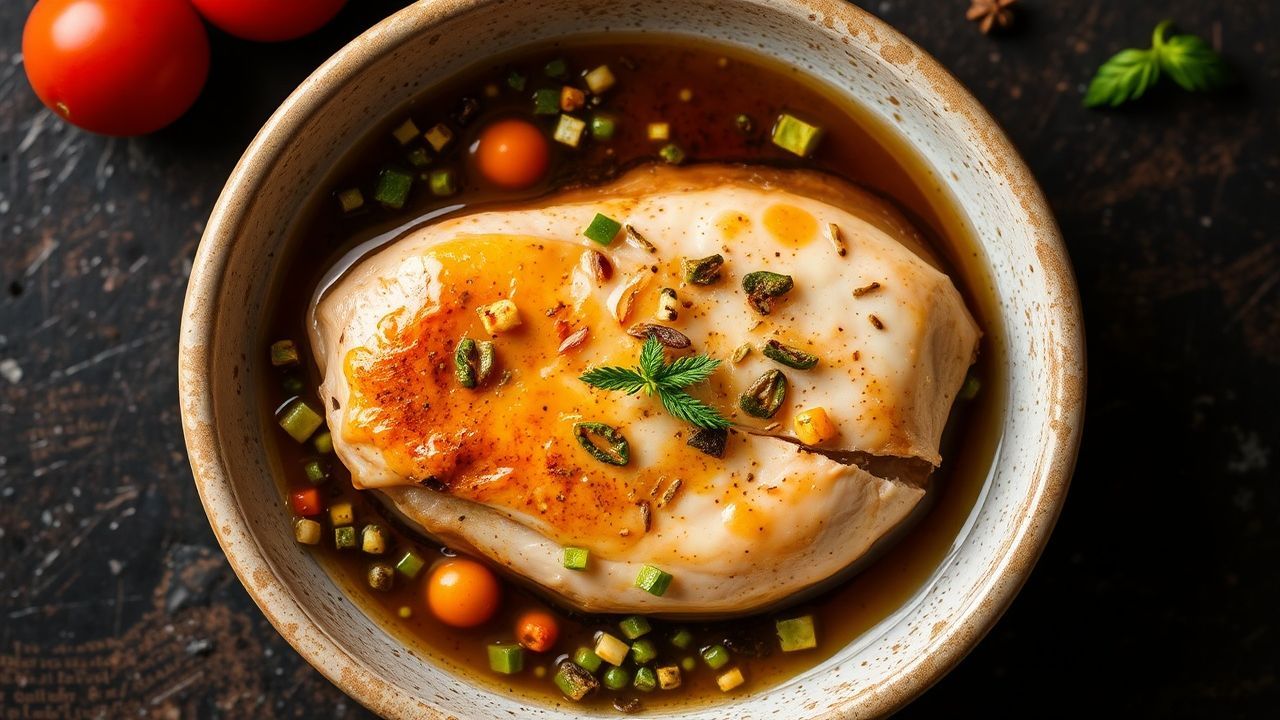
Imagine a plain piece of chicken or a slab of tofu soaking in a fragrant bath of acids, oils, herbs, and spices. Time lets those components interact and unlock deeper taste and texture with predictable results.

Contents
  • How marinating works: the science behind time and taste
  • Prep and cook time
  • Ingredients and ratios
  • Step-by-step instructions
    • Timing tips for proteins
  • Tips for success: balancing patience and practicality
  • Serving suggestions and pairings
  • Food safety and storage
  • Resources and further reading
  • FAQ
    • How long should I marinate chicken?
    • Can acidic marinades ‘cook’ fish?
    • Does marinating change nutrition?
    • Is it safe to marinate at room temperature?
    • Can I freeze proteins in marinade?
  • Short marinating brightens surface flavor and adds quick umami lift.
  • Medium marinating improves tenderness while preserving texture.
  • Long marinating deeply infuses dense proteins but can break down delicate ones.
  • Temperature and container matter for safety and consistent results.

How marinating works: the science behind time and taste

Marinating relies on chemical and physical processes to change flavor and texture. Acids, enzymes, salts, and oil interact with muscle fibers and surface fats to alter how food tastes and feels.

For a technical overview, consult marinade chemistry on Wikipedia. Enzymes such as proteases accelerate breakdown; read more about enzymes and protein action for context.

- Advertisement -

Prep and cook time

Plan your workflow. Effective marination requires scheduling: prep, chill, and cook slots must align to get the texture you expect. Short on time? Target quick infusions that still improve surface taste.

Below are practical windows that balance safety and flavor. These ranges work across home kitchens when you store items properly at refrigeration temperatures.

  • Preparation time: 15 minutes
  • Marination time: 30 minutes to 24 hours (depends on protein density)
  • Cooking time: 10-30 minutes (varies by method)

Ingredients and ratios

Use a balance of acid, oil, umami, aromatics, and salt for consistent results. For many proteins, a simple rule: 3 parts oil to 1 part acid gives flavor without over-tenderizing.

- Advertisement -

Adjust components for the protein type. For example, add a salty element like soy to increase umami; read more about umami to understand its effect on perceived savoriness.

  • 1/2 cup extra virgin olive oil
  • 1/4 cup fresh lemon juice or vinegar
  • 3 cloves garlic, minced
  • 2 tbsp soy sauce or miso
  • 1 tbsp honey or sugar
  • 1 tsp smoked paprika, 1 tsp black pepper, 1 tsp salt
  • 1 tbsp fresh rosemary or thyme
  • Proteins: chicken breasts, flank steak, firm fish, or tofu

Step-by-step instructions

Whisk oil, acid, aromatics, salt, and sweetener until you achieve a light emulsion. Add herbs last to preserve volatile aromas and store the marinade chilled until use.

Pat proteins dry and score dense cuts to increase penetration. Use resealable bags or non-reactive containers to coat items evenly; remove excess marinade before cooking to promote caramelization.

- Advertisement -

Timing tips for proteins

Match time to density. Thin, delicate items need minutes; dense muscles need hours. Adjust times based on thickness rather than strictly by ingredient name.

  • Chicken breasts: 1–4 hours for juiciness without mushy texture
  • Flank steak: 6–12 hours to enhance flavor and reduce chew
  • Firm fish (salmon, tuna): 30 minutes to 1 hour to avoid protein breakdown
  • Tofu: 30 minutes to 2 hours to absorb flavors without disintegrating

Tips for success: balancing patience and practicality

Use acids like lemon or vinegar with care; they tenderize by altering proteins but can over-soften tissue. Oils and herbs slow acid contact and add complexity, so include them for longer marinades.

Control temperature and container: always marinate in the refrigerator and use glass, stainless steel, or food-grade plastic. This practice limits bacterial growth and helps maintain consistent infusion.

  • Adjust by thickness: thicker cuts need longer contact time than thin ones.
  • Avoid metal bowls with high-acid marinades: reactive metals can alter flavor and color.
  • Reserve some fresh herbs for finishing: heat reduces volatile aromas.
💡 Expert Insight
Expert Insight: For predictable results, standardize one test marinade and vary only time when you experiment. Record exact times, temperatures, and outcomes to create a reliable household guide.

Serving suggestions and pairings

Serve marinated proteins on neutral grains like jasmine rice or quinoa to let the marinated flavors stand out. Add a bright acid finish such as a squeeze of citrus to lift richness right before serving.

Garnish with fresh herbs, a drizzle of quality oil, or a dollop of chimichurri for contrast. For texture, sprinkle toasted seeds or nuts to add crunch and visual appeal.

Food safety and storage

Store all marinating items in the refrigerator at or below 4 °C (40 °F). This temperature control reduces microbial growth while the marinade changes flavor and texture.

Never reuse marinade that held raw protein unless you boil it for at least 1–2 minutes to destroy pathogens. For formal guidance, review food safety resources.

⚠️ Pro-Caution
Pro-Caution: Avoid room-temperature marinating for more than 30 minutes. Pathogens multiply quickly at warm temperatures, and acid alone does not reliably kill harmful bacteria.

Resources and further reading

For technique-focused articles, see internal guides such as best marinades for grilling and practical storage tips at marinade safety guide. These pages offer recipe variations and quick reference timing charts.

To expand your technical knowledge, consult broader topics such as umami and the role of enzymes in food transformation. Those entries contextualize why specific ingredients change texture and flavor.

FAQ

How long should I marinate chicken?

Marinate chicken breasts for 1–4 hours to gain flavor while preserving a firm, juicy texture. Thin cutlets need less time; thick pieces benefit from longer contact up to four hours.

Can acidic marinades ‘cook’ fish?

Yes. High-acid marinades denature proteins and firm the flesh, which can mimic a cooked texture. Limit time to 30–60 minutes for firm fish to avoid an over-firm or mushy result.

Does marinating change nutrition?

Marinating primarily alters flavor and texture, not macronutrient totals. However, adding sugar or oil increases calories; herbs and spices can add antioxidants and micronutrients in small amounts.

Is it safe to marinate at room temperature?

No. Marinate in the refrigerator to keep food below 4 °C (40 °F). Warm environments increase bacterial risk even when acids are present.

Can I freeze proteins in marinade?

Yes. Freezing in marinade locks in flavor and saves time on thaw. Thaw under refrigeration and cook promptly for best safety and quality.

See also: marinating time

Masterful Spherification: 10-Step Guide to Calcium Chloride Spheres
Ultimate Beef Keema with Rice: 7 Expert Steps to Perfect Flavor
10 Proven Techniques for Perfectly Grilled Chicken
When Your Sponge Stinks: 7 Safe Fixes and Health Risks
7-Ingredient Hearty Chicken Stew & Rice: One-Pot Comfort
TAGGED:andflavor infusionfood safetyhowmarinade chemistrymarinade recipesmarinade techniquesmarinatingmarinating timesMeat tenderizingtheunlocking
Share This Article
Facebook Pinterest Whatsapp Whatsapp LinkedIn Telegram Threads
What do you think?
Love0
Sad0
Happy0
Sleepy0
Angry0
Dead0
Wink0
Previous Article - Why Are My Water Kefir Grains Not Multiplying? Trouble Tips 12 Proven Fixes: Why Your Water Kefir Grains Are Not Multiplying
Next Article - When Your Vacuum Sealer Fails: Troubleshooting Tips That Wor When Your Vacuum Sealer Fails: 10 Proven Fixes That Work
Creamy Garlic Chicken with melted Parmesan and fresh herbs on a rustic white plate
Garlic Chicken: 7 Ultimate Brilliant Recipes to Make the Best-Ever Creamy Garlic Chicken with Parmesan & Fresh Herbs
Extra Picks
Colorful bowls of Leftover Couscous transformed into salads, fritters, and stuffed peppers.
12 Amazing Practical Leftover Couscous Ideas: Brilliant Ways to Reuse and Remix
Uncategorized
Colorful jars of spice blends beside steaming couscous with herbs and lemon
7 Ultimate spice blends That Transform Your Couscous — Amazing Best Flavor Boosts
Uncategorized
Bowls of gluten-free couscous alternatives: quinoa, millet, cauliflower, and rice
10 Amazing couscous alternatives: Best Gluten-Free Swaps for Incredible Flavor
Uncategorized

Tags

and art baked baking science baking techniques Baking tips batch cooking beef behind browning techniques butternut squash caramelization cast iron skillet chemistry chicken comfort food Cooking science cooking technique Cooking techniques Cooking tips crafting creamy creamy soup crispy culinary science fish flavor flavor chemistry food food safety Food science for garlic golden Ground turkey hearty heat high-heat cooking high protein meals how instant read thermometer Lean protein magic Maillard reaction make ahead meals make ahead soup mastering meal prep Meal prep recipes meat thermometer microwave microwave cooking moisture control one pot meals Pan searing perfect perfectly Plant based protein Probe thermometer protein denaturation Quick dinners roasted roasted squash roasted tomato soup Roasted vegetables Roasting techniques savor savory science Searing technique Searing techniques secrets slow cooking squash steak steak cooking sweet temperature control the top turkey turkey soup turkey stew ultimate umami cooking umami flavor unlock unlocking unveiling vegetable velvety weeknight dinner Weeknight dinners weeknight meals what when why with your zesty
April 2026
M T W T F S S
 12345
6789101112
13141516171819
20212223242526
27282930  
« Mar    

You Might Also Like

- Mastering the Art of the Perfect Chewy-Crust Bagel
Boiling & Steaming

9 Proven Techniques to Master the Perfect Chewy Bagel

William J. Kroll
William J. Kroll
November 10, 2025
Listeria Uncovered: The Silent Threat in Your Food Chain
5-Second Rule

Listeria Uncovered: 7 Essential Food Safety Steps

William J. Kroll
William J. Kroll
February 12, 2026
- Unlocking Flavor: The Chemistry Behind Perfect Carnitas
Low & Slow

10 Expert Tips to Unlock Flavor: Chemistry Behind Perfect Carnitas

William J. Kroll
William J. Kroll
November 10, 2025
- Trans Fats Unveiled: What They Are and Why They Matter
Fats & Emulsions

Trans Fats Exposed: 7 Evidence-Based Facts Every Consumer Must Know

William J. Kroll
William J. Kroll
September 29, 2025
The Science Behind the Perfectly Baked Gnocchi Casserole
Baking & Roasting

7 Science-Backed Ways to Perfectly Bake Gnocchi Casserole

William J. Kroll
William J. Kroll
January 17, 2026
Bake Fresh Delight: The Art of Homemade Pita Bread
Extra Picks

Bake Fresh Delight: 7 Expert Steps to Perfect Homemade Pita Bread

William J. Kroll
William J. Kroll
February 6, 2026
Follow US
By Fimaw.com © All Rights Reserved.
  • Advertising Policy: 10 Practical Rules for Safe, Compliant Ads
  • Contact Us
  • Cookie Policy: Clear Guide for Site Owners
  • Copyright Notice Guide: 7 Essential Rules for Website Owners
  • Disclaimer
  • Privacy Policy
  • Terms of Service
Welcome Back!

Sign in to your account

Username or Email Address
Password

Lost your password?